Huwag Kang Lilingon ~ Chapter 9A
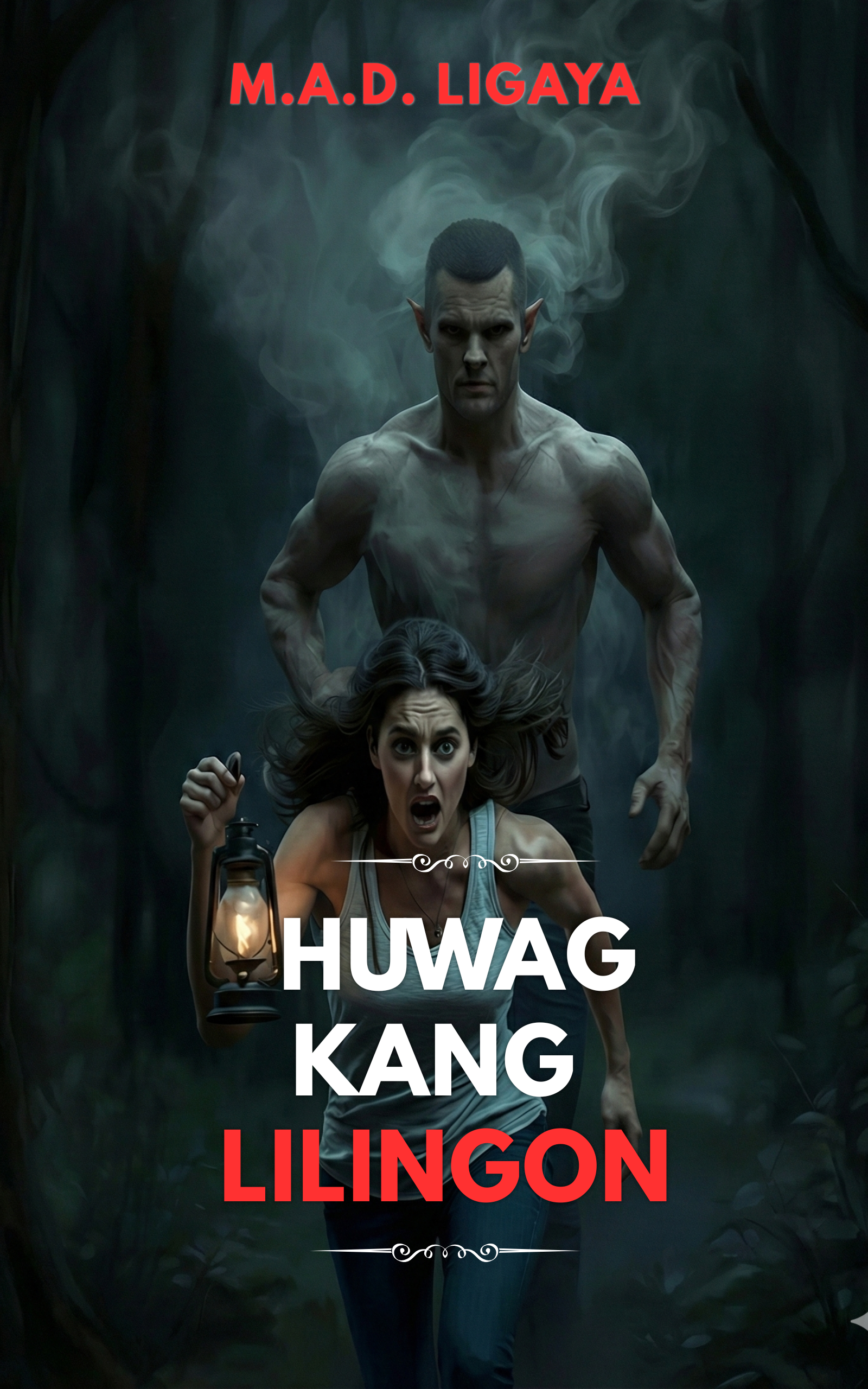
Chapter 9A
“Ang Pagbubunyag”
Itinulak ni Tomas ang balsa palaot, pero bago pa man kami makalayo, may mga aninong sumulpot mula sa aming likuran at nagsitalunan rin papunta sa aming balsa.
Kumalabog… tatlong sunod-sunod. Animo’y tinamaan ng malakas na alon ang balsa. Halos tumaob ito. Nabuwal ako’t gumulong papunta sa likurang bahagi… kasabay ko sina Eve at Jasmine. Sina Tomas at Adam ay nakabalanse. Matataga ang kanilang pagkakatayo.
Nang tumigil sa pag-ugoy ang balsa ay may tatlong katawang nakatayo sa aming harapan. Mga Sutsot na nasa katawan ng mga tao. Dalawang lalaki… isang babae. Silang lahat eh halos kasingtangkad nina Adam at Tomas. Ang mga lalaki’y pawang nakahubad… matitipuno ang katawan.
Unti-unti lumapit ang mga Sutsot. Tinignan ko si Eve. Tumayo ako sa harapan niya, gusto kong magsilbing kalasag niya laban sa mga papalapit na nilalang.
Tatlong putok ng baril ang umalingawngaw. Dalawa sa mga Sutsot ang napaatras, dahan-dahang lumuhod habang ang kulay berdeng likido ay bumubulwak mula sa kanilang dibdib.
Bago pa sila tuluyang tumimbuwang, sinalubong na sila ni Adam. Iwinasiwas niya ang kanyang itak nang dalawang beses—malinis, walang awa. At ang dalawang bangkay ay nahulog sa dagat… magkahiwalay ang ulo’t katawan.
“Hindi mo laging matatamaan ang target mo, Tomas,” isang boses ang nangutya.
Tinig iyong ng isang babae.
Ang ikatlong Sutsot ay tumayo nang matuwid. Gamit niya ang katawan ng isang babae. Muling kinalabit ni Tomas ang baril.
Click.
Ubos na ang bala.
Kinapa niya ang kanyang bulsa.
“Diyos ko… nalaglag ko ‘yung ibang mga bala ko,” bulong niya, bakas ang pagkadismaya sa kanyang boses.
Inilabas ni Jasmine ang kanyang patalim at ibinalibag sa Sutsot. Sinubukang umiwas ng demonyo, pero tinamaan ito sa kanang balikat. Hindi siya napuruhan. Daplis pero nakabaon ang patalim sa kanyang balikat.
Parang balewala lang na hinugot ng Sutsot ang patalim. Berdeng likido rin ang umagos mula sa kanyang sugat.
“Salamat sa patalim. Sayang… dapat sa puso ko pinuntirya mo. Tapos na sana problema ninyo.”
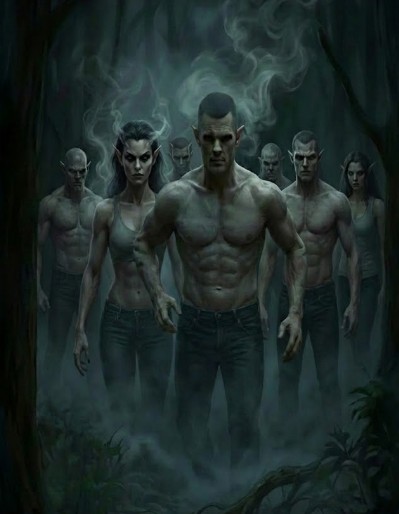
Tumitig sa amin ang halimaw. Para isa-isa kaming kinikilatis. Ang kanyang galit ay hindi maitago nang mala-anghel niyang kagandahan. Parang hindi ordinaryong babae ang nasa aming harapan. Mukhang ang katawang iyon ay hindi niya inagaw kung kanino man. Isa lang ang alam kong makakahigit sa kagandahang iyon… si Eve.
Sa likod ng paghanga sa kagandahang angkin ng Sutsot ay kinikilabutan ako. Siya kaya si Empusa.
Lima kaming tao laban sa isang Sutsot. Ang demonyo ay may patalim, at si Adam ay may hawak na machete. Hindi sumasalakay ang Sutsot. Naglalakad siya sa balsa na parang isang leon na sinusukat ang layo niya sa kanyang bibiktimahing usa.
Huminto siya sa tapat ni Adam, ang mga mata ay nakapako sa huli.
Nagsalita ang Sutsot sa isang wikang hindi ko maintindihan. Ang boses niya ay parang paos at puno ng poot. Habang siya’y nagsasalita ay tumuro siya sa direksyon ng nasusunog na isla. Sinisisi ba niya si Adam sa sunog?
Walang sinabi si Adam. Hinigpitan lamang niya ang hawak sa machete; hindi niya inalis ang tingin sa Sutsot na nasa kanyang harapan. Pareho silang handang pumatay.
“Berith, ginawa mo ang lahat ng ito dahil sa isang babae? Hindi pa ba ako sapat? Daan-daang taon na tayong magkasama,” Nagsalita na ang halimaw sa wikang naiintindihan namin.
Tinawag ng demonyo si Adam sa pangalang Berith. Ang pangalang iyon ay umalingawngaw sa isip ko.
“Ako ang anino mo, Berith. Pinagsilbihan kita… binigyan ng maraming supling… sinunod ko lahat ng iyong kagustuhan… at ngayon ay itatapon mo ako para siya ang makasama mo? Tanga ka ba… ako ay ganito ang hitsura ko hanggang sa dulo ng panahon. Pero iyang si Eve ay ilang taon lang eh tatanda… mangungulubot. Ako hindi.”
“Tomas… Willy… iyan si Empusa,” ang bulong ni Jasmine sa amin.
“Adam ang pangalan ko!” Pa-angil na wika ni Adam. “Bistado na namin kayong mga Sutsot. Hindi na tatalab sa amin ang mga kasinungalingan mo… ang panlilinlang mo!”
“Ah talaga? Nagbibiro ka ba, Berith?” pangungutya ng Sutsot. Tumawa nang tumawa ang babaeng Sutsot.
“Berith… Berith… Prinsipe ng Impiyerno, panginoon ng panlilinlang. Pinaniwala mo ako na may dakila kang plano para sa ating lahat. Pero ano ang ginawa mo? Hinayaan mong masunog ang mga kasamahan mong anghel na libong taon mo nang kasama… pinaglingkuran ka… sinusunod ka… at ang ating mga mga anak… hinayaan mong masunog. Itinakwil mo kami—lahat dahil sa isang sariwang karne na ni hindi na birhen nang makuha mo.”
Itinuon ng Sutsot ang paningin kay Eve, mabilis na tumakbo patungo sa kanya at sinubukang saksakin ito. Pero mas mabilis si Adam, pinatid niya ang demonyo at sinipa palayo.
Sa sandaling iyon, hindi ko alam kung sino ang mas dapat katakutan—ang babaeng Sutsot o si Adam, na tinawag nitong Berith. Bakas din ang kalituhan sa mga mata nina Jasmine at Tomas.
Napatingin ako kay Eve… minsan akong nagbiro na sa kariktan niyang angkin ay kahit mga maligno, halimaw, o demonyo, kung sila’y damdamin ding katulad ng mga tao, ay imposibleng hindi sa kanya magkagusto.
Tumayong muli ang babae Sutsot… binuksan nito ang kanyang bibig. Narinig kong muli ang atungal na inisip ko noon na galing sa isang babaeng halimaw. Ang atungal na iyon ang laging pumapangalawa noon tuwing magiingay at maghihiyawan ang mga Sutsot.
“Kasalanan mo ang lahat ng ito, babae! Inakit mo si Berith. Tingnan mo kung ano ang ginawa niya para sa’yo.” Itinuro ng nanginginig na daliri ng demonyo ang nasusunog na isla.
Muling sumugod ang halimaw kay Eve, pero sinalubong siya ni Adam at nagpambuno sila sa sahig ng balsa. Yumanig nang malakas ang balsa, kaya napakapit kami sa mga panaling nakausli sa mga pagitan ng sahig nito para hindi kami mahulog.
“Hanggang sa huli, ipagtatanggol mo ang babae mo.”
Nagpambuno sina Adam at ang Sitsit. Naibagsak ng Sutsot si Adam at napatungan ito. Parang eksena sa pelikula ang aking nakikita. Nakontrol ng Sutsot ang kamay ni Adam na may hawak na machete, habang ang kabilang kamay nito ay itinaas ang kutsilyo, handang itarak sa mukha ni Adam.
Mabilis kaming sumaklolo nina Tomas. Hinawakan ko ang braso ng Sutsot, habang pilit na ibunubuka ni Tomas ang mga daliri nito. Sumali si Jasmine, at si Eve naman ay walang tigil sa pagsipa sa binti ng demonyo.
Kalauna’y naagaw namin ang patalim.
Hinawakan namin ang mga braso at binti ng Sutsot. Malakas siya, hirap kaming siya’y kontrolin. Nakawala si Adam mula sa ilalim. Pinagtulungang naming idapa sa balsa ang halimaw.

Tila napagod sa pagpipiglas ang Sutsot. Hindi na ito kumikilos kalaunan.
“Bakit mo ito ginawa sa akin, Berith? Minahal at pinaglingkuran kita,” bulong ng Sutsot.
Niluhuran ni Adam ang Sutsot. Idiniin nito ang kanyang tuhod sa likod ng halimaw. Hinablot niya ang buhok nito at hinila ang ulo pabalik. Sa isang malamig na boses, sinabi niya, “Itigil mo na ang panlilinlang… Adam ang pangalan ko.”
Dahan-dahan niyang nilaslas ang leeg ng Sutsot gamit ang kanyang machete. Kahit demonyo ang ginagawan niyong ay hindi ko kayang panoorin. Si Eve ay umiwas din ng tingin. Pero sina Tomas at Jasmine ay hindi kumurap. Pinanood nila ang pagpipiglas ng Sutsot habang hawak nila sa magkabilang kamay nito.
Mula sa nakadilat na mata ng Sutsot ay parang may lumabas na kulay itim na usok.
Nang tuluyang maputol ang ulo ng halimaw ay sinipa ni Adam ang katawan hanggang sa ito’y mahulog sa dagat. Ang hawak nito ulo ng Sutsot ay palayong ibinalibag.
Matagal na walang nagsalita. Siguradong iniisip din nina Tomas at Jasmine ang sinabi ng demonyo.
Kung hindi lang namin alam na mga dalubhasa sa panlilinlang ang mga Sutsot ay maaaring paniwalaan namin ang mga sinabi niya tungkol kay Berith.
*****
Bumalik si Tomas sa paggaod.
Lumingon ako sa Isla Miedo.
Ang apoy ay naging isang dambuhalang halimaw, isang buhay na nilalang na inuubos ang lahat ng madilaan nito. Naririnig pa namin ang ingay ng mga Sutsot. Ang kanilang panaghoy ay hindi awa ang nilikhang damdamin sa akin kundi pagbubunyi.
Nanalangin ako na sana ay ubusin ng apoy ang bawat anino at walang itira kahit isa sa kanila. Umaasa ako na wala nang Sutsot na mabubuhay pa. Umaasa ako na wala nang tao ang mapupunta sa Isla Miedopara mabiktima.
Lumapit si Eve sa kanyang kapatid at niyakap ito, habang ang mga mata ni Jasmine ay nanatili kay Adam. Hindi mabasa ang kanyang mukha, naghahalo ang paghanga at pagdududa. Ang mga alon ay humahampas sa balsa, tila hinuhugasan ang init na naramdaman niya nang makitang buhay ang kanyang kapatid.
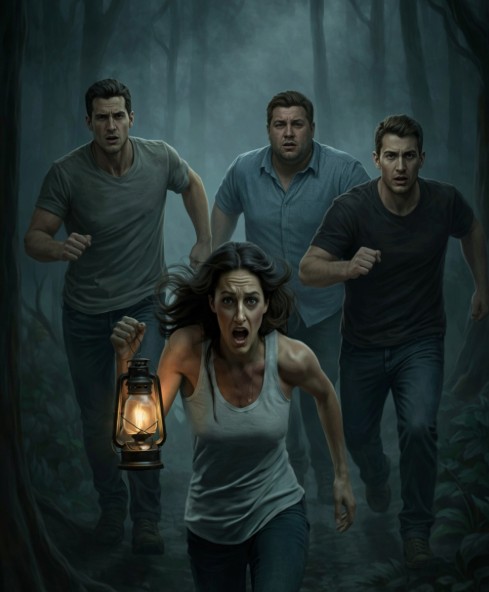
Unti-unting nagdilim habang lumalayo kami sa isla hanggang sa ang dagat at langit ay naging isang walang katapusang itim na salamin. Ang tanging liwanag ay nagmumula sa malamlam na kislap ng aking cellphone. Mabuti at may kaunting battery pa ito.
Ilang minuto ang lumipas, isang mahinang liwanag ang kuminang mula sa kung saan. Patuloy na lumaki ang liwanag at kalaunan ay isang haligi ng hamog ang nabuo sa harap namin—katulad ng nabuo nang sunduin kami ni Kharon sa breakwater.
“Dito tayo dumaan para makarating sa Isla Miedo,” sabi ni Jasmine. “Maaaring ito rin ang daan natin palabas.”
Tila ginagabayan ng isang puwersang hindi nakikita, pumasok ang aming balsa sa hamog. Hanggang sa mga sandaling iyon, ang kilabot sa aking gulugod ay hindi pa rin nawawala. Malayo na kami sa isla, pero may nararamdaman pa rin ako. Ito’y isang panganib pero hindi ko alam kung saan galing.
Sa halip na humawak sa kanyang kapatid, mahigpit na umukyabit si Eve sa braso ni Adam. Nahuli ko sina Tomas at Jasmine na muling nagpalitan ng mga nag-aalinlangang tingin. Sanay na akong makita siyang nakakapit sa braso ng iba sa halip na sa akin—una kay Jeff, at ngayon kay Adam. Kung darating pa ba ang pagkakataong braso ko naman ang hahawakan niya ay hindi ko alam.
Sa unahan namin, ang liwanag sa likod ng makapal na hamog ay naging mas malinaw. Hindi ako nagkakamali—si Kharon iyon, sakay muli ng balsang kawangis ng balsang sinasakyan namin.
May mga sakay nanaman siya… lahat sila ay nakaupo, tila natutulog. Nakita namin sila nang mas malapitan nang ang kanilang balsa ay ilang metro na lang ang layo sa amin.
“HOY! HOY! GISING! HUWAG KAYONG PUMUNTA SA ISLA!” Ang bulalas ni Jasmine.
Pero ang mga tao sa balsa ni Kharon ay nanatiling tahimik, hindi gumagalaw, tila ba natutulog habang nakaupo.
“Matanda! Wala na ang isla mo—sinunog na namin!” sigaw ni Tomas.
At muli ay narinig ko ang boses ni Kharon.
“Iyan ang akala niyo. Iyan ang pinaniniwalaan niyo, mga hangal na tao.”
Sinundan niya ito ng isang mala-demonyong tawa.
“Patay na ang lahat ng mga amo mong Sutsio!” sigaw muli ni Tomas.
Muli, sumagot si Kharon sa tonong tila pamilyar.
“Umasa kayo sa wala… hilingin niyo ang hindi mangyayari. Ang gabing ito ay simula pa lamang… hindi ang wakas.”
Pagkasabi niya niyo’y muli siyang tumatawa. Nang-uuyam. Ang hamog ay tila tumitibok kasabay ng kanyang tawa.
Huwag Kang Lilingon ~ Chapter 8
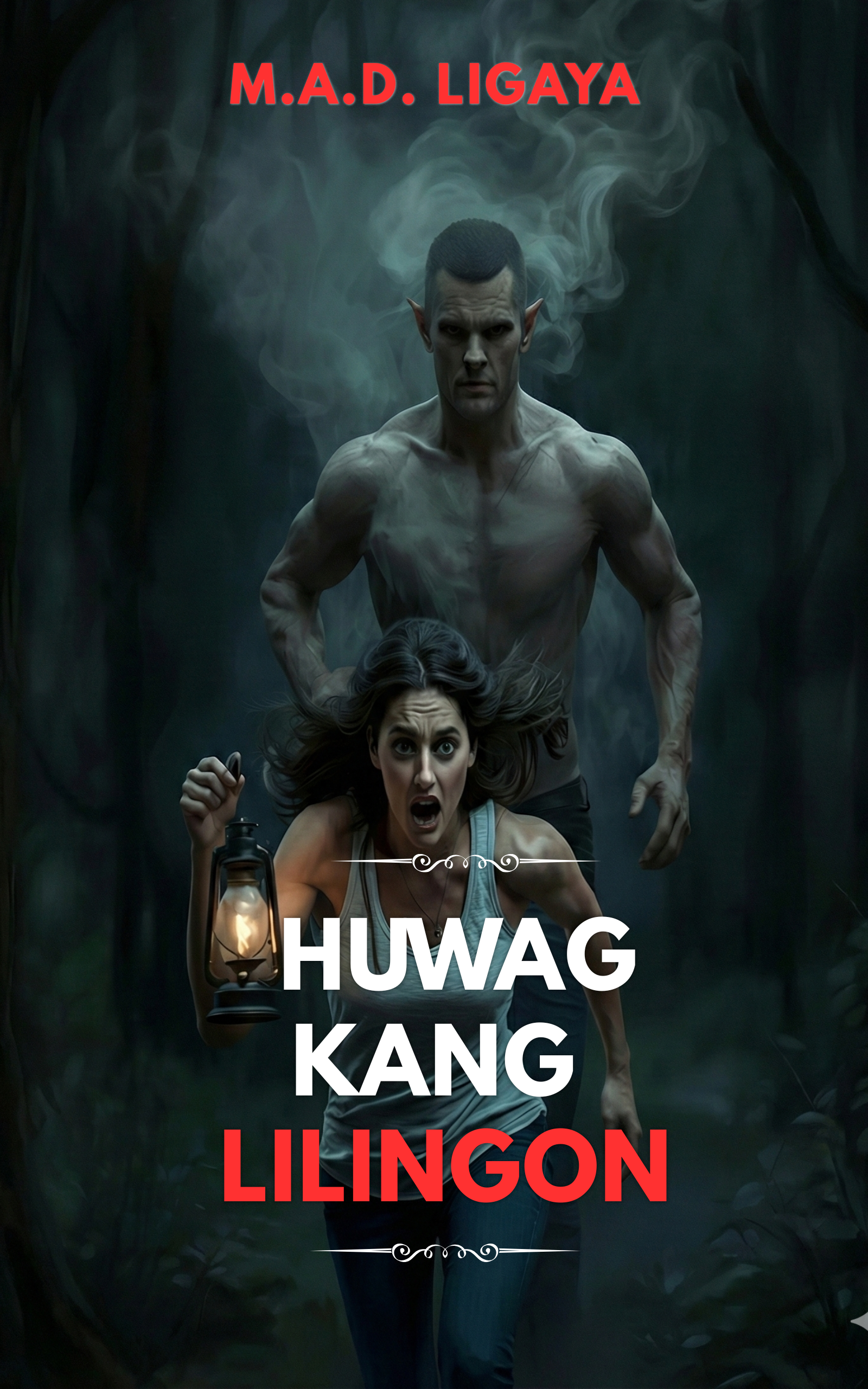
Chapter 8
“Sa Ningas Ng Paghihiganti”
Humakbang kami palabas ng bahay ni Adam. Sinalubong kami sa makapal at malagkit na hangin. Tahimik ang paligid pero ang katahimikang iyon ay isang patibong. Hindi kami puwedeng maging kampante.
Habang binabagtas namin ang gubat pabalik sa sapang pinanggalingan namin ay ramdam ko pa rin ang kilabot sa aking gulugod. Hindi ito halos nawala mula nang makita namin si Adam sa may sapa.
Nang makarating kami sa sapa ay tumigil kami panandalian. Tinitigan ko ang malaking kagubatan na nakatayo sa pagitan namin at nang dalampasigan na kung nasaan ang balsang gagamitin namin pabalik sa pinanggalingan naming breakwater.
Sinimulan naming pasukin ang kagubatan. Ako ang nasa huli habang nangunguna si Adam, ang kanyang itak ay bahagyang kumikislap sa dilim. Nasa gitnang sina Jasmine at Eve. Si Tomas ay sinasabayan sa paglalakad ang kanyang kapatid.
“Brod meron akong nararamdaman na hindi ko maipaliwanag.” bulong sa akin ni Tomas na binagalan ng kaunti ang paglalakad upang maabutan ko siya.
Habang papalapit kami sa gubat, ay nakita kong parang nahawan ang matataas damo na tila may dumaan doon. Sigurado akong mga Sutsot iyon. At nang nakapasok na kami sa gubat ay nagsimula ng lumikha ng ingay ang mga Sutsot. Malakas ang sigawan ng mga halimaw ngunit kung noong dati ay nahihintakutan ako kapag narinig ko sila, ngayo’y wala na. Marahil ay mas iniisip ko ang gagawin naming pagtakas mula sa mala-impyernong isla.
Mabilis ngunit maingat ang ginawa naming pagtakbo. Tinitiyak namin na walang maiiwan at mahihiwalay sa amin.
Nakarating kami sa lugar kung saan namin inilibing si Daniel—ang kanyang katawan ay wala sa hukay na ping libingan namin sa kanya, at malayo s ang kinalalagyan ng kanyang ulo.
“Sandali!” sigaw ko. “Hindi natin pwedeng iwan si Daniel nang ganito.”
“Ha—!?” Naputol ang boses ni Eve. “Diyos ko… si Daniel ‘yan?”
Napaatras siya, ang mga mata ay nanlalaki sa takot at pagkagulat. Tila nanghina ang kanyang mga tuhod, napaluhod siya.
“Ilang kamatayan pa ba ang kailangan kong makita?” Ang mga salita niya ay putol-putol, barado ng hikbi. “Kasalanan ko ang lahat ng ito… may ibang tao pang nadamay.
Itinakip niya ang dalawang kamay sa kanyang bibig para pigilin ang sigaw na namumuo sa kanyang lalamunan. Nangangatog ang kanyang mga balikat.
Mabilis na lumapit sina Tomas at Adam sa kanya. Naunang lumuhod si Adam sa tabi ni Eve. Ibinaba ang kanyang itak. Inakbayan ni Adam Eve.
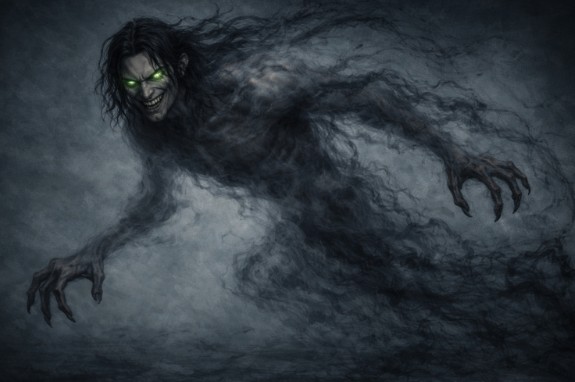
“Huwag mong sisihin ang sarili mo dahil sa nangyari,” ang wika ni Adam. “Hindi na bata si Daniel. Ginusto niyang pumunta dito sa isla..”
Wala akong magawa kundi pagmasdan sina Eve at Adam. Noon ka lamang siya nakitang umiyak at gusto ko sana siyang aluin. Pero naunahan ako. Lagi akong nauunahan pagdating kay Eve… nauhanan ako ni Jeff… at mukhang naunahan din ako ni Adam. Pumunta ako sa isla para iligtas siya, pero naunahan ako. Lagi akong nahuhuli pagdating sa kanya.
Nang halos malagutan na ako ng hininga dahil sa panibugho, ay itinuon ko ang aking atensyon sa hawak kong pamalo. Ganoon naman ang naramdaman ko. Hindi ko malamang kung hawak ko ang piraso ng kahoy o kinakapitan ko ito na parang salbabida na kapag binatawan ko’y baka malunod ako sa ilog ng kalungkutan.
Pagkatapos ay humagupit ang hangin, dala ang masangsang na amoy ng nabubulok na laman. Nagising ako mula sa panibugho at muling natuon ang pansin sa luray-luray na katawan ni Daniel. Guta-gutaytay ang kanyang katawan, ang kanyang mga laman-loob ay nilapa—kung ng mga lobo ba o ng mga demonyong Sutsot, hindi na namin alam. Napako ako sa aking kinatatayuan.
Narinig namin ang mga galaw sa paligid. Nagsimula ang nakakabinging atungal at alulong. May mga aninong mabilis na gumagalaw sa pagitan ng mga puno, ang kanilang mga hiyaw ay umaalingawngaw sa bawat panig.
Tinulungan ni Adam si Eve na tumayo at sinabing, “Pasensya na, pero kailangan na nating magpatuloy. Huwag titingala—nasa itaas natin ang mga Sutsot!”
Inihanda nina Jasmine at Adam ang kanilang mga sandata.
“Tara, Willy, tulungan mo ako,” sabi ni Tomas, at sumunod naman ako.
Mabilis naming inayos ang katawan at ang pugot na ulo ni Daniel sa ilalim ng kumot ng mga tuyong dahon at sanga. Tumulong din si Eve.
Mula sa aking backpack, kinuha ko ang mga mitsa at inipong kerosene ni Daniel. Ibinuhos ang mga ito sa ibabaw sa pinaglagyan namin ng kanyang bangkay. Sa isang pitik ng lighter ni Daniel, nasindihan ko ang tumpok ng mga sanga at dahon. Pinanood namin ang pagsiklab ng apoy.
Nagpatuloy ang mga hiyaw —pero sa pagkakataong ito, hindi para magdiwang, kundi dahil sa takot. Napansin kong lumalayo ang mga Sutsot sa kinalalagyan namin. Totoo ngang takot ang mga halimaw sa apoy.
Mabilis na kumalat ang apoy. Nagdagdag pa kami ni Tomas ng mga dahon at sanga. Ang apoy ay lumaki, dinidilaan ang mga kalapit na dahon at gumagapang sa mga tuyong baging na nakapulupot sa mga puno. Wala na akong marinig na galaw sa paligid, tanging ang lagitik at sagitsit ng apoy na lumalamon sa bawat tuyong dahon at marupok na sanga madilaan nito.
Tila nararamdaman ko ang espiritu ni Daniel sa dila ng mga apoy. Pinapaypayan niya ang apoy gamit ang mga kamay na hindi nakikita… inuutusang habulin ang mga Sutsot at ubusin sila upang siya’y makapaghiganti.
Mula sa malayo, dinig namin ang hiyaw at ungol ng mga Sutsot. Nagsisigawan sila, hindi upang magdiwang at magkasayahan. Sigaw iyon ng paghihirap at sindak.
Tuloy-tuloy ang aming pagtakbo at hindi na nangangamba sa panganib na dala ng mga halimaw. Sila man kasi ay tumatakbo, hindi para kami habulin. Tumatakbo sila upang takasan ang apoy na likha ng paghihiganti ni Daniel.
Pagkatapos ay narinig ko ang pamilyar na atungal—muli, isa na lang—na sinundan ng koro ng mga takot na hiyawan. Napaisip ako kung nasaan ang kanilang pinuno. Patay na ba siya? O may iba na bang nag-uutos sa mga Sutsot? May kakaiba sa solong atungal na iyon. Galit na galit.
Sa pangunguna nina Adam at Jasmine, tinahak namin ang daan patungo sa dalampasigan. Habang nagngangalit ang apoy, naramdaman namin ang tindi ng init sa aming likuran, na nag-uutos sa aming bilisan ang takbo at lumabas mula sa gubat.

Pagod na pagod na ako pero hindi ko magawang huminto. Batid kong ganoon din ang mga kasamahan ko. Batid naming lahat na kapag huminto kami sa pagtakbo ay baka abutan kami, hindi ng mga Sutsot kundi ng naglalaglab na apoy na walang pinapatawad sa mga nadadaanan nito.
Kakaibang ginhawa dulot ng isipin na ang islang ito ay malapit nang maging isang libingan—hindi lang para sa mga biktima nito, kundi para na rin sa mga halimaw na naninirahan dito.
*****
Nakalubog na ang araw nang lumabas kami mula sa gubat. Mula sa pampang, kitang-kita ang malaking apoy na aming sinimulan. Sinabi ni Adam na nagkalat siya ng gaas sa ilang bahagi ng gubat, at tila ito ang nagpapalakas sa apoy.
Ang mga dating mapanghamong hiyaw ng mga demonyo ay naging mga desperadong tili; ang kanilang kayabangan ay napalitan ng takot.
Habang tumatakbo kami, isang kakaibang saya ang bumangon sa akin. Naiganti namin si Daniel—at ang hindi mabilang na iba pang biktima ng mga Sutsot sa loob ng mahabang panahon. Ngunit sa likod ng tagumpay na iyon, alam kong hindi pa tapos ang laban. Hindi magtatagal at ang mga halimaw na nakaligtas sa apoy ay makakarating din sa dalampasigan—o baka naunahan pa nila kami. Ang pampang na lang ang tanging matatakbuhan nila.
Bagama’t takipsilim na, ang dalampasigan ay nagliliwanag nang nakapangingilabot dahil sa nasusunog na gubat. Ang apoy ay bumabakas sa mga alon, kinukulayan ang dagat ng kahel na parang likidong apoy.
Mabilis kaming tumakbo sa dalampasigan patungo sa kinalalagyan ng balsa ni Kharon. Nasa hulihan pa rin ako. Kaylangan nang bantayan ko ang likuran upang tiyakin na walang Sutsot na bigla sa aming susugod.
Nangunguna si Tomas, habang kami ni Adam ay hirap na sumasabay kina Jasmine at Eve. Kaya ko namang tumakbo nang mas mabilis, pero nanatili ako sa huli para magbantay sa likuran—at para hindi mawala si Eve sa paningin ko. Hindi ko inalis ang tingin ko sa kanya habang nagtatakbuhan kami patungo sa pampang.
May mga yabag na narinig ko sa aking likuran—tiyak kong hindi tao ang may-ari ng mga yabag na iyon. Pero patuloy lang ako sa pagtakbo. Hindi kami pwedeng huminto. Hindi kami pwedeng magpahinga.
“Bro, mauna ka na kaunti.” Ang wika ni Tomas. Mukhang naulinigan din niya ang mga yabag na sumusunod sa amin.
Nang marinig kong nagkasa ng baril si Tomas ay biglang huminto ang mga yabag na sumusunod sa amin. Nakahinga ako ng maluwag.
Sa wakas, nakita kong narating ni Adam ang pampang kung saan namin iniwan ang balsa ni Kharon. High tide na noon, at halos kalahati na ng balsa ay lubog na sa tubig. Naging madali para kina Tomas at Adam na itulak ang balsa sa dagat.
Unang tumalon si Tomas sa balsa, inihahanda ang kawayang tikin. Hinintay kami ni Adam, hinayaang sumakay muna sina Jasmine at Eve. Nakatayo siya paharap sa direksyong pinanggalingan namin, hawak ang kanyang itak.
Nagsimulang itulak ni Tomas ang balsa palayo sa pampang.
“Bilis, Willy!” sigaw ni Adam.
Tumalon ako sa balsa sa tamang oras; yumanig ito nang lumapag doon ang aking mga paa. Si Adam ang huling sumakay. Lumingon ako at nakita ang apoy sa gubat na kumakalat—ang mga dila ng apoy ay kumakalos sa mga puno, nilalamon ang lahat ng malapit sa pampang.
Pero hindi lang apoy ang humahabol sa amin. Unti-unti lumalakas ang alon.
TEACHER OR LECTURER?
A Reflection on What It Really Means to Teach
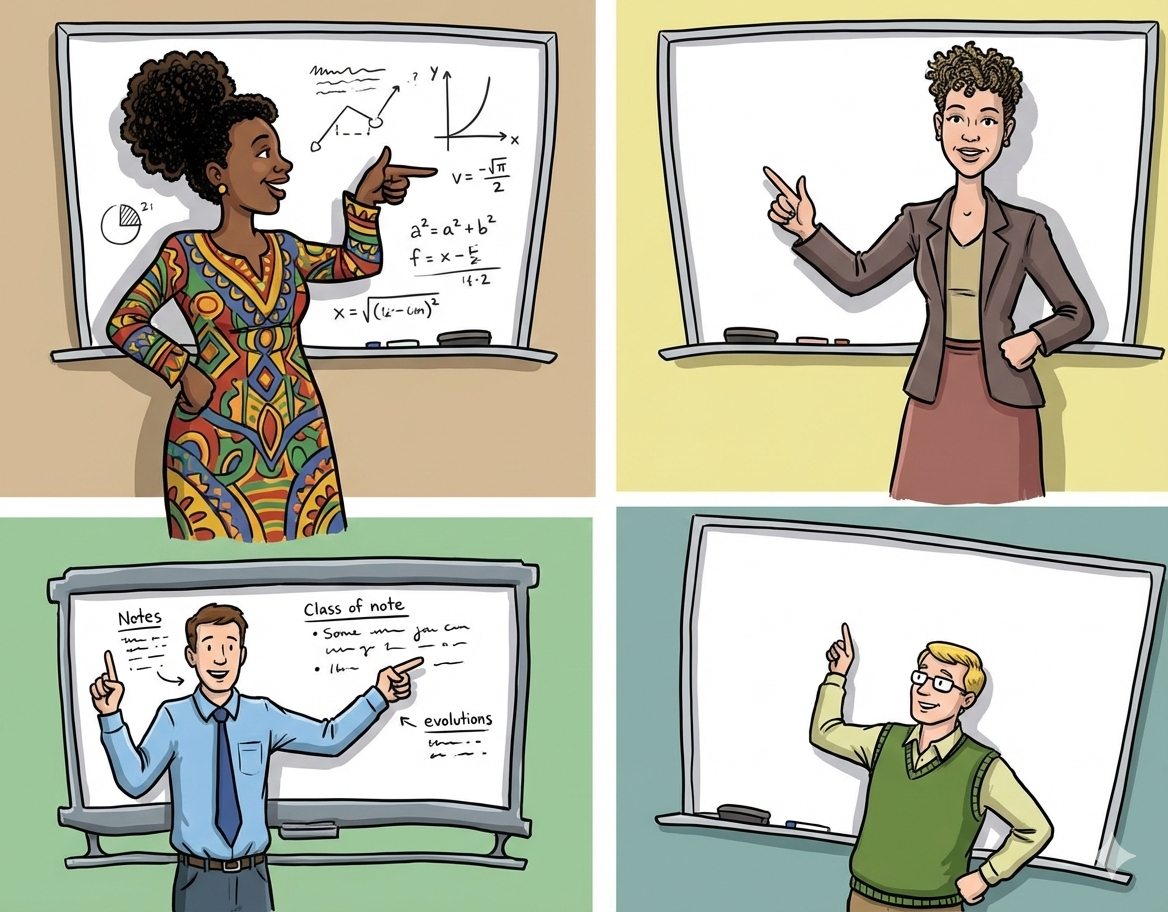
“Teaching starts with a relationship. Until then, you are just a dancing monkey standing
in front of your students performing tricks.”
~ Andrew Johnson~
I. The Question Worth Asking
Not everyone who stands in front of a classroom truly teaches.
Some deliver content. Others shape minds. The titles may be identical — Teacher, Instructor, Professor — but the intentions, mindsets, and commitments behind them often are not. And this gap, quiet as it sometimes is, makes all the difference in the world to the students sitting in those chairs.
This raises an uncomfortable yet necessary question — not to accuse, but to reflect:
Are you a teacher? Or are you merely a lecturer?
These are not the same thing. A lecturer delivers content; a teacher transforms it into learning. A lecturer measures success by how much material was covered; a teacher measures it by how much understanding was actually built. Lecturers speak to students; teachers listen to them. A lecturer is satisfied when the lesson ends on time; a teacher is troubled by what remains unclear after the bell rings.
All teachers lecture at times — that is unavoidable. But not all who lecture truly teach. The distinction lies not in the method but in the mindset: Does this person see their role as the transmission of information, or as the cultivation of human potential?
II. How Teachers Differ From One Another
Even among those who genuinely intend to teach, no two practitioners approach the profession in exactly the same way.
Like fingerprints, their mindsets, tendencies, and personal philosophies are unlikely to be identical. Given the same course syllabus, we cannot expect any two teachers to design the same lesson plans or implement the same strategies. Some approach each class with meticulous preparation; others improvise; and some — regrettably — do not plan at all.
Work attitudes vary just as widely. There are teachers acutely conscious of the hours stipulated in their contracts, unwilling to extend themselves beyond what is formally required. There are others who go far beyond — who assist students outside teaching hours, volunteer for tasks no one asked them to do, and give freely of their time and energy without expectation of compensation.
And then there are those who arrive late, leave early, and submit required paperwork only when pressed — or not at all. If you are a teacher reading this, the question is not which group others belong to, but which group you honestly belong to yourself.
No one can force a teacher into the second group. But every teacher owes it to their students — and to themselves — to stay as far as possible from the third.
There are also teachers who are perpetual fault-finders — those who can always identify what is wrong with a policy, a colleague, or an administrator, but rarely what might be improved. When they find fault, they whine about it or gossip about it, or both. This habit does not make them critical thinkers. It makes them corrosive presences in a community that depends on trust and collaboration.
III. How Teachers Treat Their Students
Perhaps no difference among teachers is more consequential than the way they treat the people in their care.
Some set standards so exacting that only the strongest students can meet them, leaving the rest behind without apology. Others calibrate their expectations thoughtfully — maintaining rigor while ensuring that even the slowest learner has a genuine pathway to success. Some believe in a one-size-fits-all approach, as though all students arrive at learning in the same way, at the same pace, with the same needs. Others recognize that students differ profoundly in learning styles, abilities, languages, and personal histories — and they differentiate their methods accordingly.
Numerous studies confirm what students have always known intuitively: among the most valued qualities in an effective teacher are the ability to build genuine relationships, and a patient, caring, and kind personality. These are not soft virtues. They are the foundation on which all learning is built.
What causes some teachers to treat students with indifference or harshness? Sometimes the answer lies in upbringing or in the treatment they themselves received as students — a sad inheritance, passed unconsciously from one generation to the next. Sometimes it is simply burnout. Exhaustion does not excuse poor teaching, but it does help explain why some teachers gradually lose the fire they once had. Compassion, it turns out, is not inexhaustible. It must be renewed.
IV. The Heart of the Matter: Passion and Compassion
At its deepest level, the difference among teachers may be reduced to two qualities — and what each teacher does or does not possess of them.
There are teachers who possess both passion and compassion.
There are teachers who have only one of the two.
There are teachers who have neither.
Passion is what drives a teacher to prepare thoroughly, to stay current in their field, to search for better methods even when existing ones are adequate. It is the restlessness of someone who genuinely believes that this lesson, this class, this student deserves their best effort.
Compassion is what keeps that passion human. It is what reminds a teacher that behind every exam score is a person — with pressures, fears, histories, and hopes that the classroom did not create and cannot simply ignore.
Without passion, teaching becomes mechanical. Without compassion, it becomes cold. Without both, it becomes something that should not be called teaching at all.
If you are a teacher reading this — and if, in honest reflection, you find yourself in the third category — it may be time to ask whether you are in the right profession. That is not an accusation. It is an invitation to reconsider, before another generation of students pays the price for a choice that was never truly theirs to make.
V. The Question of Training — and Its Limits
One of the gravest mistakes an institution can make is hiring someone with no pedagogical training to teach.
Knowledge of a subject is not the same as the ability to teach it. Being a mathematics wizard does not automatically make one a mathematics teacher. Having perfect pronunciation and impeccable grammar does not make one an English teacher. Teaching requires something beyond subject mastery — it requires the ability to make that mastery accessible, to motivate learners who do not yet share it, to design assessments that genuinely measure growth, and to adjust strategies when understanding has not yet arrived.
To be fair, there are rare individuals who compensate for the absence of formal training through humility, mentorship, and a genuine hunger to learn the craft. But these are exceptions, not the rule. And relying on exceptions as a hiring strategy is a gamble made at students’ expense.
Yet perhaps the more troubling question is not about the untrained. It is this:
Why are there teachers who were trained to teach, yet behave as though they were not?
Teachers’ conduct is shaped by the educational philosophy they develop through their training — an evolving framework built from theory, practice, experience, and the personal belief systems they carry into the classroom. That philosophy, whether articulated or not, is visible in every decision a teacher makes: how they speak to students, how they respond to failure, how they handle disagreement, how they use — or misuse — the authority their position grants them.
When teachers act or speak in ways that diminish students, ignore professional codes, or prioritize personal comfort over student welfare, they are not simply having a bad day. They are revealing what they truly believe about teaching — and about the people they were hired to serve.
Common sense, even in the absence of formal training, should be enough to remind any adult in a position of influence: words carry weight. Actions leave marks. Students remember — sometimes for a lifetime — how their teachers made them feel.
VI. A Calling, Not a Paycheck
Teaching is not a neutral act.
Every teacher who enters a classroom makes a choice — consciously or not — about what kind of presence they will be. They can be a source of clarity or confusion, of encouragement or discouragement, of possibility or limitation. They can be the reason a student discovers a love of learning, or the reason that love dies quietly before it ever had a chance to grow.
The difference between a teacher and a lecturer is not merely technical. It is ethical. It is a question of whether one has accepted not just the job title, but the responsibility that comes with it — the responsibility to know your students, to adjust your methods, to take ownership of whether learning is actually happening, and to care about the answer.
A lecturer fills the time. A teacher uses it. A lecturer covers the syllabus. A teacher uncovers the student.
Not every teacher will be extraordinary. Not every lesson will ignite a passion. But every teacher can choose, on any given day, to be present — truly present — for the people who have been entrusted to their care.
That choice is available every single morning. It costs nothing except the willingness to make it.
That is — if they care.
If teaching is still a calling, and not merely a paycheck.
★ ★ ★
— M.A.D. Ligaya, PhD
Huwag Kang Lilingon ~ Chapter 7
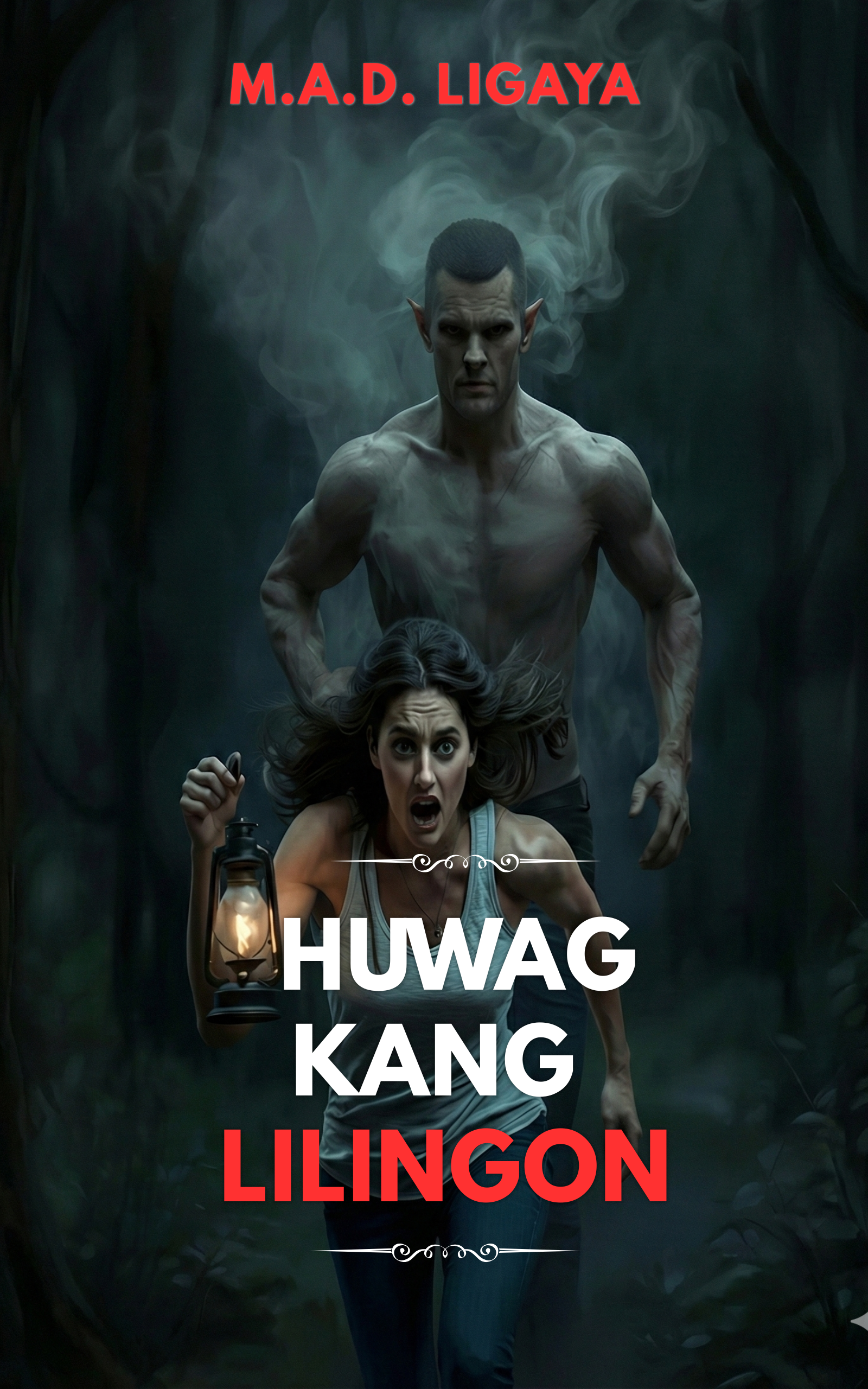
CHAPTER 7
“Sa Muling Pagtatagpo”
Nakaalpas kami mula sa sakmal ng gubat na siyang naging libingan ng mga biktima ng mga halimaw at bumulaga sa amin ang isang sapa.
Napakalinis at napakalinaw ng tubig nagaanyayang kami’y magtampisaw… hinihimok kaming limutin ang lahat ng mga hindi magagandang karanasan namin mula ng dumating kami sa islang iyon. Pero napakahirap gawin niyon.
Naupo kaming magkakalapit, ang mga mata ay patuloy sa pagmamasid sinusuri ang bawat sulok sa paligid. Maging ang sapa, para sa akin, ay kahina-hinala—masyadong malinis, masyadong tahimik, masyadong mapang-akit.
Naupo ako sa mabatong bahagi sa tabi ng tubig, pinagmamasdan ang aking repleksyon na gumagalaw sa umaagos na tubig ng supa. Tuyot na tuyot na ang lalamunan ko mula sa mahabang oras ng paglalakad at nakaktuksong yumuko para uminom. Kumikinang ang malamig na tubig, napakahirap tanggihan.
Ibinaba ko ang aking hawak na pamalo, bagama’t nag-aalinlangan akong bitawan ito. Ang kahoy na ito ay parang nagbibigay sa akin ng lakas ng loob at huwag matakot sa mga Sutsot.
Akmang ilulubog ko na ang aking kamay sa sapa, ang mga daliri ko’y nasa ibabaw na ng tubig. Pero may pumigil sa akin. Iginala ko ang aking paningin sa paligid. Sa likuran namin ay pinanggalingang gubat. Sa kabilang pampang ng sapa ay isa nanamang kagubatan.
Nakakangilo ang katahimikan. Napakahirap kumampante at isipang okay na ang lahat.
Paano kung ito ang sandaling piliin ng mga Sutsot para sumalakay? Ang sapa ay mukhang masyadong perpekto, ang agos ay tila isang duyan na parang gusto akong ipaghele.
Binawi ko ang aking mga kamay. Baka may kung ano sa tubig—isang bagay na kapag nainom namin ay magpapahina sa amin laban sa mga demonyo. Kung ano-ano na ang inisip ko. Pati tubig na walang malay ay pinagduduhan kong kakampi ng mga halimaw.
Sinulyapan ko sina Tomas at Jasmine. Ang kilos nila’y nagpapahayag nang pag-aalinlangan. Huminga ako nang malalim. Hindi ako pwedeng maging pabaya. Hindi ngayon… hindi kaylanman. Hindi ako pwedeng mamatay. Hindi ngayon. Hangga’t hindi ko nasisigurong ligtas si Eve.
Pagkatapos ay muli kong naramdaman ang pamilyar na kilabot na gumapang sa aking gulugod, malamig at matalas, parang haplos ng mga daliring hindi nakikita. Natutunan ko nang pagkatiwalaan ang pakiramdam na iyon. Iyon ang paraan ng katawan ko para magbabala na meron nagbabantang panganib pero hindi ko nakikita.
Tumayo ako, at pinagmasdan ko ng mabuti ang paligid. Bawat kilos sa madilim na bahagi sa harapan namin at likuran ay pilit kong inaaninag. Bawat tunog ay mabusising pinapakinggan. Batid kong ganoon din sina Tomas at Jasmine. Kaligtasan namin ay kaylangang tiyakin. Lahat kami’y nangangamba na biglang sumulpot ang mga Sutsot at katawan nami’y pilit na agawain..
Napansin ni Tomas na ako ay balisa.
“Ano ‘yun, bro?” tanong ni Tomas.
“Hindi ko alam…” Pabulong kong sagot. “May nararamdaman lang akong kakaiba.”
Mula sa likod ng isang malaking bato, isang lalaki ang lumabas.
Ang kanyang buhok ay tila mga madulas na lubid, ang kanyang balbas ay ligaw at may mga guhit ng abo. Halos kasing-tangkad siya ni Tomas pero mas malapad ang balikat. Ang machete sa kanyang baywang ay bahagyang kumikislap—ang hawakan nito ay parang pudpod na dahil sa ilang taong paggamit.
Dahan-dahan siyang humakbang palapit. Naamoy ko ang alat, kalawang, at pawis na umalingasaw mula sa kanyang katawan. Bumilis ang tibok ng puso ko. Hinablot ko ang aking sanga at humanda sa pakikipaglaban. Itinaas ni Tomas ang kanyang baril at itinutok sa lalaki. Pero nakakagulat ang bilis na ipinamalas ng lalaki. Sa isang iglap, naagaw niya ang baril ni Tomas at itinutok ito sa amin.
Susugod sana si Jasmine, pero mabilis na ibinaling ng lalaki ang baril sa kanya. “Huwag mong gawin ‘yan, Jasmine!”
Napatigagal kami.
“Kuya? Kuya Adam! Ikaw ba talaga ‘yan?”
Bahagyang ibinaba ng lalaki ang baril. “Oo. Ako nga. Kanina ko pa kayo pinagmamasdan simula nung makarating kayo sa sapa.”
Dali-daling lumapit si Jasmine para yakapin ang kapatid, pero mabilis akong humarang. “Sandali lang, Jasmine. Paano kung—”
“Huwag kang mag-alala, hindi ako Sutsot. Hindi ako nasaniban.”
Nakahinga ng maluwag si Jasmine. “Salamat sa Diyos at buhay ka! Alam kong matatag ka!” bulalas niya, bago mahigpit na niyakap ang kapatid. Pagkatapos ay humarap siya sa amin at ipinakilala kami ni Tomas sa kanyang kuya.
“Kayo ba ‘yung nasa balsa ni Kharon kagabi?” tanong ni Adam habang ibinabalik ang baril ni Tomas.
Tumango ako.
“Ako ‘yung nagwawagayway ng sulo kagabi. Tuwing nakakakita ako ng hanay ng ilaw sa gitna ng dagat, umaakyat ako sa tuktok ng mga burol na ‘yan.” Itinuro niya sa pinakamataas na bahagi ng isla. “Doon ako nagsisindi ng sulo para makita ng mga nasa balsa.”
Napailing si Tomas. “Mahirap paniwalaang nakatagal ka nang ganito dito sa dami ng mga demonyong ‘yan sa paligid.”
Ngumiti si Adam. “Sa tingin ko, ang training ko sa militar ang naghanda sa akin para rito. Pero ang tunay na nagpatibay sa akin ay ang kagustuhang ipaghiganti ang pagkamatay ni Julie… at iligtas ang sinumang maihahatid ni Kharon dito.”
Lalong hinigpitan ni Jasmine ang yakap sa kapatid. “Pero bawat taong naililigtas ko,” patuloy ni Adam, bakas ang panghihinayang sa kanyang boses, “sa huli ay kinakain din ng mga demonyong Sutsot.”
Kumalas siya sa yakap ni Jasmine. Tumingin sa aming isa-isa “At hindi ko alam kung hanggang kailan tatagal ‘yung nailigtas ko kamakailang lang… at kayo man.”
Nanlaki ang mga mata ni Tomas. “Ano? May nailigtas kang buhay pa hanggang ngayon?”
Hindi makahinga si Jasmine. “Babae ba siya, kuya?”
Sinalubong ni Adam ang kanyang tingin. “Oo.”
Nag-atubili siya—saka bumulong, “Evelyn ang pangalan niya.”
Nakaramdam ako ng hindi maipaliwanag na kaligayahan. Kitang-kita ko rin kung paano nagliwanag sa galak ang mukha ni Tomas.
“Nasaan ang kapatid ko? Nasaan siya?” Ang tanong ni Tomas.
Laking gulat ni Adam. “Oww, ikaw ang kapatid ni Eve?”
Lumapit ako’t kinamayan ko si Adam. “Salamat brod. Maraming salamat. Si Eve ang dahilan kung bakit kami narito. Dalhin mo kami sa kanya.”

Sandaling hindi gumalaw si Adam. Pagkatapos, sa isang dahan-dahang tango, humarap siya sa mabatong bangin. “Sumunod kayo sa akin.”
Tumawid siya sa sapa. Mababaw lang naman ito. Lampas tuhod lang angn pinakamalalim na bahagi. Sinundan namin siya. Hawak ko ng mahigpit ang aking pamalo. Si Tomas ay nagkasa ng baril. Nakahanda rin ang patalim ni Jasmine. Batid naming lahat na hindi kami puwedeng kumampante.
Nang matawid namin ang sapa ay pumasok kami sa isa pang bahagi ng gubat. Mas malinis ito, hindi gaanong masukal—pero amoy ng kerosene ang paligid.
Nagtaas ng kamay si Adam, hudyat na magdahan-dahan kami. “Mag-ingat kayo sa bawat hakbang,” babala niya. “Ang bahaging ito ng gubat ay puno ng mga patibong. May mga hukay dito na may mga matatalas na tulos at binuhusan ko ng kerosene. May mga alarm system din ako dito sa bahaging ito ng gubat. Ginawa ko ito para hindi hindi ako masalisihan ng mga Sutsot habang ako’y natutulog.
Habang naglalakad, napansin ko ang mga bahagyang kislap ng bakal sa pagitan ng mga ugat at sanga na natatabunan ng dahon. Ang hangin ay malapot sa amoy ng kerosene at kalawang.
Pagkatapos ay biglang tumigil si Jasmine. Sa unahan namin, nakasabit sa isang animo’y sapot ng gagamba pero yari sa baging ang isang kalansay—malinis na ang mga buto nito, ang bungo ay nakatingala sa langit. Ilang hakbang pa, may isa pang kalansay na nakasalampak sa isang hukay na puno ng matutulis na tulos ng kawayan.
“Mga Sutsot ang mga ‘yan,” ang wika ni Adam. “Mga biktima ng bitag ko ang mga iyan. Kapag narinig kong humihiyaw sila kapag nahuhuli sa mga patibong na iyan eh pinupuntahan ko para gamitan ko nitong bendidatong machete ko. Kaya takot na silang pumasok sa bahaging ito ng isla. Marami sa kanila ang namatay rito.”
Sa malayo, natanaw namin ang isang dampa na may bubong na gawa sa tuyong dahon ng nipa. Habang papalapit kami, may lumabas ng bahay… Eve.
“Diyos ko! Kuya! Kuya!” Ang boses niya ay binalutan ng magkahalong galak at iyak.
Mabilis na tumakbo si Tomas at niyakap nang mahigpit si Eve. “Salamat sa Diyos at buhay ka! Alalang-alala si Nanay sa’yo—pati na si Jeff.”
Gusto ko ring yakapin si Eve, sabihin sa kanya kung gaano ako kasaya na ligtas siya. Pero ang tanging nagawa ko lang ay ipikit ang aking mga mata at bumulong ng isang dasal ng pasasalamat.
“Hindi mo na kaylangang pumunta dito Kuya. Sobrang mapanganib.”
“At bakit hindi? Pinangako ko kay Tatay na poprotektahan kita sa lahat ng oras. Gagawin ko ang lahat para tiyaking ligtas ka Eve.”
“Sorry! Patawarin mo ako! Dapat nakinig ako sa’yo. Hindi ko na lang sana pinatulan ang hamon ng mga classmates ko na pumunta sa islang ito. Na-excite kasi sila sa mga napanood nila sa YouTube tungkol dito. At totoo nga palang may mga halimaw na naninirahan dito.”
“Masaya kami Eve na makitang ligtas ka.” sabi ko.
“Oo, salamat kay Adam. Iniligtas niya ako,” sabi ni Eve habang kumakalas sa yakap ni Tomas at sumisiksik kay Adam, ang kanyang ulo ay sumandal sa balikat nito. Para bang kay tagal na nilang magkakilala.
Gusto ko ring pasalamatan si Adam, pero ang mga salita ay tila bumara sa aking lalamunan. Sandaling nakalimutan ko ang isla, ang mga demonyo, pati ang pagkamatay ni Daniel. Ang makita si Eve na ganoon, buhay pero nakasandal sa balikat ni Adam—ay naghatid ng isang matinding kirot sa aking dibdib.
Gusto kong magdiwang dahil nakita ko siyang buhay, pero hindi ko magawa habang nakikita ko na parang napakalambing niya kay Adam. .
Tumingin ako sa malayo bago pa mabasa nina Tomas o Jasmine ang nakasulat na pagkadismaya sa mukha ko. Pero duda akong napansin nila. Ang mga mukha nina Tomas at Jasmine ay bakas rin nang pagkalito habang pinagmamasdan ang ipinapakitang lambing ni ni Eve kay Adam.
Napansin ko ang pag-aalinlangan sa ngiti ni Tomas. Ang kanina’y pasasalamat na ipinpakita niya kay Adam ay mukhang napalitan ng duda at kalituhan. Halatang pilit ang kanyan ngiti nang tumingin siya sa akin.
Si Jasmine naman ay parang nagtataka. Ang kanyang tingin ay nakatutok sa kanyang kapatid, pinagmamasdan kung paano nito hawakan si Eve. Hindi ko mahulaan kung ano ang naglalaro sa isip ni Jasmine. Pag-aalinlangan, marahil. O takot. Tahimik siyang nag-antanda ng krus, bumubulong ng dasal na siya lang ang nakakarinig.
“Siyanga pala, gustong sumama ni Jeff, pero hindi siya pinayagan ng nanay niya,” sabi ni Tomas, upang basagin ang katahimikan biglaang namayani sa kalagitnaan namin.
“Jeff… Sino naman si Jeff?”
“Ha… eh … Family friend,” mabilis na sagot ni Eve.
Napansin ko ang bahagyang inis sa kanyang boses. Kung bakit hindi niya sinabing kasintahan siya nito ay hindi ko alam. Marahil galit siya dahil hindi ito sumama sa amin para hanapin siya. O baka may iba pang dahilan.
“Ah… Kuya, nakita mo ba ang mga classmates ko?” tanong ni Eve ng may bahid ng pananabik na marinig ang kasagutan.
Nagkatinginan kami ni Tomas.
“Sorry Eve… pero wala na sila—maliban na lang sa isa, marahil,” seryosong sagot ni Tomas.
Napayuko si Eve nang madinig iyon.
“Kami lang ni Eve ang nakaligtas sa islang ito. Maging ang mga kasama namin ni Julie na pumuta dito noon ay isa-isa ring namatay,” dagdag ni Adam. “Halika, pasok tayo sa dampa.”
Sumunod kami sa loob. Isang lamesa na yari sa kahoy ang nasa gitna ng bahay. May mga prutas at tila bagong ihaw na mga isda sa ibabaw nito. Ang mga upuang nakapaligid sa lamesa ay yari din sa kahoy. Sa isang sulok ay may dalawang manipis na kutson—luma, sira-sira, at magkatabi.
“Kumain muna kayo—alam kong gutom na gutom na kayo. May tubig din dito.”
Atubili man ay kaylangan naming kumain.
“Huwag kayong mag-alala. Walang lason iyan.” Ang pabirong sabi ni Adam ng napansin niya tila parang nagaalangan kaming isubo ang mga pagkaing hawak na namin.
Habang kumakain, muli kong naramdaman ang pangangalisag ng mga balahibo ko sa aking kamay at batok. Parang may mga matang nakatingin mula sa labas o baka nasa bubong ng dampa.
“Paano ka nailigtas ni Adam, Eve?” tanong ni Tomas.
Ang tingin ni Eve ay napako sa sahig, napabuntong-hininga. “Ang natatandaan ko lang… matapos naming itayo ang mga tent, ang isa sa mga kasama ko ay nagpasimula ng siga. Nakaharap kami sa apoy nang makarinig kami ng paswit mula sa likuran namin. Lahat ng lumingon ay nagsimulang mangisay. Nawala ang kanilang mga mata, at ang kanilang mga tiyan ay unting nawawakwak.”
Nanginginig ang boses ni Eve habang ito’y nagkukwento.
“Dahil sa takot, tumakbo ako sa gubat. Nang tumigil ako para huminga, may humablot sa akin mula sa likuran at tinakpan ang bibig ko. Si Adam ‘yun. Sinabi niya sa aking huwag gagalaw at huwag gagawa ng ingay. Sinabi niya ring huwag akong magpa-panic habang naglalakad kami.”
Nabulunan si Eve sa emosyon. Inakabayan siya ni Adam. Isinandal ni Eve ang kanyang ulo sa kanyang balikat.
Sinakmal nanaman ako ng matinding panibugho. Pero wala akong magawa.
“Paulit-ulit na nagbabala si Adam na huwag lilingon sa likod, anuman ang mangyari—kahit may tumawag pa sa pangalan ko o may papaswit. Ang mga Sutsot ay tinatawag ang pangalan ko. May kaboses nga noon si kuyaTomas.”
“Patuloy niyang iwinawasiwas ang kanyang itak para hindi makalapit ang mga demonyo. Tumigil lang sila sa pagsunod nang makarating kami sa sapa.” Sinulyapan ko si Adam. Gusto kong magpasalamat sa kanya, pero aaminin kong mas nanaig ang matinding selos.
Napapikit ako ng makita kong halos idikit na ni Eve ang ulo sa mukha ni Adam. Nakakainggit. Dapat ako ang nakapagligtas sa kanya mula sa mga Sutsot. Kung nangyari iyong marahil ay sa balikat ko ngayon nakahilig ang ulo ni Eve.
Ngunit, may kung ano kay Adam na bumabagabag sa akin. Hindi panibugho. Parang mas mas malalim. Hindi ko maintindihan kung ano.
“Bakit kaya hindi tayo sinusundan ng mga Sutsot dito?” tanong ni Tomas. “Ang mga halimaw na nakapasok sa katawan ng tao lang ang pwedeng masaktan ng mga bitag na nakita natin kanina.”
“Apoy lang ang tatapos sa isang demonyo na wala pa sa katawan. Alam nila na ang bahaging ito ng isla ay diniligan ko ng kerosene—lalo na ang paligid ng dampang na ito—at susunugin ko ito hanggang dagat kung kinakailangan. Kumukuha ako ng kerosene sa mga balsa ni Kharon tuwing may mga bagong dumarating.”
“Takot din sila rito.” Binunot ni Adam ang itak sa kanyang tabi; ang talim ay kumislap sa liwanag ng gasera. “Marami na itong napatay sa mga halimaw na yan. Dala ito ni Julie nang pumunta kami rito—sabi niya ay binasbasan ito ng isang pari.”
May kinapa si Jasmine sa kanyang bulsa. Inilabas niya ang singsing ni Julie—at inilagay ito sa palad ni Adam.
Pinagmasdan ni Adam ang singsing. “Nawa’y makahanap ng kapayapaan ang kanyang kaluluwa,” bulong ni Adam, ipinikit ang kanyang mga mata at itinikom ang kamay sa singsing na parang isang dasal at pangako. “Nawala ko siya nang ang isang Sutsot ay nagbago ng anyo at nagpanggap na ako. Iyon lang ang tanging paraan para makuha nila siya. Sandali lang akong pumunta sa sapa para kumuha ng tubig noon. Pagbalik ko… wala na siya.”
Lumapit si Jasmine at niyakap siya.
“Kailangan na nating makaalis sa islang ito,” sabi ni Adam. “Okay pa ba ang balsang ginamit niyo?”
Tumango si Tomas. “Oo.”
“Kailangan nating kumilos nang mabilis. Kung tapos na kayong kumain, tara na.”
Nagpalitan kami nina Tomas at Jasmine ng mga seryosong tango.
“Kailangan nating makarating sa dalampasigan bago lumubog ang araw,” sabi ni Adam. “Ang ilang minuto pagkatapos ng paglubog ng araw ang tanging pagkakataon natin.”
Noon ko lang tiningnan ang aking relo—halos alas-kuwatro na ng hapon. “Tara na,” sabi ni Adam, at humakbang na siya papalabas ng bahay. Sinundan namin siya.
Chapter 8
“Sa Ningas Ng Paghihiganti”
Huwan Kang Lilingon
(Maikling Nobela – Horror)
__________
This short novel has been translated into English and published through Amazon.
Huwag Kang Lilingon ~ Chapter 6B
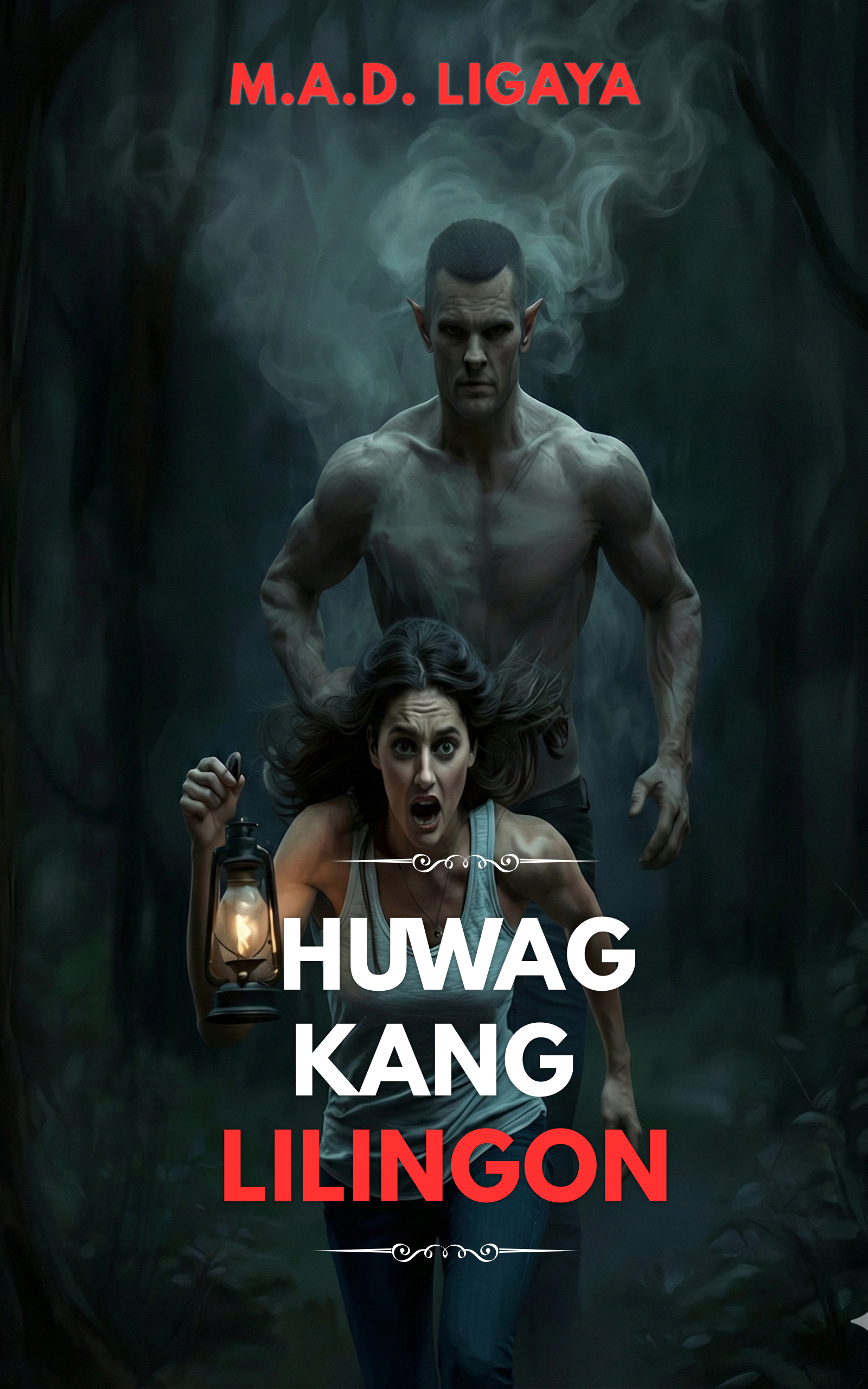
Chapter 6B
“Sa Gitna Ng Libingan”
Kasunod nito ang mga alulong at ungol—ang mga sigaw ng mga Sutsot ay nagiging mga boses ng mga taong kilala at malapit sa amin: ang aming mga ina, ama, kapatid… kaybigan. Kopyang-kopya ng mga Sutsot ang boses ng mga mahal namin sa buhay. Lubos man ang pananabik namin sa kanila ay hindi kami puwedeng lumingon.
Habang naglalakad kami, ang mga Sutsot ay sumusunod—nakadapo sa mga sanga, tumatawid sa mga tulay na baging. Nasusulyapan ko sila kapag bahagya kong itinitagilid ang aking mata sa kaliwa’t kanan. Isang bagay ang napansin ko. Ang madalas gayahin ng mga Sutsot ay ang boses ni Adam.
“Sa awa ng Diyos, makikita ko uli ang kapatid ko,” deklara ni Tomas.
Tomas, naniniwala ka ba talaga na may Diyos?—boses iyong ng tatay ni Tomas.
Hindi na sumagot si Tomas. Tanging ang tunog ng nagngangalit niyang ngipin ang aking narinig.
Talaga lang ha. Hindi ka sumasagot. Kunwari cool na cool ka lang. Pero ramdam ko ang galit at panggigil mo. Sige Tomas. Kailan mo naramdaman na ang Diyos ay tunay na gumagabay at nagmamahal sa’yo?
Napaisip ako, ganoon din maraghil ang mga kasama ko. Ang tanong na iyon ay hindi lang para kay Tomas. Ito’y tanong para sa aming lahat.Sinusubok ang aming pananampalataya.
Naniniwala pa ba kami sa Diyos?
Sasabihin ko ito sa inyo, mga tao ulol… Sa tingin niyo ba ay maililigtas kayo ng inyong Diyos? Wala Siyang pakialam sa inyo. Iyan ang dahilan kung bakit ang bawat taong tumapak sa islang ito ay hindi na nakabalik, sa loob ng daan-daang taon. Kahit isa. Tingnan ninyo… pinabayaan na kayo ng inyong Diyos. Hinayaan Niya kayong maging pagkain namin. Thank you, Lord… Thank you, Lord.
Ang boses na iyon mula sa isang Sutsot ay iba. Ito’y kakaiba. Hindi boses ng isang tao. Boses iyong ng nilalang na galing sa impyerno.
AMMMEEENNNN… AMMEEENNNN
Parang tinutuya ng mga demonyo ang pananampalataya ng mg Kristyano. Sinundan iyong ng mga tawang at hiyawan. Tinakpan ko ang aking mga tenga, pero tumatagos ang kabastatusang ginagawa ng mga halimaw..
Ang Diyos ninyo ay nandoon at kampanteng nakaupo sa kanyang trono, kasama ang Anak at ang Espiritu Santo, nanonood sa inyong pagdurusa. Wala silang pakialam. Naniniwala ba kayo na tutulungan nila kayo?
YES JESUS… YES JESUS…
Kumakapit kayo sa walang kwentang pag-asa. Walang kapangyarihan ang inyong Diyos, nakabahag ang buntot.
Ang huling boses na iyon—kay Adam.
“Nakakatawa kang demonyo ka. Walang kapangyarihan ang Diyos? Eh kaya nga kayo naitapon dito sa lupa dahil hindi kayo nagtagumpay labas sa kanya.” Wika ni Jasmine.
Wow, ipanagtatangol mo ang Diyos… nakaka-touch naman. Mas kinakampihan mo ang Diyos kaysa akin na kapatind mo… ha..
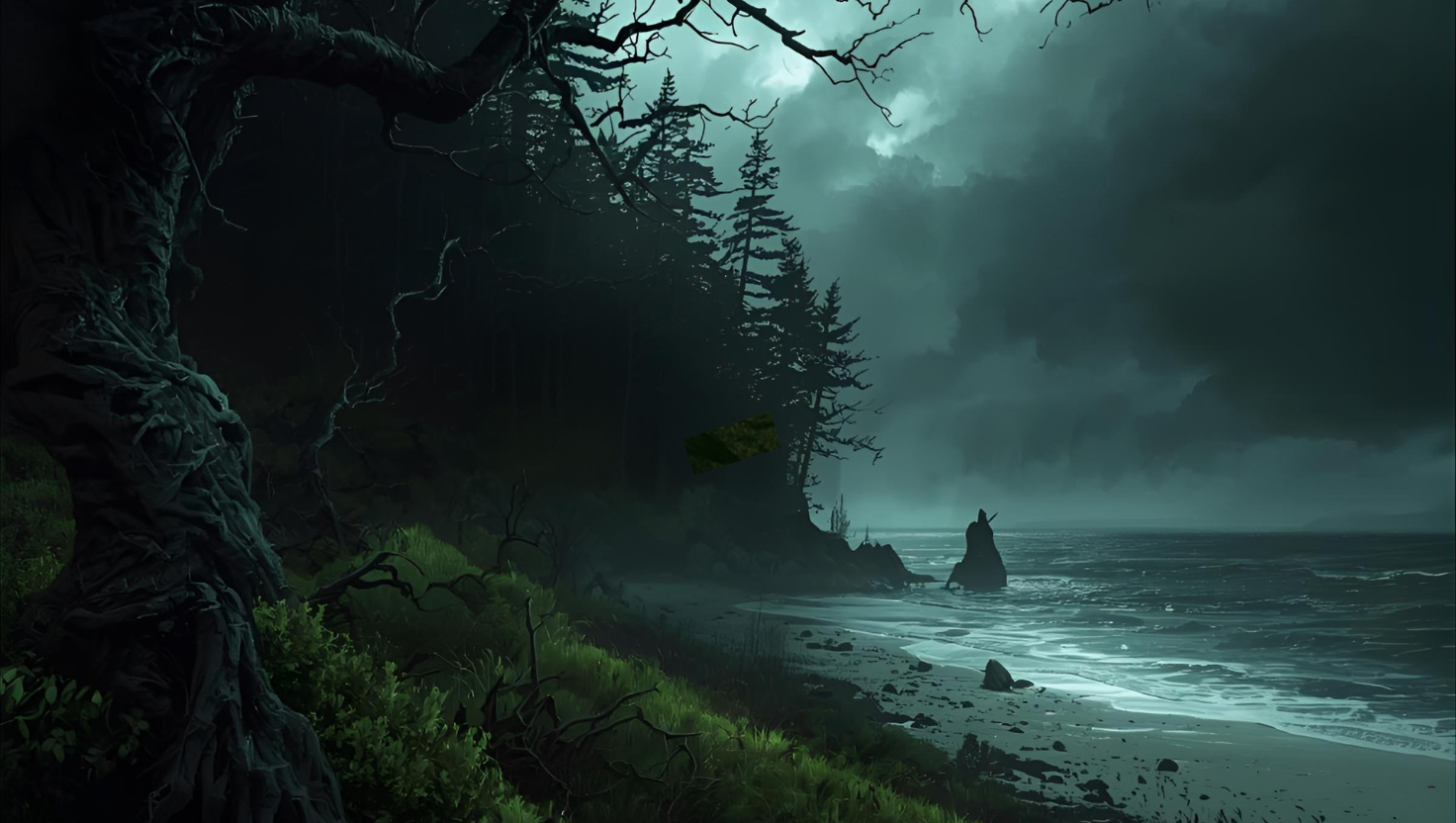
Hinigpitan ni Jasmine ang hawak sa kanyang rosaryo. Pumikit siya. Taimtim ang ginagawang panalangin
Sige, magdasal ka pa, ang sigaw ng isang pang Sutsot, ginagaya ang boses ng ina ni Daniel. Sa tingin mo ba ay maililigtas ka ng mga dasal mo? Bingi ang Diyos mo. Nag-aaksaya ka lang ng oras.
Sumama ako sa pagdarasal ni Jasmine.
Tingnan niyo si Willy, nagdadasal, patuloy nito, ang pinanggagalingan ng boses ay napakalapit lang sa akin. Sabihin mo sa akin, Willy—ilang dasal na ba ang sinagot ng Diyos mo? Nagkabati ba ang mga magulang mo matapos ang lahat ng gabing nakiusap ka para sa kapayapaan sa bahay niyo?
YES JESUS… YES JESUS
Pinigilan ba ng mga dasal mo ang pagkamatay ng kapatid mo sa liver cancer? At paano naman si Eve? Ipinagdasal mo rin ang pag-ibig niya, ‘di ba? Sabihin mo sa akin—nakikinig ba ang Langit noon?
Ang tawa ng Sutsot ay naging isang paos na hiyaw.
Bingi ang Diyos mo. At sino ka ba, Willy, para pagbigyan Niya?
AMMMEEENNNN… AMMEEENNNN
“Pati ba naman ang mga iyon eh alam din ng mga demonyong iyan ha Jasmine?” Ang tanong ko.
“Natatandaan mo pa ba ang sinabi ko kagabi?” Ang tanong ni Jasmine. “Dating anghel ang mga iyan bago sila naging demonyo. Taglay nila ang ilang kapangyarihan na taglay ng mga anghel. Kapag nakita na nila ang tao ay nalalaman nila ang mga kinikimkim mong sama ng loob, ang mga kabiguan mo sa buhay, at ang mga itinatago mong kasalanan.”
Tumigil sandali si Jasmine. Tumingin sa akin. “Sa isang tingin lang ay parang isang aklat na nababasa nila ang nakaraan ng isang tao. Pero nang itapon sila mula sa langit, nawala sa kanila ang isang kakayahan makita ang darating pa lang.”
Biglang muling nag-ingay ang mga Sutsot.. Pakiramdam ko ay nasa mismong itaas lang ng nilalalakaran namin.
“HAYOP KAYO!”
Sumigaw si Daniel at iwinasiwas ang hawak niyang pamalo sa mga tulay na baging nang buong lakas.
Napatingala si Daniel sa pinaghagisan ng hawak niyang pamala.
Naganap ang lahat sa isang iglap. Isang guhit ng itim na usok ang bumulusok pababa, diretso sa kanyang mata.
Pagkatapos ay bumagsak si Daniel. Ang kanyang katawan ay nangingisay; ang kanyang mga paa’t kamay ay pumipitlag sa lupa. Tumirik ang kanyang mga mata, at isang paos na ungol ang kumawala sa kanyang lalamunan—isang tunog na hindi nagmula sa tao.
Hindi namin malaman kung ano ang gagawin. Nalito kami sa bilis ng mga pangyayari.
“Laban, Daniel! Huwag mong hayaang maagaw ang katawan mo!” sigaw ni Jasmine, puno ng desperasyon.
Sinubukan ni Tomas na hawakan ang mga binti ni Daniel, pero kalaunan ay ay nasipa siya at gumulong sa tabi ko. Biglang tumayo si Daniel, ang mga mata ay dilat at ligaw. Sinasabunutan niya ang kanyang sarili, sinasampal ang kanyang mukha, at hinahampas ang hangin.
“Lumabas ka sa katawan ko! Lumabas ka!” sigaw ni Daniel, hirap na hirap.
Umiikot siya nang mabilis, ang kanyang katawan ay naging isang ipo-ipo.
Lumabas ka—akin na ang katawang ito! Boses iyon ng nanay ni Daniel. Ang katawang ito ay galing sa aking sinapupunan. Ibalik mo ito sa akin!
Bumagsak si Daniel, nangingisay sa lupa. Sa itaas namin, ang mga demonyo ay tumitili at tumatawa. Tuwang-tuwa silang pagmasdan ang paghihirap ni Daniel.
Pinilit ni Daniel na tumayo. “Tomas… patayin mo na ako. Please… tapusin mo na.”
Lalong lumakas ang tili ng mga Sutsot. Nakakarinding pakinggan ang ingay na likha nila.
“Sorry…” hingal ni Daniel. “Hinayaan kong kainin ako ng galit ko… nawalan ako ng kontrol.”
Pagkatapos ay naging tahimik siya. Sobrang tahimik.
Isang sandali pa, nakita ko ang isang malaking usok—parang usok ng sigarilyo—na lumabas sa kanyang mga mata. Iyon marahil ang kaluluwa niya.
Isang ngisi ang gumuhit sa mukha ni Daniel—hungkag, hindi natural. Umagos ang dugo mula sa kanyang mga mata. Dahan-dahan, ang laman sa paligid nito ay nagsimulang lumubog at matunaw, tila ba may kumakain sa mga ito mula sa loob.
Nakakasuka ang naririnig kong ingay mula sa katawan ni Daniel. Parang may napupunit na laman, parang may ginigiling na karne. Ang hungkag na mga hukay ng mata ay nakatitig sa akin. Ang katawan ni Daniel ay nanginginig, ang mga labi ay gumagalaw sa isang piping sigaw, habang ang bagay sa loob niya ay nagpapakasasa nang walang awa.
“Wala na si Daniel. Nakuha na ang katawan niya,” bulong ni Jasmine, garalgal ang boses.
Kaibigan ko siya. Sa isang iglap, nakita ko ang totoong Daniel sa likod ng mga nagdurugong matang iyon—nagsusumamo na palayain siya.
Nang walang kamukat-mukat , si Daniel—o ang bagay sa loob niya—ay sumugod sa akin. Ayaw gumalaw ng mga binti ko. Maging ang paghinga ay parang nakalimutan ko. Hindi halimaw ang nakita kong pasugod sa akin—kundi isang kaibigan na humihiling ng yakap.
Isang putok ng baril ang umalingawngaw. Bumagsak ang katawan ni Daniel, berdeng likido , hindi dugo, ang lumalabas sa sugat sa kanyang sentido. Agad siyang nilapitan ni Jasmine, itinusok ang kanyang kutsilyo sa dibdib nito.
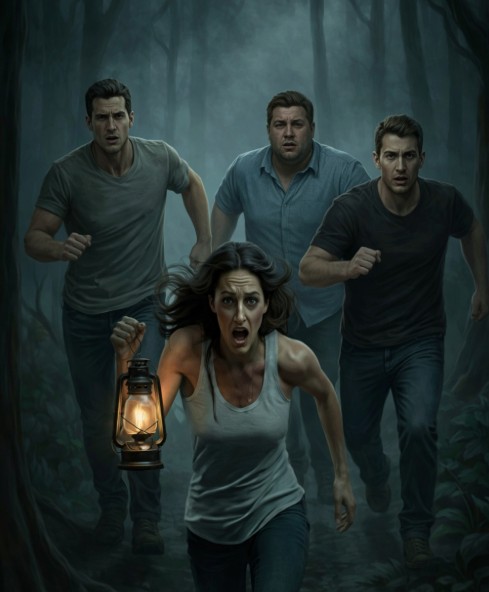
Isa pang putok pa ang umalingawngaw. Si Tomas, habang nakapikit ang mga mata, ay nagpaputok pataas sa direksyon ng mga Suksok. Naghiyawan ang mga Sutsot. Isang bagay ang bumagsak sa mga sanga at umatras sa likuran ng mga puno.
Muling naghari ang katahimikan. Lumuhod si Tomas sa harap ng wala nang buhay na katawan ni Daniel. Patuloy ang pag-agos ng berdeng likido mula sa mga sugat. Sa sandaling iyon, naging malinaw: wala na si Daniel, at wala na rin ang Sitsit na kumuha sa kanyang katawan.
“Sorry, bro… sorry, bro,” paulit-ulit na sinsabi ni Tomas, umaagos ang luha sa kanyang mukha.
Ipinatong ko ang aking kamay sa balikat ni Tomas. “Bro, wala na tayong magagawa. Tapos na.”
Sandaling walang kumilos sa amin. Ang mundo ay tila lumiit sa bahagi ng lupang kumandong sa bangkay ni Daniel. Ang kanyang pagkawala ay tila isang bigat na hindi namin kayang buhatin. Ang isiping kasama pa namin siya ilang minuto lang ang nakalipas—tumatawa, nakikipagtalo, buhay—ay mas masakit pa sa anumang sugat. Ang pighati ay nanuot sa aming mga buto, habang ang isla mismo ay tila nagluluksa kasama namin.
At sa dulo ng isip ko, isang boses ang narinig—malalim, malayo, hindi maiiwasan.
Ang babala ni Kharon.
“Isa sa inyo ang mabubuhay para ibahagi ang kuwentong ito. Ang iba’y magiging plamuti sa kuwento.”
Naramdaman ko iyon—hindi bilang isang hula, kundi bilang isang katotohanang nagsisimula nang mabuo.
*****
Nanginginig na nagsimulang maghukay si Tomas gamit ang kanyang mga kamay. Alam ko ang ginagawa niya. Humahagulgol siya, at lumuhod kami sa tabi niya para tumulong. Huling beses ko siyang nakitang umiyak nang ganoon ay noong namatay ang tatay niya.
“Kasalanan ko ang lahat ng ‘to. Hindi ko sana kayo hinayaang sumama. Anong sasabihin ko sa nanay ni Daniel? Paano ko ipapaliwanag ‘to sa kanya?”
“Hindi na bata si Daniel. Isang matanda na siya na gumawa ng sariling desisyon,” sabi ni Jasmine.
“Kahit na. Idinamay ko ang mga kaibigan ko sa kamalasan ko. Isa sa kanila ang namatay dahil dito.”
“Kusang loob ang pagsama namin sa iyo. Hindi na kami mga bata. At kahit ayaw mo pa, magpupumilit kaming sasama. Hindi ka namin puwedent pabayaan.”
Sandaling hindi kami gumalaw. Tatlong taong pinagbuklod ng pagkawala, dumi sa ilalim ng kuko, dugo sa mga kamay, at pighating hindi kayang sukatin.
Pero hindi hinintay ng isla na matapos ang aming pagdadalamhati. Muling gumalaw ang gubat, ipinapaalala sa amin na ang kamatayan ni Daniel ay simula pa lamang.
Mababaw lang ang hukay pero malalim ang pighating nararamdaman namin sa pagkawala ng am ing kaybigan. Inangat ni Jasmine ang kanyang kutsilyo, nag-atubili lang ng isang saglit bago pinutol ang ulo ni Daniel.
“Sorry,” bulong niya. “Kailangang gawin ‘to.”
Naintindihan naming dalawa ni Tomas. Tumalikod siya, at ipinikit ko ang aking mga mata. Nang matapos si Jasmine, tinabunan namin ang katawan ni Daniel ng lupa at bato. Iyon ang ikalawang libingang hinukay namin sa araw na iyon.
Namayani ang katahimikan. Ang hamog ay parang balumbon ng kalungkutan na bumalot sa amin.
Inilibing namin si Daniel, pero pakiramdam ko ay naghuhukay din kami ng libingan para sa aming sarili. Ngunit sa gitna ng aming pagdadalamhati ay hindi namin puwedeng kalomutan na si Eve ang nasa isla at nahaharap sa matinding panganib. Hindi kami pwedeng huminto. At alam kong hindi rin titigil si Jasmine hangga’t hindi niya nahanap ang kanyang kapatid.
Hinawakan ko sa balikat si Tomas. “Kailangan nating hanapin si Eve habang may oras pa. Hinihintay niya tayo.”
Hindi na ako nag-atubiling malaman pa ni Tomas na katulad niya, gusto-gusto ko ring mahanap at tiyakin ang kaligtasan ni Eve. Mahalaga sa akin si Eve. Handa akong suungin ang ano mang panganib para sa kanya.
Sa gitna ng mga pagsubok at panganib na aming pinagdaanan at ang nakakalungkot na pagkawala ni Daniel, nalusaw na ang ano mang takot ko at pagaalinlangan. Tila ang mga ito’y sumama sa hukay ng aming kaybigan
At dito, kung saan ang kamatayan ay nasa likod lang namin, wala talagang puwang ang takot at pag-aalinlangan. .
Bago kami nagpatuloy, kinuha ko ang backpack ni Daniel. Tinignan ko ang laman nito. Nandoon ang kanyang lighter at ang inipon niyang gaas at mga mitsa ng mga gasera.
Ipinagpatuloy namin ang paglalakad sa gubat. Tatlo na lamang kami. Sa paglalakad namin ay aming tiniyak na hindi kami mabubulaga kapag biglaang sumalakay ng mga Sutsot. .
Criminal ka, Tomas. Pinatay mo ang sarili mong kaibigan, panunukso ng isang boses, perpektong ginagaya ang boses ni Adam.
Wala kang puso, Tomas. Kinuha mo ang buhay ng anak ko. Pagbabayaran mo ‘to, sabat ng isa pang boses—boses ngy nanay ni Daniel, puno ng galit at pighati.
Itinaas ni Tomas ang kanyang baril sa mga anino.
“Mga ulol!” sigaw niya. “Kapwa ninyo halimaw ang pinatay ko, hindi ang kaibigan namin! Kayo ang kumuha sa buhay ni Daniel. Magpakita kayo! Harapin niyo ako!”
Matapang ka lang dahil may baril ka. Pero tandaan mo, darating ang oras na mauubusan ka ng bala. At kapag nangyari ‘yun, humanda ka—dahil tayo na lang dalawa ang maghaharap.
Iba ang tono sa pagkakataong ito—hindi panggagaya. Iyon ang boses ng demonyong nagsalita noon. Maaaring si Berith nga iyon.
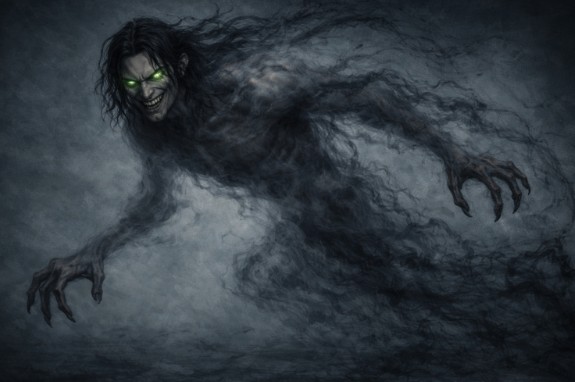
“Malakas ang loob mo dahil tao lang ako!” sigaw ni Tomas. “Pero ikaw—isinumpang anghel—kaya mo bang lumaban nang walang kapangyarihan? Nang hindi nagnanakaw ng katawan ng tao? Kaya mo bang lumaban nang patas?”
Isang nakakabinging atungal nanaman ang tumagos at dumurog sa mga puno, yumayanig sa lupa. Isa pa ang sumunod—mas matindi. Napakalapit lang nila sa amin.
At inihanda ko ang sarili ko sa koro ng mga tili at hiyaw na siguradong susunod.
At, dumating nga ito. Mas malakas. Mas nakakabingi.
Mag-ingat ka sa mga hinihiling mo, babala ng boses na kinopya is Adam.
Kung ang mga demonyong ito ay may pinuno nga, siguradong ang nanggagaya sa boses ni Adam iyon.
“Tatlo na lang ang silver bullets ko,” bulong ni Tomas.
“Kunin mo ang patalim ko kung kailangan.” sabi ni Jasmine.
Pero tumanggi si Tomas. “Huwag. Kailangan mo ‘yan. May mga bala pa naman ako.”
“Apat na sa mga kasama ni Eve ang nakita nating patay. Isa na lang, maliban kay Eve, ang posibleng buhay pa,” paalala ko sa grupo.
“Buhay o sinaniban!” balik ni Jasmine, nagngangalit ang mga ngipin sa panggigil habang hinihigpitan ang hawak sa kanyan patalim.
Muling pumasok si Eve sa isip ko—ang kanyang mukha, boses, ang paraan ng kanyang pagtawa. Paano kung nakuha na ng mga demonyo ang katawan niya?
Pilit kong iwinaksi ang isiping iyon. Hindi ko hinayaang kainin ako ng inisip kong iyon. Kaylangang manalig akong buhay at ligtas si Eve.
“At huwag mong kalilimutan ang kapatid mo,” mahina kong dagdag. “Tatlo pa sila. Maliban na lang kung ang bangkay na nilalapa ng mga lobo kanina ay isa sa mga kaibigan ni Eve… kung wala nang ibang nakarating dito sa isla bago sila.”
Ang mga demonyo ay patuloy na sinusubukang patingalain kami, umaasang mawala ang aming atensyon sa panganib.
Ang mga puno sa paligid namin ay nagsimulang kumaunti. Ang mga tulay na baging sa itaas ay naglaho na rin. Ang damo sa paanan namin ay napalitan ng baku-bakong batuhan.
Pagkatapos, sa isang hindi inaasahang pagkakataon, ang mga Sutsot ay tila umatras na, hindi na kami hinahabol. Bakit hindi nila kami sinundan sa bahaging ito ng gubat ay isang palaisipan. Para bang off-limits ito sa kanila. Pero imposible.
Pero bakit nga kaya? Marahil gusto lang nilang maging kampante kami nang sa gayon mas madali nila kaming talunin.
Ano man ang dahilan nila ay mahirap hulaan. Basta handa kami kung ano man ang susunod nilang gawin.
Chapter 7
“Sa Muling Pagtatagpo”
(Scheduled posting: 01 -17 -26)
Huwag Kang Lilingon
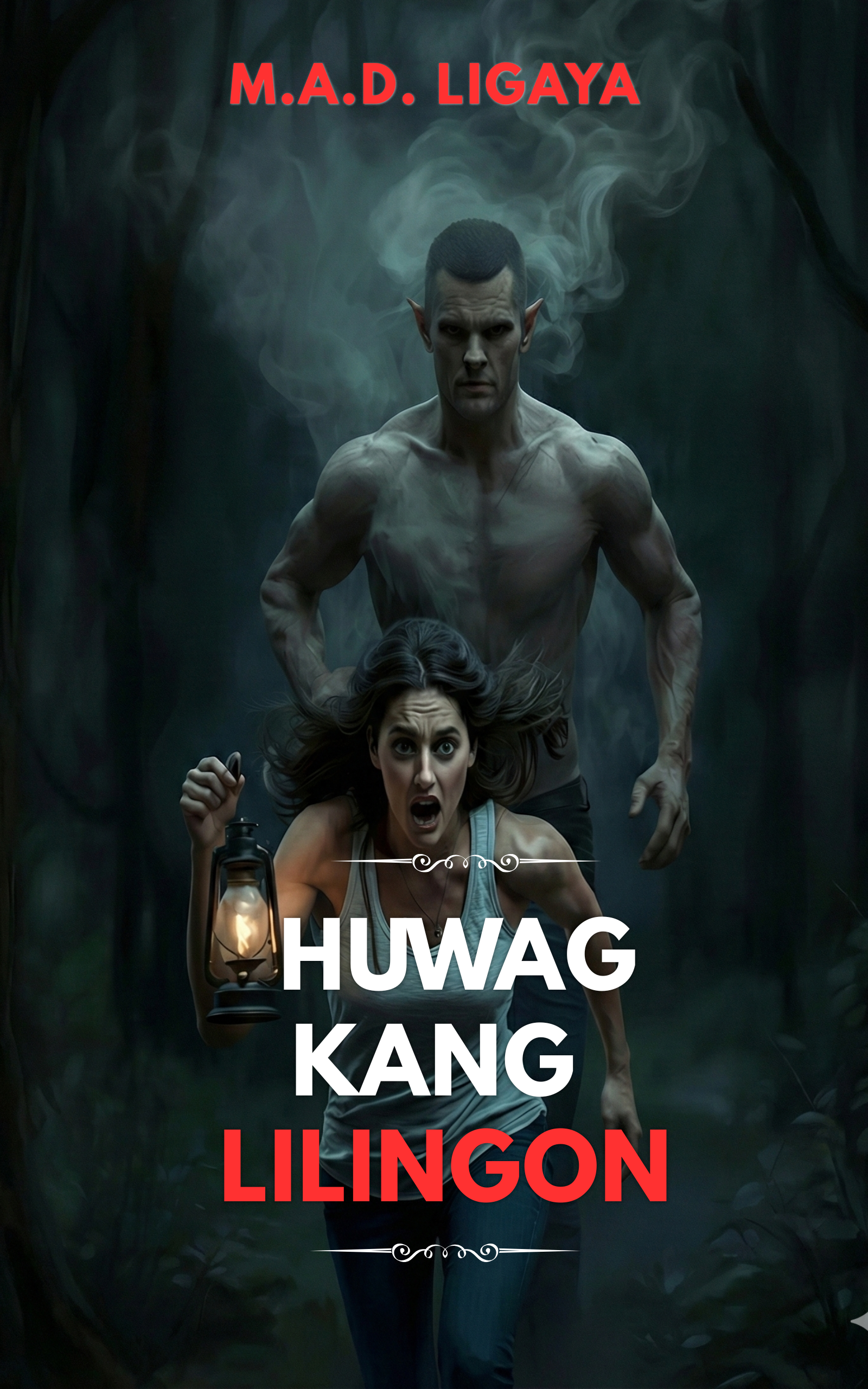
(Maikling Nobela – Horror)
“Fear is a predator that lives inside us.”
– MAD Ligaya –
**********
Kapag naglalakad kang mag-isa sa gubat, sa isang madilim na eskinita, o sa likod ng bahay ninyo at may pumaswit sa iyo eh huwag kang lilingon. Baka kasi ang nasa likuran mo’y isang uri ng halimaw na kung tawagin ay SUTSOT. Ano man ang mangyari eh magpatuloy ka lang maglakad at huwag na huwag kang lilingon. Mas makakabuti sa iyo kung tatakbo ka… mabilis na mabilis. Kung naniniwala ka sa Diyos eh magdasal ka na rin. Ano man ang sabihin nila eh huwag na huwag kang lilingon. Gagayahin nila ang boses ng nanay, tatay, o sino man sa mga mahal mo sa buhay. Kaya rin nilang gayahin ang kahol ng iyong aso o ngiyaw ng iyong pusa . Ano man ang gawin nilang pambubuyo eh huwag na huwag kang lilingon. Hindi ka nila gagalawin… sasaktan… kakainin… kung hindi mo ibabaling sa likuran ang iyong tingin.
Chapter 1 – Sa Pinagmulang Dalampasigan
Chapter 2 – Kung Saan Nananahan Ang Takot
Chapter 3 – Sa Balumbon Ng Kawalang-katiyakan
Chapter 4 – Ang Paglusong Sa Kadiliman
Chapter 5 – Bulong Mula Sa Kawalang
Chapter 6 – Sa Gitna Ng Libingan
Chapter 7 – Sa Muling Pagtatagpo
Chapter 8 – Sa Ningas Ng Paghihiganti
Chapter 9 – Ang Pagbubunyag
Chapter 10 – Ang Tungalian
Chapter 11 – Kabuntot Na Anino
**********
This short novel has been translated into English and published through Amazon.
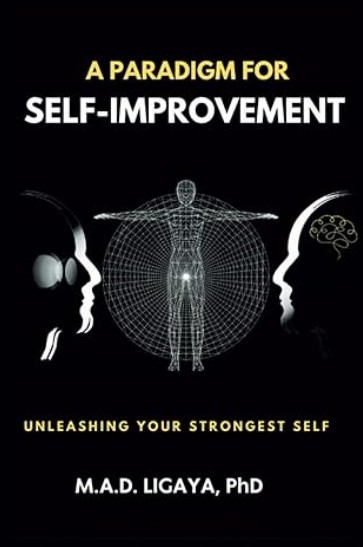
Foreword to My Book on Self-Improvement
Aside from the values of faith and self-belief my mother instilled in me, one key element of personal growth and development that was embedded in me long before I joined the self-improvement bandwagon was lifelong learning. My parents taught my siblings and me the value of education, the importance of learning new things and skills, and the need to always strive to be the best and strongest we could be to fulfill our dreams and ambitions.
I believed them to the point that when I had already acquired the degrees I wanted, I looked for a new jar of knowledge where I could dip my fingers. I pushed it further when I realized I had been doing much to improve my health and acquire new skills. I decided to focus on personal growth and development.
At first, my affair with self-improvement was just a fling. I thought it was enough that I read self-help books. However, I was not satisfied. I thought adding positive thinking to my faith, self-belief, and lifelong learning was enough. I was wrong. I wanted more.
Then, the unexpected happened. My romance with self-improvement took a serious turn after I watched a film entitled “The Secret.” I saw the movie’s DVD by accident. The store owner mixed it with other genres of film. When I bought it, I had no idea what it was. There was no synopsis or a brief note explaining anything about it. That was it. Everything was what the title suggests—SECRET.
I wondered whether it was a mystery-thriller or a sci-fi movie. When I played it, I discovered it was a “self-help” film—technically a documentary.
I must admit that I initially considered the ideas presented to be preposterous. Things
from the beginning of the film, what I saw and heard seemed lifted straight from the pages of a science fiction book, but they also tickled my curiosity, perhaps because I love science fiction.
I continued watching, tried to be open-minded, and considered the information in the film as tips for personality development. I have always considered anything that advocates positive change worth my time and effort. I watched it a second time and rewatched some interesting segments a few more. After that, I began applying the valuable tips I had learned from the movie. I even shared the ideas I discovered with my students whenever I saw a connection to the topic’s content.
Then I decided to do an Internet search for one of the speakers, the one who spoke first in the movie – Bob Proctor. That Internet search led me to his motivational videos on YouTube and links to information and videos of other motivational speakers such as Jim Rohn, Wayne Dyer, Les Brown, Joe Dispenza, John Assaraf, Brendon Burchard, Brian Tracy, Zig Ziglar, Tony Robbins, Simon Sinek, Tom Bilyeu, John Maxwell, Jordan Peterson, Jay Shetty, Andrew Huberman and Mel Robbins. I heard them mention Napoleon Hill, Earl Nightingale, and Earl Shoaff, which led me to find them online.
They were all my professors at VU (Virtual University). I religiously watched the videos they posted on their social media platforms, and they taught me well. I consider them my mentors in personal growth and development. Through them, I learned much about constructs related to self-improvement and Positive Psychology—goal-setting, planning, decision-making, time management, well-being, mindset, personal accountability, lifelong learning, good thinking, positive thinking, self-discipline, and more.
I consider them my mentors. They taught me valuable lessons I never learned in school. Thanks to them, I realized that in striving to be the best I can be, as my parents instructed, there are attitudes and beliefs I must pursue and possess, skills and abilities I must learn and acquire, and practices
and activities I must carry out and perform. I realized how essential they are for achieving one’s full potential and becoming the best.
Seeing how personal growth and development have benefited me personally and professionally, and recognizing that, as a teacher, I can help my students and influence my loved ones and dear friends to experience the same, I have embraced self-improvement as an act of advocacy. I am committed to promoting it. There may be those my mentors from VU could not reach, but whom I may be able to. I strive to do so in my humble ways.
To the best of my ability, I aim to plant seeds of motivation and inspiration in others, encouraging them to recognize their potential and embrace the transformative power of self-improvement. I believe that each interaction, no matter how small, has the potential to spark a profound change in someone’s life. Whether through teaching, writing, or engaging in meaningful conversations, I see every opportunity as a chance to leave a positive imprint on those I encounter.
In doing so, I am trying to carry forward the legacy of my mentors, whose wisdom and guidance have shaped my journey. Their influence reminds me that advocacy is not confined to grand gestures but is often reflected in our quiet, consistent efforts to uplift those around us.
My mission is to reach individuals who may feel unseen or undervalued and empower them to believe in their capacity to grow and succeed.
In my classes, I actively seek opportunities to instill the value of striving to improve. I do the same in informal discussions with friends, loved ones, and sometimes strangers. Whenever I have the chance to discuss self-improvement, I seize it without hesitation.
My approach is grounded in the belief that the desire to grow and evolve is universal, and all it often takes is a spark—a meaningful word, a shared experience, or a heartfelt conversation—to ignite that desire in someone.
It reminds me of how those simple compliments from a couple of teachers in high school inspired me to study harder.
I also write essays on personal growth and development, which I post on my websites and social media accounts. When I realized how much I had already written on the subject, the idea of writing a self-improvement book emerged. I decided to compile and interconnect everything I had written about personal growth and development into a book.
My motivation for writing this book is clear: I want to offer a guide that could help readers like you achieve their full potential, be the best and strongest version of themselves, and attain fulfillment by achieving what they desire. I also had my students in mind when I began working on this book. I hope they and other young people like them will read this book like you.
It is not luck or chance that gets you to the fulfillment of dreams and desires—it is learning the right strategies and applying the focus, determination, and passion you need to pursue your personal and professional endeavors. The future is yours to take.
My book is divided into three parts, each focusing on different aspects of self-improvement. In Part I, I discuss beliefs and attitudes; in Part II, I cover skills and abilities; and in Part III, I examine practices and activities.
I collectively refer to beliefs and attitudes as a value system, skills and abilities as a competence framework, and practices and activities as a habit scheme.
The world needs people willing to rise to their full potential, lead purposefully, and contribute to something greater. I believe you are one of those people.
As you read through the following pages, I hope you will find the encouragement, insight, and tools you need to take the next step in your journey. My goal is to inspire you to view your personal and professional goals not as impossible dreams, but as inevitable outcomes that await your dogged determination to succeed.
This book is both a reflection of my journey and an invitation to join me on the path to unlocking the greatness within you. I do not feel like I am already the best version of myself. Thus, my journey towards unlocking my full potential has not ended yet. If you have not started with yours, now is the time to begin.
—–
This foreword is only the beginning. If you wish to go deeper into the ideas shared here, my book on self-improvement is available on Amazon. May it serve as a companion in your own journey.
 M.A.D. LIGAYA

 M.A.D. L I G A Y A