Category Archives: Philippine History
If The Philippines Were A House
(When the pillars of democracy are broken…)

For years, I stayed away from political writing. The arena felt toxic, exhausting, and at odds with the culture of positivity I’ve been promoting through my self-improvement advocacy. I even avoided crafting satirical poems that confronted human folly through anthropomorphism. But silence eventually stops being a restraint; it becomes complicity. And seeing what my country has been going through, I knew I couldn’t stay silent any longer.
And so, in recent months, I have been writing about the socio-political upheavals in the Philippines, sharing my thoughts on social media and on my website (madligaya.com). The responses flooded in, and as I replied to them, I realized that I had inadvertently answered two painful questions haunting many Filipinos today:
“Is the Philippines really a democracy? ”
and
“Why is the Philippines down on her knees? ”
In my most recent commentary, I asked why religious and civic organizations are inconsistent in their call for accountability. They demand action yet refuse to urge officials to step down. Don’t tell me they don’t know who is most responsible for the biggest daylight robbery of the national coffers—who orchestrated it, who consented to it, and who deliberately turned a blind eye as it happened. And certainly don’t tell me they don’t understand why, when one of those who colluded realized their scheme was about to explode in their faces, he suddenly played both Judas and Pilate—betraying the plot, then washing his hands as if he were never part of it. Only those born yesterday would fail to see that this is exactly what happened.
A friend argued that these organizations actually know the truth. Their dilemma, he said, is that they are choosing between what they perceive as a “weak” leadership and an alleged “power-hungry, iron-handed” leadership waiting in the wings.
I retorted, “By avoiding what they view as the ‘greater evil’ and the ‘lesser evil,’ they end up protecting both.”
The next part of my extended response to his comments led to the answer to the following question:
“Is the Philippines really a democracy? ”
Let me put it bluntly. The leader some people call “weak” is not weak. He is held firmly by the same oligarchs that the previous “iron-handed” president pushed out. Now that these oligarchs have reclaimed power, they will stop at nothing to keep their puppet in place. Power and wealth are their only ideology.
This is the tragedy: the Philippines is not functioning as a democracy. It is ruled by an oligarchy. Many Filipinos fail to see it—or choose not to. Religious and civic groups are not independent moral voices; many are influenced, funded, or even controlled by the same oligarchs.
These oligarchs (and their allies) are firmly embedded (either directly or by proxy) in all three branches of government—the Executive, Legislative, and Judiciary. They took turns in holding the reins of government.
Even our media, the so-called Fourth Estate, is owned by the oligarchs.
So who stands with the ordinary Filipino?
No one.
This provides an answer to the question, “Why is the Philippines down on her knees?”
Answer: The pillars of our democracy have already collapsed.

Ang mga haligi ng ating demokrasya ay giba na.
If the Philippines were a house, it would be crumbling—if not already in shambles.
Since only God knows when, members of the Executive and Legislative branches have been interested only in one thing: the cake—the national budget—and how to divide it among themselves. I cannot help but wonder how much of the money borrowed by past and present administrations truly benefited Filipinos… and how much went to fattening personal bank accounts.
My friend also pointed out that the 1987 Constitution was crafted by academicians, technocrats, and legal minds from wealthy and influential sectors—people who were once powerless under the dictator at that time, but who seized the opportunity after 1986 to control the government and its resources for their own interests.
To this, I replied:
“…and they were displaced when their bets in 2016 and 2022 lost. But when the person you call the ‘weak’ leader won in 2022, they realized they could manipulate him. That put them back in power. They will do everything to keep him in power and stop those who beat them in 2016 from coming back. Why? Because they would lose their grip on both power and the nation’s coffers.”
That is the real picture. Filipinos are sandwiched between the same old political forces that care not about nation-building but about controlling both power and purse.
Kahabag-habag ka, Juan! Kanino ka tatakbo?
Supreme Court? They had the chance to stop the 2025 National Budget fiasco. They were warned. What did they do? NOTHING. In one of my previous articles, I wrote this:
“The judicial branch of the government has constitutional authority to review actions of the legislative and executive branches, including the passage and implementation of the national budget, if these acts violate the Constitution. The Supreme Court had the opportunity to halt the implementation of a budget tainted by secrecy and excess. How? By issuing a temporary restraining order (TRO). They did not (am I right?). Instead, it looked away.”
Judicial silence, in times of moral crisis, is complicity dressed in robes.
The pillars of democracy have already collapsed—and not quietly. The Executive has been seized by oligarchs who pull the strings behind the curtains. The Legislature has turned its power into a marketplace, where national budgets are bartered like goods at an auction. The judiciary, which should have stood as the last upright pillar, now wavers at the very moments when justice demands a spine. Even the media, the so-called Fourth Estate, has been absorbed into the same circle of power, choosing survival over truth. What remains are not pillars, but ruins—and in those ruins, Juan is expected to believe he still lives in a functioning house.
This is not to say that every public servant, judge, legislator, soldier, or religious leader is corrupt. There are still individuals within these institutions who strive to uphold integrity, who resist the pressure to bow to oligarchic interests, and who try—quietly or courageously—to do what is right. But they are outnumbered, outpowered, and often sidelined. In a system where loyalty is rewarded more than honesty, the righteous become the exception, not the rule.
What about the military? What are they doing? Singing “Silent Night” hoping that bonuses are on their way for the Yuletide.
My friend argued, “The military cannot intervene lest they be accused of forming a fascist, Myanmar-style government, which armed leftists and Islamic secessionists would use as an excuse to return to the conflicts of the 60s and 70s.”
To this, I simply replied:
“Their silence is not neutrality. It is consent.”
Wala ka talagang matatakbuhan, Juan.
The church? You must be joking if you think it remains a refuge. Even the devil can wear a habit and hide behind a crucifix.
Kaya, Juan, dumiretso ka na lang sa Panginoon.
At ang iyong ikapu—gamitin mo na lang dagdag sa budget ng pamilya. Ibili mo na lang ng bigas.
And if Juan turns to the institutions outside government, he finds no refuge there either. The military, which should stand as the nation’s shield, has chosen the safety of silence over the burden of service. They watch the house collapse from the barracks, humming neutrality like a lullaby, even when neutrality has become another form of consent. The churches, meanwhile, have grown timid, compromised by political alliances and oligarchic benefactors. Many pulpits now echo carefully measured sermons—loud on morality, silent on injustice. Even the guardians of faith have learned to kneel before power, leaving Juan with no shepherds, only silhouettes wearing cassocks and collars.
The pillars of democracy are broken. Juan’s house has collapsed, and he is helplessly trapped.
At this point, Juan must understand the painful truth: no hero is coming. Not from Malacañang. Not from Congress. Not from the Supreme Court. Not from the barracks. Not from the pulpit. Not from the editors’ desks. The institutions meant to protect him now protect only themselves. And when a nation’s protectors abandon their duty, the people have only two choices — endure the injustice or confront it.
But if Juan remains silent, then he becomes exactly what the oligarchs expect him to be: obedient, afraid, and easy to rule. Democracy survives only when its citizens refuse to kneel. If the Philippines were a house, the pillars may be collapsing—but Juan still decides whether to rebuild or to live forever in the ruins.
What We Filipinos Ought To Realize (2)
(2nd of 4 parts)

We also need to exercise our right to vote seriously. Refusing to sell our votes is only the first step. It’s about time that we should also set certain standards that candidates should measure up to before we write their names on the ballot – standards that are over and beyond the qualifications set by our Constitution for candidates seeking a particular public office.
It’s time for us to realize also that some personalities are venturing into politics not because they want to serve the people but because they think that they are so popular and such popularity could easily catapult them into a public office. Power, like fame, is also addicting. Some of these famous people running for elective positions want to have both.
An interesting question to answer is, “How many showbiz and sports personalities holding public office now were elected not because they are both qualified and capable to lead but because they are popular?”
There are other questions that we need to answer as honestly as we should – “What did those actors, actresses, singers, TV personalities, basketball players, boxers, and other celebrities who used their popularity to win contribute to the improvement of the quality of life in the localities where they were elected?” Those among them who were lucky to become President, Vice President, Senators or Congressmen (or were given cabinet posts), did they contribute anything to national development?” “What good if any did their ‘star power’ bring to politics and governance in the Philippines?”
If all those seasoned and veteran politicians who have master’s and doctorate degrees in law, economics, political science, public administration, and business administration and have been in public service all their life could hardly move the needle forward on socio-economic development, what do we expect from showbiz, media, and sports personalities who suddenly turned into politicians only because they are immensely popular and that they know that Filipino voters could easily be deceived. Do they honestly think that the skills and knowledge needed to run a public office can be acquired by taking crash courses in leadership and management?
Sadly speaking, this is how politicians and celebrities-turned-politicians think of Filipino voters – they can not only be bought and but they are also unintelligent. Most of those running for public office consider the Filipino voters cheap and ignorant – cheap because they are willing to sell their votes for a small amount of cash and ignorant because they don’t know how to choose the right candidate for a position.
Choosing the most qualified and capable among sets of candidates is not rocket science. We can evaluate their qualifications corresponding to the position they are seeking. We can check their track record. We can hear them talk during the campaign period both in person and through any form of media. We can determine who among them are eloquent and could articulate their platform of government and who are dumb and merely banking on their popularity so they could get the support of unsuspecting voters or they have truckloads of money to buy votes. If we find those celebrities truly qualified, capable, and sincere in their desire to serve this country and they are the best among the candidates vying for an elective position, then we should vote for them. But if upon examination of their credentials and background you’ll find nothing but their popularity, you’ve got to make the right decision – vote for the most qualified.
We have to separate the wheat from the chaff. We need to exercise due diligence in distinguishing the qualified and capable candidates from the pretenders. Electing leaders unto whom we give the mandate to lead – unto whom we pin our hopes for a better nation – is not a game. Elections are not popularity contests.
Governance is a serious business and should be done on a full-time basis. One cannot be a public servant on a part-time basis who would attend to her/his duties and obligations only when there are no shooting sessions for movies and TV shows or there are no practices or games to play as athletes in any sport.
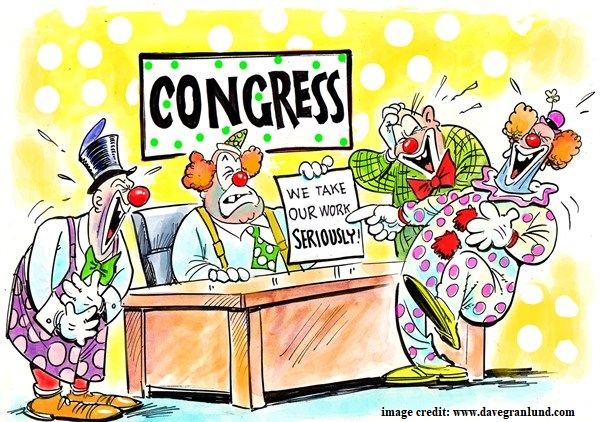
We should never entrust a public office to clowns.
What We Filipinos Ought To Realize (1)
(1st of 4 parts)

If we, Filipinos, think that our leaders by themselves could deliver us to the proverbial “promised land”, then we are gravely mistaken. If we think that among them is a messiah who could bring about the socio-political and economic reforms needed to make our country progressive and peaceful, then we are hallucinating.
It is not because nobody among them is qualified and capable to lead the Philippines to greatness. It’s just that nation-building doesn’t work the way we think it does – that it can be done single-handedly by whoever we elect as President.
That actually is one (probably the worst) of our major problems as people – the mindset that the leaders we elect have magic wands they can wave to solve all of society’s ills and all of our nation’s problems. This is the prevailing belief among Filipinos. We pin our hopes for a brighter future on our leaders. We expect them – the governors of our provinces, the mayors of our towns and cities, and the captains of our barangays to solve all of our problems. We expect them to weave their magic and cast their spell then when the smoke dissipates we suddenly live a better life. We, think of our congressmen and senators as witches and wizards who through their out-of-this-world powers could make our country a better place to live in. We think that our President is Ironman and the members of the cabinet as the rest of the Avengers who could slay all of our nation’s Thanoses. Well – they are not.
It’s time to wake up. We need to realize that those elected (and appointed) politicians and leaders manning the executive, legislative, and judicial branches of our government are not superheroes. They don’t have superpowers. They cannot solve all of the nation’s problems by themselves. They need our support as citizens. Each citizen – rich or poor, professional or not – has a role to play. Each of us should contribute to nation-building.
What can ordinary citizens do to help make the Philippines a better nation?
Let us begin by not selling our votes during elections.
We expect too much from our government yet we are not voting for the best and most qualified among those seeking public office during elections. Instead, most of us write in the ballot the names of the candidates who are willing to buy our votes.
Vote-buying is an open secret in our country. It is freaking rampant. It has seemingly become the norm. It’s making the electoral process lost its essence. Leaders are elected not on the strength of their qualifications, abilities, and platform of government but on the power of the money they are capable of paying each voter who would promise to cast their votes for them.
On the eve of an election day, bidding wars begin. Once candidates get the information that their political rivals offer a certain amount for each voter, they will likely double that. Starting price is usually P500. Then candidates will try to maneuver until the price becomes P1000 per vote. The desperate among the politicians would sometimes cough up P2000 (or even more) for each voter.
Would elected officials admit that they are guilty of vote-buying?Of course not. So, we could only wonder how many percent of our elected officials literally bought the positions they are currently occupying.
Stopping this culture of vote-buying and selling is difficult but it has to be done. One thing that we need to realize is that the leaders we put into office should have the moral ascendancy to lead. It is difficult, if not impossible, to look up to leaders whom we know cheated their way to their offices. They are not credible as leaders. We could not apply the principle of “public office is a public trust” when we know that the persons occupying public offices “bought” their mandate. These scheming politicians feel that the office they are occupying is their “private property” because they paid for it. They can do therefore as they please and their constituents cannot and (shouldn’t) complain because they have been paid.
Those who thought that they duped the politicians by taking the money they offered to them are wrong. They were so happy with that P500 (or P1000… make it P2000) which they received. Such amount is nothing as compared to the millions of pesos they will get when the politicians dip their dirty hands into the coffers of government. The money those politicians use to buy votes are considered an investment. Once they get elected, they would make sure that they will get the return of their investment… with the corresponding interest.
Then we complain about how our government is performing. What kind of performance would we expect from politicians to whom we awarded the mandate to lead not because they are qualified and capable but because they have the money to buy votes?
As Thomas Jefferson puts it, “The government you elect is the government you deserve.”
This is what every Filipino needs to realize. Suffrage is not just a right but a moral obligation as well. It’s not for sale. Don’t reason out that you’re selling your votes because someone’s buying. “It takes two to tango.” Both vote-buyers and vote-sellers are guilty of this wrongdoing.
Don’t expect the politicians to stop buying votes. They would never do that. Politicians will do everything to ensure they would get elected and have the power they crave so much to have. It is not public service they are thinking of when they ran for elective positions. Power, as they say, is addicting. They want it so badly and on top of that, they salivate so much for the accruing benefits and the opportunities that they would get once they are in position. And only those who were born yesterday don’t know what benefits and opportunities are those.
What Do Filipinos Need to Realize (2)
(Second in a Series)
We also need to exercise our right to vote seriously. Refusing to sell our votes is only the first step. It’s about time that we should also set certain standards that candidates should measure up to before we write their names in the ballot – standards that are over and beyond the qualifications set by our Constitution for candidates seeking a particular public office.
It’s time for us to realize also that some personalities are venturing into politics not because they want to serve the people but because they think that they are so popular and such popularity could easily catapult them into a public office. Fame, like power, is also addicting.
An interesting question to answer is, “How many showbiz and sports personalities holding public office now were elected not because they are both qualified and capable to lead but because they are popular?”
There are other questions that we need to answer as honestly as we should – “What did those actors, actresses, singers, TV personalities, basketball players, boxers, and other celebrities who used their popularity to win contribute to the improvement of the quality of life in the localities where they were elected?” Those among them who were lucky to become President, Vice President, Senators or Congressmen (or were given cabinet posts), did they contribute anything to national development?” “What good if any did their ‘star power’ bring to politics and governance in the Philippines?”
If all those seasoned and veteran politicians who have master’s and doctorate degrees in law, economics, political science, public administration, and business administration and have been in public service all their life could hardly move the needle forward on socio-economic development, what do we expect from showbiz, media, and sports personalities who suddenly turned into politicians only because they are immensely popular and that they know that Filipino voters could easily be deceived. Do they honestly think that the skills and knowledge needed to run a public office can be acquired by taking crash courses in leadership and management?
Sadly speaking, this is how politicians and celebrities-turned-politicians think of Filipino voters – they can not only be bought and but they are also unintelligent. Most of those running for public office consider the Filipino voters cheap and ignorant – cheap because they are willing to sell their votes for a small amount of cash and ignorant because they don’t know how to choose the right candidate for a position.
Choosing the most qualified and capable among sets of candidates is not a rocket science. We can evaluate their qualifications corresponding to the position they are seeking. We can check their track record. We can hear them talk during the campaign period both in person and through any form of media. We can determine who among them are eloquent and could articulate their platform of government and who are dumb and merely banking on their popularity so they could get the support of unsuspecting voters or they have truckloads of money to buy votes. If we find those celebrities truly qualified, capable, and sincere in their desire to serve this country and they are the best among the candidates vying for an elective position, then we should vote for them.
We have to separate the wheat from the chaff. We need to exercise due diligence in distinguishing the qualified and capable candidates from a pretenders. Electing leaders unto whom we give the mandate to lead – unto whom we pin our hopes for a better nation – is not a game. Elections are not popularity contests.
Governance is a serious business and should be done on a full-time basis. One cannot be a public servant on a part-time basis who would attend to her/his duties and obligations only when there are no shooting sessions for movies and TV shows or there are no practices or games to play as athletes in any sport.
We should never entrust a public office to clowns.
What Do Filipinos Need to Realize (1)
(1st of 4 parts)
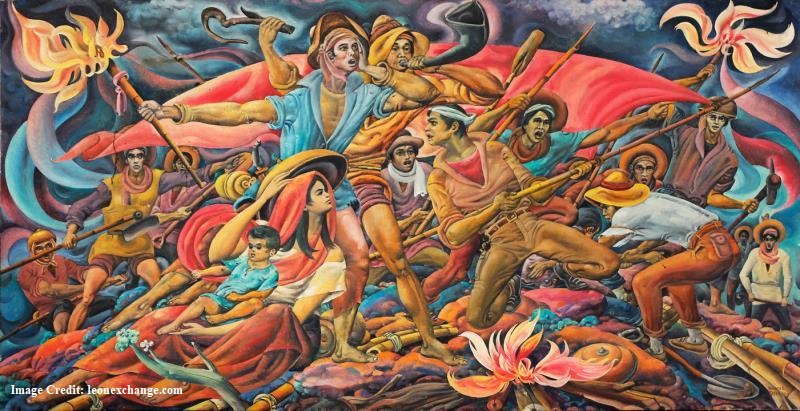
If we, Filipinos, think that our leaders by themselves could deliver us to the proverbial “promised land”, then we are gravely mistaken. If we think that among them is a messiah who could bring about the socio-political and economic reforms needed to make our country progressive and peaceful, then we are hallucinating.
It is not because nobody among them is qualified and capable to lead the Philippine to greatness. It’s just that nation-building doesn’t work the way we think it does – that it can be done single-handedly by whoever we elect as President.
That actually is one (probably the worst) of our major problems as people – the mindset that the leaders we elect have magic wands they can wave to solve all of society’s ills and all of our nation’s problems. This is the prevailing belief among Filipinos. We pin our hopes for a brighter future on our leaders. We expect them – the governors of our provinces, the mayors of our towns and cities, and the captains of our barangays to solve all of our problems. We expect them to weave their magic and cast their spell then when the smoke dissipates we suddenly live a better life. We, think of our congressmen and senators as witches and wizards who through their out-of-this-world powers could make our country a better place to live in. We think that our President is Ironman and the members of the cabinet as the rest of the Avengers who could slay all of our nation’s Thanoses. Well – they are not.
It’s time to wake-up. We need to realize that those elected (and appointed) politicians and leaders manning the executive, legislative, and judicial branches of our government are not superheroes. They don’t have superpowers. They cannot solve all of the nation’s problems by themselves. They need our support as citizens. Each citizen – rich or poor, professional or not – has a role to play. Each of us should contribute to nation-building.
What can ordinary citizens do to help make the Philippines a better nation?
Let us begin by not selling our votes during elections.
We expect too much from our government yet we are not voting for the best and most qualified among those seeking public office during elections. Instead, most of us write in the ballot the names of the candidates who are willing to buy our votes.
Vote-buying is an open secret in our country. It is freaking rampant. It has seemingly become the norm. It’s making the electoral process lost its essence. Leaders are elected not on the strength of their qualifications, abilities, and platform of government but on the power of the money they are capable of paying each voter who would promise to cast their votes for them.
On the eve of an election day, bidding wars begin. Once candidates get the information that their political rivals offer a certain amount for each voter, they will likely double that. Starting price is usually P500. Then candidates will try to maneuver until the price becomes P1000 per vote. The desperate among the politicians would sometimes coughed up P2000 (or even more) for each voter.
Would elected officials admit that they are guilty of vote-buying?Of course not. So, we could only wonder how many percent of our elected officials literally bought the positions they are currently occupying.
Stopping this culture of vote-buying and selling is difficult but it has to be done. One thing that we need to realize is that the leaders we put into office should have the moral ascendancy to lead. It is difficult, if not impossible, to look up to leaders whom we know cheated their way to their offices. They are not credible as leaders. We could not apply the principle of “public office is a public trust” when we know that the persons occupying public offices “bought” their mandate. These scheming politicians feel that the office they are occupying is their “private property” because they paid for it. They can do therefore as they please and their constituents cannot and (shouldn’t) complain because they have been paid.
Those who thought that they duped the politicians by taking the money they offered to them are wrong. They were so happy with that P500 (or P1000… make it P2000) which they received. Such amount is nothing as compared to the millions of pesos they will get when the politicians dip their dirty hands into the coffers of government. The money those politicians use to buy votes are considered an investment. Once they get elected, they would make sure that they will get the return of their investment… with the corresponding interest.
Then we complain about how our government is performing. What kind of performance would we expect from politicians to whom we awarded the mandate to lead not because they are qualified and capable but because they have the money to buy votes?
As Thomas Jefferson puts it, “The government you elect is the government you deserve.”
This is what every Filipino need to realize. Suffrage is not just a right but a moral obligation as well. It’s not for sale. Don’t reason out that you’re selling your votes because someone’s buying. “It takes two to tango.” Both vote-buyers and vote-sellers are guilty of this wrongdoing.
Don’t expect the politicians to stop buying votes. They would never do that. Politicians will do everything to ensure they would get elected and have the power they crave so much to have. It is not public service they are thinking of when they ran for elective positions. Power, as they say, is addicting. They want it so badly and on top of that, they salivate so much for the accruing benefits and the opportunities that they would get once they are in position. And only those who were born yesterday don’t know what benefits and opportunities are those.
Did America Save the Philippines From Spain?
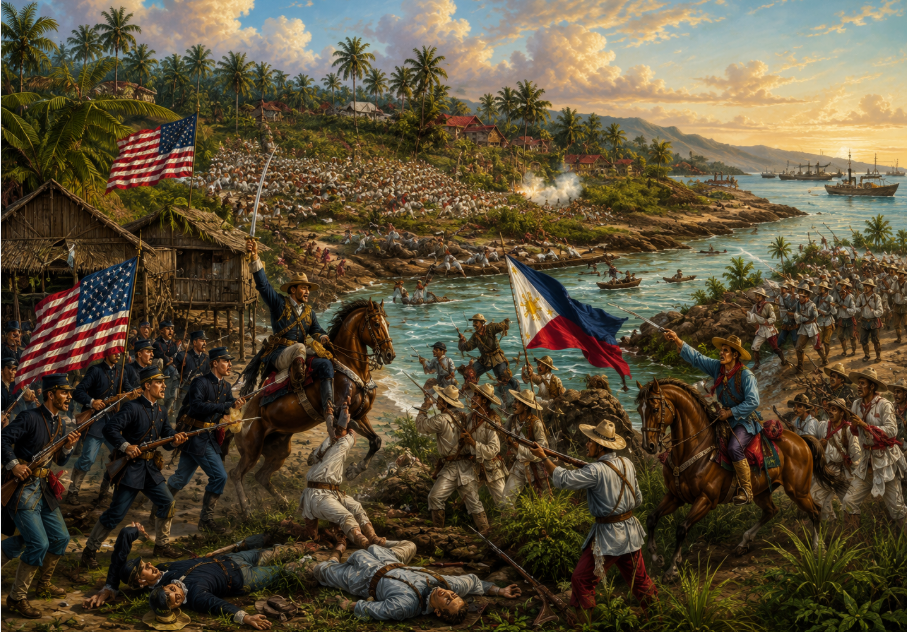
Not so long ago, in our university’s English lounge, I had a discussion with two colleagues about a comparative study on the effects of native and non-native English language teachers on students’ performance in English. When the discussion brought us to the three concentric circles of English, we tried to identify the countries colonized by England and America. Surprisingly, one said, “The Philippines (my country) was rescued by the Americans from the Spaniards.” I paused, looked at him, and said, “Are you sure you want us to discuss that topic?”
I was ready for a debate. I had the advantage — I am Filipino. I know my nation’s history, which he apparently knew little or nothing about. Philippine History was also one of the subjects I had taught, quite passionately, in my country, and I was ready to teach him a lesson. I was prepared to hit him with my historical whip. But when I asked that question, he only smiled and redirected the discussion back to the original topic.
I wanted to return to his statement — I needed to respond — but our time in the English lounge was over. We had to leave. The bell saved him.
That desire to respond stayed with me. It tortured my Filipino soul. The Filipino in me could not stand down. I did not stand down, either, when another colleague made some unsavory remarks about Filipinos in his own country. I still recall how irate he became at what I had to say in response. He was so vexed by the way I refuted his statements that, one time when he got drunk, he gave me a mouthful and had to be restrained by his friends.
To that fit of rage from a drunk man, I did not respond violently. Why would I? I simply retorted wittily, which I think inflamed his bruised ego all the more. And to that earlier statement — that “my country was saved by Uncle Sam from the bullies from the Iberian peninsula” — I also had to do something. The only way to regain my peace was to respond in some way. So I decided to write this article, hoping that one day, that colleague who wrongly believed the Americans were the Filipinos’ knights in shining armor during the colonial period would read it.
Now, let me answer the question: Did the Americans save the Filipinos from the Spaniards?
HELL NO!
The Americans extinguished the flames of Filipino nationalism just as they were beginning to flicker, depriving the Filipinos of the chance to chart their own destiny as a nation. That’s what they did. And it shouldn’t have surprised anyone — if they treated African Americans in their own backyard the way they did during those times, why would they be any kinder to Filipinos in a foreign land?
Let me share some excerpts from my ongoing study, “How Colonialism Shaped the Filipino Character.”
* * * * * * * * * *
In 1896, the Filipinos staged the biggest and most organized revolt against Spain. Their previous attempts to overthrow their invaders from the Iberian peninsula had all been quelled. Historians say those earlier uprisings failed because they were driven by localized issues confined to limited geographical scales and lacked a truly national character. The 1896 revolution was different. It started in the capital, Manila, then spread to surrounding provinces and eventually became national in scope, driven mainly by the rise of Filipino nationalism.
The Spaniards had their hands full, and it was only a matter of time before their more than three centuries of rule would have ended. Even if the Americans had not come, the Filipinos could have succeeded in ending Spanish rule on their own.
The Americans duped Emilio Aguinaldo, leader of the revolt against Spain, into believing they had come to help the Filipinos establish a republic and had no designs on a colony of their own.
Then the Filipinos watched helplessly as the Spaniards — too proud to accept defeat at the hands of the Indios they had enslaved for centuries — surrendered to the Americans instead, and were paid $20,000,000 for the improvements they had made to the Philippine islands during their colonial rule. That was one of the conditions set in the Treaty of Paris of 1898, which the two countries concluded without securing the consent of the Filipino people.
Would the Americans really pay the Spaniards that huge sum — worth more than $800 million today — and get nothing in return?
HELL NO!
America, then an emerging world power, needed to flex its muscles in the Pacific, and the Philippines was the ideal place to do it. Its military strategists likely believed America needed a presence in Asia to counter the growing might of imperial Japan.
So, contrary to the promise Aguinaldo said he had naively believed, the Americans declared the Philippines a territory ceded to them by Spain.
It was a painful experience for the Filipinos. After centuries of struggle against Spain, they finally had a chance to chart their own destiny as a nation. But the Americans stood in their way, and the Filipinos had to continue their search for that elusive freedom.
So the Philippines changed hands — from one colonial master to another, from the Spanish yoke to the American one.
What if the Americans had observed the principle that “governments derive their just powers from the consent of the governed,” and decided not to stay in 1898, allowing the Filipinos to govern themselves? The Americans should have known better — that very principle drove their own Declaration of Independence in 1776. It is touted as the model for the right to self-determination, the very right they denied the Filipinos when they colonized the Philippines. The Americans justified their occupation by claiming the Filipinos were not ready for self-governance. But how sure were they? Even then, the Filipinos would certainly have preferred to chart their own destiny as a nation, no matter the consequences. The world will never know what would have happened had the Americans given them the reins of their own government. While it isn’t certain the Filipinos would have succeeded, one thing is clear: the Philippines didn’t become a better nation simply because the Americans occupied it, either.
And let us not pretend that whatever roads, schools, or railways the Americans built were gifts paid for with American dollars. They were not. The colonial government operated under what was called a “self-supporting” budgetary system — every peso spent on Philippine infrastructure came from Philippine taxes, Philippine tariffs, and Philippine export revenue. Filipinos paid for their own colonization, administered by American hands. And what did those hands take in return? In 1899, American goods made up a mere 7 percent of what Filipinos imported; by 1934, that figure had ballooned to 66 percent. In that same span, the share of Philippine exports flowing to the United States rose from 26 percent to 84 percent — sugar, coconut, tobacco, abaca, and the gold and chromite pulled from Baguio and Surigao. The 1909 Payne-Aldrich Tariff dressed this up as “free trade,” but free trade between an industrial power and its colony is never quite free — one side sends raw material, the other sends finished goods, and profit finds its way to the side that already has the factories. Add to this the naval and military foothold the Americans secured in the Pacific — a strategic prize never once listed on any balance sheet — and the picture becomes clear: whatever the Americans built in the Philippines, the Filipinos had already paid for it twice over, once in tax pesos and once in raw resources shipped abroad.
It would have been a significant boost to Filipino pride had they been allowed to continue their war with Spain, which they were winning at the time. Instead, Spanish and American strategists connived to stage what later became known as the “Mock Battle of Manila Bay,” which the Americans purportedly won. That plan was concocted to prevent Manila, the nation’s capital, from falling into the hands of Filipino revolutionaries. Just imagine how a genuine victory like that would have affected the Filipino psyche — the nation’s character would have evolved in a much different direction. But it was not meant to be.
The last quarter of the 19th century was perhaps the most significant stage in the Philippines’ development. It was when nationalism began to flourish. It had taken centuries for the natives to put up a united front against their colonizers, but like the sun rising in the east, spreading its golden rays to signal a new day, an emerging solidarity among the natives became a portent of greater things to come — things that never came.
The most essential ingredient for national development was finally manifesting among Filipinos: the seeds of nationalism had begun to sprout. The influx of liberal ideas from Europe, the rise of the middle class, and the martyrdom of Fathers Gomez, Burgos, and Zamora (GomBurZa) were among the factors believed to have fanned the flames of national unity.
It was a long and arduous journey toward national solidarity, made difficult by a combination of factors: the island nation’s geographical fragmentation, its people’s many dialects, and the Spaniards’ deliberate employment of divide-and-conquer tactics.
The Spaniards succeeded tremendously at this tactic — so much so that they reigned supreme for more than 300 years. But once the Filipinos began to develop a cohesive spirit that closed their geographical gaps and dismantled their language barriers with a deafening cry for freedom, the days of the Hispanic colonizers became numbered. The colonial masters suffered humiliating defeats at the hands of the very people they had held by the neck for so long, and were forced to retreat to the walled city of Intramuros.
However, the next chapter of the Philippine drama unfolded not as the Filipinos had written the script, but as the directors from Hollywood penned it. Just as the Filipinos were ready to hammer the last nail into the coffin of Spanish tyranny, the Americans said, “CUUUTTTT!”
With near certainty, the revolution the Filipinos started in 1896 would have finally ended Spanish rule. The natives had them figured out. All they needed was to march together, hands bound by the bond of patriotism. The Filipinos were ready to storm Intramuros, the last bastion of Spanish rule, but were stopped in their tracks by the Americans — whom they wrongly perceived as an ally in their quest for freedom. The Filipinos naively believed that the Americans, who were also waging war against Spain in Cuba, had come as friends, not foes.
To cut the story short: the Americans occupied the Philippines once the Spaniards left, and the Filipinos were forced to wage war against a military far more powerful and advanced than their former colonizers.
The natives eventually lost that war, and the sprouts that had grown from the seeds of nationalism sown by the forebears of the Filipino race were never allowed to bloom. They were forcibly uprooted and trampled by the Americans. Historians explain that the new colonial masters extinguished the flames of Filipino nationalism through laws like the Sedition Law (1901), which imposed the death penalty or lengthy imprisonment on anyone advocating independence from the United States — even by peaceful means — and the Flag Law (1907), which prohibited the display of the Philippine flag anywhere.
Filipino nationalism was nipped in the bud. That period in Filipino history came to be called the “Era of Suppressed Nationalism.” While the natives were still licking the wounds inflicted by their former Spanish masters, the Americans began opening the very same wounds of subjugation.
As everybody knows, the justification offered by the Filipinos’ new colonial masters was that the natives were not ready for self-governance, and that leaving them to fend for themselves would have been chaotic.
They could have been right. But if they were wrong, we will never know now, will we? What critical-thinking Filipinos today do know is that the Americans had no right to deprive them of the chance to determine their own fate as a people at that time. The natives could have been left to face the consequences of standing on their own feet. No one had the right to deny the Filipinos the opportunity to claim their own victory against Spain. It would have meant so much had the colonizer surrendered to the colonized — that would have been a huge moral and psychological victory for a people enslaved and deprived of their fundamental rights and freedoms for so long. But instead of a boost to their spirit, the Americans’ actions wounded Filipino pride and stunted the growth of a stronger national character.
The Americans should have taken a page from their own history to understand how the Filipinos felt. According to historians, the American colonists fought for independence against Britain in the 1700s largely because they believed in the individual’s inalienable rights, and being taxed by the British Parliament without representation violated those rights. They believed no government could act without the consent of the governed. The Filipinos, likewise, did not want another foreign power ruling them — they had already had enough of the Spaniards. The Americans never had the Filipinos’ consent to stay in the country and govern them.
But the Filipinos could do nothing; no other country could come to their aid at the time. The Americans had had France to support their own bid for independence from Britain, and perhaps the Filipinos hoped America would “do a France” for them when it arrived. It was wishful thinking.
The Filipinos were on their own, and the world then was a vast jungle where colonial powers were the predators and weaker nations the helpless prey.
The Filipinos, then, could not even invoke any law to contest the legality of the American occupation. Imperialism makes its own rules and enforces them with brute force; because of its armed strength, imperial law simply supersedes international law. As one historian put it, the legality of imperial activity rests largely on the imperial state’s own judicial system and its own legal experts — a convenient arrangement, given that Americans, who championed liberalism, should have known that natural rights are not contingent on any particular culture, government, or custom, but are universal and inalienable.
* * * * * * * * * *
So, did America save the Philippines from Spain?
Let me answer it one more time…
HELL NO!
How could it, when historians have described the Philippines as America’s “first Vietnam” — a conflict in which U.S. troops first used tactics like strategic hamlets and scorched-earth policies to “pacify” the revolting Filipinos? The image below shows how that strategy played out.
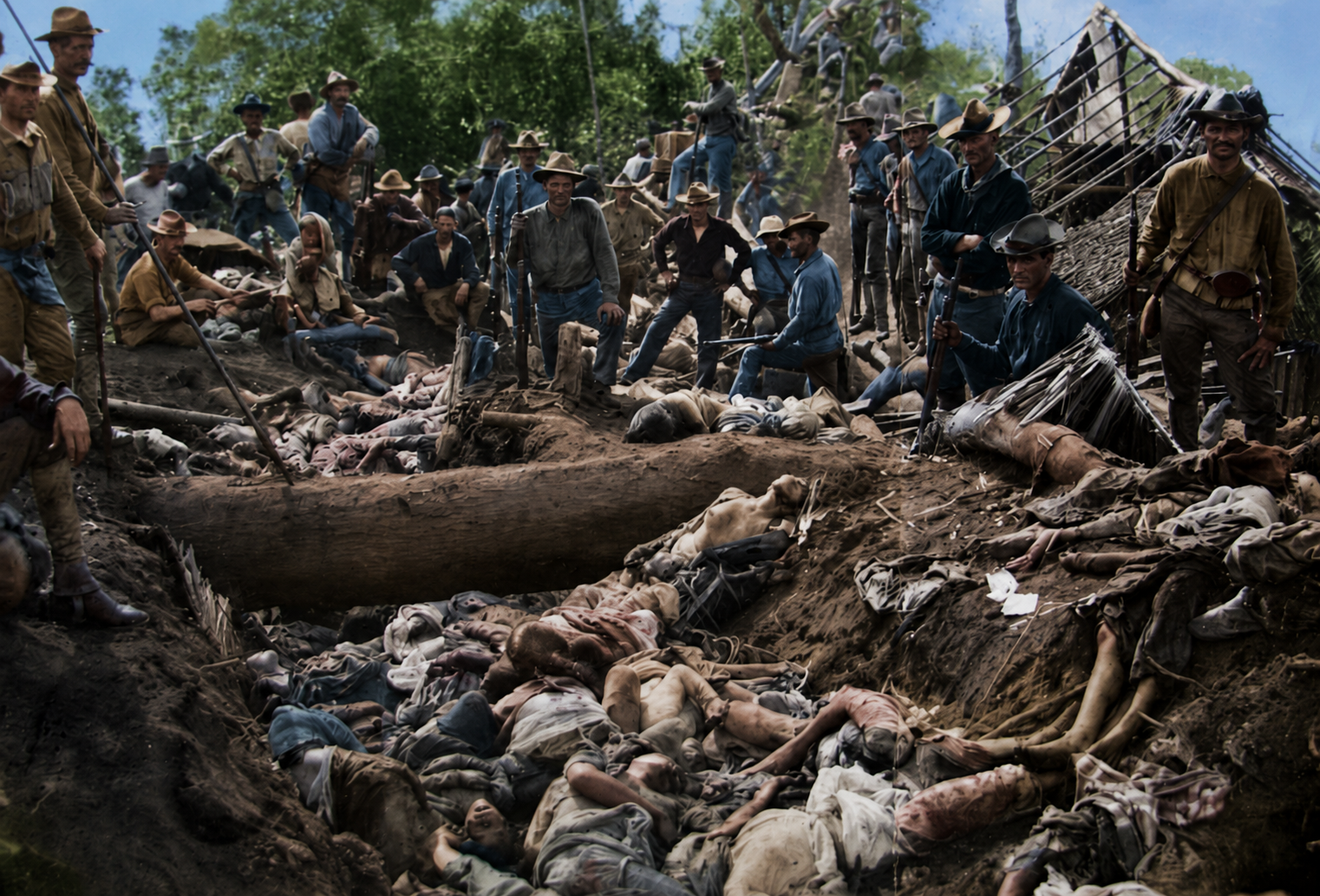
No — those are not Nazi soldiers posing proudly after killing Jewish people. These are American soldiers posing with dead Filipino Muslims after the Bud Dajo massacre in 1906. The Americans called it the “Battle of Bud Dajo.” It wasn’t a battle. Mark Twain — the famous American author, born Samuel Langhorne Clemens — condemned it from home as a member of the Anti-Imperialist League, writing: “In what way was it a battle? It has no resemblance to a battle… We cleaned up our four days’ work and made it complete by butchering these helpless people.”
Let me close with an excerpt from a speech by Manuel L. Quezon, president of the Philippines from 1935 to 1944:
“It is true, and I am proud of it, that I once said, ‘I would rather have a government run like hell by Filipinos than a government run like heaven by Americans.’ I want to tell you that I have, in my life, made no other remark that went around the world like that one. There was no paper in the United States, including the smallest village paper, that did not print that statement, and I have seen it printed in many newspapers across Europe as well. I would rather have a government run like hell by Filipinos than a government run like heaven by any foreigner. I said that once; I say it again, and I will always say it as long as I live.
But that is not an admission that a government run by Filipinos will be a government run like hell — much less an admission that a government run by Americans, or by the people of any other foreign country, could ever be a government run like heaven.”
On the Poll That Says “Most Filipinos trust US, not China” – A Case of National Amnesia or Triumph of US Indoctrination?

There is something more to that poll that says “most Filipinos trust US, not China” than meets the eyes. It affirms two things. First, Filipinos suffer from a national amnesia and second, the Americans completely succeeded in indoctrinating the people whom then US President McKinley referred to as “savage warriors” and “little brown brothers.1”
Majority of Filipinos trusting the US is a classic case of amnesia. It seems to support the perception that Filipinos tend to have short memory so much so that they easily forget the lessons of history.
Others would dismiss the idea that Filipinos have short memory. It’s just that the Christian in them would make them easily forgive and forget.
But have Filipinos really forgotten the atrocities committed against them by the Americans during the Philippine-American War (1898-1901)?” Or is it a case of them not knowing what really happened.
The world today, even the Filipinos themselves know little (or nothing) about what has been described by historians as the “first Vietnam”, where US troops first used tactics such as strategic hamleting and scorched-earth policy to “pacify” the natives2.
It’s very convenient for people from other countries to criticize Duterte, the Philippine president, for his stance against the Americans. If only they would bother to scan the pages of Philippine history they would know.
Like the Filipinos, the rest of humanity is suffering from amnesia…selective amnesia that is. It’s difficult to fathom why the world chose to remember only the atrocities committed by the Nazis during the Second World War and forget about the wrongdoings inflicted by the US and the other colonial powers upon the people they colonized.
The world thinks that Duterte’s anti-American sentiment stemmed only from the supposed attempt of the president of the US (Obama) to lecture him in an international gathering about the alleged extra-judicial killings in the Philippines. There was more to it… much more than the irony that the leader of a country who massacred thousands of Filipinos, including children and women, would take the moral high ground to lecture about “killings.”
For the most steadfast of the Duterte critics from other countries and the Filipinos who have forgotten their history here are links you can check…
But despite all of the wrongdoings inflicted upon them by the Americans, why then, according to the poll, Filipinos trust the US more than China?
That’s the result of years of American indoctrination.
Education is a powerful tool of indoctrination. Today’s generation of Filipinos are the offsprings of the children taught by the Thomasites (American teachers named after the ship, the USS Thomas, which brought them to the Philippines) to accept their rule. They did not only teach those young Filipinos the three R’s but also indoctrinated them about the greatness of America, its ways, ideas, values, culture3.
The indoctrination of that generations of Filipinos after the Philippine-American war was a tremendous success. “One look at our society say it all: the preference for American products, the promotion of materialism and hedonism, and a general obsession for all things American. No matter how Filipinos try to deny it, the Americans have succeeded in molding us into their ideal “little brown brothers.4”
The funny thing is Rappler, citing a survey conducted in 2013 by the Pew Research Center, said that “Filipinos like the US even more than Americans5.”
And would it be wrong to presume that none of the history books distributed in Philippine schools during their occupation of the archipelago ever mention about the brutal campaign the Americans waged in the Philippines to pacify the Filipinos?
“Until the lions have historians, tales of the hunt shall always glorify the hunters,” says an African proverb.
President Duterte showing (during the most recent ASEAN meeting held in Laos) photos where US soldiers could be seen posing with dead Filipino Muslims was just a right thing to do. With that act both the Filipinos and the world were reminded of some basic historical truths about the US.
What basic historical truths are those?
The US did not come to liberate Philippines from Spain but to join the competition for empire among the wealthy and powerful countries of the West and to establish a strong presence in the Pacific that would enable them to protect their economic interests.1 They duped Emilio Aguinaldo, the leader of the revolt against Spain, into believing that they didn’t need any colony. 6
The double-crossing of Aguinaldo was completed when the US concluded with Spain the Treaty of Paris without concurring with the Filipino people.6
The US was not at all benevolent to Filipinos. “The atrocities of American troops included: the torture of suspected rebels; refusing to take prisoners; wholesale massacres of entire villages of men, women and children and starvation resulting from relocating large populations.7”
Worst of all, the new colonial masters extinguished the flames of Filipino nationalism.
When the US decided to flex its muscles in the Pacific by colonizing the Philippines, Filipino nationalism which was struggling to develop was nipped in the bud. That dark period in the history of Filipino people was referred to as the “Era of Suppressed Nationalism6. Advocate independence from the US and the Filipinos would get either death penalty or a long prison term (Sedition Law, 1901). A simple display of the Filipino flag (Flag Law, 1907) would also get them into trouble6.
The young Filipinos today should be given an honest-to-goodness account of what really happened during the American occupation, particularly in its early years. They need to be presented with an objective analysis of the REAL reasons the Americans came, how it affected the development of Filipino nationalism and how their presence shaped Philippine politics.
It’s not to teach them to hate the Americans but for them to become aware of their past and decide whether or not US should be trusted.
Historical awareness will give the young Filipinos a better understanding of their identity. It will enable them to develop a proper perspective in appraising the current state of things in the country.
References:
[1] Brewer, Susan (2013, October 22). Selling Empire: American Propaganda and War in the Philippines. The Asia-Pacific Journal, Vol. 11, Issue 40, No. 1, October 7, 2013. [Cited 2016 October 29] Available from: http://www.globalresearch.ca/selling-empire-american-propaganda-and-war-in-the-philippines/5355055
[2] American Occupation of the Philippines . [Cited 2016 October 28] Available from: http://www.colorado.edu/AmStudies/lewis/2010/usoccupy.htm retrieved 10-28
[3] Simbulan, D. The modern principalia, the historical evolution of the Philippine ruling oligarchy, Quezon City: University of the Philippines Press; 2005.
[4] Eight Dark Chapters of Filipino-American History We Rarely Talk About (FilipiKnow) [Cited 2016 October 29] Available from: http://www.filipiknow.net/philippine-american-history/
[5] Filipinos like the U Even More Than Americans Do – PEW Research (Rappler) [Cited 2016 October 2016] Available from http://www.rappler.com/nation/56085-philippines-usa-pew-research.
[6] How colonialism shaped the Filipino character (Blog post) [Cited 2016 October 2016] Available from http://www.globalresearch.ca/selling-empire-american-propaganda-and-war-in-the-philippines/5355055.
[7] Ablett, Phillip. Colonialism In Denial: Us Propaganda In The Philippine-American War [Cited 2016 October 2016] Available from https://www.academia.edu/352646/Colonialism
_In_Denial_Us_Propaganda_In_The_Philippine-American_War?auto=download


 M.A.D. L I G A Y A