Author Archives: M.A.D. LIGAYA
My Website – “Hardpen’s Portfolio”
Allow me to guide you through the highways and byways of this site.
The following are the main sections which are accessible by clicking on them directly or you may go to the home page and click on them in the navigation menu and tabs.

Home
About the Philippines
My Korean Stuffs
My Works in English
My Works In Filipino
Welcome
If you click on the section Home from here, you will be brought to the homepage of this website.
If you click directly on the other main sections (after Home) from this page you will be directed to an article introducing the section at the bottom of which are links to the subsections (or articles) beneath them.

On the left is the homepage of the website. The article that appears when you open it and the other two you’ll find should you scroll down are the latest of my blog posts.
If items are posted in the HOME section they are classified by WordPress as “blog posts.” All other items in the other sections (and the sections themselves) are called “pages.” That, I suppose, is only for the purpose of proper placement because technically all the “posts” can be transformed to “pages” if desired so. The first item in the NAVIGATION MENU, as you can see, is HOME. That is where all “blog posts” are displayed. All tabs north of HOME is where all “pages” are placed.
After posting a blog, I automatically create its “page version” and place it in a category where it belongs in the other sections.
Let me help you if you wish to explore the entirety of this website. The following are the links you can click from here. You can also access all of my works using the navigation bar.
I also provided an introductory page in each section and subsection. The introductory page for each section provides links to the subsections. There are also links to specific works provided in the introductory pages for the subsections.
I included the section About The Philippines for the essays I wrote (and will be writing) and other stuffs about my country – the Philippines. My intention for this is to make people from different parts of the world know more about us Filipinos and our country.
In the section My Korean Stuffs is where I share my experiences as a Filipino expat and as a teacher here in South Korea. The four subsections are Korean Adventures (essays/commentaries written in English), Kuwentong Kimchi (essays written in Filipino), “Kimchied” (articles chronicling my gastronomic journey here in South Korea), and Korean Dishes/Foods I Tried (videos and essays about the Korean dishes I have been eating here in this country).
The section My Works in Filipino contains the one-act plays, short stories, essays and poems (all in Filipino) which I have written through the years, mostly from 2013 onwards. The following are the sub sections: Dulang May Isang Yugto, Maikling Nobela, Maikling Kwento, Sanaysay and Tula. Clicking on these links brings you to the pages where you can see also links for the specific individual works.
Below you’ll see how a section is subdivided into subsections, and subsections into more subdivisions until the titles of specific works could be seen.

I have written a lot of poems in Filipino. Thus, you see here that Tula also has its own sub sections, namely, Apatang Taludtod, Bayan Muna, Heto Na Ang Jeep, Kwentulaan, Pagninilay, Pakwelang Taludturan, Sa Piling Ng Mga Hayop, Samu’t-sari, Tibok, Tinulang Jokes and Tinula Kong Kanta.
There are also several sub-sections for the section My Works in English . These are Commentaries, Dramatic Monologue (Declamation), Essays, My Research Works, Oratorical Pieces, Poems, Short Stories, and The Jungle Story – a collection of the anthropomorphized blogs I wrote (in another blogsite) when I got so frustrated with the leadership style of the school administrator where I used to work in the Philippines.
I love the sports of basketball and boxing. I included in the section My Works in English the subsection Sport Blog where I put together the articles I wrote about the said sports, including those that were published in a couple of sports websites.
Topics I discussed in my essays vary. So I also subdivided the section Essays into several subsections namely Changing Perspectives, Literature, Language and Movies, and Personal Essays. I also wrote essays on education and my experience as a teacher but I kept them in the section My Academic Essays beneath the section My Research Works.
Just like my poems in Filipino, the few poems I have written in English are also subdivided with the following assigned labels: Heartbeats, Quatrains, Random Thoughts, and Frames and Verses.
My website also features some of the studies I have completed including those that were presented in international conferences and published in international journals. You can find them in the subsection My Research Works under My Works in English. The said subsection is further subdivided into the following: As Main Author, As Corresponding Author, My Academic Essays, My Master’s Thesis, and My PhD Dissertation.
The items I have in the section Welcome, aside from this guide to my website, include my curriculum vitae and an answer to the question “Why do I write?”. There you can find also the poem I wrote about my names and pseudonyms.
Ang Hatol Ni Gng. De Villa Sa Sagutan Namin Ni Manuel

My friend Manuel O’chong and I playing scrabble in my office around 20 years ago…
ANG TANONG KO:
Sa paligid ay igala ang paningin
Mayroon bang nagbago sa bayan natin,
Asam na pag-unlad atin na bang narating,
Kapayapaang hangad atin bang angkin?
Tigilan na ang pagbulag-bulagan
Mata mo’y imulat sa katotohanan
Bayan nati’y lugmok sa kahirapan
‘Di makamit asam na kapayapaan
Ang tanong, “Sino ang dapat na sisihin?”
Sino ba ang hindi tumupad sa tungkulin?
Mga pinuno bang iniluklok natin,
O imaheng katitigan mo sa salamin?
Pinunong halal lang ba ang may tungkulin
Na paglingkuran ang inang-bayan natin?
Kung doon sa hapag mo’y walang pagkain
Sila nga lang ba ang dapat na sisihin?
Kaninong pinuno ka ba nasiyahan?
‘Di ba’t silang lahat ay iyong pinintasan?
Palaging may mali, palaging may kulang,
Kay hirap sundin ng iyong pamantayan.
Subalit kung ika’y aking tatanungin
May nagawa ka ba para sa bayan natin?
Sobra-sobra kung pinuno’y batikusin
Eh ikaw, “Ano ba ang kaya mong gawin?”
Para kasing kay talino mo’t kay galing
Eh ‘di sige mungkahi ko iyong sundin
Maging pinuno iyo kayang subukin
At problema ng bayan iyong lutasin
Kung hindi kaya aba’y manahimik ka!
H’wag ka nang makisawsaw sa pulitika!
Ang gawin mo sana’y maghanap-buhay ka
Ang itaguyod… sarili mo’t ang pamilya
Sa halip na pulitika ang atupagin
Buhay mo muna ang dapat na ayusin
Dahil kapag tagumpay… iyong narating
Maging ang bayan mo’y makikinabang din.
MANUEL:
Nang aking igala ang aking paningin,
Mga taong mahihirap akin ding napansin
May mga naghahalo ng semento at buhangin
Sa maghapon ang kinita sapat lang sa pagkain.
Trabaho sa construction di gawa ng tamad
Bawal ang mahina at kilos ay makupad
Pero minimum wage mababa at di sapat
Kung sila’y umangal isasagot ba ay sumbat?
Kung ika’y mayaman at sa buhay kuntento
Maganda ang hanap-buhay malaki ang sweldo
Sisisihin mo ba ang nasa laylayang mga tao
Kung sa Pamahalaan sila ay magreklamo?
AKO:
Kapalara’y h’wag iasa sa gobyerno,
Sariling tadhana’y iukit sa palad mo,
H’wag sisihin si Duterte o Aquino –
Kung walang kaning mailagay sa plato.
Kaunting kinikita mo’y pagkasyahin
Kung hindi sapat ano ang dapat gawin?
Dapat ka bang maghanap ng sisisihin,
O antas ng buhay pilit na baguhin?
Walang maghihirap kung walang tamad
Kapag batugan ka’y hindi ka uunlad.
Kaya’t kung sa buhay ay nais umangat
Magbanat ng buto at laging magsikap.
Hindi kasalanan ang maging mahirap,
Ang kasalanan ay ang hindi magsikap.
Swerte mo’y hindi nakaguhit sa palad
Perlas itong dapat ay sisirin sa dagat
MANUEL:
Kung ang paningin ay ating igagala
Hwag puro pataas ituon din sa ibaba
Upang ating makita ang pobre at mahihina
Sa opurtunidad sila nga ay wala…
Mga magsasakang kulang sa pinag- aralan
Maghapong gumagawa sa lupa ng mayayaman
Mga anak di makatuntong sa mataas na paaralan
Kaya tulad nila lumalaking mga mangmang…
Kung sila ba sa Pamunuan umangal at magreklamo
Hilinging anak nila’y tulungan ng Gobyerno
Sumbat ba ang isasagot? “Kasi mga tamad kayo!”
“Magtiis kayo mga ulol! Walang silbing Indio!”
Kung ang Pamunuan sa mamamayan ay nangako
Kaya sila ay nahalal sa pwesto ay naupo
Pag mga tao ba’y umangal sa pangakong napako
Tama bang isagot mo’y, ” Di kayo ang mamuno!”
Sa bawat sulok ng Bansa ating mamamasdan
Mga pamilyang nagsisikap umahon sa kahirapan
Tyaga nila at punyagi tunay kong hinangaan
Kailanma’y di umasa sa manhid na Pamahalaan
Gayon ma’y wag umasang sila’y aking papurihan
Tungkulin nila ang tumulong at di magpayaman!.
AKO:
Pananaw kong tangan sa oportunidad –
Ito’y h’wag hintaying sa iyo igawad
Ikaw ang siyang dapat dito ay humanap
Ikaw ang magpagal, ikaw ang magsikap.
‘Di pwedeng idahilang tayo’y mahirap.
Ang linyang iyan ay luma na at gasgas!!!
Iya’y palusot ng mahihina’t tamad…
Ng mga taong sa diskarte ay salat.
Tama kang pamahalaa’y may tungkulin
Sistema ng gobyeno’y dapat ayusin.
Subalit kahangalan kung hihintayin
Na grasya at limos sa iyo’y darating.
Ang wika nga ni J.F.K., “H’wag tanungin
Kung ano ang bigay ng bayan sa atin
Bagkus ang atin dapat sanang isipin
Sa inang bayan ano ang alay natin.”
Mananatili… aking paninindigan
Kaya ng mahirap ang maging mayaman!
Sipag at tiyaga ang tanging kaylangan,
Tulong ninoman ay h’wag sanang asahan.
Masiyaha’t magkasya sa kakayanin.
Ang wala ka’y pwede mo namang hangarin,
Ngunit sa timbangan mo tagumpay sukatin,
H’wag panukat ng iba ang gagamitin.
MANUEL:
No Man Is An Island, yan ay kasabihan
Walang taong namumuhay ng mag-isa lamang
Kung mga pangarap mo’y pinagtagumpayan
Solo mo ba ang kredito kung kaya’t nakamtan?
Ang kapalaran ng bawat tao sa alinmang Bansa
Di lang siya ang umuugit at namamahala
Meron ding inaambag ang kanyang kapuwa
Buhay ba nya’y hindi hawak ng Dios na Dakila?
Di lahat ng nagsisiskap ay nagtatagumpay
Napakaraming masisipag ang bigo sa buhay
Merong sa pagsisikap sa pamilya ay nawalay
Babale- walain ba ang sa Dios na gabay?
Ang pamumuhay dito sa Bansang Pillipinas
Malaki ang impluwensya ng mga Mambabatas
Kung patakaran dito’y mainam at patas
Disin- sanay di dadami ang sa Bansa’y lumalayas!
Ang Gobyerno nating ayaw mong sisihin
Inaamin mong palpak at sa serbisyo’y bitin
Kung sa ating pagsisikap sila’y katuwang natin
Di ba’t ang asenso’y maalwang kakamtin?
Kung nais mo akong maniwala sa iyong kasipagan
Dito ka sa ating Bansa magtrabaho’t mamasukan
Pag sa iyong kikitain umunlad ka at yumaman
Sasaluduhan kita’t habang-buhay hahangaan!
Samantala mga batikos ko’y hindi ititigil
Sa pinuno ng Gobyernong palpak at inutil
Hindi yong komo mayaman na’t wala ng hilahil
Wala ka nang paki- alam sa kababayang nasisiil!
AKO:
Nasabi ko na ang dapat na sabihin
Ayaw ko nang ito’y uulit-ulitin.
Magkasalungat…paniniwala natin
Kung sino ang tama, mahirap sabihin
Palitan nati’y dito ko na tatapusin
Wala na kasi akong dapat sabihin.
Sa Diyos ang marubdob na panalangin,
Maraming tula pa ang iyong habiin.
MANUEL:
Kung gayo’y nasa kamay na ng ating Lakandiwa
Ang pagpapasiya kung sino ang tama
Kaya’t atin nang tawagan ang Gurong Makata
Liwayway Pineda De Villa ikaw na po ang bahala…
Ano man po ang iyong maging kahatulan
Ito po ay labis na pasasalamatan
Ang sa amin po na balitaktakan
Iyo pong tapusin at iyong tuldukan..
Salamat sa aking Bro na sa tula ay Pitmalu
Sa balagtasan ay ikaw ang tunay na Lodi ko!
GNG. DE VILLA:
Kayong dalawa totoong kapwa tama
Ang mga pananaw ay kahanga-hanga
At ang malasakit ninyo’y pambihira
Alam na nating nasa tao ang gawa
At buhat sa Diyos naman ang ay awa
Tayo’y binigyang buhay Niyang malaya
Pumili ng uri ng buhay na nasa
Sa pahintulot ng tunay na Lumikha
Kaya patas lamang ang kapwa makata
Damdamin at diwa’y dinaan sa tula!
Measuring School Effectiveness

 The main subject of the dissertation I wrote for my doctorate was “school effectiveness.” Choosing this subject was driven by a personal belief that the school contributes the most in the development of an individual. It is in school where an individual acquires and develops formally most of the knowledge, skills, attitudes, and values they need and they ought to have.
I put emphasis on the word formally in the preceding paragraph for it could be argued that the home and the church contribute also to the formation of an individual.
It is true, but not all parents are trained educators. Teachers (presumably) are. And not all families are functional. The dysfunctional ones may not help in the proper development of an individual. A school (presumably also) is always functional. This is not saying that the home does not contribute to the development of an individual. It does, but not as comprehensively as…
View original post 926 more words
Kumusta Si Ina?
 May nagbago ba?
O gayon pa rin?
May trabaho ka na ba?
O tambay pa rin?
Umasenso ka na ba?
Umasenso na ba si Inang Bayan?
Naibsan ba ang trapik?
Naubos ba ang mga adik?
Nabawasan ba ang mga switik at ganid?
Tahimik na ba?
Payapa na ba?
Reality check.
LINTIK!!!
Huwag kang sinungaling!
Hindi ka bulag!
Hindi ka engot!
Alam mo ang sagot!
O ano!? Ako kulay berde.
Sila… asul at pula.
Ikaw? Dilaw?
So what?
Pink na lang kaya tayong lahat?
Pink na matingkad!
O!!!
May nangyari ba sa pakulay-kulay natin?
Mas mabisa ba ang kulay ninyo sa kulay namin?
Sige, kampihan pa more!
Batuhan ng kamatis pa more!
Murahan pa more!
Sige patuloy tayong mag-ilusyon
Na ang solusyon
Ay ang mga honorable na gunggong!!!
So?
Ano na?
Paano na?
Kumusta na si Ina?
Eh di nganga!
Kalaba’y nakakulong… pinatalsik!
Kakampi? Nagbalik.
Eh di wow!
Nakupo!
Weather weather lang po.
Kahit sino ang maupo,
Believe you me…
Ganito pa rin.
Dahil ang tunay na suliranin…
ang tunay na salarin…
ang kanser na dapat gamutin…
ang tunay na adik na dapat rehabin…
ay guess who?
Manalamin.
On Personal Accountability

One of my favorite poems is W.E. Henley’s “Invictus.” I read it for the first time in my literature class way back in college. That was the time when I started to ask a lot of questions about many things – not the way a curious child would but the way a young adult searching for a personal identity ought to. The poem impressed upon me a strong belief. It created a mind-set, a value that helped shaped who I am now – that a person is in-charge of his own destiny. That whatever (or whoever) a person becomes is the sum total of all the decisions he makes.
For me, the day a person says “I am the master of my fate: I am the captain of my soul” is the day that he is embracing personal accountability. Thenceforth he becomes responsible for his words, thoughts, and actions and whatever decisions he makes he ought to own them. If he succeeds and becomes happy as a result of his decisions he will take the full credit and benefits. Conversely, should he fail, should he not succeed in his boldness to take on the challenges of life refusing help from anyone, he knows there’s nobody to blame, not even himself. He acknowledges that being self-sufficient is not a fault. Recognizing that each person has his own mountain to climb and that it is wrong to become an additional burden to anybody is a virtue, not a fault.
It is the person who makes himself a burden to his fellowmen that should be faulted. He should be faulted for not making himself personally accountable for his own life. He should be faulted for thinking that it is the responsibility of his fellowmen to help him. Yes, “no man is an island” but each person should think that nobody could force anyone to offer help. Helping is something that nobody could demand from anyone. It flows naturally from the generosity of a pure heart.
Believe that people know when somebody really needs help. The good-hearted among them would definitely offer a hand. However, they are also wise, they are capable of determining if the problems a person is facing resulted from his unwillingness to embrace personal accountability. They know if a person is stuck in a hole dug by his own laziness and vices. They know that that person does not deserve help. Never assume that generous people are dumb. No person should push himself to the edge because of his irresponsibility thinking that somebody would hold his hand before he falls to the bottom of regrets. Nobody might and he would come crashing down to his certain demise.
The person who acknowledges personal accountability blames neither himself nor anyone when he fails in his undertakings. Instead of falling into the deadly trap of the blame game, he tries to figure out what went wrong and learn from his mistakes. He considers failures as pathways to attainment. He won’t stop until he succeeds, no matter how many times he fails.
On the other hand, a person without it (personal accountability) blames not himself but others for all his failures. For whatever misfortunes he encounters it is always someone else’s fault. When he fails in his relationships, the other party is to be blamed for failing to satisfy the standards he set. When he resigns from his job, it’s because his co-workers and his boss suck. When he could not find a new job, he blames the government. Even for simple matters like coming late for an appointment he would put the blame on someone or something else – like the traffic and the weather.
Heaven forbid that he also blames his parents for their being poor (if his parents are) and their being unable to leave a fortune he could inherit. Heaven forbid that he blames his siblings and relatives, branding them selfish for not sharing their blessings to him.
The list of people and things he blames for his bad luck and adversities is so long but has forgotten to put himself on top of it.
It is not difficult to identify a person who is allergic to personal accountability. He is the one who whines at everything and whinges every time. He is never satisfied. His standards of excellence are so high that it seems none of the geniuses, past or present, could ever earn his approval.
For the person who lacks personal accountability there is always something wrong. The problem is he offers no solution to the wrongs and ills he sees. Compounding the dilemma is his strong sense of entitlement feeling that people around him should find a solution to his own problems. He is not satisfied not helping find solutions to problems, he also wants others to solve his own.
It is not obligatory for any person to offer solutions to all the wrongs and ills – to fight all evils. Voluntarism is a rare virtue. And if you’re not that somebody with a strong sense of personal accountability who would come forward to resolve the problems, if you could not offer a solution to the problems, please don’t add up to the problem. Be not the problem.
At least, each person is being called upon to tread the path of self-sufficiency. Take care of you own problems and don’t bother others for them, directly or indirectly. Self-sufficiency is the starting point to the journey to personal accountability.
Lingon
(Maikling Nobela)

Kapag naglalakad kang mag-isa sa gubat, sa isang madilim na eskinita, o sa likod ng bahay ninyo at may pumaswit sa iyo eh huwag kang lilingon. Baka kasi ang nasa likuran mo’y isang uri ng halimaw na kung tawagin ay SUTSOT. Ano man ang mangyari eh magpatuloy ka lang maglakad at huwag na huwag kang lilingon. Mas maganda kung tumakbo ka na lang… mabilis na mabilis. Kung naniniwala ka sa Diyos eh magdasal ka na rin. Ano man ang sabihin nila eh basta huwag kang lilingon. Gagayahin nila ang boses ng nanay, tatay, o sino man sa mga mahal mo sa buhay. Ano man ang gawin nilang pambubuyo eh huwag na huwag kang lilingon. Hindi ka nila gagalawin… sasaktan… kakainin… kung hindi mo ibabaling sa likuran ang iyong tingin.
**********
PART 1

Hindi ko na mabilang kung ilang beses tumingin sa kanyang relo si Daniel at pagkatapos ay bubuntong hininga. Wala na siyang sigarilyong masindihan pero patay-sindi pa rin ang ginagawa sa hawak na lighter. Matagal nang ubos ang laman ng kaisa-isang pakete ng sigarilyo na binili niya sa terminal ng bus bago kami bumiyahe. Ako nama’y nang magsawang makinig sa mga kantang nasa cellphone ko’y pinanood ko na lamang ang mga bankang inuugoy ng mga alon malapit sa pampang habang nagbabalik-tanaw ako sa aking kamusmusang ginugol ko sa tabing-dagat sa bayang aking sinilangan. Magkatabi kami ni Daniel na nakaupo sa dulo isang baytang ng hagdanan ng parola na nasa dulo ng konkretong breakwater. Mababa lang ang parolang iyon. Sa tantiya ko ay higit-kumulang na 10 talamapakan lang ang taas. Isang malaking bombilya ang nakalagay sa ibabaw nito na nakapaloob sa isang lagayang yari sa makapal na salamin. Gabay iyon ng mga mandaragat upang malaman nila kung saang banda ang pampang kapag madilim ang gabi, lalo na kung masama ang panahon.
Si Daniel ay may takip na panyo sa ilong. Halatang hindi sanay sa amoy na isinisingaw ng dagat at ng buhanginang nagsisilbing libingan ng mga patay at nabubulok na lamang dagat. Pablihasa nga ako’y laking dagat kaya bale-wala sa akin ang amoy ng tubig-alat na itinuturing ni Daniel na mabaho at malansa. Para sa akin, di-hamak na mas mabaho ang amoy ng sigarilyong kumapit sa suot niyang t-shirt at mas malansa ang hininga niyang may halong amoy ng nikotina.
May isang luma na’t sira-sirang rampa na yari sa magkahalong kahoy at kawayan na nakadikit sa breakwater na sa tinging ko’y nagsisilbing daungan ng mga bangka at siguro ay babaan rin ng mga isda at iba pa mga lamang-dagat na nahuhuli ng mga mangingisda kapag kati at hindi makatuloy sa pampang ang kanilang mga bangka. Dalawang baytang na hagdanang yari sa kahoy ang nakapagitan sa rampa at breakwater. Malamang na yari sa kongkreto o malaking kahoy ang nagsisilbing poste ng rampang iyon. Hindi ko makita sa dahilang taog noon.
Nakatayo sa gilid ng rampang iyon si Tomas at nakatingin sa direksyon ng araw na malapit ng lunurin ng dagat. Habang kami ni Daniel ay umiiwas sa tilamsik ng tubig dagat na hatid ng along humahampas ng paulit-ulit sa aming kinapupuwestuhan ay hinahayaan lamang niyang mabasa siya nito. Taog nga kasi at medyo may kalakasan pa ang hangin kaya maalon.
“Anong oras ba talaga darating ang bangkang sasakyan natin,” ang tanong ni Daniel kay Tomas. “Aba’y makapananghalian pa tayo naghihintay dito ah.”
“Oo nga naman tol, hayan papalubog na ang araw o,” ang dugtong ko.
“Aywan ko ba,” ang sagot ni Tomas. “Ang sabi niyong kakilala ko na kapag wala na ang araw at lalatag na ang dilim eh saka pa lamang daw darating ang bankang naghahatid sa mga gustong pumunta sa isla. Akala ko nagbibiro lang siya pero mukha yatang totoo ang sinabi niya.”
Pailing-iling na tumingin sa akin si Daniel. Hindi iyon nalingat kay Tomas.
“Pasensya na mga tol,” ang dugtong nito. “Nadamay pa kayo sa problema ko. Kung gusto na ninyong umuwi eh okay lang. Ako na lang ang maghahanap sa kapatid ko.”
Nanahimik na lamang kami matapos iyon sabihin ni Tomas.
Maya-maya pa’y sabay kami halos ni Daniel na bumaba sa rampa upang lapitan si Tomas.
“Tol, sorry, hindi ka naman namin pwedeng iwanan dito,” wika ko sabay akbay sa aming kaybigan. “Kami naman ang nagpumilit sumama sa iyo dito di ba. Wala tayong iwanan. Mula noon ganyan tayo.”
“Nakakainip lang kasi tol, dalawang oras pa halos ang biniyahe natin patungo dito kanina,” ang dagdag ni Daniel. “Tapos mahigit isang oras pa tayong naglakad papunta dito. Sumakit ang mga paa ko dito sa suot kong sapatos.”
“Eh engot ka kasi eh,” ang sabi ko. “Alam mo namang dagat ang pupuntahan natin at sasakay pa tayo ng bangka eh nag-rubber shoes ka. Dapat kasi tsinelas o sandals ang sinuot mo. Tapos nakapantalon ka pa.”
“Nakalimutan ko nga,” ang sagot ni Daniel. “Hay naku, akala ko’y naiwan ang nanay kong sermon nang sermon. Kasama ko pala”
“Ganyan ka kapag napapansin ang kaengotan mo.” ang sabi ko.
“Oo na… oo na. Ikaw na magaling.”
Tinampal ko sa balikat si Daniel. Lumayo siya sa akin ng kaunti. Parang nagtatampo.
“Pagod na, gutom pa. Napakalayo pa naman ng mga bahayan na nadaanan natin kanina. Wala man lang mabilhan ng pagkain at mahingan ng kahit tubig man lang na maiinom.”
“Magtigil ka nga Daniel,” wika ko. “Ayos lang na naglakad tayo ng malayo at wala tayong pagkain para pamin-minsan eh nakakapag-exercise ka at nakakapag-diet. Tignan mo nga iyang tiyan mo oh, parang tambol na ah.”
“Kung makapagsalita ka Willy eh parang ke payat-payat mo,” ang sagot ni Daniel sa akin.
Tumawa ako’t tinampal ko nanaman sa balikat si Daniel sabay sabing, “Joke lang tol. Pero tignan mo… di hamak na mas malaki ang tiyan mo sa akin.”
Binuksan ko ang aking dalang backpack. “O heto tubig. Kundi ka ba naman talaga engot ni tubig ‘di ka man lang nagbaon.”
“Eh tumakas nga lang ako di ba.”
“O heto pa biscuit, isaksak mo sa ngala-ngala mo.”
“Hindi ko kasi natanong doon sa nakausap ko kung may mga karinderya o tindahan dito. Pasensya na mga tol.”
Tumingin ako kay Daniel, sinimangutan ko ito’t sinenyasang manahimik.
“Ang tigas kasi ng ulo ni Ella. Pinagbawalan ko siyang sumama sa mga kaybigan niyang mag-night swimming eh hindi nakinig.”
“Eh mukhang lahi yata talaga kayo ng matitigas ang ulo tol,” ang hindi ko malaman kung nanunuya o nagbibirong sabi ni Daniel.
“Baka naman nagtanan na si Ella at ang nobyo niya kaya hindi pa umuuwi,” dagdag ko naman.
“Hinahanap nga siya ni Jeff sa bahay kagabi kaya nalaman ng nanay namin na wala pa siya. Pilit ko siyang pinagtakpan pero bistado kami. Masyado nang nagaalala si nanay kaya pinapasundan na sa akin. Aywan ko ba. Kinakabahan talaga ako. Sa lahat pa naman ng mapipiling puntahan eh ang isla pang iyon.”
“Bakit Tomas? ang tanong ni Daniel. “Anong meron sa islang iyon?”
“Ha… eh, wala naman tol,” ang sagot ni Tomas.

Pakiramdaman ko’y may gustong sabihin si Tomas. Pinagmasdan ko siya at nang magkasalubong ang aming tingin eh ngumiti siyang pilit.
“Ano iyon tol?” ang tanong ko kay Tomas.
Kilala ko si Tomas. Meron siyang dapat sabihin sa amin. High school pa lang eh magkakabarkada na kaming tatlo. Nagdesisyon din kaming pumasok sa iisang kolehiyo at pare-pareho pa ang kursong kinuha namin. Halos araw-araw eh magkakasama kami. Wika nga’y kabisado namin ang likaw ng bituka ng bawat isa.
“Puro sabi-sabi lang ang mga naririnig ko tungkol sa islang iyon.”
“Ah, haunted ang islang iyon. Parang isang haunted house – may mga multo at maraming kababalaghang nagaganap,” ang pabirong sabi ni Daniel.
“Sabihin na nating parang ganoon na nga. Idagdag mo na na may mga maligno doon at halimaw.”
Hindi ko masabi kung seryoso ba si Tomas ng sabihin iyon o sinakyan lamang niya ang biro ni Daniel.
Tinanong ko si Tomas, “Siyanga pala tol, bakit hindi mo niyayang sumama dito ang nobyo ng kapatid mo?”
“Hindi daw siya pinayagan ng kanyang mommy. Sinubukan niyang magpaalam.”
“Mama’s boy. Mabuti pa itong si Daniel… mama’s boy din pero marunong tumakas.”
“Naku Willy. Ako nanaman ang nakita mo.”
“Pero heto, pinahiram ako ni Jeff ng kalibre .45 at nagbigay pa ng mga bala, meron pa ngang ibinigay na isang magazine ng silver bullets. Baka daw kaylanganin natin. Mukhang may alam din iyong tao tungkol sa islang iyon.”
“Silver bullets? Bakit meron bang bampira at werewolf sa pupuntahan natin?!!”
Hindi namin pinansin ang parang nanunuyang pagtatanong ni Daniel.
“Bakit nagdala ka pa ng baril tol? Mabuti wala tayong nadaanang checkpoint.” ani ko.
“Para lang sa proteksyon natin ito. Hindi natin kabisado ang lugar na pupuntahan natin. Ayaw kasing ipagamit sa akin ni nanay ang baril ni tatay kaya nanghiram ako sa nobyo ni Ella.”
Dating pulis ang ama ni Tomas at siya’y tinuruan nitong gumamit ng baril. Madalas kaming isinisama ni Tomas kapag nagpupunta silang mag-ama sa shooting range. Kasama rin madalas si Ella. Doon nga sila nagkakilala ni Jeff.
Namatay sa isang police operation ang ama ani Tomas.
“Mga tol!”
Nang kami ni Tomas eh tumingin kay Daniel eh tumuro ito sa direksyon ng pampang. May tatlong tao na humihila ng isang bangka palusong sa dagat. Binantayan namin ang kanilang mga kilos. Sumakay ang mga ito’t sumagwan papalaot patungo sa direksyong kinalalagyan namin sa breakwater. Nakaupo sa likod ng bangka ang dalawa sa kanila, sumasagwan, habang ang isa’y nakatayo sa bandang unahan. Nasa dulo kami ng breakwater kaya’t medyo natagalan bago nakalapit sa amin ang bangka.
Umakyat ako pabalik sa breakwater. Gusto kong may distansya kami ng kaunti sa mga taong paparating. Sumunod sa akin ang dalawa.
Tumigil ang bangka sa dulo ng breakwater sa tapat mismo namin. Medyo may kahabaan ang bangka at de-motor pala ito, hindi lang nila pinapaandar. May mga katig sa magkabilang bahagi at sa bandang unahan ay merong parang spotlight. Dalawang lalaki at isang babae ang lulan nito. Tantiya ko’y kasingtanda ng aking ama ang lalaking nakatayo sa harap ng bangka, higit-kumulang na singkwenta siguro. Ang babae at iyong isang lalaki nama’y parang mga kasing-edad lang namin. Pakiwari ko’y mga estudyante rin sila sa kolehiyo. Tingin ko’y mag-ama ang dalawang lalaki. Sila’y magkahawig. Hindi ko masabi kung kaano-ano nila ang kasama nilang babae. Iba ang hugis ng mukha nito. Maganda siya’t morena at balingkinitan ang katawan.
Maari kong sabihing hindi sila mga mangingisda. Bukod sa mga pantalon nila’t kamiseta ay may suot sila na parang tunika na kulay magulang na pula. Kung hindi ako nagkakamali eh mga deboto sila ng Nazareno… o baka miyembro sila ng isang kulto. Ang nagsisilbing sinturon nila’y parang malaking rosaryo at nakalawit sa bandang harapan ang krus. Wala rin akong nakitang gamit-pangisda sa kanilang banka. Ang nandoo’y mga lubid, sibat na kawayan at tulos. Ang nakakapagtaka ay may dala silang isang kahon na may lamang mga bote na ang nagsisilbing takip ay punit na damit. Nakatitiyak akong hindi ilawan ang mga iyon kundi parang mga Molotov cocktail. Gumagawa ng ganoon ang mga kaybigan kong aktibista unibersidad kapag may sasalihan silang rally. Kapansin-pansin rin ang mga mahahabang gulok na nakapatong sa mga upuan sa bangka.
“Makikisuyo na nga po mga amang. Puwede bang pakibukas niyang ilaw sa parola. Nasa ilalim ng ika-pitong baytang niyang hagdanan ang switch. Ang pakiusap ng lalaking nasa unahan ng bangka.
“Oh sige po. Ako na lang po.” ang sabi ni Daniel.
“Salamat mga amang. Mawalang-galang na … mukhang may hinihintay yata kayo?”
Ang sumagot ay si Tomas. “Opo, iyong bangka papuntang isla Miedo.”
Natahimik at nagkatinginan ang mga kausap namin. Ang lalaking nakaupo sa likod ay sumagwan at mas inilapit pa sa kinalalagyan namin ang kanilang bangka.
“Sa anong dahilan at pupunta kayo sa isla Miedo?” ang tanong naman ng babae.
Si Tomas muli ang sumagot, “Nagpunta doon ang kapatid ko at mga kaybigan niya. Nag-swimming sila doon kahapon. Hindi pa sila nakakabalik. Hahanapin namin sila.”
Muling nagtinginan ang mga nasa bangka. Sila’y nag-ilingan. Nilapitan ng babae ang kasama niya’t may ibinulong. Nag-usap sila habang parehong nakatingin sa amin. Hindi namin maulinigan ang kanilang pinaguusupan. Nilulunod ng ingay ng mga along humahampas sa breakwater ang kanilang mga tinig.
“Ipagpaumanhin ninyo pero hindi na ako magpapaligoy-ligoy pa. Mga amang, kung ako sa inyo eh dumito na lamang kayo. Hintayin na lamang ninyo na bumalik sila.”
Ang lalaking nakakatanda ay parang isang ama na naguutos sa kanyang anak nang sabihin iyon sa amin.

The Questions They Asked
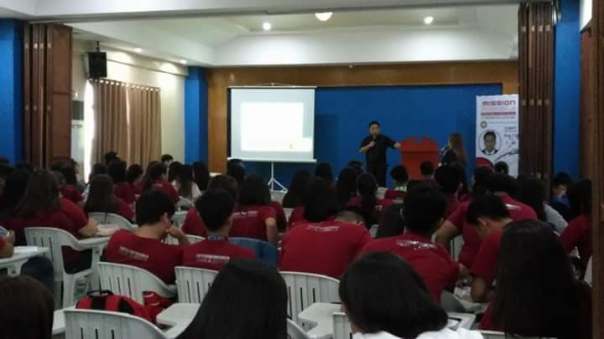
While spending my summer vacation in the Philippines, I was invited as guest speaker in a seminar organized by a teacher education institute for their Education students. I obliged for being a teacher myself, I consider it both a pleasure and an obligation to help young people who are aspiring to become teachers understand the complexity of the teaching profession. I want them to realize that teaching is not just any job – something that people wanting to be employed should turn to only when there are no other jobs available in the market.
After delivering my talk came the usual question-and-answer session.
The theme of the seminar was similar to a topic that I explored in one of the essays I have written about teaching – “What Makes A Great Teacher.”
I was asked – “Do you think you are a great teacher?”
That was a question I didn’t see coming.
Part of my preparation when invited to speak is anticipate the questions that I might possibly be asked and mentally get the answers ready. For that question, I did not have a ready answer.
So, I just answered it as best as I could.
I said, “That’s a question that only my (present, past and future) students could answer. I am as good or as bad as what my students think I am (or thought I was or will be thinking I am). The truth is the students are the the best judge in determining the greatness or ordinariness of their teachers. They are the ones who witness every meeting the adequacies or inadequacies of the people assigned to teach them. Only the students could say how excellent or mediocre their teachers are. However, there is one thing I could assure you – I never shortchange my students. I always come to class prepared.”
Little did I know that that would only be the first of a series of unexpected questions.
I was also asked, “Why do you need to teach in South Korea?” That question came as a surprise. I almost said that is not related to any part of my presentation. But I refrained from offering that excuse and played with the question anyway.
I responded with a single word – “Economics!!!”.
They understood… I guess!
That I said because that’s the answer they were expecting. They would not believe anything else. Would they believe had I told them that it was not the search for a greener pasture that brought me to South Korea?
The common perception in the Philippines is if somebody applies for a job overseas, it is to satisfy the desire to earn more money. Secondly, Filipinos abroad accept jobs not in line with the college degrees they pursued.
Before the next question came, I remember telling the Dean of that institution’s Education program before my talk started that it was “job burnout” that prompted me to revisit the “career path” I set for myself many years ago. Teaching overseas is part of my plan – something I pursued only when I got tired working as a school administrator.
I also told the attendees in the seminar about that and I added that initially my intention was to be out of the country only for a year. However, when I noticed that here in South Korea my health got better and that I am having more time to pursue my passion for writing (not to mention that the remunerations are great), I decided to stay for as long as God would permit.
“What’s the difference between teaching in the Philippines and in South Korea?,” was the next unexpected question.
I answered, “None!”
It’s simple, teachers are teachers wherever they are. Notwithstanding their location they would first establish a good rapport with the students then perform all the activities that teachers do in the class.
I said that the principles and strategies in teaching and learning are universal. Wherever they are, teachers draw from the same pool of teaching and learning methodologies. Whoever they teach they get to choose which ones from the same set of educational philosophies would inform whatever decisions they make in the classroom.
I pointed them back to a certain portion of my presentation where I said the following: “Pedagogy dictates that the teachers should be able to master the subject matter, set learning objectives, motivate students, design learning activities, facilitate learning, construct assessment and assess learning.” These are the things teachers ought to be doing whatever is the nationality of the students they are teaching. Wherever and whoever they teach, teachers are expected to display excellently their pedagogical skills and manifest the behavior expected from professionals like them.
After that, I asked them to read my essays entitled “Professionalism Among Teachers” and “What Teachers and Students Expect From One Another.”
Another question that I did not expect to be asked, the last one, was – “Am I satisfied with the current educational system?”
I said that the shift to K–12 basic education system, to me, was the boldest and perhaps the best initiative the government undertook to overhaul Philippine education. Obviously, all the educational programs put up by past governments failed for the simple reason that we remained as a “developing country” until now.
Whether the new education system (K–12) works or not is too early to say. It depends on the kind of Filipinos that the schools will produce in the future and what kind of performance they dish out in the socio-economic and political fronts for the country. If after 10 to 20 years the Philippines will finally be classified as a “developed country,” then the ongoing educational reforms are effective.
For the aforementioned to happen, I argued that the present educational system should inculcate in the students two basic qualities of persons/citizens that could help solve the ills of society – self-sufficiency and personal accountability. Such are the values lacking among Filipinos.
I told the participants that if I ever I will be putting up a school of my own, I will tweak the curriculum a bit and make sure that the students become self-sufficient and personally accountable persons/citizens upon their graduation. I will add components in the curriculum to ensure the development of such values in them.
If the said values the school would fail to teach the citizens of the Philippines, the future generation of Filipinos will not be any different from who and what the Filipinos are now.
The schools, I reiterated, need to help the students to become personally accountable for their own lives – to do everything they should to succeed, to not rely on anyone to achieve their goals in life, and to not think that it is somebody’s duty to help them.
I told the participants in the seminar that for a school system to be truly effective and successful, it should succeed in changing the mindset of Filipinos – a mindset that revolves around the principles of self-sufficiency and personal accountability.
My lecture was entitled “The Ps of Great Teaching.”
The Ps I discussed were the following:
Philosophy
Professionalism
Pedagogy
Patience
passion
Passion
That’s not a typo there, there are two “passions” in the list, one with a capital P.
It was my turn to ask the students questions after I answered all theirs.
“Which of the Ps of great teaching is most important for you?”
I got many good answers.
When they asked me to answer my own question, this was my response:
“All the Ps are important. You cannot teach as best as you could when you lack any one of them. However, for me, Passion is the most important.
Passion with a capital P means the sufferings of Jesus Christ. Becoming a teacher is following His example – to be self-less.
Like Jesus, teachers have to carry their cross. The cross and Jesus getting nailed on it was the symbol of humanity’s salvation. Education is the cross that teachers carry on their shoulders – that cross called education is what brings salvation to the soul of every student in their classes.
 M.A.D. LIGAYA


 M.A.D. L I G A Y A