Author Archives: M.A.D. LIGAYA
The Difference in English Proficiency Between Tourism and Engineering Students of Two Asian Universities

The Difference in English Proficiency Between Tourism and Engineering Students of Two Asian Universities
Massuline Antonio D. Ligaya, Estrella F. Fajardo, Joung-Hyun Ham, and Seungjin Lee
International Journal of Recent Technology and Engineering (IJRTE), Vol. 8, Issue 2S6, July 2019, pp. 219–224
DOI: 10.35940/ijrte.B1041.0782S619
Research Summary
English proficiency has become increasingly important across academic disciplines and professions, particularly in fields whose graduates are expected to participate in an international workforce. Tourism is commonly associated with a strong need for English because practitioners routinely communicate with people from different linguistic backgrounds. Engineering, by contrast, may sometimes be perceived as less dependent on English communication. Yet engineers working in international and technology-oriented environments also need English for professional activities such as writing emails and reports, participating in meetings and teleconferences, and delivering presentations. Against this background, the study compared the English proficiency of Tourism and Engineering students from two Asian universities and examined selected factors associated with their proficiency.
The investigation focused on four groups: Tourism and Engineering students from University A and Tourism and Engineering students from University B. The study examined students’ age, number of years studying English, attitude toward learning English, motivation for learning English, and level of English proficiency. It also investigated whether these factors were significantly related to proficiency and whether the four groups differed significantly in their English performance.
Using a descriptive survey research design, the study involved 399 respondents: 97 Tourism and 99 Engineering students from University A, and 104 Tourism and 99 Engineering students from University B. The questionnaire contained three sections covering students’ profiles, their attitudes and motivation toward English, and an English proficiency test. The proficiency assessment covered five areas: vocabulary/grammar, correct grammatical form, answering questions, combining sentences, and word sequencing. Data were analyzed using means, correlation coefficients, one-way analysis of variance (ANOVA), and Tukey’s HSD post hoc procedure.
The descriptive findings revealed substantial differences between the universities. Students from University A had studied English considerably longer than those from University B. Engineering students from University A reported the longest average exposure at 13.51 years, followed closely by Tourism students from the same university at 13.38 years. By comparison, Tourism and Engineering students from University B averaged 9.82 and 9.97 years, respectively.
Attitudes toward English also varied. Tourism students from both universities and Engineering students from University A demonstrated positive attitudes toward learning English, whereas Engineering students from University B were classified as only moderately positive. All four groups were classified as moderately motivated, with relatively small differences in their motivation scores.
The clearest differences emerged in English proficiency. Both groups from University A were classified as proficient, while the Tourism and Engineering students from University B were classified as moderately proficient. Engineering students from University A obtained the highest overall proficiency mean (3.376), followed by Tourism students from University A (3.08). Tourism students from University B recorded the lowest mean (2.186), while Engineering students from University B obtained 2.232. Engineering students from University A also achieved the highest scores across all five tested areas.
Correlation analysis produced different patterns across the four groups. Among Engineering students from both universities, the number of years studying English was significantly associated with particular areas of English proficiency. Among Tourism students, age showed negative relationships with certain proficiency areas. Only among Tourism students from University B were attitude toward learning English and motivation for learning English positively correlated with English proficiency. These findings suggest that factors associated with proficiency differed according to student group rather than operating uniformly across all participants.
The comparison of the four groups produced a statistically significant overall difference, with the ANOVA yielding F = 62.77, p < .001. Tukey’s post hoc analysis showed that Engineering students from University A significantly outperformed all three other groups. Tourism students from University A also significantly outperformed both groups from University B. In contrast, the difference between Tourism and Engineering students within University B was not statistically significant.
Overall, the findings challenge the common assumption that Tourism students necessarily possess stronger English skills than Engineering students because of the communicative demands of the tourism profession. In this study, the highest-performing group consisted of Engineering students, while differences between the two universities were considerably larger than the Tourism–Engineering difference within University B. The results therefore suggest that academic discipline alone cannot adequately explain differences in English proficiency; learners’ educational context and previous exposure to English also warrant consideration.
Research Contribution
The study contributes to research on English proficiency across academic disciplines and Asian university contexts by directly comparing Tourism and Engineering students rather than assuming that the communicative demands of their future professions determine their language competence. Its findings question the stereotype that Tourism students should necessarily outperform Engineering students in English and highlight the possible importance of educational context and duration of English-language study. The study also demonstrates that relationships among age, motivation, attitude, English exposure, and proficiency may differ across groups, supporting more context-sensitive approaches to university language education.
Keywords: English proficiency, Tourism students, Engineering students, attitude toward English, motivation toward English, English-language exposure, Asian universities
Full Text
The full text of this publication is available upon request. Researchers, educators, students, and other interested readers who wish to obtain a copy may contact the author through this website or by email at madligaya@gmail.com.
Overcoming Homesickness
 (A Personal Essay)
Longing for home – that’s the simplest way to explain what homesickness is. It is the feeling of sorrow that results from leaving behind loved ones and friends to go somewhere far, usually overseas, for a long period of time
Well, a lot have been written about the subject. The loneliness one feels when away from home is the theme of many essays, stories, and poems. There are also movies about homesickness and plenty of books and speeches sharing tips on how to overcome it are available.
As an expat working here in South Korea (since 2013), I can say that I am no stranger to homesickness. I am so familiar with this emotional experience. I know how it feels to be hundreds of miles away from the comfort of home and the warm embrace and assuring presence of friends and loved ones. I know how discomforting it is to be in an unfamiliar territory where almost everything is different from what one was accustomed to.
There are people claiming to have never experienced homesickness. Well, good for them. What about me?
I waged a battle against this emotional discomfort during my first weeks here in South Korea. I thought that mentally preparing for a departure from my comfort zone would be enough to help me overcome whatever challenges that await me in this country, including homesickness.
While waiting for the day I would fly to this country, I tried to prepare for it mentally by accepting that I would not be with my family for a long time and that my wife who takes good care of me and prepares everything I need wouldn’t be there to help. I thought that somehow I could also prepare emotionally for a life away from my country and my family by simply accepting that it would soon be my reality. I was wrong.
Excitement overwhelmed me when I came out of the plane at the Gimhae International Airport. I was so happy seeing South Korea for the first time and thinking of my good fortune for being given the opportunity to teach here. But the euphoria was short-lived. Upon entering the apartment the university provided, the reality that I was by my lonesome in a faraway place, something that I thought I have already fully embraced when I departed home, seemed like tiny needles starting to prick my emotions.
When I began unpacking, I recalled the conversation I had with my wife and my son while they were helping me stuff all those things in my luggage. I remember how the lady of my house tried unsuccessfully to control her tears. I remembered also the phone calls I made to my parents. It was less than a day of being separated from my family and I was already missing them. Just that and all of a sudden my first episode of homesickness kicked in. Sadness crept in slowly. The early spring weather giving me a chilly welcome exacerbated it.
I tried to dismiss the thought of me feeling homesick by thinking that I was just tired, hungry, and cold at that time. But the feeling lingered in the next days notwithstanding the heater in my room, the multiple layers of clothes in my body, and the hot and spicy foods on my table.
I dreaded the coming of night and the weekend for it meant being alone in my room. At least when in the workplace I have the company of my colleagues and my students and the work made me preoccupied.
During my first two weeks here in South Korea, I was in a funk and I knew I couldn’t afford to stay that way or else my job performance would be adversely affected. So, I resolved to eradicate the problem. I know I have in my repertoire of skills something that I could summon to help me figure out how to get out of the said funk – my ability to bounce back from adversity.
The first thing I did was stop denying that I was longing for home. I stared homesickness in the eyes. I treated it as a problem so I would be able to have the mindset that it could be resolved.
And much that I was missing home and my family, I tried to see if Skyping my loved ones in the Philippines longer than usual would help. Thank God It did. I pushed it further by requesting my wife as well that when we’re done talking she should not cut the Skype connection. I even told her to bring the laptop in any place in the house where I could see her and our son. That worked more wonders for me. Seeing my wife and my son moving around our house in the Philippines doing what they usually do and hearing the songs they listen to and other familiar sounds – the roosters crowing, the dogs barking, the horns of vehicles honking – was emotionally comforting.
It’s hard to believe but I had homesickness figured out within my first month here in South Korea. Thanks to Skype and Facebook Messenger. Thanks also to South Korea’s fast internet connection that allows me to make a video call with my family practically anytime and wherever I am – home, office, or even in the mountain when I was hiking.
I and my family could Skype as long as we want. But it couldn’t be for 24/7. There are times as well that my wife or my son have pressing concerns and other things to attend that makes connecting with them impossible.
Those are the times when I pursue my other passion – writing. I write stories, essays, poems, and research papers. I write in both English and Filipino. It’s only a hobby. Yes, sometimes I get paid for the things I write but I am doing it primarily for the immense joy and sense of satisfaction it gives me.
I have a lot of free time here in South Korea that I was able to create and maintain my own website (M.A.D. LIGAYA). The said website serves as repository for my writings.
Maintaining my website and creating its contents have been making me super busy so much so that I could no longer find time to be homesick.
There were times that I could not even Skype my family because I was busy attending to my website.
Nowadays, whenever people ask me how I got through homesickness I already have a definite response – through “Skyping” my family and writing.
Anyway, there are other activities that I do after work not only to keep homesickness away but to achieve work-life balance – watch movies and the sports I love, go to the gym, read books, and watch videos on personal growth and development. You may say I have a boring routine. But it works for me. Of course, I go out with a very few selected friends during special occasions. But basically, I am a lone wolf. That is by choice for I wanted to avoid vices, troubles, and negative conversations.
The Lonely Boat
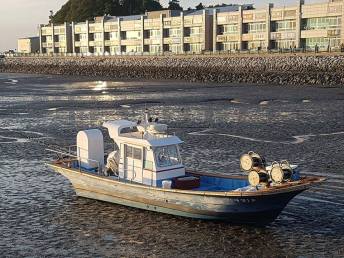
“What am I without you?”
The boat says to the sea.
“Bring back the tide,
make me alive.
I beseech thee.”
Bring back the tide
Let me ride your waves
Toss me to and fro
Throw me up high
Then splash me down hard into your waiting arms.
Bring back the tide,
Pull me out of the dock!
I’d rather face the peril
of being whipped
by the mighty waves of your love
Than left alone moored in the lonely sands of memory.
Huwag Kang Lilingon – Chapter 1

Chapter 1
“Sa Pinagmulang Dalampasigan“
Hindi ko na mabilang kung ilang beses tumingin sa kanyang relo si Daniel at pagkatapos ay bubuntong hininga. Wala na siyang sigarilyong masindihan pero patay-sindi pa rin ang ginagawa sa hawak na lighter. Matagal nang ubos ang laman ng kaisa-isang pakete ng sigarilyo na binili niya sa terminal ng bus bago kami bumiyahe. Ako nama’y nang magsawang makinig sa mga paborito kong kantang naka-download sa cellphone ko’y pinanood ko na lamang ang mga bankang inuugoy ng mga alon malapit sa pampang habang nagbabalik-tanaw ako sa aking kamusmusang ginugol ko sa tabing-dagat sa bayang aking sinilangan.
Nabaling ang aking atensyon kay Tomas. Nakatayo pa rin siya sa may rampa na parang tuod. Habang kami ni Daniel ay umiiwas sa tilamsik ng tubig-alat na hatid ng along humahampas ng paulit-ulit sa aming kinapupuwestuhan ay hinahayaan lamang niyang mabasa siya nito. Taog na kasi at medyo may kalakasan pa ang hangin kaya maalon. Mukhang may bagyong paparating.
Si Tomas ay nakatingin sa direksyon ng araw na malapit nang lunurin ng dagat. Mahirap hulaan kung inaabangan ba niya ang paglubog ng araw na bahagyang ikunukubli ng balumbon ng ulap o mayroon kung ano mang nakatago sa likod ng ulap na pilit niyang inaaninag. Kapansin-pansin ang paminsan-minsang niyang pagyuko upang hagurin ang kanyang mga hita. Marahil ay nangangalay na siya sa tagal ng kanyang pagkakatayo. May mga pagkakataon na ikinukuyom niya ang kanyang mga kamay. Animo’y mayroon siyang gustong hawakan na hindi mahagilap ng kanyang mga kamay.
Halatang hindi mapakali si Tomas. Labis siguro niyang iniisip si Evelyn, o Eve kung aming tawagin. Ako ma’y ganoon din, hindi rin mawala sa isip ko si Eve. Ang pagkakaiba marahil eh si Tomas ay nag-aalala lang sa kanya. Bukod sa pag-aalala, ay may mas malalim pa akong dahilan — sabik akong makita siya.
Pinipilit kong itago ang nararamdaman ko kay Eve. Hindi ito puwedeng malaman ni Tomas at lalong hindi puwedeng mabisto ni Daniel. Bakit? Dahil ba sa kapatid siya ng aming kasanggang-dikit at ayaw kong isipin niyang sinasamantala ko ang pagkakaybigan namin? Minsan ding narinig ko ang aking ina sinabing hindi maganda sa paningin na taluhin mo ang kapatid ng matalik mong kaybigan.O torpe lang talaga ako.
Ang daming pagkakataon na gusto kong hawakan ang mga kamay ni Eve. Gusto kong sabihing may pagtangi ako sa kanya. Subalit tuwing ibubuka ko na ang aking bibig ay walang salitang lumalabas dito.
Ang pag-mumuni-muni kong iyon ay pinutol ng isa nanamang buntong-hininga ni Daniel. Ang medyo masungit na panahon ay tila sinasalamin ang magkakahalo alalahanin at isipin namin sa pagkakataong iyon.
Magkatabi kami ni Daniel na nakaupo sa isang baytang ng hagdanan ng parola na nasa dulo ng konkretong breakwater. Medyo may kalakasan nga ang hangin galing mula sa nilulubugan ng araw dahilan upang umalon ng katamtaman lang naman ang taas at iugoy ang mga bankang nakahimpil malapit sa hilera ng mga puno ng talisay sa tabing-dagat. Nagpapaligsahan rin sa pag-indak sa saliw ng hangin ang mga dahon ng hagonoy at kugon na tumubo sa kahabaan ng dalampasigang iyon.
Mababa lang ang parolang iyon sa breakwater. Sa tantiya ko ay higit-kumulang na 10 talamapakan lang ang taas. Isang malaking bombilya ang nakalagay sa ibabaw nito na nakapaloob sa isang lagayang yari sa makapal na salamin. Gabay iyon ng mga mandaragat upang malaman nila kung saang banda ang pampang kapag madilim ang gabi, lalo na kung masama ang panahon. Bukod sa nadaanan naming malaking bahay na napapalibutan ng mataas na bakod na ang bawat sulok ay may mga CCTV, ang dalawang solar panel sa ibabaw ng lagayan ng bombilya ang tanging palatandaan na umabot na sa lugar na ito ang kabihasnan.
Si Daniel ay may takip na panyo sa ilong. Halatang hindi sanay sa amoy na isinisingaw ng dagat at ng buhanginang nagsisilbing libingan ng mga patay at nabubulok na lamang-dagat. Pablihasa nga ako’y isinilang sa lugar na malapit sa aplaya kaya sanay na ang ilong ko sa amoy ng tubig-alat na itinuturing ni Daniel na mabaho at malansa. Para sa akin, di-hamak na mas mabaho ang amoy ng sigarilyong kumapit sa suot niyang t-shirt at mas malansa ang hininga niyang may halong amoy ng nikotina.
May isang luma na’t sira-sirang rampa na yari sa magkahalong kahoy at kawayan na nakadikit sa breakwater. Doon nga nakatayo si Tomas. Sa tinging ko’y nagsisilbing daungan ng mga bangka at siguro ay babaan rin ng mga isda at iba pa mga lamang-dagat na nahuhuli ng mga mangingisda kapag kati at hindi makatuloy sa pampang ang kanilang mga bangka.
Kahalintulad ito ng daungan sa bayan namin. Dalawang baytang rin na hagdanang yari sa kahoy ang nakapagitan sa rampa at breakwater. Malamang na yari rin sa kongkreto o malaking kahoy ang nagsisilbing poste ng rampang iyon. Hindi ko makita sa dahilang taog nga noon.
“Anong oras ba talaga darating ang bangkang sasakyan natin,” ang tanong ni Daniel kay Tomas. “Aba’y makapananghalian pa tayo naghihintay dito ah.” Ang mga kunot sa noo ni Daniel ay parang kanal na dinadaluyan ng kanyang pawis.
“Oo nga naman bro, hayan papalubog na ang araw o,” ang dugtong ko.
“Aywan ko ba,” ang sagot ni Tomas. “Ang sabi niyong kakilala ko na kapag wala na ang araw at lalatag na ang dilim eh saka pa lamang daw darating ang bankang naghahatid sa mga gustong pumunta sa isla. Akala ko nagbibiro lang siya kaya hindi ko na ito binanggit sa inyo. Pero mukha yatang totoo ang sinabi niya.”

Pailing-iling na tumingin sa akin si Daniel. Pagkatapos niyo’y tumingin sa kawalan at bumuntung-hininga. Hindi iyon nalingat kay Tomas.
“Pasensya na mga ‘tol,” ang wika ni Tomas. “Nadamay pa kayo sa problema ko. Kung gusto na ninyong umuwi eh okay lang. Ako na lang ang maghahanap sa kapatid ko.”
Nanahimik na lamang kami matapos iyon sabihin ni Tomas. Kung puwede ko lang sanang sabihin na responsibilidad ko ring hanapin si Eve. At marahil ay mas masidhi ang pagnanais kong makita ang kanyang kapatid kaysa sa kanya.
Maya-maya pa’y sabay kami halos ni Daniel na bumaba sa rampa upang lapitan si Tomas.
“Bro, sorry, hindi ka naman namin pwedeng iwanan dito,” wika ko sabay akbay sa aming kaybigan. “Kami naman ang nagpumilit sumama sa iyo dito ‘di ba. Wala tayong iwanan. Mula noon ganyan tayo.”
“Nakakainip lang kasi ‘tol, dalawang oras pa halos ang biniyahe natin patungo dito kanina,” ang dagdag ni Daniel. “Tapos mahigit isang oras pa tayong naglakad papunta dito. Sumakit ang mga paa ko dito sa suot kong sapatos.”
Eh engot ka kasi eh,” ang sabi ko. “Alam mo namang dagat ang pupuntahan natin at sasakay pa tayo ng bangka eh nag-leather shoes ka. Dapat kasi rubber shoes, tsinelas o sandals ang sinuot mo. Tapos naka-trousers ka pa.”
“Nakalimutan ko nga na bibyahe tayo sa dagat,” ang sagot ni Daniel. “Hay naku, akala ko’y naiwan ang nanay kong sermon nang sermon. Kasama ko pala”
“Ganyan ka kapag napapansin ang kaengotan mo,” ang tugon ko. “Hindi ka kasi nag-iisip bago gumawa ng desisyon. Ilang beses ka na bang nagka-problema sa ugali mong ganyan. Pabigla-bigla. Napaka-impulsive mo.”
“Oo na… oo na. Ikaw na magaling.” Ang wika ni Daniel sabay sipa sa isang maliit na bato nasa aming paanan.
Tinampal ko sa balikat si Daniel. Lumayo siya sa akin ng kaunti. Parang nagtatampo.
“Patience Daniel… patience.” Ang sagot ko sa kanya.
“Pagod na, gutom pa. Napakalayo pa naman ng mga bahayan na nadaanan natin kanina. Wala man lang mabilhan ng pagkain at mahingan ng kahit tubig man lang na maiinom. Tapos iyon pang mga mangingilang-ngilang bahay na nadaanan natin kanina eh nagsasara ng mga bintana at pinto kapag malapit na tayo.”
Napansin ko rin iyon pero inisip ko na lang na marahil ay nag-iingat lamang ang mga may-ari ng bahay sa dahilang kami ay mga dayo.
“Ah basta… gutom na ako.”
“Magtigil ka nga Daniel,” wika ko. “Ayos lang na naglakad tayo ng malayo at wala tayong pagkain para pamin-minsan eh nakakapag-exercise ka at nakakapag-diet. Tignan mo nga iyang tiyan mo oh, parang tambol na ah.”
“Kung makapagsalita ka Willy eh parang ke payat-payat mo,” ang sagot ni Daniel sa akin.
Tumawa ako’t tinampal ko nanaman sa balikat si Daniel sabay sabing, “Joke lang bro. Pero tignan mo… di hamak na mas malaki ang tiyan mo sa akin. At tignan mo oh… kahit kaunti may mga muscles na ako.” Wika ko sabay pakita ng aking biceps. “Sumama ka na kasi sa amin mag-gym.”
“Oo na… oo na… next time sasama na ako sa inyo.”
“Gusto mong maging pulis ‘di ba? Eh baka hindi mo abutan ang mga hahabulin kung may bitbit kang tambol.”
Pagkasabi ko niyon eh binuksan ko ang aking dalang backpack. “O heto tubig. Kundi ka ba naman talaga engot. Ni tubig ‘di ka man lang nagbaon.”
“Eh tumakas nga lang ako ‘di ba.”

“O heto pa biscuit, isaksak mo sa ngala-ngala mo para matigil ka sa kakareklamo.”
Padabog na kinuha ni Daniel ang mga iniabot ko.
“Hindi ko kasi natanong doon sa nakausap ko kung may mga karinderya o tindahan dito. Pasensya na mga tol.”
Tumingin ako kay Daniel, sinimangutan ko ito’t sinenyasang manahimik.
“Ang tigas kasi ng ulo ni Eve. Pinagbawalan ko siyang sumama sa mga kaybigan niyang mag-night swimming eh hindi nakinig.”
“Eh mukhang lahi yata talaga kayo ng matitigas ang ulo tol,” ang hindi ko malaman kung nanunuya o nagbibirong sabi ni Daniel. “Baka naman nagtanan na si Eva at si Jeff kaya hindi pa umuuwi.”
“Magtigil ka nga.” Ang inis na bulalas ko kay Daniel. Para kasing kinurot ako ng selos nang sabihin niya iyon. Ayaw kong isipin na tuluyan nang mawawalan ako ng pag-asa kay Eve. Iyon ang mangyayari kung nagtanan nga sila ni Jeff.
“Sigurado akong hindi ganoon ang nangyari.” Nahimasmasan ako ng sabihin iyon ni Tomas.
“Hinahanap nga siya ni Jeff sa bahay kagabi si Eva kaya nalaman ng nanay namin na wala pala siya sa bahay. Pilit ko siyang pinagtakpan pero bistado kami. Masyado nang nag-aalala si nanay kaya pinapasundan na sa akin. Aywan ko ba. Kinakabahan talaga ako. Sa lahat pa naman ng mapipiling puntahan eh bakit sa islang pang iyon.”
“Bakit Tomas? ang tanong ni Daniel. “Anong meron sa islang iyon?”
“Ha… eh, wala naman tol,” ang sagot ni Tomas.
Pakiramdaman ko’y may gustong sabihin si Tomas. Pinagmasdan ko siya at nang magkasalubong ang aming tingin eh ngumiti siyang pilit.
“Ano iyon ‘tol?” ang tanong ko kay Tomas.
Kilala ko si Tomas. Meron siyang dapat sabihin sa amin. High school pa lang eh magkakabarkada na kaming tatlo. Nagdesisyon din kaming pumasok sa iisang kolehiyo at pare-pareho pa ang kursong kinuha namin. Nagkataon namang pare-parehong Criminology ang gusto naming tapusin. Halos araw-araw eh magkakasama kami. Sabado man o Linggo eh kung hindi sa amin eh doon kami tumatambay kina Daniel o kina Tomas. Parehong firing range din ang pinupuntahan namin para magsanay sa paghawak ng baril.
Wika nga’y kabisado namin ang likaw ng bituka ng bawat isa. Wala kaming itinatagong sikreto—bukod marahil sa tunay kong damdamin para kay Eve. Pilit ko itong inilihim. Nahihiya akong malaman ito ng dalawa.
Hindi mahirap gustuhin si Eve dahil sa kagandahan niyang taglay. Lalong hindi siya mahirap mahalin dahil sa mga magaganda nitong katangiang. Matalino rin siya at napakalambing.
Wika nga’y gustuhin si Eve at hindi ako magtataka kung maging si Daniel man ay may gusto rin sa kanya. Baka nga kung totong may mga anghel, demonyo, at maligno ay maaring mapa-ibig niya.
Pinutol ni Daniel ang pagiisip ko kay Eve. “Bro, ano na? Ano ba talaga ang meron sa islang iyon?”
Getting Through The First Day Of Class
(A Personal Essay)
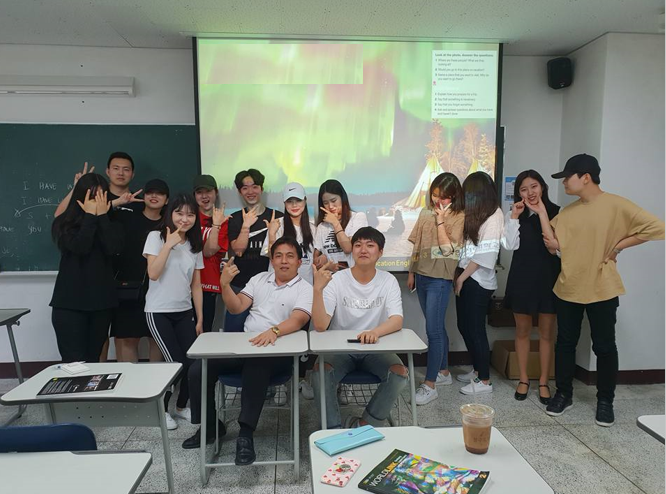 Each meeting with my students is important but it’s the first day that I consider very special – the most strategically important. It’s the day that I would attempt to accomplish one of the hardest things to do in education – to shatter the students’ image of the classroom as a prison cell, with them as prisoners and the teachers as nasty prison guards. It’s the day when I begin to lay the foundations of what every teacher should endeavor to forge between them and their students – a good rapport.
The entire semester is a long haul and I know that winning their hearts would make our journey together as enjoyable and productive as it could be. If I succeed in making them trust me during the first day, half-of-the battle is already won. Earning the trust of my Korean students is very important to me as an expat teacher teaching English. What makes that task of earning their trust not only necessary but also (doubly) challenging is the fact that I yes I am an ESL teacher with the proper qualifications and training but I am not from any of their preferred native English speaking countries.
There’s nothing very special about the way I conduct my first meeting with my new students here in South Korea. It’s just a bit unconventional.
My introduction would always include telling my students the nickname which I adopted with the intention of eliciting laughter whenever I deliver a talk – Tonitonipoponibananananapoponinomimayfofoni. (Inspired by Laura Branigan’s song entitled “Name Game.”) Amazingly, when I tell my students that and jokingly threaten them to memorize it if not they would fail in my subject, they would try very hard to repeat it after me and laugh at themselves if they wouldn’t be able to say it.
Then I would add, “Whoever could say my nickname correctly will get an A+.” I don’t mean it of course. Luckily, up until this time, no one among those who tried succeeded. It was me who would always succeed – in getting their attention.
From there, I would give them the necessary information about me as their teacher. The most significant of those information (as far as I am concerned) is the number of years I have been teaching. It currently stands at (a few months more than) 30 years. The point I wish to drive home for highlighting to my students how long I have been teaching is – I wouldn’t stay this long in the academe if I don’t love my job.
The next part of my first-day-of-class script would touch the boundaries of philosophy.
I would be delivering something like an“eve-of-battle” speech. The way they do it in movies.
I would ask my first question: “Why am I teacher?”
Puzzled, the students would grope for an answer.
I would give follow-up questions after that – Would you call a woman a mother without a son or a daughter? Are your mothers and fathers mothers and fathers without you as their children?
Amid their “aahs” and nods I would then say, “I am a teacher because of the students. My reason for being a teacher is each of you. Without you, I am just a person – not a teacher.”
That’s my way of telling my students that the most important stakeholder in a school are them. Schools exist because of them. School administrators and teachers have work because of them.
That’s my way of telling them that I exist (as a teacher) to serve their interests.
I would end that part with the following statement: “Thank you for having me as your teacher.”
After that I would show them a video clip from the movie “Collateral Beauty” – that part where Howard Inlet, the character played by Will Smith, delivered a speech in a gathering of his employees at the beginning of the movie.
- “What is your why? Why did you even get out of the bed this morning? Why did you eat what you ate? Why did you wear what you wore? Why did you come here?”
I would pause the video clip after each question and would ask them to give an answer.
Then I would ask them follow-up questions. (These were the only questions I asked when I was not yet using that movie clip.)

Why are you here in school?
Why do you want to finish your studies?
The last question I would ask – Why did you enroll in this class?
I never failed to ask the said questions because I want my students to understand that for them to succeed not only in their studies but in all their present and future endeavors, they need to set goals. They ought to know their whys. They must know the reasons why they do what they do, say what they say, and think what they think.
I would tell them also that the worst “why” to have for studying is to get A+ – that grades are not the be-all and end-all of schooling.
All of the foregoing would be finished in twenty to thirty minutes.
I would then ask the student to introduce themselves.
After all of the foregoing , I would proceed to the presentation of the course syllabus – explain the course objectives, give the topics to be discussed weekly, and tell them what activities will be done in the class and how are they going to be graded.
In explaining discipline in the class, I would simply ask this question – “Are you small children?” They would of course say “NO.” Then I would tell them this – “I therefore expect you not to speak and behave like small children.”
Then we proceed to the finale – presentation of course requirements.
It’s not surprising to see the students frown when they see the course requirements on the last page of the syllabus. That’s the time that I would deliver the last part of my “eve-of-battle” speech.
I would ask – “Is learning fun?”
As expected, majority would say “no.”
My next question would be – “Is work fun?”
Of course the students would say “no” again. And every time I would ask that, one or two would say “There were many times I heard my father complained about his job.”
Then I would go on and tell them the following:
“Nothing is to be given to you in a silver platter. You need to work hard to achieve your dreams. Studying and working would require effort – you have to exert mentally, emotionally and physically. But something could make studying and working fun – your attitude. Your attitude towards studying will be dictated by your whys. Your whys put together is your philosophy.”
I would spend another minute or two to explain something about “personal philosophy.” At the end I would tell them that each teacher has a personal teaching philosophy and mine is as follows:
“The classroom is my playground. The students are my playmates. The subject is our toy.”
How surprised they would be whenever I say that when I come to class I don’t work, I play. Work is hard. Play is fun.
As we end the first meeting I would tell them, “Come back next week and let’s play.”
Ang Sumpa
(Maikling Nobela)

Paano kung mali ang akala natin na lahat ng totoo ay kung ano lamang ang nakikita ng dalawang mata… kung ano lang ang puwedeng ipaliwanag sa pamamagitan ng lengwahe ng siyensiya, matematika at lohika?
Paano kung ang lahat ng kaalaman ng mga itinuturing na mga dalubhasa’t paham na nabuhay mula noong unang araw sa kasaysayan ng tao ay hindi pala naisulat sa ano mang aklat o sadyang hindi isinulat dahil kapag ito ay nalaman ng mga hindi dapat makaalam eh sa halip na makabuti sa sangkatauhan eh makasama ito?
Paano kung bukod sa dalawang mata ay totoong may pangatlo at ang nasusulat lang at nababasa sa mga libro eh iyong nakikita lang ng dalawang mata? At kung totoong may pangatlong mata, ano kaya ang nakikita nito?
Paano kung bukas ang iyong ikatlong mata? Gusto mo ba? Kakayanin mo bang bigla na lamang makakita ng mga hindi pangkaraniwan – mga kakaibang elemento at mga espiritu? Hindi ka kaya mabaliw o mamatay sa takot?
Kay lolo Benjamin at kay Mon, ano ba ang nangyari nang bumukas ang ikatlong mata nila?
Ano naman kaya ang mangyayari kay Alfred kapag ang kanyang ikatlong mata ang bumukas?
**********
Part 1
Papalubog na ang araw. Nagsisimula nang gumapang ang dilim sa paligid. Nagsisihapon na ang manok sa mga punong nakapaligid sa aming bahay. Isa-isa na ring nagsisipag-paalam ang aming mga bisita. Ilan na lamang ang natira sa kanila kasama ang ilang mga kamag-anakan namin.
Masaya ang maghapong iyon. Maraming pagkain at inumin. Rumenta rin ako ng videoke para mas mag-enjoy ang mga bisita. Nagkakantahan sila habang kumakain. Ang iba’y nag-iinuman at ang ilan sa kanila’y sumasayaw kapag may kantang nagtutulak sa kanila upang umindak. May ilan rin sa mga bisita na nag-abot ng regalo kay Alfred. Ang iba’y sobre ang ibinigay sa kanya.
Pinagmamasdan ko ang aking kaisa-isang anak habang inaasikaso niya ang kanyang mga kaklase at mga kaybigang nagdatingan. Masigla siya at tawa ng tawa. Panay nga ang kuha ng selfie kasama ang mga bisita. Pihadong mamaya o bukas eh babaha nanaman ng pictures sa Facebook ng anak ko. Ipinalangin ko na sana ay ganoon siya palagi. Sana pagkatapos ng araw na iyon ay walang magbago sa takbo ng buhay niya… sana ay walang magbago sa takbo ng buhay naming mag-anak.
“Kuya, mukhang hindi ka yata uminom ngayon. Nakakapanibago ah. Parang pang balisa ka.” Si Pol iyon, pinsan ko.
“Ha, eh pagod lang siguro ako,” tugon ko sa pagitan ng isang ngiting pilit.
“Ang dami mong inihanda para kay Alfred ah!”
“Siyempre naman, binata na ito mula ngayong araw na ito.” Sagot ko sabay akbay sa aking anak. “Alam mo naman ang tradisyon sa lahi nating mga Cervantes. Kapag unang kaarawan, ika-7, ika-13 at debu ng mga anak natin ay ipinaghahanda natin sila, di ba?.”
“O tito Pol, itay… picture-picture muna.” umakbay sa akin si Alfred sabay kuha ng picture namin gamit ang bagong cell phone na iniregalo ko sa kanya.
“Siyanga pala, next month eh debu naman ng unica hija ko. Huwag na huwag na hindi kayo pupunta ha.”
“Aba eh hindi talaga puwede na hindi kami pupunta. Magtatampo iyong inaanak ko,” sagot ng asawa kong si Sally na bigla na lamang sumulpot mula sa aming likuran.
“Aasahan ko yan! Pasensyan na ulit kung iyong mag-ina ko eh hindi nakarating ngayon, may sinat kasi iyong inaanak mo kanina.”
“Okay lang iyon Pol. Tumawag kanina si kumare at nagpaliwanag,” ang sagot ni Sally.
“O papaano, ako eh aalis na at hayan oh papadilim na. Happy birthday na lang ulit Alfred. Iyong regalo ko, binuksan mo na ba?”
“Naku hindi pa po, mamaya ko pa siguro maaasikasong buksan mga regalo ko.”
“Okay… okay! Hoy batang tisoy, huwag ka munang manliligaw ha… hehe.”
“Wala pa po sa isip ko iyan tito.”
“Talaga lang ha. Iyong isang bisita mong dalagita kanina eh laging nakadikit sa iyo ah. Panay pa ang sulyap sa iyo.”
“Ha… eh…”
“O kitam hindi ka makasagot. O…o…biglang namula mukha mo ah.”
“Naku tito wala lang po iyon, napakababata pa po namin ano.”
“Okay…okay… sige… sabi mo eh!. Ay siya, lalakad na ako.”
“Sige po tito. Ingat kayo,” ang sagot ni Alfred.
Inihatid ko sa labasan ang aking pinsan at ilan pa sa mga bisita namin.
Habang pabalik ako sa loob ng bahay ay napansin kong may mga uwak na aali-aligid sa bahay namin. Napansin din iyon ng ilang mga bisita naming papalabas. Iyon eh binale-wala lang ng mga bagong kakilala namin subalit sa aming mga kaybigan na alam ang kuwento ng aming pamilya ay nabakas ko sa kanilang mukha ang pag-aalala.
Bawat huni ng uwak na marinig ko ay parang nagpapasidhi sa kabang aking nararamadaman at nagpapabilis sa paglalakad palayo ng ilan sa mga bisita namin.
Nagsimula na ang kinatatakutan ko. Kung kaylan pa naman na parang nanumnumbalik na ang lahat sa normal. Kung kaylan na parang nakalimutan na ng mga dating kapitabahay at mga kaybigan namin doon sa sityo sa barangay na aming pinanggalingan ang mga nangyari.
Naabutan ko si Alfred na naglalagay sa ilang supot ng mga pagkaing inihanda habang ang asawa ko’y patuloy sa pagliligpit ng mga ginamit sa handaan.
“O, saan mo dadalhin iyan?” tanong ng kanyang ina.
“Kay tito Mon po. Dadalhan ko siya ng makakain.”
“Ha! Gabi na, malayo iyon. Bukas mo na lang siya dalhan niyan!”
“Inay naman eh! Ngayon na po. Pleaasee!!! Magmo-motor naman ako eh.”
“Ay naku anak!”
“Pleaaasseee!!!” Ang nagsususumamong sabi ni Alfred sabay halik sa pisngi ng ina.
“Pero anak, baka mapaano ka. Dumidilim na oh.”
“Inay, hindi na po ako bata.”
“Hayaan mo lang si Alfred ‘nay. Binata na nga naman siya.” Pagkatapos kong sabihin iyon sa aking kabiyak eh bumaling naman ako kay Alfred. “Sige na anak, lakad ka na para makabalik ka kaagad. May pasok ka bukas kaya hindi puwedeng doon ka nanaman matutulog ha.
“Opo itay. Babalik po agad ako.”
“Huwag mabilis magpatakbo ng motor. Iyong bago na ang gamitin mo. I-check mo muna ang preno at ilaw bago mo paandarin,” dugtong ko.
“Sir… yes sir!”
Habang isinusuot ni Alfred ang helmet ay may itinanong siya.
“Itay, iyon nga po palang sunog na mga bahay sa tabi ng bahay ng tito Mon… ano po ba talaga ang nangyari doon? Ang tagal nang ganoon ang hitsura ng lugar na iyon ah. Bakit kaya hindi na inayos ng mga may-ari.”
“Ha?! Eh…” Hindi ko inaasahan mula sa kanya ang tanong na iyon. Hindi ko malaman kung ano ang isasagot ko.
“Naku… naku… Alfred lumakad ka na at gagabihin ka masyado. Saka na lang ikukwento sa iyo ng tatay mo iyan,” ang wika ni Sally.
“Ang gara ah… kapag tinatanong ko si tito Mon tungkol doon eh halatang ayaw niyang ikuwento kung ano ang nangyari. Tapos ang tatay naman eh parang nagulat ng nagtanong ako tungkol doon.”
“Alfred… sabi nang lumakad ka na eh!”
“Oo nga po inay, heto na nga po bababa na.”
“Ikumusta mo na lang kami sa tito Mon mo.”
“Sige po itay. Lalarga na po ako.”

Achieving Marital Bliss
 Just recently I had a chance to talk to three other married people. And yes, we discussed about our married life and what we and our spouses have been doing in our quest for marital bliss.
While we pointed out that our respective partners are far from being perfect we also admitted our own flaws and the possibility that they (our partners) are probably more matured and better persons than us.
When we think that we are a better person than the one we married we could either be right or wrong. But marriage is not about who is the better person – the husband or the wife? It’s about how the couple compliment their strengths and make up for whatever weaknesses the other one has – how they help each other overcome their imperfections. Marriage is about our willingness to accept our spouses for who they are.
In that conversation we all agreed that the worst presumption married people could make is – their spouses are perfect. Assuming that the person we married is a paragon of virtue is a major source of disappointment. Any person is a package of good and bad characteristics and attitudes. That’s the reality. One of the ways to attain marital bliss is to embrace both the positive and negative attributes of the person we exchanged “I do’s” with. The reason there is an engagement period is for both parties to know each other fully and eventually agreeing to tie the knots means accepting unconditionally everything that both parties discovered about each other in the process.
We also talked about expecting (or forcing) our spouses to think and behave the way we want – to change certain attitude or tendencies they have that we perceive to be negative. We discovered that trying to do so only frustrated us. Thus, we all stopped doing that at a certain juncture in our married life and things got better. Our partners are unique individuals who became who they are as a result of their upbringing. We were educated differently and we also grew up in different environments. It is very unlikely that we will have the same set of values and the same mindsets and perspectives. It is a matter of respecting our differences and figuring out what compromises could be made to preserve the marriage.
Greater is the challenge of two of us in the conversation who are married to foreigners whose cultures are entirely different from theirs.
Asking spouses to give up a particular vice is sometimes a marital issue also. Luckily, the spouse’s vice mentioned in the conversation was only smoking and it didn’t become a big deal between the concerned couples.
We admitted as well that while marriage is a bed of roses, hidden by the leaves in the stems of those roses are the thorns. We all have our share of ups and downs in our married life. So difficult were some of the challenges we faced that we almost ended up “untying the knots.” But at the end we all found out that we had more and better reasons to stay with our spouses than reasons not to. We all thought the love between us and our partners are just too strong enabling us to weather all the storms that stood between us and marital bliss. The bible says, “Therefore what God has joined together, let no one separate.” (Mark 10:9)
We also shared personal strategies to keep the flame burning between us and our spouses. Three common strategies came out – finding the simple things that make our spouses happy, giving them space, and avoiding doing things that irk them.
Determining what could put a smile on the face of our spouses is not a rocket science. That is one of the first things we ought to know about our partners if we intend to be with them for keeps. Take note that it’s not always a material thing.
Giving them space is a must as well. Our partners never want to feel as if we’re putting chains on their hands and feet.
Avoiding doing things that might anger our spouses is perhaps the most difficult thing to do. Disagreements between couples are simply unavoidable. But eventually, any issue between spouses has to be resolved and it has to be done so the way matured adults should do it. They cannot afford to allow quarrels, specially if they are petty ones, to go on for days. There is only one logical conclusion to a disagreement between a couple who love each other (and have no intentions of divorcing) and that is for them to kiss and make up. So, they’ve got to do it in the soonest possible time.
Two of us in the conversation are men. I expressed the belief that it will not be too much for a man to always initiate the kiss and make up process. It doesn’t matter whose at fault – him or his lady. That’s what real gentlemen do.
One of the ladies added, “In addition to love the husband and the wife need mutual respect.”
I said that I couldn’t agree more with what was said. At that point I shared my personal strategy for a happy married life. I set a personal goal and is exerting my best efforts to achieve it – “Make the lady of my house feel loved, needed and respected.” The preceding words enclosed in parentheses are included among those that I recite when doing my daily positive affirmations. I swear to God it works.
We all agreed at the end that what could help attain marital bliss is for both husband and wife to make each other feel special – that the man should not think that the courtship ends when the wedding bells stop ringing and the woman should try her best to look beautiful in the eyes of her husband everyday in more ways than one.