Getting Through The First Day Of Class
(A Personal Essay)
 Each meeting with my students is important but it’s the first day that I consider very special – the most strategically important. It’s the day that I would attempt to accomplish one of the hardest things to do in education – to shatter the students’ image of the classroom as a prison cell, with them as prisoners and the teachers as nasty prison guards. It’s the day when I begin to lay the foundations of what every teacher should endeavor to forge between them and their students – a good rapport.
The entire semester is a long haul and I know that winning their hearts would make our journey together as enjoyable and productive as it could be. If I succeed in making them trust me during the first day, half-of-the battle is already won. Earning the trust of my Korean students is very important to me as an expat teacher teaching English. What makes that task of earning their trust not only necessary but also (doubly) challenging is the fact that I yes I am an ESL teacher with the proper qualifications and training but I am not from any of their preferred native English speaking countries.
There’s nothing very special about the way I conduct my first meeting with my new students here in South Korea. It’s just a bit unconventional.
My introduction would always include telling my students the nickname which I adopted with the intention of eliciting laughter whenever I deliver a talk – Tonitonipoponibananananapoponinomimayfofoni. (Inspired by Laura Branigan’s song entitled “Name Game.”) Amazingly, when I tell my students that and jokingly threaten them to memorize it if not they would fail in my subject, they would try very hard to repeat it after me and laugh at themselves if they wouldn’t be able to say it.
Then I would add, “Whoever could say my nickname correctly will get an A+.” I don’t mean it of course. Luckily, up until this time, no one among those who tried succeeded. It was me who would always succeed – in getting their attention.
From there, I would give them the necessary information about me as their teacher. The most significant of those information (as far as I am concerned) is the number of years I have been teaching. It currently stands at (a few months more than) 30 years. The point I wish to drive home for highlighting to my students how long I have been teaching is – I wouldn’t stay this long in the academe if I don’t love my job.
The next part of my first-day-of-class script would touch the boundaries of philosophy.
I would be delivering something like an“eve-of-battle” speech. The way they do it in movies.
I would ask my first question: “Why am I teacher?”
Puzzled, the students would grope for an answer.
I would give follow-up questions after that – Would you call a woman a mother without a son or a daughter? Are your mothers and fathers mothers and fathers without you as their children?
Amid their “aahs” and nods I would then say, “I am a teacher because of the students. My reason for being a teacher is each of you. Without you, I am just a person – not a teacher.”
That’s my way of telling my students that the most important stakeholder in a school are them. Schools exist because of them. School administrators and teachers have work because of them.
That’s my way of telling them that I exist (as a teacher) to serve their interests.
I would end that part with the following statement: “Thank you for having me as your teacher.”
After that I would show them a video clip from the movie “Collateral Beauty” – that part where Howard Inlet, the character played by Will Smith, delivered a speech in a gathering of his employees at the beginning of the movie.
- “What is your why? Why did you even get out of the bed this morning? Why did you eat what you ate? Why did you wear what you wore? Why did you come here?”
I would pause the video clip after each question and would ask them to give an answer.
Then I would ask them follow-up questions. (These were the only questions I asked when I was not yet using that movie clip.)

Why are you here in school?
Why do you want to finish your studies?
The last question I would ask – Why did you enroll in this class?
I never failed to ask the said questions because I want my students to understand that for them to succeed not only in their studies but in all their present and future endeavors, they need to set goals. They ought to know their whys. They must know the reasons why they do what they do, say what they say, and think what they think.
I would tell them also that the worst “why” to have for studying is to get A+ – that grades are not the be-all and end-all of schooling.
All of the foregoing would be finished in twenty to thirty minutes.
I would then ask the student to introduce themselves.
After all of the foregoing , I would proceed to the presentation of the course syllabus – explain the course objectives, give the topics to be discussed weekly, and tell them what activities will be done in the class and how are they going to be graded.
In explaining discipline in the class, I would simply ask this question – “Are you small children?” They would of course say “NO.” Then I would tell them this – “I therefore expect you not to speak and behave like small children.”
Then we proceed to the finale – presentation of course requirements.
It’s not surprising to see the students frown when they see the course requirements on the last page of the syllabus. That’s the time that I would deliver the last part of my “eve-of-battle” speech.
I would ask – “Is learning fun?”
As expected, majority would say “no.”
My next question would be – “Is work fun?”
Of course the students would say “no” again. And every time I would ask that, one or two would say “There were many times I heard my father complained about his job.”
Then I would go on and tell them the following:
“Nothing is to be given to you in a silver platter. You need to work hard to achieve your dreams. Studying and working would require effort – you have to exert mentally, emotionally and physically. But something could make studying and working fun – your attitude. Your attitude towards studying will be dictated by your whys. Your whys put together is your philosophy.”
I would spend another minute or two to explain something about “personal philosophy.” At the end I would tell them that each teacher has a personal teaching philosophy and mine is as follows:
“The classroom is my playground. The students are my playmates. The subject is our toy.”
How surprised they would be whenever I say that when I come to class I don’t work, I play. Work is hard. Play is fun.
As we end the first meeting I would tell them, “Come back next week and let’s play.”
Ang Sumpa
(Maikling Nobela)

Paano kung mali ang akala natin na lahat ng totoo ay kung ano lamang ang nakikita ng dalawang mata… kung ano lang ang puwedeng ipaliwanag sa pamamagitan ng lengwahe ng siyensiya, matematika at lohika?
Paano kung ang lahat ng kaalaman ng mga itinuturing na mga dalubhasa’t paham na nabuhay mula noong unang araw sa kasaysayan ng tao ay hindi pala naisulat sa ano mang aklat o sadyang hindi isinulat dahil kapag ito ay nalaman ng mga hindi dapat makaalam eh sa halip na makabuti sa sangkatauhan eh makasama ito?
Paano kung bukod sa dalawang mata ay totoong may pangatlo at ang nasusulat lang at nababasa sa mga libro eh iyong nakikita lang ng dalawang mata? At kung totoong may pangatlong mata, ano kaya ang nakikita nito?
Paano kung bukas ang iyong ikatlong mata? Gusto mo ba? Kakayanin mo bang bigla na lamang makakita ng mga hindi pangkaraniwan – mga kakaibang elemento at mga espiritu? Hindi ka kaya mabaliw o mamatay sa takot?
Kay lolo Benjamin at kay Mon, ano ba ang nangyari nang bumukas ang ikatlong mata nila?
Ano naman kaya ang mangyayari kay Alfred kapag ang kanyang ikatlong mata ang bumukas?
**********
Part 1
Papalubog na ang araw. Nagsisimula nang gumapang ang dilim sa paligid. Nagsisihapon na ang manok sa mga punong nakapaligid sa aming bahay. Isa-isa na ring nagsisipag-paalam ang aming mga bisita. Ilan na lamang ang natira sa kanila kasama ang ilang mga kamag-anakan namin.
Masaya ang maghapong iyon. Maraming pagkain at inumin. Rumenta rin ako ng videoke para mas mag-enjoy ang mga bisita. Nagkakantahan sila habang kumakain. Ang iba’y nag-iinuman at ang ilan sa kanila’y sumasayaw kapag may kantang nagtutulak sa kanila upang umindak. May ilan rin sa mga bisita na nag-abot ng regalo kay Alfred. Ang iba’y sobre ang ibinigay sa kanya.
Pinagmamasdan ko ang aking kaisa-isang anak habang inaasikaso niya ang kanyang mga kaklase at mga kaybigang nagdatingan. Masigla siya at tawa ng tawa. Panay nga ang kuha ng selfie kasama ang mga bisita. Pihadong mamaya o bukas eh babaha nanaman ng pictures sa Facebook ng anak ko. Ipinalangin ko na sana ay ganoon siya palagi. Sana pagkatapos ng araw na iyon ay walang magbago sa takbo ng buhay niya… sana ay walang magbago sa takbo ng buhay naming mag-anak.
“Kuya, mukhang hindi ka yata uminom ngayon. Nakakapanibago ah. Parang pang balisa ka.” Si Pol iyon, pinsan ko.
“Ha, eh pagod lang siguro ako,” tugon ko sa pagitan ng isang ngiting pilit.
“Ang dami mong inihanda para kay Alfred ah!”
“Siyempre naman, binata na ito mula ngayong araw na ito.” Sagot ko sabay akbay sa aking anak. “Alam mo naman ang tradisyon sa lahi nating mga Cervantes. Kapag unang kaarawan, ika-7, ika-13 at debu ng mga anak natin ay ipinaghahanda natin sila, di ba?.”
“O tito Pol, itay… picture-picture muna.” umakbay sa akin si Alfred sabay kuha ng picture namin gamit ang bagong cell phone na iniregalo ko sa kanya.
“Siyanga pala, next month eh debu naman ng unica hija ko. Huwag na huwag na hindi kayo pupunta ha.”
“Aba eh hindi talaga puwede na hindi kami pupunta. Magtatampo iyong inaanak ko,” sagot ng asawa kong si Sally na bigla na lamang sumulpot mula sa aming likuran.
“Aasahan ko yan! Pasensyan na ulit kung iyong mag-ina ko eh hindi nakarating ngayon, may sinat kasi iyong inaanak mo kanina.”
“Okay lang iyon Pol. Tumawag kanina si kumare at nagpaliwanag,” ang sagot ni Sally.
“O papaano, ako eh aalis na at hayan oh papadilim na. Happy birthday na lang ulit Alfred. Iyong regalo ko, binuksan mo na ba?”
“Naku hindi pa po, mamaya ko pa siguro maaasikasong buksan mga regalo ko.”
“Okay… okay! Hoy batang tisoy, huwag ka munang manliligaw ha… hehe.”
“Wala pa po sa isip ko iyan tito.”
“Talaga lang ha. Iyong isang bisita mong dalagita kanina eh laging nakadikit sa iyo ah. Panay pa ang sulyap sa iyo.”
“Ha… eh…”
“O kitam hindi ka makasagot. O…o…biglang namula mukha mo ah.”
“Naku tito wala lang po iyon, napakababata pa po namin ano.”
“Okay…okay… sige… sabi mo eh!. Ay siya, lalakad na ako.”
“Sige po tito. Ingat kayo,” ang sagot ni Alfred.
Inihatid ko sa labasan ang aking pinsan at ilan pa sa mga bisita namin.
Habang pabalik ako sa loob ng bahay ay napansin kong may mga uwak na aali-aligid sa bahay namin. Napansin din iyon ng ilang mga bisita naming papalabas. Iyon eh binale-wala lang ng mga bagong kakilala namin subalit sa aming mga kaybigan na alam ang kuwento ng aming pamilya ay nabakas ko sa kanilang mukha ang pag-aalala.
Bawat huni ng uwak na marinig ko ay parang nagpapasidhi sa kabang aking nararamadaman at nagpapabilis sa paglalakad palayo ng ilan sa mga bisita namin.
Nagsimula na ang kinatatakutan ko. Kung kaylan pa naman na parang nanumnumbalik na ang lahat sa normal. Kung kaylan na parang nakalimutan na ng mga dating kapitabahay at mga kaybigan namin doon sa sityo sa barangay na aming pinanggalingan ang mga nangyari.
Naabutan ko si Alfred na naglalagay sa ilang supot ng mga pagkaing inihanda habang ang asawa ko’y patuloy sa pagliligpit ng mga ginamit sa handaan.
“O, saan mo dadalhin iyan?” tanong ng kanyang ina.
“Kay tito Mon po. Dadalhan ko siya ng makakain.”
“Ha! Gabi na, malayo iyon. Bukas mo na lang siya dalhan niyan!”
“Inay naman eh! Ngayon na po. Pleaasee!!! Magmo-motor naman ako eh.”
“Ay naku anak!”
“Pleaaasseee!!!” Ang nagsususumamong sabi ni Alfred sabay halik sa pisngi ng ina.
“Pero anak, baka mapaano ka. Dumidilim na oh.”
“Inay, hindi na po ako bata.”
“Hayaan mo lang si Alfred ‘nay. Binata na nga naman siya.” Pagkatapos kong sabihin iyon sa aking kabiyak eh bumaling naman ako kay Alfred. “Sige na anak, lakad ka na para makabalik ka kaagad. May pasok ka bukas kaya hindi puwedeng doon ka nanaman matutulog ha.
“Opo itay. Babalik po agad ako.”
“Huwag mabilis magpatakbo ng motor. Iyong bago na ang gamitin mo. I-check mo muna ang preno at ilaw bago mo paandarin,” dugtong ko.
“Sir… yes sir!”
Habang isinusuot ni Alfred ang helmet ay may itinanong siya.
“Itay, iyon nga po palang sunog na mga bahay sa tabi ng bahay ng tito Mon… ano po ba talaga ang nangyari doon? Ang tagal nang ganoon ang hitsura ng lugar na iyon ah. Bakit kaya hindi na inayos ng mga may-ari.”
“Ha?! Eh…” Hindi ko inaasahan mula sa kanya ang tanong na iyon. Hindi ko malaman kung ano ang isasagot ko.
“Naku… naku… Alfred lumakad ka na at gagabihin ka masyado. Saka na lang ikukwento sa iyo ng tatay mo iyan,” ang wika ni Sally.
“Ang gara ah… kapag tinatanong ko si tito Mon tungkol doon eh halatang ayaw niyang ikuwento kung ano ang nangyari. Tapos ang tatay naman eh parang nagulat ng nagtanong ako tungkol doon.”
“Alfred… sabi nang lumakad ka na eh!”
“Oo nga po inay, heto na nga po bababa na.”
“Ikumusta mo na lang kami sa tito Mon mo.”
“Sige po itay. Lalarga na po ako.”

Achieving Marital Bliss
 Just recently I had a chance to talk to three other married people. And yes, we discussed about our married life and what we and our spouses have been doing in our quest for marital bliss.
While we pointed out that our respective partners are far from being perfect we also admitted our own flaws and the possibility that they (our partners) are probably more matured and better persons than us.
When we think that we are a better person than the one we married we could either be right or wrong. But marriage is not about who is the better person – the husband or the wife? It’s about how the couple compliment their strengths and make up for whatever weaknesses the other one has – how they help each other overcome their imperfections. Marriage is about our willingness to accept our spouses for who they are.
In that conversation we all agreed that the worst presumption married people could make is – their spouses are perfect. Assuming that the person we married is a paragon of virtue is a major source of disappointment. Any person is a package of good and bad characteristics and attitudes. That’s the reality. One of the ways to attain marital bliss is to embrace both the positive and negative attributes of the person we exchanged “I do’s” with. The reason there is an engagement period is for both parties to know each other fully and eventually agreeing to tie the knots means accepting unconditionally everything that both parties discovered about each other in the process.
We also talked about expecting (or forcing) our spouses to think and behave the way we want – to change certain attitude or tendencies they have that we perceive to be negative. We discovered that trying to do so only frustrated us. Thus, we all stopped doing that at a certain juncture in our married life and things got better. Our partners are unique individuals who became who they are as a result of their upbringing. We were educated differently and we also grew up in different environments. It is very unlikely that we will have the same set of values and the same mindsets and perspectives. It is a matter of respecting our differences and figuring out what compromises could be made to preserve the marriage.
Greater is the challenge of two of us in the conversation who are married to foreigners whose cultures are entirely different from theirs.
Asking spouses to give up a particular vice is sometimes a marital issue also. Luckily, the spouse’s vice mentioned in the conversation was only smoking and it didn’t become a big deal between the concerned couples.
We admitted as well that while marriage is a bed of roses, hidden by the leaves in the stems of those roses are the thorns. We all have our share of ups and downs in our married life. So difficult were some of the challenges we faced that we almost ended up “untying the knots.” But at the end we all found out that we had more and better reasons to stay with our spouses than reasons not to. We all thought the love between us and our partners are just too strong enabling us to weather all the storms that stood between us and marital bliss. The bible says, “Therefore what God has joined together, let no one separate.” (Mark 10:9)
We also shared personal strategies to keep the flame burning between us and our spouses. Three common strategies came out – finding the simple things that make our spouses happy, giving them space, and avoiding doing things that irk them.
Determining what could put a smile on the face of our spouses is not a rocket science. That is one of the first things we ought to know about our partners if we intend to be with them for keeps. Take note that it’s not always a material thing.
Giving them space is a must as well. Our partners never want to feel as if we’re putting chains on their hands and feet.
Avoiding doing things that might anger our spouses is perhaps the most difficult thing to do. Disagreements between couples are simply unavoidable. But eventually, any issue between spouses has to be resolved and it has to be done so the way matured adults should do it. They cannot afford to allow quarrels, specially if they are petty ones, to go on for days. There is only one logical conclusion to a disagreement between a couple who love each other (and have no intentions of divorcing) and that is for them to kiss and make up. So, they’ve got to do it in the soonest possible time.
Two of us in the conversation are men. I expressed the belief that it will not be too much for a man to always initiate the kiss and make up process. It doesn’t matter whose at fault – him or his lady. That’s what real gentlemen do.
One of the ladies added, “In addition to love the husband and the wife need mutual respect.”
I said that I couldn’t agree more with what was said. At that point I shared my personal strategy for a happy married life. I set a personal goal and is exerting my best efforts to achieve it – “Make the lady of my house feel loved, needed and respected.” The preceding words enclosed in parentheses are included among those that I recite when doing my daily positive affirmations. I swear to God it works.
We all agreed at the end that what could help attain marital bliss is for both husband and wife to make each other feel special – that the man should not think that the courtship ends when the wedding bells stop ringing and the woman should try her best to look beautiful in the eyes of her husband everyday in more ways than one.
Ingliserang Tsiks ni Mang Teban
 Gabi’y lumalim wala pa si mang Teban
Kaya’t si misis kunsumido nanaman
“Tawagan mo nga tatang mo,” ani kay Juan
“Baka nasa kanto’t nakikipag-inuman.”
Tinawagan ni Juan hetong si mang Teban
At nang may sumagot tila nagulantang
Pagkatapos niyon ina’y nilapitan
“O nakausap mo ba ang iyong tatang?”
Inakbayan ni Juan inang inis na inis
“Naku nanay, huwag ka sanang magalit.”
Tawag ko kay tatang ang sumagot ay tsiks
Mukhang sosyal, magaling mag-English.”
“Naku lintek talaga iyang tatang mo
Pag-uwi niyan tiyak babambuhin ko
Hindi nanaman tumupad sa pangako
Na titigil sa pambabae ang loko.”
At nang pumasok sa bahay si mang Teban
Kagyat na misis siya ay binatukan
“Aray…aray… O darling bakit nanaman?”
“Naku Teban, huwag kang magmaang-maangan.”
“Tumawag si Juan… ang sumagot iyong tsiks
Ani Juan tsiks mo daw magaling mag-English
Ano nga Juan ang sabi ng Ingliserang bitch?”
Sagot ni Juan – “The subscriber cannot be reached.”
Ang Pulubi at ang Pulis
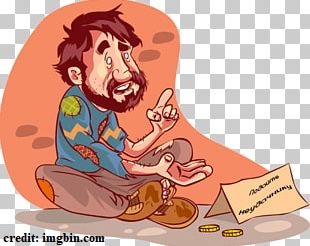 Sa isang simbahan pulubi’y pumasok
Matapos mag-antanda’y kagyat lumuhod
Mga mata’y ipinikit at yumukod
At taimtim na nanalangin sa Diyos.
“Panginoon ako’y muling lumalapit
Heto’t sa gutom ako’y namimilipit
Sa gutom ako’y hayaang makatawid
Kahit kape lamang po at isang biskwit.”
“Panginoon ako sana’y Inyong bigyan
Beinte pesos lamang aking kaylangan
Sampu sa Skyflakes… sampu sa 3-in-1
At sikmura ko po’y hindi na kakalam.”
Dalangin ng pulubi may nakarinig
Ito’y ang katabi niyang mamang pulis
Tumayo ito’t sa pulubi’y lumapit,
“Heto amang, pambili ng kape’t biskwit.”
Natuwa ang pulubi at nagpasalamat.
Wika ng pulis, “Galing iyan sa Taas.”
At nang ang pulis palayo nang naglakad
Binilang ng pulubi barya sa palad.
Nang makitang na pera’y sampung piso lang
Ang mamang pulubi’y parang nagulantang
Muling nag-antanda’t lumuhod nanaman
Nanalangin sa Diyos sa Kaitaasan.
“Salamat po’t panalangin ko’y dininig
Pero bakit po pinaabot n’yo sa pulis
Humati po kasi ang lespung matinik
Kaya, mabibili ko lang po eh biskwit.”
Beyond Schooling

We stop schooling at a certain age but we should never stop learning. Learning is a lifelong endeavor and education is not confined in the four corners of the academe. The process of acquiring the desired knowledge, skills and values should continue even after graduation.
Schooling is not the only way to learn. There are other ways to obtain knowledge, to develop skills, and to cultivate the values required for us to become the best that we can be and function as productive members of society.
The foregoing assertions should not be construed as an attempt to undervalue schooling rather they should be viewed as arguments against the perception that not going to school to get a formal education is a reason for us not to be able to maximize our potentials and succeed.
Not everybody has the financial resources to afford formal education from kindergarten to at least college and not everybody who has the capability to pay would also have the interest and enthusiasm for schooling.
If parents are well-off, the higher the possibility for the children to finish at least an undergraduate degree. That is if said children believe that education is a key to securing a good future. It is rather ironic that sometimes those who have the money to spend for education are not motivated to go to school and those who have the motivation to do so don’t have the capability to pay.
For some, not having enough financial resources is not a hindrance in the pursuit of a good education. We heard a lot of narratives about people belonging to poor families who worked while studying, earned their degrees, then eventually succeeded in life.
But there are people who also attained success even if they have no university diploma. A few of them even made it to the Forbes’ list of richest persons in the world. The oft-repeated stories of the Bill Gates and the Steve Jobs of the world support the assertion that a bachelor’s degree (or higher – Master’s and PhD) is not the only key that could be used to unlock the doors to wealth, fame.
It can be argued that a university degree does not always guarantee success in life in the same manner that not having it means that a person’s future would be bleak. It all depends on how those who manage to earn degrees and those who did not play the cards their circumstances dealt them and the way they maximize their opportunities and whatever potentials they have.
There are degree holders who could not find decent jobs citing the lack of job opportunities as reason. Conversely, there are college dropouts who do not relish the idea of being under someone’s employ. So, they charted their own destinies and created their own opportunities. Check the list of the Forbes’ list of billionaires and you’ll be surprised to see some how many are actually college dropouts.
There are specific professions requiring prolonged training and certain qualifications that can be acquired only through formal education. This is when schooling becomes a necessity. But there are also occupations where formal education is not required. Artists, athletes, and business men for example need not have a university diploma. The degree they need is the degree of expertise they must exhibit in their respective arts, sports, and business.
It can also be argued that the schools could not possibly teach all of the competencies and skills we need to acquire aside from those required by whatever professions or occupations we have embraced. And even the said competencies and skills we learn while schooling need to be honed and upgraded. There’s more learning that must be done beyond schooling.
And there is one thing that we ought to learn when we start practicing our chosen profession or occupation – live a balanced life.
Life is not all about work and work is supposed to be “earning a living” and not “slowly killing one’s self.” While we may work hard to achieve whatever we want in life – money, degree, fame, and what have you, we should not sacrifice our relationships and health. Don’t work unreasonably hard that you may earn your millions just so you have money to spend for your hospitalization when you get sick. Living a balanced life means taking care of your work or business without sacrificing your health and disregarding the family and friends who need your attention.
Mga Maling Akala
 Ang maling akala ay nakaka-istres. Wala itong magandang idinudulot. Para itong bumerang na kapag inihagis mo ay babalik sa iyo. Tanging ikaw lang ang maaapektuhan nito. Kasabihan pa nga na nakakamatay daw ang maling akala. Kaya makakabuti na umiwas dito. Iwasang mag-akala ng kung ano-ano. Ang payo nga ng “Eraserheads” eh bago maniwala’y mag-isip-isip ka muna.
Marami kang maling akala. Hindi ba’t inakala mo na ang lahat ng tao ay kikilos, magsasalita, at mag-iisip sa pamamaraang iyong inaasahan. Maling-mali ka diyan. Huwag mong asahan na ang kapwa mo ay susunod sa mga panuntunan at paniniwala mo kapag sila’y kumilos, nag-salita, at nag-isip. Tiyak na madidismaya ka lang at mai-istres. Baka pa masira ang tuktok mo sa kaiisip at sa sama ng loob eh sumabog ang iyong dibdib.
Hindi mo kontrolado ang pag-iisip ng ibang tao. Hindi mo puwedeng igiit sa kanila ang konsepto mo ng tama at mali. Tanging ang sarili mo lang ang puwede mong diktahan at manduhan. Hindi mo mapipigilan ang gustong gawin at sabihin ng ibang tao sa pamamaraang kanilang pipiliin. Tanging ang sarili mong kilos at pananalita lamang ang puwede mong bantayan.
Huwag mong isipin na porke natapos ng kolehiyo eh aasta na may-pinag-aralan. Ito ay isa pa sa mga mali mong akala. Minsan kung sino pa iyong hayskul lang o walang tinapos na ano mang antas ng edukasyon ay siya pang edukadong maituturing. Madalas kasi na kapag nagiging titulado ang tao ay tumataas masyado ang pagtingin sa sarili sa punto na nawawala ang respeto sa kapwa at nakakalimutan ang kababaang-loob. Akala ang diploma eh lisensiya upang maging walang-hiya at mapagmalaki.
Ang kagandahang-asal at kabutihang-loob kasi ay hindi lang sa paaralan itinuturo. Nagsisimula sa tahanan ang pagkakatuto sa mga bagay na ito. Tungkulin ng magulang na imulat ang kanilang mga anak sa mga ito.
At sana’y hindi mali na akalaing ginagampanan ng bawat magulang ang tungkuling ito dahil kung hindi, kung hindi naturuan ng mga tatay at nanay ang kanilang mga anak ng tamang disiplina, eh medyo mahihirapan na ang mga guro sa paaralan na turuan ang mga bata ng kagandahang-asal at kabutihang-loob.
Huwag mo ring isipin na porke may-gulang na eh husto na sa pag-iisip. May mga matanda na pero kilos-bata at isip-bata pa rin. Marami rin namang mga nasa katanghaliang-gulang o mas bata pa subalit kakakitaan mo na ng kahustuhan sa pag-iisip at pag-kilos.
Tama naman na i-base mo sa edukasyon ang mga ekspektasyon mo dahil nga sa kung nakapag-aral ang tao at nasa kahustuhang gulang na eh aasahan mong siya ay disente, matino, at maayos kung gumawa ng desisyon. Pero huwag kang pakakasiguro. Huwag kagyat na magtitiwala at umasa na ganito o ganoon siya dapat umasta porke siya ay edukado at nasa tamang-gulang. Magmatyag ka muna at makiramdam.
Eh paaano kung pala-simba ang tao, nagnonobena, at deboto pa ng kung sino-sinong santo? Kagyat mo ba siyang pagkakatiwalaan at aakalaing may takot siya sa Diyos? Lahat ba ng taong kakilala mo na tuwing Lingo at unang Biyernes ng buwan kung mag-simba ay puspos na ng kabanalan? Porke ba ang kakilala mo ay naglalakihan ang mga santong isinasali sa mga prusisyon o napaka-aktibo sa mga aktibidad ng simbahang kinaaaniban niya eh akala mo na maituturing na siyang isang taong banal at perpekto? Ikaw, nasa sa iyo iyan. Kung sa tingin mo nga ay katiwa-tiwala ang tao dahil halos sa simbahan na siya natutulog eh “good luck|” na lang.
Kasi nga napakadami daw na mga banal na aso at santong kabayo. Kaya nga natatawa si “Yano”…hihihihi! Paano daw ba naman eh iyong aleng kasabay niya sa jeep, nagrorosaryo habang nakapikit, na nang pumara sa kumbento eh hindi huminto ang mamang tsuper baka daw hulihin siya ng pulis. Nagmura nang nagmura daw iyong ale hanggang makababa.
Ikaw… may mga kakilala ka bang nagbanal-banalan? At teka, akala mo ba na lahat ng tinatawag mong father, sister, pastor at ministro ay puwedeng pagkatiwalaan? Maraming lobo ang nag-aanyong tupa. Kaya kaiingat ka!
Ingat ka rin sa mga tumatawag sa iyo ng brother at sister, sa mga inaakala mong kaibigan, dahil hindi lamang sa gubat maraming ahas. Minsan nga eh may mga ahas na ang tawag sa iyo eh BFF. Ingat ka sa mga kamag-anak ni Hudas. Ingat ka rin sa mga “kaibigan kapag may kaylangan.” Linta ang mga iyan,
Hindi ko sinasabing pagdudahan mo ang lahat ng taong nakapaligid sa iyo. Pinag-iingat lamang kita. Nais ko lamang na ikaw ay matutong magmatyag at makiramadam dahil nakakamatay nga ang maling akala. Kilatasin nang mabuti ang mga taong nakapaligid sa iyo at tiyakin mong ang pagtitiwalang ibibigay mo eh hindi mo pagsisihan.
Ang tunay na kaibigan eh parang ginto. Kilatisin mo sila ng mabuti. Alam mo naman siguro ang pagkakaiba ng ginto sa tanso. Sana sa bandang huli eh hindi mo sasabihing – “Akala ko si BFF ay 24-karat, peke pala.”
Heto ang pinakamatindi sa mga mali mong akala – na ang kapalaran mo ay nakaguhit na sa iyong palad bago ka pa man isilang.
Sa maniwala ka o hindi, ikaw ang guguhit ng sarili mong tadhana.
Huwag kang umasa sa suwerte. Akala mo ba na totoo na ang kapalaran ay umiikot na parang roleta at hihintayin mong huminto sa jackpot at pagkatapos ay “you will live happily ever after”? Eh paano kung sa bokya tumapat?
Huwag kang umasa kahit kanino upang iangat ang iyong sarili at makamit mo ang tagumpay na inaasam. Tama ka kung iniisip mo na tungkulin ng mga magulang na tiyakin na magkakaroon ka ng magandang kinabukasan. Dapat ka nilang palakihin at papag-aralin. Eh papaano kung wala talagang kakayahan ang iyon mga magulang na suportahan ang iyong pag-aaral? Tapos na ba ang laban mo?
Totoong may gulong ang kapalaran na iikot habang nilalakbay ang buhay. Pero ang gulong na naturan ay nakadugtong sa isang manibela. Hindi ka sasakay sa ibabaw ng gulong at baka pag-ikot nito ay magulungan ka bagkus ay humawak ka sa manibelang nakadugtong sa gulong. Darating ang panahon na dapat huminto ang mga magulang mo, o sino pa man, sa pagkontrol ng iyong buhay. Ikaw ang magpapasiya niyan kung kaylan.
Ikaw ang magdedesisyon kung kaylan mo hahawakan ang manibelang nakadugtong sa gulong ng iyong kapalaran upang ikaw na ang magmamanibora nito. Akala mo ba na magdaramdam ang mga magulang mo kong kung gagawin mo iyan? Hindi! Tiyak na magiging masaya sila kapag naramdaman o nakita nilang gusto mo nang hawanin ang mga damo at tinik sa daang gusto mong tahakin.
Kung walang kakayahan ang mga magulang mo na pag-aralin ka aba’y magtrabaho ka at mag-ipon upang matustusan mo ang iyong pag-aaral. At sana lang eh hindi ka isa sa mga nag-aakala na tungkulin ng gobyerno mo na bigyan ka ng trabaho. Mali ring akala iyan. Pasalamat ka kung may trabaho silang maibibigay sa iyo pero kung wala eh gumawa ka ng sarili mong paraan. Dumiskarte ka. Huwag ka nang dumagdag sa napakarami ng pasanin ng mga namamahala sa bayan natin.
At teka, akala mo ba na kaylangang tapos ka ng kolehiyo upang magtagumpay sa buhay? Maling akala rin iyan. Hindi lahat ng tao na nakarating sa rurok ng tagumpay ay may naka-graduate. Marami ang naging tanyag at yumaman kahit wala silang tinapos na kurso sa unibersidad. Sino sila at bakit sila nagtagumpay? I-google mo.
Uulitin ko – huwag mong i-asa sa iba ang pag-angat mo sa buhay at ang katuparan ng mga pangarap mo. Tanging ikaw lang makakagawa niyan. Siyempre, puwede mong sandigan ang Panginoon. Pero tandaan mo itong paulit-ulit nilang sinasabi – “Nasa Diyos ang awa, nasa tao ang gawa.”
Sa palagay ko’y nagkakamali ka kung akala mo na ang estado ng buhay mo sa kasalukuyan ay resulta ng kapalarang itinakda para sa iyo ng Panginoon. Kung miserable ba ang buhay mo ngayon eh hindi ako naniniwala na iyan ang itinakda ng Amang nasa langit para sa iyo? Baka naman may mga mali kang naging desisyon sa nakaran kaya ka nagkaganyan
Ang isang katotohan na sana ay matutuhan nating yakapin ay ito – ano man ang kahihinatnan ng buhay natin, ano mang meron tayo ngayon at kung saan tayo nakarating, ay resulta ng lahat ng desisyong ginawa at gagawin pa natin. Kaya sana maging maingat tayo sa anomang desisyon na gagawin natin.
Sabi nga ng “Eraserheads” – “Huwag kalimutang magdahan-dahan kung ‘di ka sigurado sa kalalabasan, kalalabasan ng binabalak mo.” Dagdag pa nila, “Hindi mo maibabaon sa limot at bahala kapag nabulag ka ng maling akala.”
 M.A.D. LIGAYA



 M.A.D. L I G A Y A