As we reached Elena’s house, the door swung open, revealing her mother waiting with a wave and a bright smile.
“Wow, you’re soaked! Go to the bathroom and freshen up. I’ll make coffee for you and Elena.”
Elena’s mom was super welcoming. Needless to say, I felt incredibly welcome. But I felt another thing – guilt. The memory of what happened in the hut played repeatedly, starkly contrasting the unwavering kindness being showered upon me.
My hand trembled slightly as I reached for Elena’s mother’s right hand. Gently, I placed it on my forehead, a gesture of deep gratitude that transcended words. “Thank you,” I mumbled, the words barely a whisper against the rising tide of guilt.
“Mom, aren’t you lucky to have such a respectful future son-in-law?”
Elena’s mother just smiled as I let go of her hand.
“Shut up, Mommy,” I told Elena jokingly as I walked towards the bathroom.
Elena’s laughter erupted upon hearing me, followed by her mom’s in a delightful cascade that filled the room.
Before I could shut the bathroom door completely, the voices of Elena and her mom drifted through…
“Someone’s in your room.”
“Who, Mom?”
“Camille.”
The name froze me in my tracks. A mix of surprise and excitement rushed through me. Unable to resist the pull of curiosity, I left the bathroom door slightly ajar, hoping to hear more from them.
“You both arrived almost at the same time. Oh, your sister-in-law didn’t bring an umbrella, so she was soaking wet when she arrived. I lent her some of your clothes. She probably had another fight with Daniel, so she came here first.”
“Yeah. Very likely that brother hurt Camille again.” Elena responded with her voice echoing so much disappointment.
“Call Daniel and let him know Camille is here. He can come over, and you can also introduce Jeff to them.”
The sound of your name echoed in my head as a desperate hope battled a rising tide of dread. I couldn’t figure out which feeling was stronger – was it the hope that I would soon see you again or the dread? Could it be? Could you be the Camille they were talking about? Are you Elena’s sister-in-law, the wife of my fiancé’s brother?
While lost in those thoughts, somebody pushed open the bathroom door. It was Elena. She handed me a pair of shorts and a tank top in the bathroom.
“Dad, after you take a shower, could you please go to the terrace? I need to talk to Camille in our room.”
“Camille?” I asked, puzzled.
“Yes, my sister-in-law. I don’t think you know her… or… did you meet someone earlier?”
“No, I only saw those people at the nearby store.”
“Okay, daddy. Go ahead and do your thing. I need to talk to Camille now. She won’t stop crying. It seems like she has a serious problem, probably because of my brother. But something else happened to her on her way here, and she doesn’t want to say it.”
I could only manage a simple nod for Elena as dread tightened in my stomach. Seeing you was a desperate wish, but not under that roof. What if you, Camille, were the one they spoke of? The thought terrified me. Could facing you here be worse than our secret coming out? We could play strangers, a flimsy disguise for the secret we shared. But what if you shattered the pretense, confessing to your sister-in-law those forbidden moments we shared in the hut? The possibility suffocated me with guilt.
I sat on the terrace, overwhelmed by the possibilities ahead of me. I couldn’t shake off the anxiety about the presence of Camille. My usual methods to calm my mind seemed ineffective, but I persisted, trying to regain my composure. Looking around, I noticed the rough planks that made up the terrace floor and the vividly colored potted plants on the ledge, a stark contrast to the darkness of the inner turmoil I was feeling. I had been so preoccupied with exploring Sagada and sharing my experiences on social media that I hadn’t noticed these details earlier.
“Jeff, just stay here for a while.”
That was Elena’s mother. She placed a cup of coffee on a wooden side table before me.
“I’ll go to Elena and Camille in the room. Daniel is also on his way. You can all talk later.”
“Alright, mot…mot…”
“Son, don’t hesitate to call me a mother. Or mama. It’s okay. You and Elena are getting married.”
“Ha… uh… Yes… okay, mama. Thank you.”
“I just hope you love my daughter, be faithful to her. Please don’t hurt my youngest.”
“I… I promise, Inay. I will love and take care of Elena.”
Guilt ate at me as I tried to make a promise I was afraid I couldn’t keep. Elena’s mother’s kindness highlighted my deceit. The rain pounding on the roof matched the chaos in my mind. Every regret hit me like a downpour—the forgotten umbrella, the postponed plans, and the encounter that now filled me with dread. I desperately wished to return and erase the meeting that started this turmoil in my heart. With my mind and heart, I was at peace. But no matter how much I regret it, what happened won’t change. My decisions were wrong, and I had to face the consequences of those mistakes.
On the terrace, I held the forgotten coffee, now lukewarm. My future mother-in-law’s kindness felt like a cruel joke as I paced. Was Camille really here? Unable to stand the uncertainty, I went back inside. Our room’s door was partly open, inviting me in. A thin curtain hid the inside, muffling sounds. But I heard a sob, making me sick with worry.
I didn’t want to wait any longer. It’s killing me softly. I decided to go in. If you were really inside, I had to know.
Driven by that desperate need, I reached for the partly open door. But a car horn blared even before I could pull the door open. The interruption snapped me back, and I retreated a step. The insistent honking escalated, urging me into action. That could be Daniel. There’s nobody else expected to come.
The honking escalated into a frantic barrage. So, I had to race outside and open the gate. A black car with its doors and bumpers splattered with mud glided into the driveway. I retreated to give its driver more space to maneuver.
After parking, the driver got out… it was Daniel. That was the first time I saw it in person.
“Jeff? Are you Jeff?”
I nodded at him as I said “yes” and offered a handshake. He towered over me slightly, his frame solid and athletic. Instead of taking my hand, he embraced me.
“I’m Daniel, Elena’s brother. Damn… no wonder my sister fell in love with you. You’re handsome, and you’ve got a great physique. Looks like you live at the gym.”
“Not really, bro. I usually work out at home. You have a great built yourself.”
“Ah… just from hard work in the fields.”
The terrace buzzed with the distant chirping of crickets as we finally met face-to-face. I had previously seen their family photo on Elena’s Facebook cover page, taken when their father was still alive. It was the only picture Elena had with any of her family members. Daniel exuded a quiet intensity, starkly contrasting Elena’s gentle nature. While I navigated the social media world for my vlog, Elena rarely ventured there. In fact, Miguel, according to her, was a digital ghost – no Facebook, no Instagram, just a phone for the bare necessities. “He’s not a gadget person,” Elena had said, a hint of amusement in her voice, “more of a… gun person.” Her offhand remark left me with a lingering question – was that a playful exaggeration or a glimpse into a world I wasn’t prepared for?
I inquired if Daniel wanted coffee.
“Coffee? Perfect! Although, wait a minute… I just remembered I grabbed a bottle of wine on my way over. Are you in for a switch? I’ll grab it in a second!”
A cold dread settled in my gut as another of Elena’s offhand comments echoed in my mind: her brother drank wine for breakfast. Oblivious to my growing unease, Daniel didn’t waste a breath waiting for my reply. With a muttered excuse, he was already striding towards his car, the clink of glass promising a night far stronger than I’d bargained for. My stomach lurched – the thought of hard liquor sent a familiar tremor through me. I was a lightweight, unlike Daniel, whose casual gait suggested a seasoned tolerance. The prospect of a drinking session, especially with someone who might consider breakfast wine a tame indulgence, filled me with a potent mix of apprehension and a bizarre, desperate hope that maybe, just maybe, tonight wouldn’t be as bad as I feared.
“Alright, put down the coffee. Shot glasses, check! I knew we might need them. Just got to find some nibbles, and then we can get started.”
Daniel returned, a bottle of wine clutched triumphantly in one hand. The other held a black leather clutch bag. He plunked the wine down with a dull thud, but the bag was carefully placed beside it. From what I heard from Elena, I was almost certain it was a gun.
“Where’s my mom and Elena? Is Camille here?”
“They’re in the room, talking.”
“Looks like I’m back in the doghouse. Thanks to Camille. Of course, they’ll all believe the little angel. Guess I’m public enemy number one again.”
I just listened to Daniel.
“That woman can be stubborn as that carabao I use on the farm. I told her to fly back to Italy in February of this year, but she did not. Then the lockdown hit in March, and now she’s stuck here. Damn Covid. Our savings are dwindling, and who knows if she even has a job to return to.”
“The situation is really tough right now, bro. Elena and I were told it might be two more months before we can return to our company. So we’ll stay here for now.”
“Is that so? That’s good, so our mom will have company here. Our female cousin, caring for her, eloped just last week. And my other sister, who’s also in Italy, won’t be back until the end of the year. She’ll definitely be here for your wedding with Elena.”
“Oh, there you are, Daniel.”
That was Elena’s mother, who suddenly appeared behind us.
“Hello, ma. I just arrived.”
“Wine again, Daniel? Elena said Jeff isn’t used to drinking.”
“That’s why I’m starting to train him now. By the time their two-month vacation is over, my brother-in-law will be used to hard drinks. How are you, ma?”
“May God bless you. And I hope He makes you a good person. Oh, Daniel.”
“What did Camille tell you this time?”
“You, stupid good-for-nothing man. Explain it to me later.”
“See, brother!” Daniel addressed me. “Nobody loves me here. Everybody hates me.”
Elena’s mother’s gaze snagged on the black clutch bag nestled beside the bottle of wine. Curiosity flickered in her eyes. “What have we here, Daniel?” she inquired, her voice gentle but firm. “Why do you have your gun with you again?”
“Ma, it’s for protection, not trouble. It’s licensed. The neighbor beside my farm has been causing problems, accusing me of encroaching on his land. I can’t let him push me around.”
“I understand but…
“I know you worry, Ma. But sometimes things get messy. I won’t back down from what’s rightfully mine. Nobody can steal what belongs to me.”
After Daniel spoke, I felt uneasy and had a heavy sense of foreboding. “Just be careful.”
My soon-to-be mother-in-law went to the dining area after saying that. Daniel kept on talking. I couldn’t focus on what he said because I was preoccupied with thoughts of you. I kept glancing at the door, waiting to see if the Camille, who was talking to Elena in the room, would already come out.
“Daniel… Jeff… come in. Dinner is ready.”
“Let’s go, Jeff… let’s eat so we can start drinking.” That was their mother’s calling.
My heart hammered against my ribs, echoing the rhythm of my steps on the wooden floorboards. I would finally find out if you were the “Camille” I met in the hut. The question reverberated in my mind like a relentless drumbeat. But what if you were?
“Oh, Daniel… call Elena and Camille from the room. Tell them dinner is served.”
“Okay, ma.”
Daniel went to the room. I didn’t know if I felt scared or excited while waiting to see who would come out of the room.
“Hey… Jeff! Why are you staring at the room door so intently?”
“Huh? Oh, it’s nothing, mama.”
“There’s no ghost coming out of the room, so don’t be scared.”
“Sorry, mama. It’s just that… it suddenly reminded me of the door in our apartment in Pasig. I’m wondering if I locked it or not.”
“Just call the landlord and have them check it.”
“Ah. I’ll call later.”
That’s another lie. I have already told so many of them since we met. I wondered how many more I would have to fabricate because of you.
I kept asking myself why the “Camille” inside hadn’t come out of the room. I felt increasingly restless. The longer I wait, the worse it will become.
“Have a seat, Jeff. Just relax.”
Embarrassment flooded my cheeks. I hadn’t even realized I was still standing. “Yes, Mom,” I mumbled, sinking into the chair.
Elena’s mother beamed. “It’s such a pleasure to finally meet you, Jeff. Having you and Daniel here with Elena makes this a truly special evening. I wish my daughter in Italy could be here too, and the whole family would be together.”
“It won’t be long before we’re all under one roof, Mom,” I assured her, forcing a smile.
Her smile faltered slightly. “Of course, of course.”
Elena emerged from the room, a flicker of concern in her eyes.
“Oh, why only you?”
“Daniel’s talking to Camille. They’ll be out in a moment.”
The anticipation dragged on, making me even more anxious.
“Alright, let’s wait for them. Serve Jeff some mushroom soup; he might be hungry.”
“Oh, Dad, it looks like you and Mom are getting close.”
Elena’s mother looked at me and smiled.
“What else did Camille tell you?”
Elena glanced at the room before speaking.
“Mom, Daniel wants Camille to return to Italy because he’s dating someone.”
Elena’s mom widened. “Oh, dear heavens! Who is it?”
Elena lowered her voice. “Someone from their barangay, Mom. And… she’s married. An OFW in Saudi.”
“Dios mio! What was your brother thinking? Does he have no shame?” Her voice trembled with a mix of anger and disappointment.
Elena’s mother’s words felt like needles piercing my conscience. I remembered my mother’s frequent advice to think carefully about every decision to avoid future regrets. But it was too late; what’s done is done.
Elena sighed. “The rumors have been swirling around their barangay for a while now, Mom.”
“What a mess. Thank goodness Daniel can’t have children. Otherwise, who knows what kind of trouble they’d be in.”
“Mom, there’s trouble with Daniel and Camille. Camille wants to leave him. I mean, they’re not even married, so…”
“What!? Oh no, this is terrible!”
“According to Camille, that other woman might be why Daniel hesitates about marriage.”
Elena’s mother glanced at me.
“Oh Jeff, son, I apologize. We’re burdening you with our family problems.”
“Don’t worry about me, mom.”
That was all I could say in response to the shocking revelations.
“Camille’s heartbroken. Daniel has fertility issues that prevented him from impregnating her, yet that didn’t stop Daniel from cheating on her.”
As soon as Elena finished speaking, the room door creaked open, and Daniel emerged. The woman inside, named Camille, her head bowed demurely, slowly stepped out. It was you. My heart skipped a beat as I saw you. You were yet unaware of my presence. As you approached the dining table, I confirmed that you were the same Camille from the hut with whom I shared passionate moments. Now you’re inside the house where I was about to share a meal with my future in-laws. I was torn between running out of the house for fear of whatever might happen should what transpired between us get known and running towards you so I could make you feel how much I missed you. Would we acknowledge each other or pretend nothing happened? The weight of our secret loomed large, threatening to unravel the fragile peace of this evening.
“Mom, here they come.”
“Camille, dear, sit next to me. This is Jeff, Elena’s future husband.”
When our eyes met, you froze. I was over that feeling of surprise, having seen you already earlier. I could say that you felt like cold water was poured over you like I felt earlier. Your reaction did not escape Elena’s keen eyes.
Our eyes met. A jolt passed through you. You appeared frozen. The surprise mirrored the one I felt moments ago when I saw you. The realization flickered across your face as quickly as it arrived, but it wasn’t fast enough for Elena’s watchful gaze.
“Hey, Camille… have you met Jeff before?”
I anxiously awaited your response. I was worried that you might disclose that we met in the hut. Not because of the chance of you revealing everything that happened there, but because I had told Elena that I hadn’t been to that place or met anyone along the way.
“What?… No! This is the first time I’ve seen him.
You were a great actress. The flicker of surprise in your eyes vanished as quickly as it appeared. A cool smile settled on your lips as you offered a hand and a polite, “Pleasure to meet you.” Confusion washed over me. Was this denial? A desperate attempt to protect our secret? I reached out, my fingers brushing against yours. But in a heartbeat, your hand retreated, a flicker of revulsion crossing your face. The gesture was so sudden, so inexplicable, it left me reeling.
Then, you sat directly across from me, acting like I wasn’t there. You ignored me like people do with those they don’t know. You were so cold, completely different from the Camille I met in the hut. There, you were incredibly warm, even scorching. You melted me.
It hurt a bit, but I understood your lie and pretense. If I had spoken first, I would have said the same. Admitting we met at the hut by the mini rice terraces, even without saying what happened between us, would reveal my lie to Elena since I had told her I hadn’t seen that place yet.
“I was surprised by your reactions earlier. It seemed like you both were startled when you saw each other,” Elena said.
“Oh, Elena, with Jeff’s charisma, any woman seeing him for the first time would be startled. Especially now that he’s in shorts and a tank top. And look at my wife; she has the face and body of a beauty queen. Jeff was probably shocked too, thinking you were the most beautiful woman on earth, only to find someone even more beautiful – your sister-in-law, Camille.”
“Oh, there you go again, Daniel. Stop it.” That was Elena’s mom. “Maybe they have met before and just don’t remember when and where, which is why they reacted that way. It happens.”
You kept your head down while listening to that conversation. I noticed Elena looking at you and then glancing at me.
“Guys, perhaps we can, just this once, give thanks before we eat. Let’s also thank God for Jeff’s safe arrival here. Elena, please lead the prayer.”
We all bowed our heads. I noticed you closed your eyes while I was the only one who didn’t. Instead, I kept my head stubbornly raised, and my gaze drifted towards you. I saw you open your eyes. A flicker of movement caught my eye. You peeked open your eyes, seemingly to check on Elena, before gazing at me. Your eyes looked swollen. Your lips curved into a smile, a faint echo of the one you offered me in the hut – hesitant, yet holding a promise of understanding. Despite being forced, your smile lifted my spirits. I smiled back at you and nodded. You smiled at me one more time. You winked a playful spark in your tired eyes before closing them again.
You were finally asleep, breathing softly as the birds chirped outside. You looked vulnerable in my slightly oversized t-shirt, and I felt protective as I adjusted the fabric over you. Your face, once marked with passion and pain, was now peaceful. I gently reached for my camera, compelled to capture this serene moment. It wasn’t about keeping secrets but about preserving this fragile peace. I plan to show you this picture when you wake up.
As I focused closer, I found something that both worried and intrigued me – dark bruises covered your arms, thighs, and neck, making me uneasy. The playful atmosphere disappeared as I realized the storm you escaped wasn’t just outside; it was part of you, hidden beneath sleep. What demons were you running from? And were they still with you, even here?
The insistent chirping of birds announced the end of the heavy downpour. I squinted at my watch – nearly four in the afternoon. You were still fast asleep. Curiosity gnawed at me. Had you spoken of your past during the storm-tossed hours, or were the bruises the only clues to the battles you’d fought? Pushing those questions aside for now, I glanced out the window. A breathtaking rainbow stretched across the sky, a vibrant promise painted on the canvas of the newly washed world. This was a scene I couldn’t miss. Regret flickered across my chest as I leaned down, kissing your cheek softly. It felt like a stolen moment, a fleeting glimpse into a life I was about to step away from, if only for a moment. Pulling on my damp hoodie, I ventured out into the cool afternoon air, the weight of unspoken questions pressing down on me. The heavy rain had stopped, leaving behind a rainbow and a stranger whose secrets lingered in the quiet of the hut.
The crisp afternoon breeze invigorated my senses as I wandered through the mini rice terraces, searching for the perfect vantage point to capture the rainbow’s brilliance. Each step crunched on the damp earth. There it was! The perfect composition, the vibrant colors of the rainbow arcing majestically over the lush green fields. A surge of triumph filled me as I raised my camera, finger poised on the shutter button. But then, with agonizing slowness, the vibrant hues began to fade. The once-proud arch dissolved into wispy streaks of color, finally vanishing completely. Disappointment settled in my chest, a heavyweight mirroring the sudden emptiness in the sky. The rainbow, a fleeting symbol of hope and renewal, had disappeared as quickly as it had appeared, leaving behind a reminder of the impermanence of all things. Perhaps it was a metaphor for our burning passion, a beautiful moment suspended in time, forever etched in my memory, yet ultimately fragile and fleeting.
Returning to the hut felt like stepping back into a different reality. The place buzzing with a strange intimacy just moments ago was now a tomb of silence. You were gone. My t-shirt, a symbol of our shared vulnerability, lay abandoned on the bed. A wave of sadness washed over me, sharper and more unexpected than the heavy downpour earlier. Just a moment. That’s all it had been. Yet, you’d vanished like the fleeting beauty of the rainbow I’d tried to capture. Pulling off the damp hoodie, I reached for the t-shirt. The faint scent of your body that lingered was the only tangible reminder of your presence. At that moment, I knew I had to find you.
Disappointment clawed at my throat as I raced out of the hut. My voice echoed unanswered across the rice fields, the vibrant green mocking my frantic calls for your name. No sign of you anywhere. The wooded area behind the hut loomed, a dense curtain of trees beckoning strangely. Without hesitation, I plunged into the cool shade, the silence thick and heavy. I circled the woods, my voice hoarse from calling your name, but only the rustle of unseen creatures answered. Panic gnawed at the edges of my reason. Had you vanished like the fleeting rainbow, leaving nothing but a memory and a growing sense of dread? Emerging from the trees, I stumbled onto the deserted road, heart hammering against my ribs. Still no sign of you
The playful afternoon sun hid behind the clouds. I saw ominous storm clouds gathering on the horizon, their bellies a bruised purple. Fat drops splattered on my face, the first whispers of a coming downpour. Rain. Again. A knot of worry tightened in my gut.
The sky fractured, unleashing again a deluge that transformed the path into a muddy river. Raindrops stung my face, blurring my vision. Several houses materialized through the downpour, their windows glowing with a warm, inviting light. But I didn’t flinch. Didn’t even consider seeking shelter. The past, a relentless storm in itself, clawed at me, its icy fingers wrapping around my heart. Taking refuge wouldn’t wash away the memories of the passionate moments we shared and the secrets behind the bruises I saw in your body. So I walked on, the rain a baptism of sorts, a cleansing that couldn’t erase the darkness but perhaps offered a sliver of hope for redemption.
A flicker of movement in the distance snagged my attention. Through the sheets of rain, a solitary figure emerged – a woman, her form obscured by a large umbrella. My heart hammered against my ribs, a frantic drumbeat against the storm’s symphony. As we drew closer, the pounding intensified. Could it be you? Had you managed to snag an umbrella, your earlier hesitation forgotten, and rushed back to the hut, fearing for me in the downpour? The thought ignited a spark of hope within me, a fragile flame that threatened to be extinguished by the relentless rain. I quickened my pace, my eyes fixed on the figure, willing them to move faster, to reveal themselves sooner. Every rustle of the wind, every flicker of movement beneath the umbrella, sent a jolt through me.
“Camille!” I shouted.
I quickened my pace, eager to see you again. But as I drew closer, I realized it wasn’t you. It was Elena, my fiancee.
“Jeff! I’ve been looking for you. Oh… you’re soaking wet. You’re so stubborn, you didn’t bring an umbrella.”
“Sorry… mo…mommy!”
The memory of the Camille touch sent a tremor through me, a stark reminder of the connection we’d shared just moments ago. Elena, with her worried frown and rain-streaked face, seemed to belong to a different world altogether. How could I have forgotten her existence so completely? Was it the heavy rain, the isolation, or something sinister at play? The weight of the forgotten ring meant to secure my future with Elena felt heavy in my pocket. Was this a desperate escape, a temporary lapse in judgment, or a deeper yearning for something I hadn’t acknowledged within myself? Elena’s presence, a symbol of my planned life, only intensified the confusion within me. And then, another question surfaced, one that sent a shiver down my spine: where was the stranger, and what secrets did they hold that could so easily erase the love I thought I possessed?
“It sounded like you were calling someone earlier? …mil or Hamil?”
“Huh? No… no…no… no… I said mommy.”
“Is that so! The rain was so heavy I probably misheard.”
That’s when the series of lies I told Elena because of you began.
“Let’s hurry. Take a shower as soon as we get home. I hope you don’t catch a cold. Kuya Daniel and his wife are coming. It’s a shame my sister in Italy can’t come home. Damn Covid.”
Elena’s warmth beside me felt like a comforting illusion. My arm, draped around her shoulder, felt heavy with a lie. My mind, a traitor to the moment, was a whirlwind of stolen glances and whispered conversations in a rain-soaked hut. With each step closer to her house, with each shared laugh and casual touch, the memory of you intensified. I kept searching, scanning the deserted streets, a desperate hope clinging to the edges of my despair. But there was nothing – no flicker of movement, no echo of your laughter in the wind. A wave of crushing defeat washed over me. The shared joy, fleeting and intense like a summer storm, had vanished, leaving only the bittersweet ache of loss. But then, a flicker of defiance sparked within me. You might be gone, a ghost in the storm, but I had a tangible reminder – your photo, tucked securely on my camera’s memory stick. It wouldn’t bring you back, but it would serve as a constant echo of our shared connection, a silent promise to unravel the mystery of your disappearance.
The life I’d built with Elena, once a haven of comfort, now felt like a house of cards, teetering on the edge of collapse. Six months of partnership, years of friendship – how could I throw it all away for a stranger encountered in a drunken stupor? Yet, the memory of your touch excites me, a stark reminder of an undeniable connection. Maybe it was the alcohol, a lubricant for unspoken desires. But why did I feel so abandoned after you left, your departure starkly contrasting our shared intensity? The beer’s haze may have lifted, but my mind was still foggy, clouded by unanswered questions. What was it about you that resonated so deeply? Why did you vanish without a trace? These questions, relentless and consuming, fueled a growing determination within me. I wouldn’t rest until I found you until I understood the truth behind the intoxicating encounter that threatened to destroy the life I knew.
“Hey, Dad, you seem really serious? You haven’t been paying attention to what I’ve been saying.”
“Huh, I’m just tired.”
“Tired? What did you do to get tired? Did somebody ride your flagpole?”
I knew Elena was joking, but I felt a pang when she said that. I thought of you and what we did.
“Hey… I asked if you somebody ride your flagpole?”
“What are you talking about, mommy?”
“Don’t pretend… you know what I’m talking about.”
“You’re funny, mommy… Who would do that here?”
“Who knows… maybe a forest fairy assumed a human form when she saw your handsomeness. Then…”
“Mommy, your imagination is really fertile. You’re not even a writer.”
“I’m just trying to make you laugh, Dad.”
Maybe you are a fairy. You’re so mysterious. You appeared suddenly… then disappeared suddenly. And now I’m under your spell.
“But you didn’t even laugh… you’re still serious. It’s like you’re thinking deeply about something.”
“Sorry, I just have a bit of a headache.”
That’s all I said so Elena wouldn’t feel bad.
“By the way, where is your brother Daniel coming from?”
“They live in the next village. They have a car, but they often just walk when they want to visit the house. There’s a shortcut through the mini rice terraces to get here. By the way… did you go there earlier?”
Should I say yes? Should I say I went to that place? Should I admit that’s where I came from?
“Huh… the terraced rice fields? I don’t think I noticed anything like that. You said the actual rice terraces are still far from here, right?”
“It’s still quite far, but some rice terraces are already here. They are also terraced.”
“Is that so,” I replied nonchalantly.
“You’ll find it beautiful if you haven’t seen it yet. That place is very scenic. Tomorrow, I’ll take you there so you can take lots of pictures and videos for your travel vlog. You’ll be amazed. And by the way… there’s a small hut there.”
“A hut?!”
“Yes, Dad… a hut… I’ll pack food, and we’ll eat there. I’ll bring beer for you… so that… you’ll see me as a goddess. And then… you know what happens next!”
I pulled Elena by the waist in response.
“My dad is really not in the mood.”
Should I tell her that I also know there’s a hut there, that I took shelter there when the first rain poured? Should I tell her we met there and something happened between us unintentionally? Did we really not intend for that to happen? Didn’t we want what happened there?
The rain brings back memories, with each drop reminding me of you and bringing sadness. How can I forget you when attempting to do so feels as pointless as trying to control the weather? Rain will fall when it’s destined to, bringing a deluge of my sadness.
If only I could banish the rain forever and always keep the sun in the sky. Under an endless clear sky, I’d go out at noon, letting the sun’s intense glare scorch my skin and every bit of you lingering in my thoughts. Your memory, an unyielding thorn, digs deep, a continual ache at the very core of my being.
The first sight of a gathering storm in the sky fills me with apprehension, echoing the turmoil within. As the wind picks up, its chilling howl foretells the impending rain. I hurriedly seek shelter, knowing that with the heavy rain comes a deluge of past memories, each one tearing at my already shattered heart.
I have nowhere to hide. Your memory is like a shadow that always follows me, especially when the rain falls. My mind is like a leaky roof, offering no refuge. Your memory, like rainwater, seeps through every crack, drenching me in a relentless tide of sadness and grief.
Why did I ignore the warnings? The beauty of Sagada was undeniable, with its mountains beckoning to be explored and captured through my lens. But in my eagerness, did I miss some premonition? Was fate whispering through the pleas of Elena, my fiancée, for me to bring an umbrella, a suggestion I dismissed with foolish bravado? Perhaps our paths were destined to cross, written not in the stars but in the choices we make or the choices we neglect to make.
I don’t believe in destiny or fate; a person’s future is shaped by their decisions. As Albert Camus said, “Life is a sum of all our choices.” Despite Elena’s advice to bring an umbrella because it looked like it would rain, I disregarded it. I thought my trusty hoodie would be enough, and carrying an umbrella with my camera and gadgets would be cumbersome. She even suggested postponing my trek until the next day so she could join me, but my excitement for exploration and the need to create content for my YouTube travel vlog couldn’t wait another day. Despite my skepticism about destiny, a flicker of doubt crossed my mind. Had I been too hasty in dismissing Elena’s warnings?
Feeling torn between guilt and excitement, I put on my backpack. Elena was peacefully asleep in her room as I left a message with her mother. The thrill of exploration conflicted with my unease and worry about potential regret.
As I walked, curious glances followed me. I was a newcomer to this old-fashioned village, and only a few faces recognized me from disembarking the jeepney with Elena earlier. I returned their gazes with hesitant nods and shy smiles; the unfamiliar territory made me self-conscious. Soon, the village gave way to verdant landscapes—vegetable gardens bursting with color, rice fields stretching like a patchwork quilt, and a symphony of trees swaying in the gentle breeze.
The afternoon passed by in a blissful haze. As I clicked away with my camera, I felt a growing sense of accomplishment as I documented the beauty around me. Perhaps feeling too relaxed, I finished the three beers I had brought, and the sun and scenery amplified their effect. As usual, music streamed from my phone while I captured the world through my lens, and I even sang along to some Air Supply and Ed Sheeran songs. Though I had thought about live streaming my captures on Facebook, the stubborn signal remained weak.
As raindrops splattered on my lens, I looked up at the sky. The joy I felt moments ago dissipated as the sun hid behind the clouds, turning the sky gloomy gray. The air crackled with anticipation as the wind picked up, whipping fallen leaves into a frenzy. Elena’s voice echoed hauntingly in my mind, reminding me of my reckless decision. The heavens unleashed their fury, transforming the dusty path into a muddy river. In the distance, a small hut crafted from nipa and bamboo materialized like a mirage. Its window, propped precariously with a stick, offered a sliver of hope. I bolted towards it with relief, praying for a reprieve from the downpour.
As I stood before the hut, I realized it was a symbol of my foolishness. A suffocating wave of regret washed over me. Instead of a sanctuary, it felt like a cage built from my poor choices. The concern in Elena’s voice echoed in my head. I should have listened to her warnings and prioritized her company over my impulsive solo adventure. The sting of self-blame was far worse than the rain lashing down outside.
The small hut barely provided enough shelter for a few people. I saw a stepped rice field carved into the mountainside through the open window, offering a sliver of beauty amidst the downpour. Elena had mentioned a mini rice terrace, a hidden gem near their home. A pang of regret swept over me. This wasn’t the time to appreciate the scenery; it was a stark reminder of the adventure I could have shared with Elena, an opportunity to see this wonder together, side by side.
This simple hut, possibly used by the rice field owner for resting, provided an unexpected sense of security. Inside, a small bed is suitable for a couple invited with the promise of rest. A plain bamboo table stood beside it, a practical piece in this utilitarian space. Although lacking amenities, the hut exuded a sense of practicality. However, I felt concerned. The silence was oppressive, interrupted only by the incessant drumming of the rain on the roof. Was I alone in this deserted shelter, or were other eyes watching from the surrounding woods?
I quickly entered the hut, seeking refuge from the pouring rain. My backpack made a thudding sound as I placed it on the wooden bed, and I hurriedly set my camera on the bamboo table. I took off my damp hoodie with relief, feeling the chill seep into my bones. I placed the hoodie on the table beside the camera, evidence of my hasty escape. The rain hammered on the roof, its relentless rhythm echoing the pounding in my chest.
I felt relief as the dim light from the window faded, giving way to encroaching darkness. Fortunately, I found a mini-rechargeable light in my backpack that we had used during our beach camping trip last week. With trembling fingers, I retrieved it and turned it on. The light beam illuminated the small hut, turning the oppressive darkness into a more bearable dimness. It wasn’t much, but it felt like a beacon of hope at that moment.
The wind howled, rattling the flimsy walls of the hut. Instinctively, I reached for the stick propping open the window, the need to secure this meager shelter overriding any lingering unease. A sudden creak at the door sent a jolt through me. Before I could react, it swung open, revealing a figure silhouetted against the pouring rain. My breath hitched in my throat. This wasn’t supposed to happen. I was alone, seeking solace from my own poor choices. But you, unexpected and unknown, stood there, forced by the downpour to seek a temporary refuge, just like me.
I couldn’t ignore the irony. Why did we both risk it and go out without umbrellas today? We should have stayed inside like everyone else probably did. This unexpected meeting wouldn’t have happened if I had listened to Elena. But here we were, huddled in this makeshift shelter, brought together by a simple decision – or maybe something more? Our paths had crossed, and it wasn’t just the rain that took my breath away.
“I’ll just take shelter here, sorry.” You said.
“This hut isn’t mine. I’m just taking shelter too.”
Shivering and soaked to the bone, you met my gaze with a watery smile as you leaned against the flimsy wall of the hut. Your t-shirt clung to you, highlighting every curve. Heat flared in my cheeks as I struggled between concern and an unwanted awareness. I quickly rubbed my itchy eye, trying to look away before you noticed. Then, I saw you holding a beer can, which you placed on the table beside my camera.
A violent tremor shook your body, escalating into uncontrollable shivers. The flimsy hut offered little protection from the relentless downpour, and your clothes clung to you, soaked with rainwater. Concern washed over me. Despite the chill, I removed my shirt, feeling its warmth starkly contrast the dampness around us. “Here,” I said, extending it to you. You stared at the shirt, then back at me, with a mix of surprise and something else – a flicker of recognition, perhaps? A hesitant “thank you” escaped your lips. You started to unbutton your shirt but then paused, a look of internal struggle crossing your face. The heavy downpour roared outside, but a different kind of tension crackled inside the hut. With a silent nod, I turned slightly, granting you privacy in the cramped space.
Feeling a shift in the atmosphere, I cautiously turned back and saw you looking at my bare torso and face. Our eyes met briefly before you looked away, a hint of embarrassment coloring your cheeks. You then focused on my camera on the table, and the rhythmic rain clicked, the only sound breaking the sudden silence. Seizing the moment, I took a longer look at you. You were about Elena’s height, and your undeniable beauty radiated even now. But comparisons felt insignificant. There was a raw vulnerability in your posture, a depth in your eyes that hinted at untold stories. Despite the awkwardness, a strange sense of connection hummed, a shared vulnerability blooming in the unexpected turn of events.
The rain pounded on the roof, filling the silence between us with a constant noise. Awkwardness lingered in the air from our unexpected meeting. We exchanged shy glances, each sparking curiosity. We shared timid smiles, trying to connect despite being strangers brought together by the rain. A question hung in the air: who was this beautiful soul seeking refuge with me in this rundown hut?
“Th…this rain looks like it’s going to last a while,” I said.
“Yes, it does. By the way, I’m Camille.”
“I’m Jeff.
I took your beer from the table and scrutinized it.
“Ah… it looks like you’ve been drinking,” I said.
“Yeah, I already had 4 cans of those before it rained.”
But you didn’t seem intoxicated. Or maybe you were, but it wasn’t obvious. I couldn’t even detect the distinct smell of beer on your breath.
Then I noticed that your shivers took on a life of their own, escalating into a violent dance that contorted your body. It got me worried. That was not from intoxication. The symptoms mirrored those of hypothermia. The rain, a relentless thief, had likely stolen most of your body heat. The meager protection of the hut offered little solace against the pervasive chill. You huddled at the bed’s edge, your form wracked with tremors, a whimper escaping your lips. Thinking fast, I scanned the room, my gaze landing on my backpack. Perhaps there was something I could use to help, a way to generate some warmth before it was too late. But there was none.
Panic gripped me. There was no time to hesitate. It wasn’t a choice but a desperate move. With a deep breath, I reached out and pulled you close, wrapping my arms around you. At first, you stiffened, then relaxed against me. You held on tightly, seeking warmth and comfort. The touch sent a jolt through me, making me catch my breath, especially as our chests pressed together, your heartbeat racing. Pushing aside my own nerves, I focused on helping you. I gently laid you on your side and rubbed your back to warm you up. I wrapped a leg around yours, our bodies tangled in need. You buried your face in my chest, your ragged breaths a reminder of the moment’s urgency.
Your body’s trembling slowly eased, and you breathed a sigh of relief. I continued to rub, trying to generate warmth. As you relaxed, you lifted your face from my chest, a hint of gratitude in your expression. You leaned closer as if about to say something, but instead, you surprised me by pressing your cheek against mine, sending warmth through me.
As we enjoyed the unexpected closeness, you turned your head slightly, and our lips touched softly for a fleeting moment. The kiss was barely perceptible, more like a question than a statement. However, its impact was undeniable. I caught my breath, and a mix of confusion and something deeper flickered in your eyes. We pulled away, leaving a charged silence between us, filled with unspoken emotions and a new mystery. While the heavy rain outside continued, a different kind of storm brewed within the confines of the hut – a storm of emotions sparked by a single, accidental touch.
Your eyes immediately opened wide, matching the surprise I felt. The unexpected contact of our lips had sparked a powerful connection between us. You pulled back quickly, a blush rising on your neck. However, in that brief instant, our eyes met. There was a flicker in your eyes – surprise, yes, but also something deeper, a hint of a desire I couldn’t quite comprehend. I found myself caught between confusion and an undeniable attraction towards you. While the storm outside continued to rage, a real storm was brewing within me – a whirlwind of emotions stirred by the accidental brush of our lips.
“Oh, I am so sorry…” I said.
The sensation of the kiss lingered in the air, echoing the jolt that still resonated within me. I instinctively wanted to pull away, to create distance for safety. But then, your hand reached out and gently cupped my cheek, your touch a delicate caress that sent shivers down my spine. My breathing hitched, and I found myself captivated by your gaze. The initial surprise in your eyes softened, replaced by a warmth that sent a tremor through my core. It felt like a silent conversation, an unspoken understanding passing between us. Then, drawn by an invisible force, I leaned in again, the space between our lips shrinking with each passing moment. There was no physical pull, but an undeniable yearning that transcended logic. This wasn’t about the storm or the unexpected turn of events; it was about something deeper, an emerging connection between us fueled by the shared vulnerability of the moment.
The space between our lips had narrowed to a breathless whisper. The air crackled with unspoken tension, a potent mix of surprise and a burgeoning awareness. My mind, usually a whirlwind of logic and reason, seemed silent. All I could hear was the frantic thumping of my heart, a counterpoint to the rain’s relentless assault on the roof. Your hand on my arm felt like a brand, searing through my confusion, grounding me in the present. At that moment, defying every voice of reason, I knew what to do. I closed the remaining distance, my lips meeting yours in a desperate, tender kiss. The world around us faded, the downpour a mere background hum to the symphony of emotions exploding within me. It was a kiss fueled by the urgency of the moment, a shared vulnerability that transcended logic. And for a fleeting moment, everything else ceased to exist, replaced by the intoxicating power of connection.
The intensity of the moment lingered, a palpable presence in the air. There was an unspoken question between us: why hadn’t you let me pull away? And why, when our lips met, had your response been so fervent? It was more than just a kiss; it was a deepening, desperate search for comfort that surpassed words. The warmth I offered ignited a fire within you, and your response was a surge of reciprocated passion. Our bodies moved in a silent dance, a more ancient and primal language than words could ever express. The rhythm of the storm outside faded into the background, replaced by the intoxicating symphony of our entwined breaths and the soft moans that escaped your lips. In the dim light of the hut, I caught a glimpse of raw emotion in your eyes, a vulnerability mirrored my own. At that moment, amidst the storm’s chaos, we found a fragile haven, a beautiful collision of souls brought together by the most unexpected circumstances.
The rain drummed a relentless rhythm on the roof, a stark counterpoint to the storm raging within us. Why couldn’t its icy tendrils extinguish the flames that had erupted so unexpectedly? Perhaps it was the shared vulnerability of the situation, the helplessness that had thrown us together in this ramshackle hut. Or maybe it was the spark, a flicker of something deeper ignited by the touch of our skin, the warmth of our bodies seeking solace against the chill. Whatever the reason, the rainwater, instead of dousing the embers, seemed to nourish a seed of passion that had taken root in the fertile ground of our shared experience. The storm outside mirrored the turmoil within, a chaotic dance of emotions that terrified and exhilarated us.
The afterglow felt heavy with regret. “I wish we were cold and unfeeling as rocks,” I whispered, the words catching in my throat. Your eyes, which were filled with passion after that accidental kiss, reflected my inner turmoil. A heavy silence descended, broken only by the relentless drumming of the rain on the roof. Shame, a bitter aftertaste, coated my tongue. I longed for the simplicity of being a saint, untainted by desire. But the truth was far harsher. I was all too human, a fragile creature tossed about by the tempestuous seas of emotion.
The rain, which had been relentless, finally stopped, leaving behind a world that was washed clean. The passion that had erupted between us had faded, but a warm feeling lingered, both comforting and unsettling. We were lying apart, with a quiet distance growing between us. Once filled with desire and regret, your eyes now seemed to express something new – perhaps a flicker of curiosity or a question yet to be asked. The change in dynamics was palpable. Despite the physical intimacy having ended, there was still a glow of attraction, silently promising something more… or perhaps reminding us of the delicate line we had crossed.
What could be more subjective in a basketball discussion than debating who is the greatest of all time (GOAT)? Nothing! And it always boils down to the question – “Is it MJ or LBJ?” Kobe, Kareem, and even Steph were sometimes inserted in GOAT discussions.
But who should really be the basketball’s GOAT? What criteria should be used to determine the greatest among the basketeers?
Should it be the number of championship rings won? Bill Russel should be it, then. He holds the record for most NBA championships with 11 titles during his 13-year playing career with the Boston Celtics. Jordan and Kareem each have 6, Kobe 5, and Lebron 4. However, Bill was rarely mentioned in the GOAT discussion because there were fewer teams and a lower level of competition during his era. When Jordan, Kareem, and Kobe won their championship rings, there were also fewer teams than when Lebron won his.
Declaring MJ as the GOAT, and not LeBron or anyone else, because he won six finals without losing any is illogical. Is it proper to say that Michael Jordan won all those trips to the NBA finals, or the Chicago Bulls did? That’s the problem with adding “winning six NBA titles and losing none” in the GOAT debate. It is as if only MJ should be credited for the feat. Lest it be forgotten that basketball is a team sport. Not only one player should get the credit.
Objective criteria should be set to determine who the GOAT is. Deciding who the best cager is cannot be done through debates in “barber shops” and agreeing to what biased and prejudiced sportscasters say.
The most objective criteria that can be created should be based solely on numbers, not on the opinion of self-proclaimed experts and diehard fans. A statistical model or formula should be created to quantify all the known and measurable aspects of a basketball player’s performance. Determining the GOAT must be based on the players’ performance-related statistics, not on the narratives created by talking heads. There’s no better method but through analytics… not what the Stephen Smiths and Shannon Sharpes of the world say.
Including the number of championship rings won in the formula is not statistically valid. Firstly, those vying for the GOAT status played in different periods. The rules of the game during their respective times are different. They don’t have the same set of teammates as well. In comparative statistical analyses, the population must possess the same characteristics and qualifications for the analysis to be considered statistically valid.
As to what are the measurable areas are well-known. They are the categories listed in the box score of a basketball game – points, assists, rebounds, steals, blocks, and turnovers. These are the bases upon which the National Basketball Association measures the player efficiency rating (PER). The NBA has also come up with a better way of analyzing the performance of its players through Player Impact Estimate (PIE).
Will the PIE model be enough to determine the GOAT?
The problem is that all metrics used by the NBA to gauge players’ all-around contribution to the game were implemented only recently. Putting the numbers of the GOAT candidates in a comparative matrix is obviously easier said and done.
Assuming that the comparative matrix can be created, is the PIE model enough to determine the GOAT? It seems incomplete and not inclusive, with missing “slices” in the PIE.
The statistical computation should also include the number of teams competing during the seasons that the GOAT candidates hoisted the championship trophy with their teams. The mathematicians in the NBA can figure out how to insert that component into the statistical model.
And there exists a gray area that must also be addressed if and when the GOAT dispute gets settled via analytics – the changes in the rules as the game of basketball evolved into what it is now. There were subtle changes to the regulations that perhaps went unnoticed, and there were obvious ones. Noticeable or not, those changes in rules affected the way the games were played before and now. Such changes in the rules should be factored in when creating the statistical model or formula to determine who the GOAT should be. If not, any statistical comparative analysis will be considered invalid. An inclusive “analytics model” is needed to comprehensively and objectively measure players’ performance to determine the greatest among them.
This leads to the question – Is it possible to create an inclusive “analytics model” to settle the GOAT debate?
Are the categories “number of teams playing when a championship was won” and “effect of the changes in rules during the playing years of the players” the only missing slices in NBA’s PIE? What about “availability to play”? In the number of years the GOAT candidates played, how many of the games were supposed to be played by their respective teams in a particular season they played?
What about factoring their age in the analytics? As they become older, are they still productive? As they age, do they still positively affect the results of the games they play, or have they become more of a liability to their teams? Can the answers to the preceding questions be measured and included in the NBA’s PIE?
We need to realize that with all those other categories that should be added to the GOAT formula, the statistical model becomes more and more complicated.
Suppose all those categories cannot be added to the “analytics model.” In that case, there is no way we can determine with utmost objectivity who among basketball players (past and present) is the greatest.
Why don’t we just slay the GOAT (debate) and bury it? Instead, let’s search for the GOTE – Greatest Of This Era. A GOTE “analytics model” is less complicated and is easier to formulate than that for the GOAT.
But there’s another path we can go the AI way… not ARTIFICIAL INTELLIGENCE but APPRECIATIVE INQUIRY. For the uninitiated on Appreciative Inquiry, you can simply look at the meanings of the two words in context – APPRECIATION and INQUIRY. An online dictionary defines appreciation as recognizing and valuing the contributions or attributes of things and people around us, Inquiry, exploring and discovering in the spirit of understanding, and being open to new possibilities. Appreciative Inquiry is a method of problem-solving that was popularized by David Cooperrider in the 1980s.
I bet that when AI is applied to determine greatness in the hardwood, we will refrain from seeking out who the GOAT or the GOTE is. Instead, we will come out declaring the OOTG – One Of The Greatest.
There is no need to put one basketball player on the pedestal of greatness and put other basketball players down. We can learn to appreciate the greatness of the players we idolize without making any comparisons with other players.
“Good communication is the bridge between confusion and clarity.” ~ Nat Turner ~
We all agree that communication is very important, especially in this era when most of our decisions are data-driven. And I think only a few (or no one) would disagree that communication skills are difficult to develop. But no matter how arduous that task is, we must work hard to acquire them.
The ability to communicate effectively is a “must-possess” skill. If somebody says that it is a “superpower,” I wouldn’t disagree, for if you can communicate effectively, you have one of the most important tools needed to succeed in whatever endeavors and undertakings you undertake.
You and I should learn how to effectively convey our ideas and feelings and divulge our intentions properly. Lest we forget, though, that communication is a two-way process. It is not just a matter of us sending or encoding a message but being able to process the response or feedback being sent back to us. Or we could be at the receiving end of the process. This means we could be the receiver instead of being the sender.
In whatever role – processing feedback or receiving a message – we need to decipher or decode efficiently.
Communication is one of the few constructs that can be found in the vocabulary of different fields of study. The said concept is a fundamental aspect of major areas related to language and literature. It is an integral part of any field that requires information to be disseminated, such as in media, business, politics, health care, and education. Even in science and math. The said subjects may be technical in nature, but they require effective communication. Without it, scientists and mathematicians cannot disseminate the necessary information and knowledge to the general public.
I cannot recall any concept that serves most (if not all) fields of endeavors other than communication. Thus, the ability to communicate is included in the list of skills a person must develop. It is a vital component of any “self-improvement” model. It is hard to imagine a personal growth and development program that does not include improving communication skills.
Communication is simply the process of exchanging information or expressing one’s ideas, thoughts, or feelings to someone else using spoken or written words or any other medium. The process involves the interplay of the main elements of communication – sender, receiver, message, channel or medium, and feedback. The interaction of the above-mentioned components is affected also by other factors – context and interference or noise.
The communication process starts with the intention to send a message (the information to be conveyed). Others refer to the messages as the subject matter of communication. The sender initiates the process. They are the source of information or the one sending the message to a receiver using a particular channel or medium.
Channel is described as the path through which an encoded message is transmitted from a sender to a receiver. The message can be relayed through written or verbal (electronic or personal) means. Messages sent electronically may come either in audio or video formats. The receiver is tasked to understand or decipher the message they receive, after which they are expected to send feedback to complete the communication process.
Feedback is the receiver’s response to the message. Giving feedback reverses the communication process, where the receiver becomes the sender and vice-versa. When you communicate, you, as the sender, naturally expect a favorable response. For that to happen, you must ensure your message is clear and easy to understand. And your message will be easier to understand if you make it concise. You must deliver your message in the shortest (but complete) way possible. Clarity and conciseness are the hallmarks of an effective message. They help avoid ambiguity and confusion.
To ensure the success of the communication process, you also need to consider the factors that affect it. When the sender conveys the message and the receiver gives feedback, the environment or situation should be set to help the communication achieve its intended purpose. Dham (2023) explained how context and noise could disrupt the process of communication. He explained that the “context provides the backdrop against the communication. This includes the physical, social, psychological, and cultural environment in which the interaction occurs. Context influences how the message is interpreted and helps establish shared meanings between the sender and receiver. Noise, on the other hand, refers to any interference or distortion that affects the clarity of the message during the communication process. It can be external, such as background noise or technical glitches, or internal, such as language barriers, cultural differences, or emotional distractions. Minimizing noise is crucial to ensuring the message is accurately transmitted and received.”
Understanding how the process works is a prerequisite to effective communication. If you succeed in creating a synergy among the main elements of communication and are able to control the effects of the other factors, you will reap great dividends. It will enable you to deliver a message or convey information accurately and efficiently, ensuring mutual comprehension and avoiding misunderstanding.
Communicating effectively is as important as the other self-improvement skills you need to pursue success, happiness, and wealth. It is required when interacting with others in both professional and personal environments. Communicating effectively is an essential skill whose development you cannot take for granted. Through a good communication approach, effective and meaningful interactions can be effected.
Communication plays a fundamental role in both our professional endeavors and personal undertakings. Whatever those endeavors or undertakings may be, they all involve interpersonal relationships that can only be nurtured when we establish connections with other people.
On a personal level, we need to establish communication with our loved ones and friends. It helps build a stronger connection with them and resolve conflicts or disagreements. Effective communication is the foundation of successful friendships, including romantic relationships. It promotes intimacy, trust, and mutual understanding.
Any professional pursuits also require the development of the ability to communicate. You cannot find a job or succeed in business if you are incapable of self-expression. We have been told countless times that in order to succeed, we should be able to communicate.
In the workplace, effective communication plays a significant role. If you are a leader or manager of any enterprise, you must be ready to articulate the goals and objectives of the organization and make the members cooperate in their pursuit. The members should be provided with clear direction and motivation so they can all work together for the organization’s success. Teamwork and collaboration can be achieved through effective communication.
Even if you don’t like to work for any organization in the workplace and you’re planning to establish a business of your own or be a freelancer, you still need to develop the ability to communicate. Working alone, sometimes, means having to work harder. The business of selling products and services by yourself would require stronger efforts in persuading potential customers.
Effective communication is a prerequisite to any successful business endeavor, whether doing it with an organization or by yourself. Remember that it is also essential in the pursuit of happiness, for it helps build meaningful relationships.
_____
Dham, M. (2023). Elements of Communication Process. PrepBytes Blog. https://www.prepbytes. com/ blog /basics-of-communication/elements-of-communication-process/
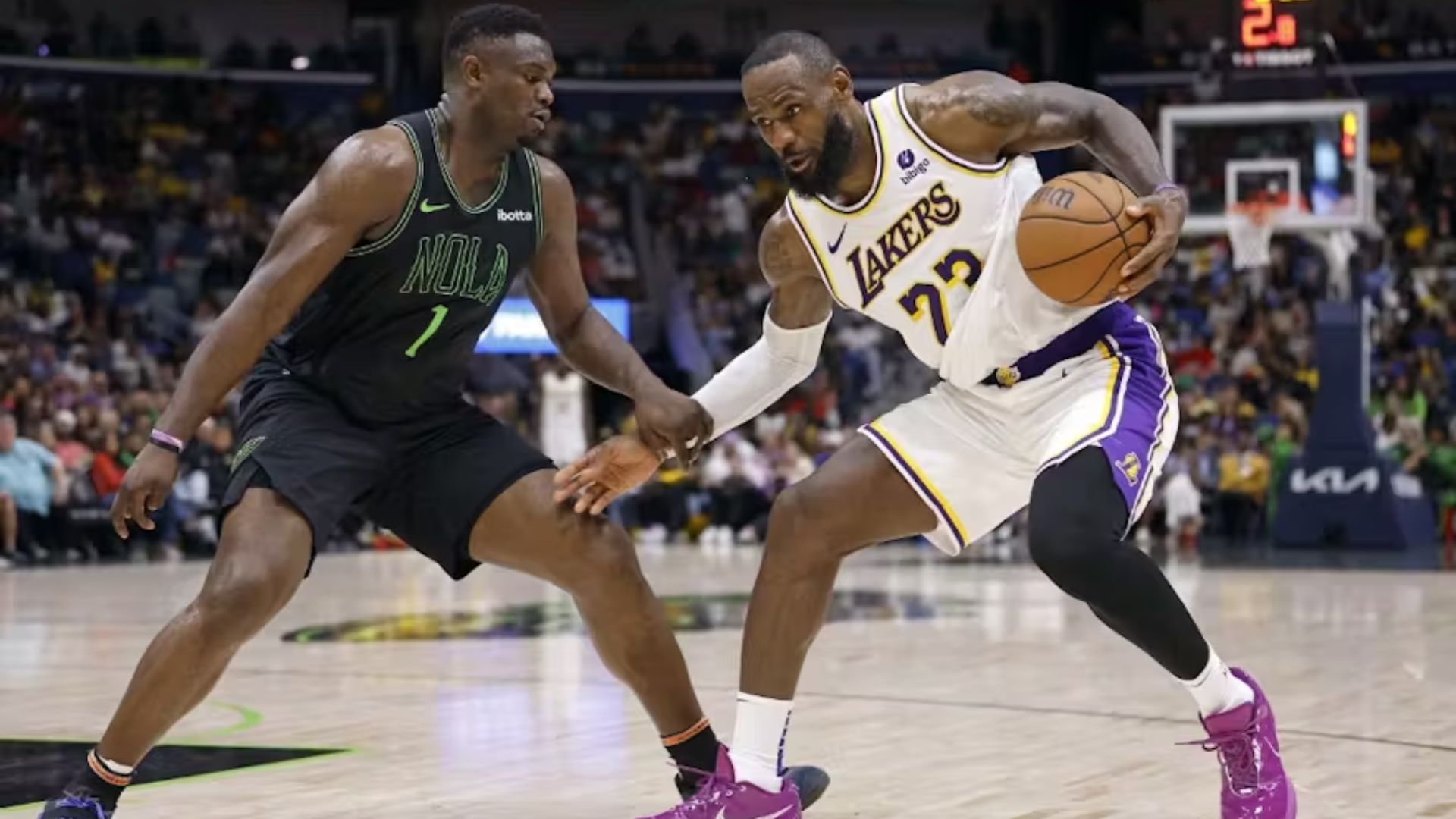
After the last games were played in the NBA’s regular season, the dust finally settled, and the No. 1 to 6 seeds for both conferences (East and West) were finally determined. As to who will be No. 7 and 8 seeds is yet unknown.
In the East, via the play-in tournament, the Philadelphia Sixers, the Miami Heat, the Chicago Bulls, and the Atlanta Hawks are vying for the last two spots for the playoffs. Out West, the Golden State Warriors, Sacramento Kings, New Orleans Pelicans, and the Los Angeles Lakers are the last teams standing.
The Lakers had to defeat the Pelicans to place 8th in the standings after the regular season and must hand the former another loss to secure the 7th seed going into the playoffs.
It should be remembered that last year, the Lakers also had to survive the play-in tournament and ended up as No. 7 in the West. Despite being the underdogs, they defeated the 2nd-seeded Grizzlies. They also booted out the 6th-seeded Warriors, then the defending champions, becoming one of the only two (2) 7th-seed to reach the Western Conference finals. Their magical run from a dismal 2-10 start ended when the Nuggets, the eventual champion, swept them in 4 straight games.
The defending champs Nuggets unexpectedly ended at the No. 2 spot in the West. The Lakers are staring at the possibility of duking it out with their last year’s Western Conference tormentors should they defeat the Pelicans and become 7th-seeded. The Nuggets also swept the Lakers in their regular season tussles.
The Lakers are seemingly incapable of solving the Nuggets’ riddle. They have not defeated the defending champs in their last 8 games. Thus, sports analysts and basketball pundits say it would be better for them to intentionally drop their game against the Pelicans and prepare themselves for the battle for the 8th seed against the winner of the Warriors-Kings knock-out game. They suggest the Lakers tank in their first play-in tournament game to avoid the Nuggets.
Should the Lakers end up at No. 8 in the West, they will face the Oklahoma City Thunder, who surprisingly snatched the No. 1 seed. And the oddsmakers may consider them favorites considering the latter defeated the former thrice in four games during the regular season.
But what is the guarantee that the Lakers will end up defeating the Warriors-Kings tussle winner, considering how they performed against both teams during the regular season? They lost their four regular games against the Kings. The Warriors hold a 3-1 win-loss record against them. However, it should be noted that in their 2 losses against the Warriors, Anthony Davis, a vital cog in both ends of the floor for the Lakers, played only for a few minutes in one and did not play at all in the other because of injuries.
So, the Lakers can pick their poison. Win their game against the Pelicans to ensure they play in the playoffs (unfortunately against the defending champions Nuggets), or go for all of their marbles in a do-or-die game against the winner of the 9 vs 10 play-in match-up. The Warriors and the Kings are definitely no pushovers. They will not give the win to the Lakers on a silver platter. Neither of those two teams will just roll over and die.
What could go in the Lakers’ favor should they vie for the No. 8 spot (in case they lose the game against the Pelicans either on purpose or otherwise) is them playing on their homecourt and the fact that Lebron and his crew play differently when the stakes are high. It is hard to disregard the fact that they have won 14 of their last 20 games.
Nobody knows which way the Lakers go. Whatever decisions the think-tank of the Lakers organization comes out with, there’s one serious matter to consider – the extent of the injury Anthony Davis suffered in their previous games against the Pelicans. If the Lakers decide to go all out to notch the 7th seed, will Davis be able to play? Is he 100% healthy?
The Lakers must ground Davis if playing him would aggravate his injury and jeopardize his health and their chances in the playoffs. Let his aching back heal a little bit more. And should they decide to go this route, they might as well either rest Lebron or play him sparingly. Allow the team’s main stars to reserve their strength and unleash them in their matchup against the Warriors or the Kings.
But what if the Pelicans are also thinking of taking their chances against the winner of the no. 9 and no. 10 teams instead of facing the Nuggets in the first round of the playoffs?
Tanking their initial play-in tournament game is perhaps not in the minds of both the Lakers and the Pelicans. Regardless of the consequences of winning that game, both teams owe it to NBA fans to give their all. Their credibility will definitely get a hit if they do not play to win. They will perhaps be branded as cowards for not wanting to face the Nuggets in a playoff series.



 M.A.D. LIGAYA


 M.A.D. L I G A Y A