Author Archives: M.A.D. LIGAYA
The Fabrics of Race (2)
(Second of Three Parts)
Why didn’t my mother at least warn me that I would be shaken by the things I would uncover if I kept digging into the issue of Whites and people of color? But maybe she didn’t answer me because she couldn’t grasp it herself. And if she, an adult, couldn’t, how could I when I was just a clueless teenager?
She was right. It is hard to understand why the White forefathers of Americans brought Africans to their colonies in North America to be slaves, treated them like animals destined to be sold, punished, taken advantage of, or killed for resisting.
It’s unfathomable how a person’s skin color could give someone else the right to mistreat them. Or why being white gave them the freedom to do whatever they wanted.
Why? Do White people own the world?
When our Philippine History teacher said that Spain and Portugal once divided the non-European world between them, as if they had split the earth like a piece of fruit, I wondered. They agreed on which parts of the world each country could claim as its own. He said that, actually, Magellan, who discovered the Philippine archipelago, was a Portuguese who circumnavigated the globe on behalf of Spain.
So, aside from the history of the world, I also began reading more about my nation’s history. I tried to learn more about my country beyond what my elementary teachers taught us in our Social Studies classes.
However, that only raised more questions than it answered my previous ones. I only got more surprised, sometimes shocked. It wasn’t just the Spanish and Portuguese. The British, French, Germans, and other Europeans, all of whom were white, also joined the scramble. Any land their giant ships could reach and batter with their big guns—they claimed it. Whites ruled the world, enslaving people whose skin color was different from theirs.
Why? The whys kept coming.
We were taught in elementary school that the Spaniards, White people from Europe, colonized us. But I didn’t know then that that was for more than 300 years. Yes, three long centuries. Then, the British tried to seize the Philippines from them but failed. Eventually, it was America that successfully took us from Spain. What was their justification? If they didn’t take us, the Germans would.
So, were colored countries just toys for white nations to pass around?
People of color, black and brown, were treated like animals by the Whites of the West. Their lands were seized. Their resources were stolen. They were driven to forced labor. Some of them were taken as captives and brought to the home countries of the colonizers to serve as slaves.
Some were deprived of the right to establish their destiny as nations. That’s what the Americans did to my forebears. The Filipinos, who were on the verge of toppling their Hispanic colonizers and starting to exist as a sovereign country, were misled into believing that the US was helping them achieve independence from Spain. It turned out to be wishful thinking. The Americans, in pursuit of their imperial ambitions, took the Philippines away from the Spaniards.
Then, I realized something else about reading. It could steal your innocence. Barely in my teens, I felt like I was already losing the purity and simplicity of my perceptions. Sad to say, I started feeling an animosity towards the Whites, particularly those from the Iberian peninsula, the Spaniards, and those from North America, the cousins of the Brits. I was both hurt and angry when I came to know the cruelty my forefathers suffered at the hands of our colonizers, the Spaniards and the Americans. But I was no longer surprised because those who colonized us were Whites, and my forebears were people of color. If the Americans could not treat their Black countrymen justly and humanely, why would they treat an almost equally dark-skinned people like us differently?
I may be young then, but my heart bled with my forebears who bravely fought the Whites, but to no avail, for the latter were far superior in military strategy and weaponry. It wasn’t fair. The Davids don’t always win against the Goliaths. Most of the time, they lose. If it were a boxing match, the colonized people were flyweights, and their colonizers were heavyweights. It wasn’t a fair fight. Only the people of Haiti were able to successfully expel their colonizer, France, at the height of the colonial period. There were a few other nations that succeeded in driving out colonial forces, but these occurred during the 20th century when colonialism was in decline.
There was a price I had to pay for digging deeper after I saw that photo in my mother’s book. I gave up blissful innocence and traded it for a heartbreaking awareness of the past and a worrisome understanding of its impact on the present. Such consciousness of historical truths was painful and has become a burden, but it was necessary. It was only through knowing these dark chapters of history that I could slowly understand human sufferings brought forth by cruelty and injustice that I never thought human beings could inflict on their fellow men. The loss of my innocence is a victory, bittersweet it may be, but the thought that I could do nothing to stop the cruelty and injustice is painful.
*****
In college, I did my laundry, still following my grandmother’s rule: separate the whites from the coloreds and wash black clothes last.
I continued reading about history, both of the world and my country. I became a more avid student of history. I had more books, especially encyclopedias, at my disposal. The Internet was not yet accessible to everyone at that time. It was in those years of self-study and reading about history that I truly began to see the connections between race, power, and oppression. I discovered more horrifying truths about slavery and colonialism.
As I read more, I learned how colonial powers—British, French, Spanish, and some of their white European cousins—used slavery to fuel their economies, treating Africans as property rather than people. The brutal migration of thousands of enslaved Africans to the Americas was not just a historical fact—it was a system built on the idea that people of color were inferior and expendable.
As I explored further into history, I began to also have a better understanding of the scale of the Holocaust, where the Nazis sought to exterminate millions of Jews, just as other racist systems attempted to erase people of color. My young mind had found it mightily difficult to comprehend why the Germans had such intense hatred towards the Jews in the same vein that I consider unfathomable the belief of white Americans that they are superior to people of African descent and brown-skinned like me.
I tried to read more about that photo showing a massive pit filled with dead bodies, surrounded by tall, white German soldiers who appeared to be grinning as they looked down at the corpses of the Jews they gassed, peppered with bullets, or allowed to die through starvation and sickness. One of them had a gun pointed at the head of a man on his knees whose eyes reflected resignation to his fate, and I was pretty sure that a few seconds after that picture was taken, a bullet crashed through that man’s skull, and probably died even before his body landed in that pit.
I can’t help but ask why again?
Why did the Germans try to erase from the face of the earth the descendants of Abraham? Is it truly a crime to be born with skin darker than the ideal, whether Black, Brown, or Jewish? I couldn’t understand how their belief in the superiority of the Aryan race gave them the right to eliminate the people of Israel, whom they believed to be racially inferior.
What makes them consider themselves superior, their white skin? As I pondered the answer, I couldn’t help but playfully correlate melanin to racism. Could it be that the less melanin in the skin, the more racist a person becomes? Could the more melanin a person has, the more likely they will be oppressed?
There were times when I wanted to stop reading. It made me think that sometimes ignorance felt comforting. As they say, “Ignorance is bliss.” Would it have been better for me not to have chanced upon my mother reading that book and seeing that photo?
But it was too late for me to turn my back on reading. Reading has become an itch that I needed to scratch. It is the drink that quenches my thirst for the answer to the question of why the whites were so cruel and brutal. Why did they see dark-skinned people as less than human, treating them like animals on leashes?
It isn’t comforting to think that the practice of abusing and maltreating a group of people was considered acceptable among the White population. And here, again, are my whys. Why was such treatment of fellow human beings allowed? Why did the society of white people sanction such cruelty?
And what I consider most appalling was the defenders of slavery providing religious justification. Yes, even the Holy Book was used to sort people like garments. Just as white fabrics were given special treatment and black ones were washed last, so too did the disciples of slavery use scripture to divide, dominate, and dehumanize. The Bible, which is supposed to inspire equality and compassion, was instead twisted by those who tried to justify slavery. Slave owners and colonizers clung to verses that appeared to endorse servitude while ignoring the spirit of liberation that is a more compelling theme of the Holy Scriptures.
Yes, slavery was mentioned in the Bible, and even regulated. However, we must remember that the prophets and apostles who wrote these sacred texts were, like us, human beings. They were not infallible. They lived in societies where slavery was the norm, and their words were shaped by the flawed realities of their time. Blindly accepting slavery as morally permissible just because it existed in scripture is to confuse description with prescription and culture with divine command.
The more profound message of scripture, primarily through Christ, is one of love, justice, and human dignity. That message was silenced by those who preferred “Slaves, obey your masters” over “Love your neighbor as yourself.” Faith was weaponized. In the hands of slave masters, the Bible, became not a source of hope but a whip. And those who used it to subjugate others were not spreading the gospel. They were staining it.
Why didn’t the Whites chose to love their dark-skinned neighbors? What have people of color done to them to deserve such hatred? Why were they dehumanized? Why did White people perpetuate the inhuman system of slavery for centuries? I continued reading to find answers to the many questions I had. I wanted to understand the psychological mechanism of slavery and its lingering effect on the ongoing systems of racism and inequality. I tried to find the roots of the hatred that Caucasians harbor toward people of color.
The more I uncovered in my readings, the more I realized that understanding the roots of such hatred of the Aryans toward dark-skinned people was not just about finding answers; it was about understanding the complexities of human nature. It was about confronting the darkness of human history and understanding its unshakable grip on the present.
And as I continued through the pages of both our nation’s history and that of the world, I kept repeating one question:
WHY?
Why is it that in every photo that struck me, there were always fair-skinned, tall people standing triumphantly or towering over dead bodies of people with colored skin?
Why were American soldiers even photographed, smiling, hands on their hips, at the edge of a mass grave filled with the bodies of brown-skinned Filipino Muslims whom they massacred at Bud Dajo in Sulu?
It would’ve made sense, although not morally justifiable, if they had only killed soldiers or warriors. But they included helpless women and children. You can even see in the photo dead women with their breasts exposed. Didn’t those American soldiers in the photo and their commanding officers have no sisters, wives, aunts, mothers, or grandmothers? Why did those American soldiers do it? Was it because my forebears were dark-skinned and thus didn’t deserve to live?
Then I unearthed more photos, those of dead colored people again, including children and women, massacred in Shaperville in South Africa. They belonged to the group that protested against the restriction on movement imposed upon them. Reports had it that they were sprayed with bullets by the White police who belonged to the White government that subjected their non-white compatriots to political, social, and economic discrimination.
It made me wonder if the Apartheid that the Whites in South Africa implemented was inspired by the segregation scheme that the white Americans used against their colored compatriots. It appeared to be so. Similar to what their fellow Whites did in America, the White supremacist government of South Africa declared certain areas as white-only zones, forcibly relocating colored families to slum areas far from their schools and workplaces. Who wouldn’t protest?
I saw no difference between the images of the Holocaust and those of the massacres at Bud Dajo and Sharpeville. All displayed the same cruelty that humans can inflict on one another. And I couldn’t help but notice that the perpetrators in these cases were fair-skinned, blinded by their belief in white supremacy, while their victims were dark-skinned souls.
Why does history repeat itself? Why, in every conflict, in every atrocity, do the perpetrators so often share the same trait—whiteness—and their victims, a common heritage of darkness?
What about the abuses of the South African white government during the implementation of apartheid? What about the abuses committed by the Americans when they colonized my nation? What about the atrocities committed by other colonizers in the countries they occupied during the colonization period?
Ah, there’s a legal technicality, they say. Something called the Genocide Convention — the act of genocide is only considered a crime if committed after 1948. So, it’s too bad for the people of color who were victimized before the world decided to classify such things as illegal, immoral, and criminal.
What about the guilty parties in the implementation of Apartheid in South Africa? That was after 1948, right? While some individuals were reportedly prosecuted, the larger question of criminal accountability for apartheid-era crimes remains a complex and unresolved issue in that country.
Then, I became a teacher and eventually got married. The laundry was no longer my concern. My wife did it, and she was just as meticulous as my grandmother was with the fabrics. She treated the whites delicately and ensured that the colored ones were strictly separated.
During my first year of teaching, aside from English, I was elated when our High School principal assigned me the courses of Philippine History and World History. These courses seemed drawn to me. Even when I eventually moved to a tertiary institution, I would be assigned those courses. Slavery, colonialism, racism, and other related constructs would always come knocking at my doors. Strangely enough, even when I taught at the Graduate School level, I found my way back to history when I was asked to teach Southeast Asian studies. And what’s the common denominator among Southeast Asian countries? They were all colonized by the Whites, except for Thailand. There was no place in the world that the Caucasians from North America and Europe did not include in their collection of trophies. Every country they successfully invade is a trophy.
I taught History passionately, and whenever the subjects of slavery, colonialism, and racial discrimination were discussed, either as the main topics or as related topics, I became like a man possessed. I poured out all the thoughts and feelings I had been carrying in this writing.
I argued with my students that there is a need for the countries of the civilized world to convene again in Geneva and once and for all create laws intended to address the abuses committed by imperial forces during colonial times in countries they occupied by force.
The Fabrics of Race (1)
(First of Three Parts)

“Separate the whites from the colored fabrics.”
I was just a little boy when I first heard those words. That was my grandmother’s strict instruction to our housekeeper whenever it was time to do the laundry.
“Scrub the whites, but carefu. Make sure all the stains are gone,” added my mother’s mother, a woman known for her slight sternness. “And don’t forget to bleach them.”
My curiosity wasn’t about her sternness but about the special treatment given to white clothes. Why couldn’t they be mixed with the colored ones? After all, they were just clothes. They were but the same.
Then came my grandmother’s final warning: “Wash the black clothes last. Never, ever mix them with the whites. You’ll be in big trouble with me if you do.”
That lingered with me. White clothes required special care. Never mix them with colored ones during laundry to avoid stains. And the black clothes? They had to be washed last, not with the white or other colored clothing. Even when rinsing, black and other colored items must be done last, using water that has already been used for the whites.
Poor colored garments, especially the black ones.
The way colored fabrics were treated struck me, and later, it connected to something that had confused me deeply as a child. It happened when I asked my mother about a photo in a book she was reading. I cannot recall the title, but it was about American history. She had returned to college after we, her children, required less of her attention. She had dropped out of school when she decided to marry my father. Our grandmother and the housekeeper took care of us whenever she attended her classes.
I developed a love for reading at a young age because I saw how much my parents enjoyed it. My father would have an English broadsheet and a Filipino tabloid every morning. On the other hand, my mother read magazines, comics, and her reference books. It was my mother who taught me how to read, a skill I learned even before I started attending school. I often browsed and read the bo0ks she brought home from the library. Both of my parents were my dictionaries. They patiently translated English words into our vernacular whenever I asked.
In the photo I mentioned, I saw the word “restroom” written on a wall, and below it were two signs that read “white” and “colored.”
Before my mother could flip to the next page of the book, I asked her about the picture. “Colored is what white Americans called their fellow citizens with black skin,” my mother explained.
I didn’t know why she laughed when I said, “But white is also a color.” Was I wrong? Why were dark-skinned people called colored and white people were not? Is white colorless?”
She said I was being a bit of a philosopher. She told me I was right — white is a color, too — but I was too young to understand what colored meant in that context.
I looked at my skin then. It was dark brown, just a few shades away from black. One thing was for sure: I was not white. And whenever I played for too long outside on non-school days, my mother would say, “Look at you. You’ve gotten darker from being out in the sun.”
If the world were a giant washtub and I were a piece of laundry, I’d be sorted with the coloreds, not the whites. My skin was only a little lighter than black, so if I were to be rinsed, I would probably be last, too.
Then I asked her, “Do you mean, Mom, the whites and those with dark skin had separate restrooms?” My mother closed the book she was reading, looked at me, and said, “You’re too young to understand.” That was the same thing she said earlier. She kept insisting that I was too young to understand.
When she put down the book beside her, I grabbed it and looked for that photo again. Then I kept pestering her about it until finally, she explained that there was a time in America when black people were not allowed to mingle with their white fellow citizens in public places like restaurants, cinemas, transportation, and even restrooms.
But why?
Then, what my grandmother said about the whites and the colored fabrics echoed in my mind.
I turned to more pages in the book. Even in drinking fountains, it was the same. People with dark skin couldn’t drink from the same fountain as the whites.
Why was that?
Maybe it’s because the whites were afraid they’d get stained if they mingled with people who didn’t share their skin color?
That was, of course, the kind of question a child like me could ask. But was that a silly question?
My mom looked surprised. She didn’t answer immediately. Her eyes narrowed, and then her forehead creased, just like my classmates’ faces when our teachers called on them unexpectedly, and they didn’t know the answer.
She had difficulty answering my question. She nodded and smiled. I couldn’t say it was a “yes” — it felt more like, “Sorry, I don’t know the answer.” It was the same look I’d give our teachers when I didn’t know the answer to a question — smile, look down, and scratch the back of my head.
My mother knew me well. She knew I was about to bombard her with a barrage of questions. She knew I would not stop asking questions until my curiosity, like thirst, was quenched. But before I could ask another, she beat me to it.
“Someday, you’ll understand why. Now, go play outside. Give me back the book — I need to study.”
*****
When I got to high school, I could still hear my grandmother’s rule echo in my head every time I saw a laundry pile — whites must be separated from coloreds. Black clothes were like lepers, isolated to keep their color from spreading.
At that time, I would hear my mother parroting my grandmother’s instructions about white and colored fabrics when instructing my younger sister whenever they would do the laundry. We no longer had a housekeeper. My parents had started cutting expenses. My grandmother was no longer living with us, so my mother and sister had to do the laundry.
Sometimes, I helped sort the whites from the coloreds before they did the laundry. And every time I did, the images from that book would resurface in my mind — photos showing that in America, people with dark skin were banned from mingling with the whites. I used to think Americans were kind, mainly because my grandmother used to tell stories of how they saved us from the oppressive Japanese during World War II. That changed because of those photos. However, those photos also sparked my interest in reading history books. That’s why, even though I was only in my first year of high school, I was already reading books on World History — a subject we were only supposed to study in our fourth year.
My mother’s responses to the questions ignited by that photo left me hanging. I wanted to know why people with dark skin were treated with such disgust in America and if the same was true in other parts of the world.
Why was that? Did black people do something wrong to be treated the way they were treated? Is it a sin to be dark-skinned? As I continued my education and delved deeper into history, I realized that my grandmother’s instructions about white fabrics and colored ones mirror how society categorizes people based on skin color.
I believed that reading would help me understand why such practices existed in America at that time. But it didn’t. Yes, it was true that the more I read, the more I learned. However, the more I learned, the more confused I became. My questions only multiplied. My thirst for the answers to those questions was never quenched.
I wanted to ask my mother why she didn’t just tell me outright that whites once enslaved black people, and that’s why they were looked down upon.
I learned that the Americans were British colonists who revolted against their king and founded their own nation. The British were the ones who brought dark-skinned people from Africa to North America as slaves to serve and work in their fields.
I recognize how much I didn’t know about the world’s history. So, I read more. That’s when I realized that the more I read, the more I learned that I was ignorant about many things. That’s when I also understood that reading doesn’t always give you answers — sometimes, it makes you ask more questions. And the answers to your questions can make you wonder, laugh, get angry, disgusted, or even feel pity.
At a very young age, I felt deep pity for black people. While slavery dates back to antiquity, nothing was more pronounced than the plight of dark-skinned slaves. They suffered the most from it. People who were enslaved throughout history were considered inferior, uncivilized, and bestial. No race was stigmatized this way more than people of African descent. A book I read claimed that Americans, in par“Separate the whites from the colored fabrics.”
I was just a little boy when I first heard those words. That was my grandmother’s strict instruction to our housekeeper whenever the latter did the laundry. We didn’t have a washing machine back then.
“Scrub the whites thoroughly but carefully. Make sure all the stains are gone,” added my mother’s mother, who was very strict when it came to household chores, particularly the washing of clothes. “And don’t forget to bleach them.”
My curiosity wasn’t directed toward her strictness but at the special treatment she gave to white clothes. I wondered why they couldn’t be mixed with the colored ones. After all, they were all just clothes. They were but the same.
Then came my grandma’s final warning: “Wash the black clothes last. Never, ever mix them with the whites. You’ll be in big trouble with me if you do.”
That lingered with me. White clothes required special care. Never mix them with colored ones during laundry to avoid stains. And the black clothes? They had to be washed last, not with the white or other colored clothing. Even when rinsing, black and other colored items must be done last, using water that has already been used for the whites.
Poor colored garments, especially the black ones.
The way colored fabrics were treated struck me, and later, it connected to something that had confused me deeply as a child. That confusion started when I asked my mother about a photo in a book she was reading. I cannot recall the title, but it was about American history. She had returned to college after we, her children, required less of her attention. She had dropped out of school when she decided to marry my father. Our grandmother and the housekeeper took care of us whenever she attended her classes.
I developed a love for reading at a young age because I saw how much my parents enjoyed it. My father would have an English broadsheet and a Filipino tabloid every morning. On the other hand, my mother read magazines, comics, and books. It was my mother who taught me how to read, a skill I learned even before I started attending school. I often browsed and read the books she brought home from school.
In the photo, I saw the word restroom written on a wall, accompanied by two signs:one white and the other colored. Before my mother could flip to the next page of the book, I asked her about what I saw. “Colored is what white Americans called their fellow citizens with black skin,” my mother explained.
I didn’t know why she laughed when I asked, “But white is also a color. Why were people with dark skin called colored, and White people were not? Is white colorless?” She said I was being a bit of a philosopher. She told me I was right; white is a color, too, but I was too young to understand what colored meant in that context.
I looked at my skin then. It was brown, just a few shades away from black. One thing was for sure: I was not white. And whenever I played for too long outside on non-school days, my mother would say, “Look at you. You’ve gotten darker from being out in the sun.”
If the world were a giant washtub and I were a piece of laundry, I’d be sorted with the coloreds, not the whites. My skin was only a little lighter than black, so if I were to be rinsed, I would probably be last, too.
Then I asked her, “Do you mean, Mom, the Whites and those with dark skin had separate restrooms?” My mother closed the book she was reading, looked at me, and said, “You’re too young to understand.”
When she put down the book beside her, I grabbed it and looked for that photo again. Then I kept pestering her about it, so she had no choice but to explain that there was a time in the US when Black people were not allowed to mingle with their White fellow citizens in public places like restaurants, cinemas, transportation, and even restrooms.
But why?
Then, what my grandmother said about the whites and the colored fabrics echoed in my mind. However, we were discussing people, not clothes.
I turned to the following pages in the book. Even in drinking fountains, it was the same. People with dark skin couldn’t drink from the same fountain as the Whites.
Why was that? Maybe it’s because the Whites were afraid they’d get stained if they mingled with people who didn’t share their skin color? That was, of course, a silly question. The kind of question a child like me could ask.
My mother just nodded and smiled in response to the whys I asked. I couldn’t say if it was a yes, I had the impression that it was more like, “Sorry, I don’t know the answer.” I also had that kind of reaction when I couldn’t answer the questions my teachers asked during class discussions. I would say nothing but smile sheepishly and look down as if begging the floor to rescue me from that embarrassing situation. I would end up just scratching the back of my head.
My mother knew me well. She anticipated I was about to bombard her with more questions. She knew I would not stop asking questions until my curiosity, like thirst, was quenched. But before I could ask another, she beat me to it.
“Someday, you’ll know the answers to your questions and understand why. Now, go play outside. And give me back that book because I need to study.”
*****
When I got to high school, I could still hear my grandmother’s directives echo in my head every time I saw a laundry pile, “whites must be separated from coloreds.” Black clothes were like lepers, isolated to keep their color from spreading.
At that time, I would hear my mother parroting what my grandmother said about white and colored fabrics when instructing my younger sister whenever they would do the laundry. We no longer had a housekeeper by that time. My parents had started cutting expenses. My grandmother was no longer living with us, so my mother and sister had to do the laundry.
Sometimes, I helped sort the whites from the coloreds while they were doing the laundry. And whenever I did so, the images from that book would resurface in my mind, those photos showing that in the US, people with dark skin were banned from mingling with Whites. I used to think Americans were kind, mainly because my grandmother used to tell stories of how they saved us from the oppressive Japanese soldiers during World War II. That changed because of those photos. However, they also sparked my interest in reading history books. That’s why, even though I was only in my first year of high school, I was already reading books on World History, a subject we were only supposed to study in our fourth year.
My mother’s responses to the questions ignited by that photo left me hanging. I wanted to know why people with darkened skin were treated with such disgust in America and if the same was true in other parts of the world.
Why was that? Did Black people do something wrong to be treated the way the Whites did? Is it a sin to be dark-skinned? As I continued my inquiry and studied more historical facts, I realized that my grandmother’s instructions about white fabrics and colored ones mirror how society categorizes people based on skin color.
I thought that reading would help me understand why such practices existed in that part of the world at that time. But it didn’t. Yes, it was true that the more I read, the more I learned. However, the more I learned, the more confused I became. My questions only multiplied. My hunger for the answers to those questions became hard to satisfy.
I wanted to ask my mother why she didn’t just tell me outright that Whites once enslaved Black people. The latter were considered not as fellow human beings but as animals on a leash. I was wondering, then, how come America was called the land of the free when there were people chained in slavery? That was my first lesson in irony.
I learned that the Americans were British colonists who revolted against their king in England and went on to found their nation, the United States. The British and other Europeans were the ones who brought persons of color from Africa to the North American continent as slaves to serve them and work in their farmlands. The Europeans took the continent from another group of people of color, the Native Americans, through conquest, displacement, and violence.
Admittedly, there was so much I didn’t know about the history of the world. So, I read more. That’s when I realized that the more I read, the more I learned that I was ignorant about many things. That’s when I also figured out that reading doesn’t always provide answers. Sometimes, it makes you ask more questions. And the answers to your questions can make you wonder, laugh, get angry, disgusted, or even feel compassion. You will experience a range of mixed emotions. Sometimes, you’ll get overwhelmed by them.
But most importantly, it helps you differentiate right from wrong. It enables you to recognize that the world is a battlefield where the forces of good and evil are constantly at odds. It was through reading that I learned that subjecting people to slavery is wrong, and those who perpetrate slavery belong to the forces of evil. It’s a simplistic but straightforward construct that formed in my young mind, and it developed in me a deep sympathy for Black people.
More readings led me to discover that while slavery dates back to antiquity, nothing was more pronounced than the plight of dark-skinned slaves. They suffered the most from it. An article I read posited that “people who were enslaved throughout history were considered inferior, uncivilized, and bestial. No race was stigmatized this way more than people of African descent. The Americans, in particular, consider them as a distinct group of people fashioned by nature for hard labor. They view Black people as innately and ineradicably inferior.” It was like they believed that God is loving and merciful, but they think that He created the dark-skinned people to become the servants of the fair-skinned ones.
In the images I saw in my continued reading, black people were not only separated from those with lighter skin, but some were chained at the neck, hands bound, and dragged by white men like animals. Others were kicked, slapped, or punched. Some had ropes around their necks, not being dragged but hanging from trees. Tongues out. Dead. Surrounded by tall, fair-skinned people holding clubs and guns. Some stood with hands on hips, smiling while proudly looking at the lifeless bodies of their victims. It’s hard to comprehend how anyone could smile while behind them hung the lifeless bodies of black men and women.
Again… Why?
Worse, I read that Black women were allegedly taken advantage of. That’s how brutal the Whites were. They mistreated and abused people of color. I wish it weren’t true. I hoped historians just made those things up. I wish the images I saw were just drawings, so nicely drawn that they appeared very realistic.ticular, considered them as a distinct group of people fashioned by nature for hard labor. They viewed black people as innately and ineradicably inferior.
BOOK: “A Paradigm For Self-Improvement”
My book, “A Paradigm For Self-Improvement: Unleashing Your Strongest Self,” is available at Amazon-KDP in paperback and e-book formats. If you have a Kindle account, you can read it for free.
This book offers a transformative personal growth and development framework, blending timeless wisdom with actionable strategies. This book helps unlock the attitudes, beliefs, skills, abilities, practices, and activities needed to unleash your full potential.
This comprehensive guide, which covers topics ranging from building self-belief and mastering time management to conquering self-doubt and cultivating lifelong learning, empowers you to take control of your journey. Each chapter is thoughtfully crafted to inspire reflection and action, helping you overcome challenges and achieve your goals. This book also includes a self-assessment designed to determine the extent of your adherence to self-improvement principles.
Whether seeking clarity in a chaotic world, resilience in the face of adversity, or the discipline to pursue your dreams and ambitions, this book provides the tools and insights to help you achieve success, health, and happiness.
Discover the paradigm shift that will unlock your strongest self and guide you toward the life you’ve always envisioned.
Take the first step toward unleashing your full potential—buy A Paradigm for Self-Improvement today and start your transformative journey toward success and fulfillment!
When Do We Wake Up?
(LAST OF 4 PARTS)
FILIPINOS’ HAMARTIA
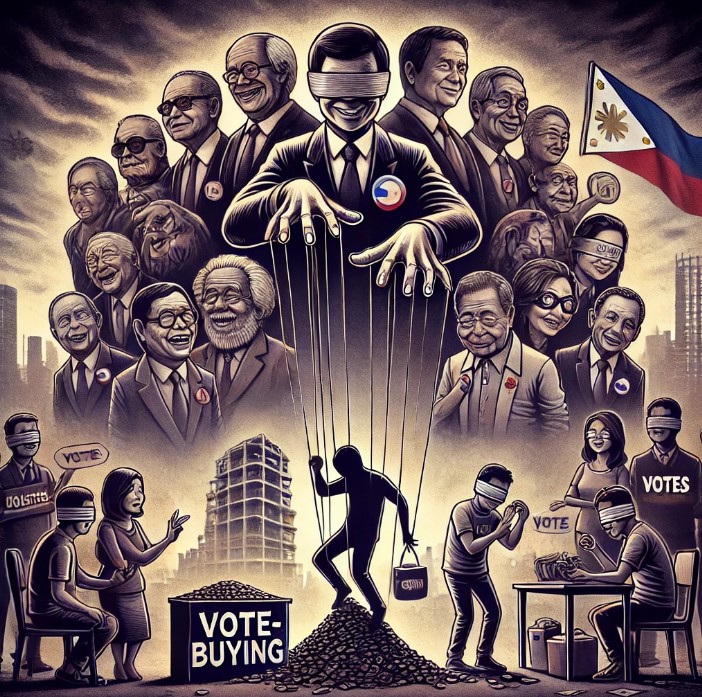
The first three parts of this series of articles identified our serious faults as Filipinos—we sell our votes, we use questionable standards when choosing leaders, we treat elections as if they are popularity contests, allowing immensely popular but inexperienced and incompetent celebrities to win, and we either keep restoring the same traditional politicians from the “recycle bin” or replace them with family members. It is a “hamartia” (or tragic flaw) in our character as a nation.
Our inability to choose the right leaders clearly prevents us from reaching our full socio-political and economic potential as a nation.
We know the government is essential in leading all efforts to make our country progressive. We need the best leaders if we really want to become a “developed nation.” We as citizens are responsible for selecting the best ones to hold the reins of government. Unfortunately, we keep failing to do so.
The funny thing is that after we put them into power—the politicians who won because they had the money to buy votes, celebrities-turned-politicians who are inexperienced and incompetent, “recycled politicians” and the members of their political dynasties—we expect them to perform well. After every election, we expect a better-performing government.
And why would we expect a different government – a more effective one – when we know that we keep electing the same politicians or use the same old rotten standards when choosing new leaders?
Let us revisit Albert Einstein’s definition of insanity: “Doing the same thing repeatedly and expecting a different result.”
But assuming that one day we restore our sanity and finally refuse to sell our votes—finally, we learn to elect the most deserving and qualified candidates into office—would the wheels of national development start rolling?
Not quite yet!
There’s one more problem, a problem more serious than our failure to vote wisely and conscientiously. The more serious problem of Filipinos, as mentioned in the first part of this series, is the mindset that the leaders we elect are solely responsible for solving all of our society’s ills and the nation’s problems.
We view our relationship with the state from the vantage point of “self-entitlement.” We think that our leaders must give us “this and that.” We say the government should do “this and that” for us. We expect too much from leaders whom we don’t even choose using the best and most appropriate standards.
Is it the duty of the government to provide each citizen with food, clothes, and shelter?
There goes another problem among us Filipinos. We answer “yes” to the foregoing question, and we seem to have embraced another dangerous tendency—the “ayuda mentality.”
The government’s general functions are to formulate, implement, and enforce the laws of the land, build infrastructure, ensure peace and order, and create economic and other opportunities that help its citizens enjoy the conveniences of life, have the best chance to get a good education, and find or create means of livelihood.
It is also not the duty of the government to provide everybody with a job.
One of the functions of the government is to create an environment that promotes economic growth. They have to ensure that businessmen would be encouraged to invest and initiate business activities, thus creating job opportunities. But jobs are not given on a silver platter. We have to search for job openings, apply, and ensure that we have the required qualifications for the jobs we want. Getting ourselves ready for employment is a personal responsibility. The government will not deliver to our doorsteps the jobs that we want.
The government is also an employer but cannot possibly provide each citizen with a job. It is also impossible for the private sector to employ everybody. That’s just the reality—harsh as it may be. Those who don’t get employed or do not want to work for others because they have better plans for themselves could perhaps succeed as entrepreneurs.
Not everybody would get a college degree. Not everybody is trained and destined to be in a workplace – either in the corporate world or the academe. Some of us will be factory workers, sales clerks, farmers, fishermen, plumbers, drivers, gardeners, or what-have-you. It doesn’t matter what jobs we have, as long as they are decent and they allow us to earn a living honestly.
Don’t reason out that you came from a poor family and your parents could not send you to school to get a good education and have a better chance for a better life.
Unfortunately, this is how we are wired. When we encounter failure, when things don’t turn the way we expect them to, when we are not doing well in the different areas of our personal lives, we are always ready to check our “blame list” to find somebody or something to put the blame on. And our favorite whipping boy – the government. When we are done accusing our leaders for not doing their job well, causing us to become losers, we next vent our ire on our parents, saying that they did not work hard enough to ensure that we live a good life when we become adults.
We need to throw away that “blame list” because, whether we like it or not, we are personally responsible and accountable for our successes and failures. There comes a time in our lives when we should become self-sufficient, when we, not the government nor our parents, decide for ourselves and take complete control of our destiny.
We Filipinos must realize that without recognizing our faults and changing, this country will never become progressive and “developed.” We will never gain the respect of the community of nations if we remain the way we are now.

John F. Kennedy said something we should reflect upon: “Ask not what your country can do for you—ask what you can do for your country.”
We Filipinos need to realize that there are two requirements for a country to become progressive and developed: good government and responsible citizens. Remove one, and a nation is doomed. The citizens and their leaders need to work harmoniously towards achieving national goals. There’s no other way. Both of them need to work hard. They have to work hand in hand. And in case you did not notice, we as citizens control both requirements – we can decide to become responsible as citizens and also choose in whose hands we should put the reins of government.
When Do We Wake Up?
(THIRD OF 4 PARTS)

SAME POLITICIANS… SAME RESULTS
We’re complaining about political dynasties, right? But haven’t we realized we are guilty of creating the political dynasties in the Philippines? Yes, we have to admit it. We allowed the same politicians and their family members to lord it over in the Philippine political landscape.
When a politician, let’s say a mayor, could no longer run for re-election due to term limits, what would the honorable gentleman do? Turn his back on politics? Of course not! Power is so addicting. So many of those who experienced being at the helm of either local or national politics (and enjoyed the benefits, including those “passed under the table”) would not just quit politics or pass the torch to another person.
So, what would happen?
His wife would run for the position he previously held. Then that politician would run for another post – as governor, perhaps. Most of the time, Filipino voters would allow them to win, and usually, they would be able to mesmerize (or buy) the voters to luckily get re-elected until they reach their term limits. Would it be the end? Would their thirst for power (and the so-called “benefits”) be finally satiated?
You know the answer… a resounding NO.
The couple would ask their son or daughter (a grandson, a granddaughter, or an in-law) to run for the positions they would vacate. The shocking thing (and you might not believe it) is that there are times when siblings, or even husbands and wives, do not give way to the other, and so members of the same family slug it out in the political arena.
Anyway, this is not about family members squabbling in the political arena but about the political dynasties their families created.
Let’s continue, then.
Let’s return to the mother who just reached her term limit as mayor. Would she go back to being a full-time mother and wife? You were born only yesterday if you don’t know the answer to that question. Yes – she would run for the post vacated by the husband-politician. The husband would then aim for a higher position – run as congressman or senator. If all family members win, then for years, the power will change hands within the same family. The son (or daughter) is a mayor, the mother a governor, and the father either a congressman or senator. When term limits are reached, they will just run for the position a family member would vacate. Some siblings, and even in-laws, in the family also occupy minor positions in their geographical units.
Did that family create their political dynasty? No! We did it. We Filipinos created the political dynasties in the Philippines.
Now, answer these questions – “How (did they perform) are they performing as leaders?” “What is the country’s current economic, social, and political condition?” “Is the Philippines marching towards progress with them holding the reins of government for God knows how long?”
Of course, you know the answers to the foregoing questions.
How many of the available positions in the Philippine government, local and national, are held by the same families who have been the gods and goddesses of Philippine politics since time immemorial? Most of them are offspring of the peninsular who survived “America’s power grab” at the turn of the 20th century. Eventually, they stayed in the country and reaped the dividends. And it’s not only the politics that they dominate. With the enormous fortune they inherited from their Spanish parents/grandparents, they also control the country’s economy. That’s why Filipinos sometimes jokingly ask – “Did the Spanish rule really end?”
Only a few pure-blooded Filipinos and foreign expatriates of Chinese origin who became wealthy when the Americans took their turn to colonize the Philippines had the financial resources to challenge the Spanish mestizos for political supremacy in the Philippines, especially after the Americans granted the Filipinos their independence after the World War II. Some of them succeeded, and when they experienced how intoxicating power is, they (and their offsprings) kept running, and we kept electing them as if nobody else were qualified.
It is no longer surprising that politicians holding national positions have one or two family members and in-laws holding seats in the local government.
Filipinos might ask, “When would the same people from the same families pass the reins of leadership to each other in national and local governments after elections end?”
That’s up to the Filipino voters.
So, we should not wonder why the World Bank still classifies the Philippines as a “developing country.”
According to Albert Einstein, “insanity” is doing the same thing repeatedly and expecting a different result.
Why do we expect a better-performing government when we keep electing the same politicians?
When Do We Wake Up?
(SECOND OF 4 PARTS)
CLOWN-GRESS
We also need to exercise our right to vote seriously. Refusing to sell our votes is only the first step. It’s about time that we set specific standards that candidates should measure up to before we write their names on the ballot—standards that go above and beyond the qualifications set by our Constitution for candidates seeking a particular public office.
It’s time for us to realize that some personalities are venturing into politics not because they want to serve the people but because they think they are popular enough and could get a seat in the government through it. They know their popularity could easily catapult them into public office. Power, like fame, is also addicting. Some of these famous people running for elective positions want to have both.
An interesting question is, “How many showbiz and sports personalities holding public office now were elected not because they are both qualified and capable but because they are popular?”
There are other questions that we need to answer as honestly as we should – “What did those actors, actresses, singers, TV personalities, basketball players, boxers, and other celebrities who used their popularity to win contribute to the improvement of the quality of life in the localities where they were elected?” Those among them who were lucky to become President, Vice President, Senators or Congressmen (or were given cabinet posts), did they contribute anything to national development?” “What good, if any, did their ‘star power’ bring to politics and governance in the Philippines?”
Suppose all those seasoned and veteran politicians with master’s and doctorate degrees in law, economics, political science, public administration, and business administration who have been in public service all their lives could hardly move the needle forward on socio-economic development. What do we expect from showbiz, media, and sports personalities who suddenly turned into politicians only because they are immensely popular and they know that Filipino voters could easily be deceived? Do they honestly think the skills and knowledge needed to run a public office can be acquired by taking crash courses in leadership and management?
Sadly speaking, this is how politicians and celebrities-turned-politicians think of Filipino voters – they can not only be bought, but they are also unintelligent. Most of those running for public office consider the Filipino voters cheap and ignorant – cheap because they are willing to sell their votes for a small amount of cash and ignorant because they don’t know how to choose the right candidate for a position.
Choosing the most qualified and capable candidates is not rocket science. We can evaluate their qualifications to match the position they are seeking. We can check their track record. We can hear them talk during the campaign in person and through any form of media. We can determine who among them is eloquent and can articulate their government platform and who is dumb and merely banking on their popularity so they could get the support of unsuspecting voters or have truckloads of money to buy votes. If we find those celebrities truly qualified, capable, and sincere in their desire to serve this country, and they are the best candidates vying for an elective position, we should vote for them. But if, upon examination of their credentials and background,d you find nothing but their popularity, you’ve got to make the right decision – vote for the most qualified.
We have to separate the wheat from the chaff. We must be diligent in distinguishing the qualified and capable candidates from the pretenders. Electing leaders unto whom we give the mandate to lead – unto whom we pin our hopes for a better nation – is not a game. Elections are not popularity contests.
Governance is a serious business and should be done full-time. A public servant cannot be a part-timer who attends to her/his duties and obligations only when there are no shooting sessions for movies and TV shows or practices or games to play as an athlete in any sport.
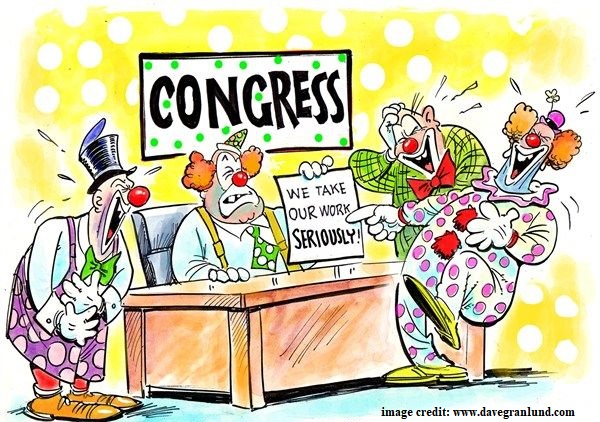
We should never entrust a public office to clowns.
PART ONE (THE CURSE OF VOTE BUYING)
When Do We Wake Up?
(FIRST OF 4 PARTS)
THE CURSE OF VOTE BUYING
If we think our leaders alone can deliver us to the proverbial “promised land,” we are gravely mistaken. If we believe that among them is a messiah who can bring about the socio-political and economic reforms needed to make our country progressive and peaceful, then we are having a dream, or more fittingly, a nightmare, and it’s time to wake up.
It is not because nobody among them is qualified and capable of leading our country to greatness (but I won’t blame you if you think so). It’s just that nation-building doesn’t work the way we think—that it can be done unilaterally by those we elect to occupy the seats in the executive and legislative branches of government. We believe our only role is voting, which we even fail to do responsibly.
That is one (probably the worst) of our major problems as people – the mindset that the leaders we elect have magic wands they can wave to solve all of society’s ills and all of our nation’s problems. It is the prevailing belief among us. We pin our hopes for a brighter future on our leaders.
We expect them – the governors of our provinces, the mayors of our towns and cities, and the captains of our barangays to solve our problems. We expect them to weave their magic and cast their spell, and then when the smoke dissipates, we suddenly live a better life.
We think of our members of Congress and senators as witches and wizards who could improve our country through their out-of-this-world powers.
We think our President, vice President, and cabinet members are mighty superheroes who can save us from any disaster and protect us from villains. Well, they are not. If we think we live in either the DC or Marvel universes, it’s time to wake up. We live a real life, not a “reel” one.
It’s time to wake up. We must realize that those elected (and appointed) politicians and leaders manning our government’s executive, legislative, and judicial branches are as human as us. They don’t have superpowers. They cannot solve all of the nation’s problems by themselves. They need our support as citizens. Each citizen—rich or poor, professional or not—has a role. Each of us should contribute to nation-building.
What can ordinary citizens do to help make the Philippines a better nation?
What about not selling votes during elections?
We expect too much from our government, yet we do not vote for the best and most qualified candidates for public office during elections. Instead, most of us write on the ballot the names of the candidates willing to buy our votes.
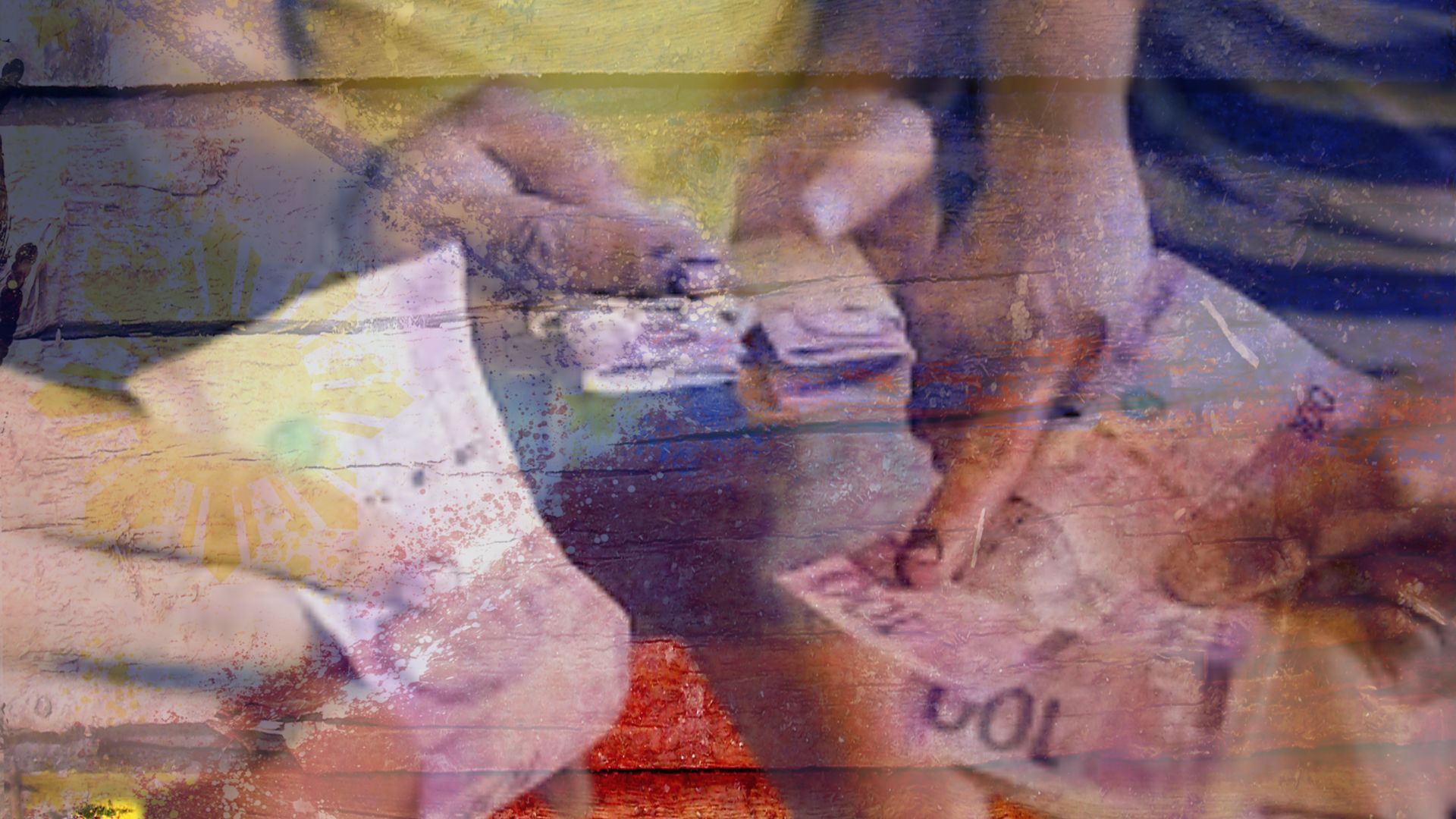
Vote-buying is an open secret in our country. It is freaking rampant. It has become the norm. It’s making the electoral process lose its essence. Leaders are elected not on the strength of their qualifications, abilities, and platform of government but on the power of the money they can pay each voter who would promise to cast their votes. On the eve of election day, bidding wars begin. Once candidates get the information their political rivals offer a certain amount for each voter, they will likely double that. The starting price is usually P500. Then, candidates will try to maneuver until the price becomes P1000 per vote. The desperation among the politicians sometimes makes them willing to cough up P2000 (or even more) for each voter.
Would elected officials admit that they are guilty of vote-buying? Of course not. So, we could only wonder how many percent of our elected officials bought the positions they are currently occupying. The other question is how much they spent during the past elections to secure their win.
Stopping this culture of vote-buying and selling is difficult, but it has to be done. We must realize that the leaders we put into office should have the moral ascendancy to lead. It is difficult, if not impossible, to look up to leaders whom we know cheated their way to their offices. They are not credible as leaders. We could not apply the principle of “public office is a public trust” when we know the persons occupying public offices “bought” their mandate. These scheming politicians feel their office is their “private property” because they paid for it. They can do, therefore, as they please, and their constituents cannot and (shouldn’t) complain because they have been paid.
Those who thought they duped the politicians by taking the money they offered them are wrong. They were so happy with that P500 (or P1000… make it P2000) they received. Such an amount is nothing compared to the millions of pesos they will get when the politicians dip their dirty hands into the government’s coffers. The money those politicians use to buy votes is considered an investment. Once elected, they will ensure they will get a return on their investment, with the corresponding interest.
Then we complain about how our government is performing. What kind of performance would we expect from politicians we awarded the mandate to lead not because they are qualified and capable but because they have the money to buy votes?
As Thomas Jefferson says, “The government you elect is the government you deserve.”
Every Filipino needs to realize that suffrage is not just a right but a moral obligation. It’s not for sale. Don’t reason out that you’re selling your votes because someone’s buying. “It takes two to tango.” Both vote-buyers and vote-sellers are guilty of this wrongdoing.
Don’t expect the politicians to stop buying votes. They would never do that. Politicians will do everything to ensure they get elected and have the power they crave. Power, as they say, is addicting. They want it so badly and salivate so much for the accruing benefits and opportunities they would get once they are in position. Only those born yesterday don’t know what benefits and opportunities those are.
It is not public service they are thinking of when they run for elective positions. I could be wrong. But am I? How many of those occupying seats in our government’s Executive and Legislative branches are genuine public servants? Who among them are real statesmen?