Why were the Nazis the only Whites who were made to account for the crimes they committed against humanity? There is also a need to consider past acts of slavery and the abuses, killings, and plunder committed by the White imperialist powers against the colonized people in countries they invaded as criminal acts. The Nazis committed their barbaric acts only for the duration of World War 2. Conversely, the White colonial powers perpetuated their brutality for centuries and yet got nothing, not even a slap on the hand.
The colonial powers and slave masters should acknowledge that they owe a debt to the descendants of the countries they colonized. There’s no way around it. It’s the only way that justice will be served. They must pay for the damages they caused. A way to quantify the debt for generations of exploitation, plunder, and enslavement must be devised. The colonizers must pay. More importantly, aside from financial restitution, they must also offer an apology.
However, convening in Geneva to establish statutes to retroactively determine the guilt of the practitioners of slavery and the White colonial masters is seemingly like Don Quixote fighting the windmills. Waiting for justice to be served, at least in terms of restitution and apology, is like Vladimir and Estragon waiting for Godot.
The victims of slavery and imperialism, like Don Quixote, are fighting against the insurmountable Caucasian forces hiding in their cocoon of denial and amnesia, and impervious to their pleas for justice. But unlike the delusional Don Quixote, the victims’ fight for justice is grounded in the harsh reality of the oppression they suffered at the hands of their colonial abusers. But the victims of slavery and imperialism could be like Vladimir and Estragon, endlessly awaiting the arrival of Godot, who never comes. The justice that should be given to them may never materialize.
Will the proud and mighty Caucasians of the world agree to indemnify and apologize to the victims of their colonial abuses? To hope that it will happen is more like waiting for Godot than believing that hope springs eternal. Those powerful white-dominated nations will never allow the passing of such measures if ever a convention for that purpose is held in Geneva or elsewhere in the world.
Instead of reparations for colonial crimes, the perpetrators justify their actions, asserting self-defense. They contend that they fought with and killed the native inhabitants of the countries they invaded because those people resisted. But why would they not? What else were they supposed to do when they were being enslaved, robbed, beaten, killed… and their daughters, sisters, and mothers raped? Would they be expected to say and do nothing? There are even arguments positing that colonial governments shouldn’t be condemned but rather compensated because they built roads, bridges, and schools for the people they colonized, as if that makes up for the crimes and abuses they committed. As if they didn’t exploit and force those same people to build those things and use those people’s own resources. As if they didn’t steal the natural resources of every land they took.
Colonizers claim that they brought prosperity to the countries they invaded. But what if it’s the opposite? What if, in reality, the resources the colonizers stole from their colonies through the violent subjugation of the Native peoples made their countries wealthy and progressive?
After a few years in the academe, a tertiary institution employed me as a school administrator. It necessitated my staying in an apartment away from my family during weekdays. I had no choice but to do the laundry myself. I decided to veer away from my grandmother’s strict orders to separate the white garments from the colored ones. I put them all together in the washing machine. When I did so for the first time, I recalled my grandmother’s stern warning, “You’ll be in big trouble with me if you do.”
That time was already the 21st century, and I thought that the world had become more aware of (and sensitive to) issues related to equality and racial discrimination. I thought that the world had embraced the doctrine of political correctness. I thought that people are trying to avoid language and actions that could be offensive to others, especially those relating to sex, gender, and race.
I was wrong.
I experienced firsthand how the monster called racial discrimination reared its ugly head. Such experience made me realize how deeply the injustice of colonialism and racial segregation had permeated societies, not just in America and Europe but all over the world.
That experience occurred when I applied as an English (ESL) teacher overseas and was unpleasantly surprised to discover that most universities in the countries where I hoped to work would hire only native speakers of English who were citizens of (guess what?) predominantly white countries. I had thought native speakerism was just gossip. How naïve of me not to believe what some of my friends said that preference is given to native speakers of English in the field of English language teaching overseas. Can I be faulted for thinking that the academe would be the last bastion of equality, justice, and meritocracy?
While the period of colonialism may have ended, neo-colonialism has taken its place. And I never thought that some universities have become their purveyors. Standing before the mirror at that moment, I was reminded that, yes, I am fully capable of teaching English, and I have the necessary educational qualifications, pedagogical training, and teaching experience. However, there is one thing I don’t have: fair skin. It made me think that even if I were a citizen of one of those countries predominantly populated by Caucasians, I might still not be hired by those universities because the unspoken standard is not citizenship—it’s the color of one’s skin.
What my grandmother repeatedly said when instructing the ones doing the laundry came back to mind: “Separate the whites from the colored fabrics.” Was I cursed because I did not follow her bidding? Should I have separated the white garments from the colored ones? Should I have treated the whites delicately? That’s essentially what those universities were doing. They were giving the Whites preferential treatment. It felt like a cruel reminder of the color of my skin… dark brown, almost black.
What hurts is the fact that the people in those universities who implement that discriminatory rule of hiring only native speakers of English to teach the language are Asians like me. Then I realized that the color of their skin is neither black nor brown. They belong to the yellow race, and their skin is almost white. White and yellow, both skins are fair. At that time, in my mind, neo-colonialism ceased to be just an abstract political term. I saw how alive it is in the structures that still marginalize people based on race and skin color.
The painful truth that many of the universities in those countries I hoped to work in would hire only native speakers of English from predominantly white nations, while overlooking my qualifications, is a stark reminder that colonial ideologies still shape opportunities and perceptions
*****
Just one more WHY?
When I was young, my mother told me that one day, when I grew older, I would understand why in America, colored people weren’t allowed to use the same toilets as White people. But here I am, a grown-up with graying hair that is supposed to symbolize wisdom, and still I do not understand.
Here’s my next why.
Why, after all these years, do we still see the same patterns of discrimination, hatred, and violence based on skin color?
What would I say to my children, or grandchildren, or any young person if they were to see the same images I saw before? Will I be able to sufficiently respond if they asked why people with dark skin couldn’t use the Whites’ drinking fountain?
What if, in the future, they see on social media the image of a person of color being mercilessly manhandled by a White person, like the photo of a White police officer (yes, a police officer) kneeling on the neck of a defenseless Black man, causing his death? Something that happened not centuries ago, when black slavery was at its worst, but one that occurred only a few years back. What will I say if they ask me why? Why do people like Derek Chauvin continue to exist, inflicting so much pain on the George Floyds of the world?
Maybe I’ll do as my mother did—nod, smile, and say, “Someday, my children, you will understand why.” But my fervent prayer to the Good Man above is that they never have to ask the same questions I did.” I hope they will live in a world where skin color no longer dictates one’s worth or opportunities.
Why didn’t my mother at least warn me that I would be shaken by the things I would uncover if I kept digging into the issue of Whites and people of color? But maybe she didn’t answer me because she couldn’t grasp it herself. And if she, an adult, couldn’t, how could I when I was just a clueless teenager?
She was right. It is hard to understand why the White forefathers of Americans brought Africans to their colonies in North America to be slaves, treated them like animals destined to be sold, punished, taken advantage of, or killed for resisting.
It’s unfathomable how a person’s skin color could give someone else the right to mistreat them. Or why being white gave them the freedom to do whatever they wanted.
Why? Do White people own the world?
When our Philippine History teacher said that Spain and Portugal once divided the non-European world between them, as if they had split the earth like a piece of fruit, I wondered. They agreed on which parts of the world each country could claim as its own. He said that, actually, Magellan, who discovered the Philippine archipelago, was a Portuguese who circumnavigated the globe on behalf of Spain.
So, aside from the history of the world, I also began reading more about my nation’s history. I tried to learn more about my country beyond what my elementary teachers taught us in our Social Studies classes.
However, that only raised more questions than it answered my previous ones. I only got more surprised, sometimes shocked. It wasn’t just the Spanish and Portuguese. The British, French, Germans, and other Europeans, all of whom were white, also joined the scramble. Any land their giant ships could reach and batter with their big guns—they claimed it. Whites ruled the world, enslaving people whose skin color was different from theirs.
Why? The whys kept coming.
We were taught in elementary school that the Spaniards, White people from Europe, colonized us. But I didn’t know then that that was for more than 300 years. Yes, three long centuries. Then, the British tried to seize the Philippines from them but failed. Eventually, it was America that successfully took us from Spain. What was their justification? If they didn’t take us, the Germans would.
So, were colored countries just toys for white nations to pass around?
People of color, black and brown, were treated like animals by the Whites of the West. Their lands were seized. Their resources were stolen. They were driven to forced labor. Some of them were taken as captives and brought to the home countries of the colonizers to serve as slaves.
Some were deprived of the right to establish their destiny as nations. That’s what the Americans did to my forebears. The Filipinos, who were on the verge of toppling their Hispanic colonizers and starting to exist as a sovereign country, were misled into believing that the US was helping them achieve independence from Spain. It turned out to be wishful thinking. The Americans, in pursuit of their imperial ambitions, took the Philippines away from the Spaniards.
Then, I realized something else about reading. It could steal your innocence. Barely in my teens, I felt like I was already losing the purity and simplicity of my perceptions. Sad to say, I started feeling an animosity towards the Whites, particularly those from the Iberian peninsula, the Spaniards, and those from North America, the cousins of the Brits. I was both hurt and angry when I came to know the cruelty my forefathers suffered at the hands of our colonizers, the Spaniards and the Americans. But I was no longer surprised because those who colonized us were Whites, and my forebears were people of color. If the Americans could not treat their Black countrymen justly and humanely, why would they treat an almost equally dark-skinned people like us differently?
I may be young then, but my heart bled with my forebears who bravely fought the Whites, but to no avail, for the latter were far superior in military strategy and weaponry. It wasn’t fair. The Davids don’t always win against the Goliaths. Most of the time, they lose. If it were a boxing match, the colonized people were flyweights, and their colonizers were heavyweights. It wasn’t a fair fight. Only the people of Haiti were able to successfully expel their colonizer, France, at the height of the colonial period. There were a few other nations that succeeded in driving out colonial forces, but these occurred during the 20th century when colonialism was in decline.
There was a price I had to pay for digging deeper after I saw that photo in my mother’s book. I gave up blissful innocence and traded it for a heartbreaking awareness of the past and a worrisome understanding of its impact on the present. Such consciousness of historical truths was painful and has become a burden, but it was necessary. It was only through knowing these dark chapters of history that I could slowly understand human sufferings brought forth by cruelty and injustice that I never thought human beings could inflict on their fellow men. The loss of my innocence is a victory, bittersweet it may be, but the thought that I could do nothing to stop the cruelty and injustice is painful.
*****
In college, I did my laundry, still following my grandmother’s rule: separate the whites from the coloreds and wash black clothes last.
I continued reading about history, both of the world and my country. I became a more avid student of history. I had more books, especially encyclopedias, at my disposal. The Internet was not yet accessible to everyone at that time. It was in those years of self-study and reading about history that I truly began to see the connections between race, power, and oppression. I discovered more horrifying truths about slavery and colonialism.
As I read more, I learned how colonial powers—British, French, Spanish, and some of their white European cousins—used slavery to fuel their economies, treating Africans as property rather than people. The brutal migration of thousands of enslaved Africans to the Americas was not just a historical fact—it was a system built on the idea that people of color were inferior and expendable.
As I explored further into history, I began to also have a better understanding of the scale of the Holocaust, where the Nazis sought to exterminate millions of Jews, just as other racist systems attempted to erase people of color. My young mind had found it mightily difficult to comprehend why the Germans had such intense hatred towards the Jews in the same vein that I consider unfathomable the belief of white Americans that they are superior to people of African descent and brown-skinned like me.
I tried to read more about that photo showing a massive pit filled with dead bodies, surrounded by tall, white German soldiers who appeared to be grinning as they looked down at the corpses of the Jews they gassed, peppered with bullets, or allowed to die through starvation and sickness. One of them had a gun pointed at the head of a man on his knees whose eyes reflected resignation to his fate, and I was pretty sure that a few seconds after that picture was taken, a bullet crashed through that man’s skull, and probably died even before his body landed in that pit.
I can’t help but ask why again?
Why did the Germans try to erase from the face of the earth the descendants of Abraham? Is it truly a crime to be born with skin darker than the ideal, whether Black, Brown, or Jewish? I couldn’t understand how their belief in the superiority of the Aryan race gave them the right to eliminate the people of Israel, whom they believed to be racially inferior.
What makes them consider themselves superior, their white skin? As I pondered the answer, I couldn’t help but playfully correlate melanin to racism. Could it be that the less melanin in the skin, the more racist a person becomes? Could the more melanin a person has, the more likely they will be oppressed?
There were times when I wanted to stop reading. It made me think that sometimes ignorance felt comforting. As they say, “Ignorance is bliss.” Would it have been better for me not to have chanced upon my mother reading that book and seeing that photo?
But it was too late for me to turn my back on reading. Reading has become an itch that I needed to scratch. It is the drink that quenches my thirst for the answer to the question of why the whites were so cruel and brutal. Why did they see dark-skinned people as less than human, treating them like animals on leashes?
It isn’t comforting to think that the practice of abusing and maltreating a group of people was considered acceptable among the White population. And here, again, are my whys. Why was such treatment of fellow human beings allowed? Why did the society of white people sanction such cruelty?
And what I consider most appalling was the defenders of slavery providing religious justification. Yes, even the Holy Book was used to sort people like garments. Just as white fabrics were given special treatment and black ones were washed last, so too did the disciples of slavery use scripture to divide, dominate, and dehumanize. The Bible, which is supposed to inspire equality and compassion, was instead twisted by those who tried to justify slavery. Slave owners and colonizers clung to verses that appeared to endorse servitude while ignoring the spirit of liberation that is a more compelling theme of the Holy Scriptures.
Yes, slavery was mentioned in the Bible, and even regulated. However, we must remember that the prophets and apostles who wrote these sacred texts were, like us, human beings. They were not infallible. They lived in societies where slavery was the norm, and their words were shaped by the flawed realities of their time. Blindly accepting slavery as morally permissible just because it existed in scripture is to confuse description with prescription and culture with divine command.
The more profound message of scripture, primarily through Christ, is one of love, justice, and human dignity. That message was silenced by those who preferred “Slaves, obey your masters” over “Love your neighbor as yourself.” Faith was weaponized. In the hands of slave masters, the Bible, became not a source of hope but a whip. And those who used it to subjugate others were not spreading the gospel. They were staining it.
Why didn’t the Whites chose to love their dark-skinned neighbors? What have people of color done to them to deserve such hatred? Why were they dehumanized? Why did White people perpetuate the inhuman system of slavery for centuries? I continued reading to find answers to the many questions I had. I wanted to understand the psychological mechanism of slavery and its lingering effect on the ongoing systems of racism and inequality. I tried to find the roots of the hatred that Caucasians harbor toward people of color.
The more I uncovered in my readings, the more I realized that understanding the roots of such hatred of the Aryans toward dark-skinned people was not just about finding answers; it was about understanding the complexities of human nature. It was about confronting the darkness of human history and understanding its unshakable grip on the present.
And as I continued through the pages of both our nation’s history and that of the world, I kept repeating one question:
WHY?
Why is it that in every photo that struck me, there were always fair-skinned, tall people standing triumphantly or towering over dead bodies of people with colored skin?
Why were American soldiers even photographed, smiling, hands on their hips, at the edge of a mass grave filled with the bodies of brown-skinned Filipino Muslims whom they massacred at Bud Dajo in Sulu?
It would’ve made sense, although not morally justifiable, if they had only killed soldiers or warriors. But they included helpless women and children. You can even see in the photo dead women with their breasts exposed. Didn’t those American soldiers in the photo and their commanding officers have no sisters, wives, aunts, mothers, or grandmothers? Why did those American soldiers do it? Was it because my forebears were dark-skinned and thus didn’t deserve to live?
Then I unearthed more photos, those of dead colored people again, including children and women, massacred in Shaperville in South Africa. They belonged to the group that protested against the restriction on movement imposed upon them. Reports had it that they were sprayed with bullets by the White police who belonged to the White government that subjected their non-white compatriots to political, social, and economic discrimination.
It made me wonder if the Apartheid that the Whites in South Africa implemented was inspired by the segregation scheme that the white Americans used against their colored compatriots. It appeared to be so. Similar to what their fellow Whites did in America, the White supremacist government of South Africa declared certain areas as white-only zones, forcibly relocating colored families to slum areas far from their schools and workplaces. Who wouldn’t protest?
I saw no difference between the images of the Holocaust and those of the massacres at Bud Dajo and Sharpeville. All displayed the same cruelty that humans can inflict on one another. And I couldn’t help but notice that the perpetrators in these cases were fair-skinned, blinded by their belief in white supremacy, while their victims were dark-skinned souls.
Why does history repeat itself? Why, in every conflict, in every atrocity, do the perpetrators so often share the same trait—whiteness—and their victims, a common heritage of darkness?
What about the abuses of the South African white government during the implementation of apartheid? What about the abuses committed by the Americans when they colonized my nation? What about the atrocities committed by other colonizers in the countries they occupied during the colonization period?
Ah, there’s a legal technicality, they say. Something called the Genocide Convention — the act of genocide is only considered a crime if committed after 1948. So, it’s too bad for the people of color who were victimized before the world decided to classify such things as illegal, immoral, and criminal.
What about the guilty parties in the implementation of Apartheid in South Africa? That was after 1948, right? While some individuals were reportedly prosecuted, the larger question of criminal accountability for apartheid-era crimes remains a complex and unresolved issue in that country.
Then, I became a teacher and eventually got married. The laundry was no longer my concern. My wife did it, and she was just as meticulous as my grandmother was with the fabrics. She treated the whites delicately and ensured that the colored ones were strictly separated.
During my first year of teaching, aside from English, I was elated when our High School principal assigned me the courses of Philippine History and World History. These courses seemed drawn to me. Even when I eventually moved to a tertiary institution, I would be assigned those courses. Slavery, colonialism, racism, and other related constructs would always come knocking at my doors. Strangely enough, even when I taught at the Graduate School level, I found my way back to history when I was asked to teach Southeast Asian studies. And what’s the common denominator among Southeast Asian countries? They were all colonized by the Whites, except for Thailand. There was no place in the world that the Caucasians from North America and Europe did not include in their collection of trophies. Every country they successfully invade is a trophy.
I taught History passionately, and whenever the subjects of slavery, colonialism, and racial discrimination were discussed, either as the main topics or as related topics, I became like a man possessed. I poured out all the thoughts and feelings I had been carrying in this writing.
I argued with my students that there is a need for the countries of the civilized world to convene again in Geneva and once and for all create laws intended to address the abuses committed by imperial forces during colonial times in countries they occupied by force.
I was just a little boy when I first heard those words. That was my grandmother’s strict instruction to our housekeeper whenever it was time to do the laundry.
“Scrub the whites, but carefu. Make sure all the stains are gone,” added my mother’s mother, a woman known for her slight sternness. “And don’t forget to bleach them.”
My curiosity wasn’t about her sternness but about the special treatment given to white clothes. Why couldn’t they be mixed with the colored ones? After all, they were just clothes. They were but the same.
Then came my grandmother’s final warning: “Wash the black clothes last. Never, ever mix them with the whites. You’ll be in big trouble with me if you do.”
That lingered with me. White clothes required special care. Never mix them with colored ones during laundry to avoid stains. And the black clothes? They had to be washed last, not with the white or other colored clothing. Even when rinsing, black and other colored items must be done last, using water that has already been used for the whites.
Poor colored garments, especially the black ones.
The way colored fabrics were treated struck me, and later, it connected to something that had confused me deeply as a child. It happened when I asked my mother about a photo in a book she was reading. I cannot recall the title, but it was about American history. She had returned to college after we, her children, required less of her attention. She had dropped out of school when she decided to marry my father. Our grandmother and the housekeeper took care of us whenever she attended her classes.
I developed a love for reading at a young age because I saw how much my parents enjoyed it. My father would have an English broadsheet and a Filipino tabloid every morning. On the other hand, my mother read magazines, comics, and her reference books. It was my mother who taught me how to read, a skill I learned even before I started attending school. I often browsed and read the bo0ks she brought home from the library. Both of my parents were my dictionaries. They patiently translated English words into our vernacular whenever I asked.
In the photo I mentioned, I saw the word “restroom” written on a wall, and below it were two signs that read “white” and “colored.”
Before my mother could flip to the next page of the book, I asked her about the picture. “Colored is what white Americans called their fellow citizens with black skin,” my mother explained.
I didn’t know why she laughed when I said, “But white is also a color.” Was I wrong? Why were dark-skinned people called colored and white people were not? Is white colorless?”
She said I was being a bit of a philosopher. She told me I was right — white is a color, too — but I was too young to understand what colored meant in that context.
I looked at my skin then. It was dark brown, just a few shades away from black. One thing was for sure: I was not white. And whenever I played for too long outside on non-school days, my mother would say, “Look at you. You’ve gotten darker from being out in the sun.”
If the world were a giant washtub and I were a piece of laundry, I’d be sorted with the coloreds, not the whites. My skin was only a little lighter than black, so if I were to be rinsed, I would probably be last, too.
Then I asked her, “Do you mean, Mom, the whites and those with dark skin had separate restrooms?” My mother closed the book she was reading, looked at me, and said, “You’re too young to understand.” That was the same thing she said earlier. She kept insisting that I was too young to understand.
When she put down the book beside her, I grabbed it and looked for that photo again. Then I kept pestering her about it until finally, she explained that there was a time in America when black people were not allowed to mingle with their white fellow citizens in public places like restaurants, cinemas, transportation, and even restrooms.
But why?
Then, what my grandmother said about the whites and the colored fabrics echoed in my mind.
I turned to more pages in the book. Even in drinking fountains, it was the same. People with dark skin couldn’t drink from the same fountain as the whites.
Why was that?
Maybe it’s because the whites were afraid they’d get stained if they mingled with people who didn’t share their skin color?
That was, of course, the kind of question a child like me could ask. But was that a silly question?
My mom looked surprised. She didn’t answer immediately. Her eyes narrowed, and then her forehead creased, just like my classmates’ faces when our teachers called on them unexpectedly, and they didn’t know the answer.
She had difficulty answering my question. She nodded and smiled. I couldn’t say it was a “yes” — it felt more like, “Sorry, I don’t know the answer.” It was the same look I’d give our teachers when I didn’t know the answer to a question — smile, look down, and scratch the back of my head.
My mother knew me well. She knew I was about to bombard her with a barrage of questions. She knew I would not stop asking questions until my curiosity, like thirst, was quenched. But before I could ask another, she beat me to it.
“Someday, you’ll understand why. Now, go play outside. Give me back the book — I need to study.”
*****
When I got to high school, I could still hear my grandmother’s rule echo in my head every time I saw a laundry pile — whites must be separated from coloreds. Black clothes were like lepers, isolated to keep their color from spreading.
At that time, I would hear my mother parroting my grandmother’s instructions about white and colored fabrics when instructing my younger sister whenever they would do the laundry. We no longer had a housekeeper. My parents had started cutting expenses. My grandmother was no longer living with us, so my mother and sister had to do the laundry.
Sometimes, I helped sort the whites from the coloreds before they did the laundry. And every time I did, the images from that book would resurface in my mind — photos showing that in America, people with dark skin were banned from mingling with the whites. I used to think Americans were kind, mainly because my grandmother used to tell stories of how they saved us from the oppressive Japanese during World War II. That changed because of those photos. However, those photos also sparked my interest in reading history books. That’s why, even though I was only in my first year of high school, I was already reading books on World History — a subject we were only supposed to study in our fourth year.
My mother’s responses to the questions ignited by that photo left me hanging. I wanted to know why people with dark skin were treated with such disgust in America and if the same was true in other parts of the world.
Why was that? Did black people do something wrong to be treated the way they were treated? Is it a sin to be dark-skinned? As I continued my education and delved deeper into history, I realized that my grandmother’s instructions about white fabrics and colored ones mirror how society categorizes people based on skin color.
I believed that reading would help me understand why such practices existed in America at that time. But it didn’t. Yes, it was true that the more I read, the more I learned. However, the more I learned, the more confused I became. My questions only multiplied. My thirst for the answers to those questions was never quenched.
I wanted to ask my mother why she didn’t just tell me outright that whites once enslaved black people, and that’s why they were looked down upon.
I learned that the Americans were British colonists who revolted against their king and founded their own nation. The British were the ones who brought dark-skinned people from Africa to North America as slaves to serve and work in their fields.
I recognize how much I didn’t know about the world’s history. So, I read more. That’s when I realized that the more I read, the more I learned that I was ignorant about many things. That’s when I also understood that reading doesn’t always give you answers — sometimes, it makes you ask more questions. And the answers to your questions can make you wonder, laugh, get angry, disgusted, or even feel pity.
At a very young age, I felt deep pity for black people. While slavery dates back to antiquity, nothing was more pronounced than the plight of dark-skinned slaves. They suffered the most from it. People who were enslaved throughout history were considered inferior, uncivilized, and bestial. No race was stigmatized this way more than people of African descent. A book I read claimed that Americans, in par“Separate the whites from the colored fabrics.”
I was just a little boy when I first heard those words. That was my grandmother’s strict instruction to our housekeeper whenever the latter did the laundry. We didn’t have a washing machine back then.
“Scrub the whites thoroughly but carefully. Make sure all the stains are gone,” added my mother’s mother, who was very strict when it came to household chores, particularly the washing of clothes. “And don’t forget to bleach them.”
My curiosity wasn’t directed toward her strictness but at the special treatment she gave to white clothes. I wondered why they couldn’t be mixed with the colored ones. After all, they were all just clothes. They were but the same.
Then came my grandma’s final warning: “Wash the black clothes last. Never, ever mix them with the whites. You’ll be in big trouble with me if you do.”
That lingered with me. White clothes required special care. Never mix them with colored ones during laundry to avoid stains. And the black clothes? They had to be washed last, not with the white or other colored clothing. Even when rinsing, black and other colored items must be done last, using water that has already been used for the whites.
Poor colored garments, especially the black ones.
The way colored fabrics were treated struck me, and later, it connected to something that had confused me deeply as a child. That confusion started when I asked my mother about a photo in a book she was reading. I cannot recall the title, but it was about American history. She had returned to college after we, her children, required less of her attention. She had dropped out of school when she decided to marry my father. Our grandmother and the housekeeper took care of us whenever she attended her classes.
I developed a love for reading at a young age because I saw how much my parents enjoyed it. My father would have an English broadsheet and a Filipino tabloid every morning. On the other hand, my mother read magazines, comics, and books. It was my mother who taught me how to read, a skill I learned even before I started attending school. I often browsed and read the books she brought home from school.
In the photo, I saw the word restroom written on a wall, accompanied by two signs:one white and the other colored. Before my mother could flip to the next page of the book, I asked her about what I saw. “Colored is what white Americans called their fellow citizens with black skin,” my mother explained.
I didn’t know why she laughed when I asked, “But white is also a color. Why were people with dark skin called colored, and White people were not? Is white colorless?” She said I was being a bit of a philosopher. She told me I was right; white is a color, too, but I was too young to understand what colored meant in that context.
I looked at my skin then. It was brown, just a few shades away from black. One thing was for sure: I was not white. And whenever I played for too long outside on non-school days, my mother would say, “Look at you. You’ve gotten darker from being out in the sun.”
If the world were a giant washtub and I were a piece of laundry, I’d be sorted with the coloreds, not the whites. My skin was only a little lighter than black, so if I were to be rinsed, I would probably be last, too.
Then I asked her, “Do you mean, Mom, the Whites and those with dark skin had separate restrooms?” My mother closed the book she was reading, looked at me, and said, “You’re too young to understand.”
When she put down the book beside her, I grabbed it and looked for that photo again. Then I kept pestering her about it, so she had no choice but to explain that there was a time in the US when Black people were not allowed to mingle with their White fellow citizens in public places like restaurants, cinemas, transportation, and even restrooms.
But why?
Then, what my grandmother said about the whites and the colored fabrics echoed in my mind. However, we were discussing people, not clothes.
I turned to the following pages in the book. Even in drinking fountains, it was the same. People with dark skin couldn’t drink from the same fountain as the Whites.
Why was that? Maybe it’s because the Whites were afraid they’d get stained if they mingled with people who didn’t share their skin color? That was, of course, a silly question. The kind of question a child like me could ask.
My mother just nodded and smiled in response to the whys I asked. I couldn’t say if it was a yes, I had the impression that it was more like, “Sorry, I don’t know the answer.” I also had that kind of reaction when I couldn’t answer the questions my teachers asked during class discussions. I would say nothing but smile sheepishly and look down as if begging the floor to rescue me from that embarrassing situation. I would end up just scratching the back of my head.
My mother knew me well. She anticipated I was about to bombard her with more questions. She knew I would not stop asking questions until my curiosity, like thirst, was quenched. But before I could ask another, she beat me to it.
“Someday, you’ll know the answers to your questions and understand why. Now, go play outside. And give me back that book because I need to study.”
*****
When I got to high school, I could still hear my grandmother’s directives echo in my head every time I saw a laundry pile, “whites must be separated from coloreds.” Black clothes were like lepers, isolated to keep their color from spreading.
At that time, I would hear my mother parroting what my grandmother said about white and colored fabrics when instructing my younger sister whenever they would do the laundry. We no longer had a housekeeper by that time. My parents had started cutting expenses. My grandmother was no longer living with us, so my mother and sister had to do the laundry.
Sometimes, I helped sort the whites from the coloreds while they were doing the laundry. And whenever I did so, the images from that book would resurface in my mind, those photos showing that in the US, people with dark skin were banned from mingling with Whites. I used to think Americans were kind, mainly because my grandmother used to tell stories of how they saved us from the oppressive Japanese soldiers during World War II. That changed because of those photos. However, they also sparked my interest in reading history books. That’s why, even though I was only in my first year of high school, I was already reading books on World History, a subject we were only supposed to study in our fourth year.
My mother’s responses to the questions ignited by that photo left me hanging. I wanted to know why people with darkened skin were treated with such disgust in America and if the same was true in other parts of the world.
Why was that? Did Black people do something wrong to be treated the way the Whites did? Is it a sin to be dark-skinned? As I continued my inquiry and studied more historical facts, I realized that my grandmother’s instructions about white fabrics and colored ones mirror how society categorizes people based on skin color.
I thought that reading would help me understand why such practices existed in that part of the world at that time. But it didn’t. Yes, it was true that the more I read, the more I learned. However, the more I learned, the more confused I became. My questions only multiplied. My hunger for the answers to those questions became hard to satisfy.
I wanted to ask my mother why she didn’t just tell me outright that Whites once enslaved Black people. The latter were considered not as fellow human beings but as animals on a leash. I was wondering, then, how come America was called the land of the free when there were people chained in slavery? That was my first lesson in irony.
I learned that the Americans were British colonists who revolted against their king in England and went on to found their nation, the United States. The British and other Europeans were the ones who brought persons of color from Africa to the North American continent as slaves to serve them and work in their farmlands. The Europeans took the continent from another group of people of color, the Native Americans, through conquest, displacement, and violence.
Admittedly, there was so much I didn’t know about the history of the world. So, I read more. That’s when I realized that the more I read, the more I learned that I was ignorant about many things. That’s when I also figured out that reading doesn’t always provide answers. Sometimes, it makes you ask more questions. And the answers to your questions can make you wonder, laugh, get angry, disgusted, or even feel compassion. You will experience a range of mixed emotions. Sometimes, you’ll get overwhelmed by them.
But most importantly, it helps you differentiate right from wrong. It enables you to recognize that the world is a battlefield where the forces of good and evil are constantly at odds. It was through reading that I learned that subjecting people to slavery is wrong, and those who perpetrate slavery belong to the forces of evil. It’s a simplistic but straightforward construct that formed in my young mind, and it developed in me a deep sympathy for Black people.
More readings led me to discover that while slavery dates back to antiquity, nothing was more pronounced than the plight of dark-skinned slaves. They suffered the most from it. An article I read posited that “people who were enslaved throughout history were considered inferior, uncivilized, and bestial. No race was stigmatized this way more than people of African descent. The Americans, in particular, consider them as a distinct group of people fashioned by nature for hard labor. They view Black people as innately and ineradicably inferior.” It was like they believed that God is loving and merciful, but they think that He created the dark-skinned people to become the servants of the fair-skinned ones.
In the images I saw in my continued reading, black people were not only separated from those with lighter skin, but some were chained at the neck, hands bound, and dragged by white men like animals. Others were kicked, slapped, or punched. Some had ropes around their necks, not being dragged but hanging from trees. Tongues out. Dead. Surrounded by tall, fair-skinned people holding clubs and guns. Some stood with hands on hips, smiling while proudly looking at the lifeless bodies of their victims. It’s hard to comprehend how anyone could smile while behind them hung the lifeless bodies of black men and women.
Again… Why?
Worse, I read that Black women were allegedly taken advantage of. That’s how brutal the Whites were. They mistreated and abused people of color. I wish it weren’t true. I hoped historians just made those things up. I wish the images I saw were just drawings, so nicely drawn that they appeared very realistic.ticular, considered them as a distinct group of people fashioned by nature for hard labor. They viewed black people as innately and ineradicably inferior.
Ako’y isang batang musmos pa lamang noong marinig ko ang mga salitang iyon sa unang pagkakaton. Iyon ang mahigpit na bilin ng lola sa aming kasambahay tuwing ito’y maglalaba.
“Brasin mo ang mga puti. Tiyakin mong mawawala lahat ng mantsa.” Dagdag pa ng medyo may pagka-istriktang nanay ng nanay ko. “Huwag mong kalimutang ikula.”
Ganun ka-espesyal ang atensyong ibinibigay sa mga puting damit.
Heto pa ang pahabol ng lola ko noon, “Ihuli mo ang mga kulay itim. Huwag na huwag mong isasama sa mga puti yan. Naku, malilintikan ka sa akin.”
Tumimo iyon sa aking isipan. Kaylangang pag-ingatan ang mga damit na puti ang kulay. Huwag na huwag silang ihahalo sa mga de-kolor kapag naglalaba upang huwag silang mamantyahan. At ang mga itim na damit ay kaylangang ihuli sa lahat – huwag na huwag isasama sa mga puti at kahit anong de-kolor na damit. Kapag nagbanlaw man ay ihuli raw rin ang mga de-kolor at itim at ang gamiting tubig ay iyong pinagbanlawan na lang ng mga puti.
Kaawa-awang de-kolor, lalo na ang mga itim.
Naugnay ito sa isang bagay na nagdulot sa akin ng kalituhan noong ako’y mura pa ang gulang. Ito ay nang tanungin ko ang aking ina tungkol sa isang larawan sa pahina ng librong binabasa niya na ang pamagat ay “Land of the Free.” Ipanagpatuloy kasi ni mama ang pag-aaral sa kolehiyo noong kaming magkakapatid ay hindi na alagain. Madalas eh buklatin ko’t basahin ang mga librong iniuuwi n’ya galing sa kanilang library. Ipinapakita sa larawan iyon ang salitang “rest room” at may nakalagay sa ilalim nito sa magkabilang bahagi na “white” at “colored.”
“Colored” daw ang tawag ng mga Amerikanong puti sa mga kababayang nilang itim ang balat.
Hindi ko alam kung bakit natawa ang aking ina nang sabihin kong kulay din naman ang puti. Mali ba ako? Bakit ang mga maiitim eh “colored” kung tawagin at ang mga puti eh hindi? Colorless ba ang puti.
Pilosopo daw ako sabi ni mama. Tama daw akong kulay din ang puti pero napakabata ko pa daw para maiintindihan ang konseptong “colored.”
Para bang gusto akong batukan ni mama ng sabihin ko sa kanya na siya ang nagturo sa akin na ang English sa kulay ay color at tanging ang tubig alang masasabing walang kulay.
Natingin ako noon sa aking balat. Ito’y kayumanggi. Kaunti na lang eh itim na rin. Basta hindi ako maputi. At kapag natapos akong maglalaro ako ng matagal sa labas tuwing walang pasok eh sasabihin ng nanay kong, “Ayan kakabilad mo sa araw nangitim ka na.” Kung ang mundo’y isang malaking batya at ako’y damit na lalabhan eh masasama ako sa de-kolor at hindi sa puti. Kaunti na lang ang diperensya ng balat ko sa itim kaya kapag binanlawan ako eh malamang sa bandang huli na rin.
Ipinaliwanag ni mama na may panahon daw sa bansang Amerika na hindi pwedeng makihalubilo ang mga Negro sa mga puti sa mga pampublikong lugar katulad ng restaurant, sinehan, mga sasakyan at maging nga sa mga palikuran.
Eh bakit?
Tinignan ko ang iba pang mga larawan sa mga sumunod na pahina ng libro. Maging sa isang drinking fountain eh ganoon nga. Hindi pwedeng uminom ang mga de-kolor ang kutis sa iniinuman ng mga puti.
Bakit ganun?
“Baka ba mamantsahan ang mga puti kaya’t bawal na makihalubilo sila sa mga hindi nila kakulay ng balat?”
Iyon syempre ang uri ng tanong na pwedeng manggaling sa isang batang paslit na katulad ko.
Parang nagulat si mama. Hindi kaagad siya nakasagot. Naningkit ang mata’t pagkatapos eh biglang kumunot ang noo. Ganun din ang itsura ng mga kaklase ko kapag sila’y biglang tinawag ng titser namin upang sumagot sa isang tanong at hindi nila masagot.
Tila nahirapan si mama na sagutin ang tanong ko. Tumango’t ngumiti na lamang siya. Hindi ko masasabing “oo” ang sagot ni mama sa aking tanong. Sa tango niya’t ngiti kasi ay parang sinasabi niyang, “Sorry hind ko alam ang sagot.” Parang ako lang kapag hindi ko kayang sagutin ang tanong ng aming guro. Titingin na lang ako sa kanya at ngingiti sabay kamot sa aking batok.
Kabisado ako ng aking ina. Alam n’yang unang tanong ko pa lamang iyon, marami pang susunod. Subalit bago ko pa man buksan ang bibig ko upang muling magtanong ay inunahan na niya ako.
“Balang araw eh maiintindihan mo din kung bakit. Sige na anak, maglaro ka na muna sa labas. Akin na muna ang librong iyan at magre-review pa ako.”
*****
Pagsampa ko ng high school eh naririnig ko pa rin ang bilin ni lola na dapat hiwalay ang mga puti sa de-kolor. At tulad pa rin ng dati, ang mga itim na damit ay parang ketongin na nakahiwalay sa lahat nang huwag makahawa ng kulay. Sa panahong iyon si mama naman ang nagbibilin sa bunso naming kapatid na babae bago sila maglaba. Wala na kasi kaming kasambahay noon. Nagsimula ng magtipid ang mga magulang ko. Hindi na rin namin kapiling si lola kaya’t si mama at ang bunso na namin ang naglalaba.
Minsan tumutulong akong paghiwalayin ang mga puti sa de-kolor bago maglaba ang aking ina’t kapatid. At habang ginagawa ko ‘yon ay bumabalik sa aking ala-ala ang mga larawang nakita ko noon sa librong binabasa ni mama – mga larawang nagpapakita na sa Amerika ay pinagbabawalang makihalubilo ang mga de-kolor ang kutis sa mga puti. Akala ko pa naman na mababait ang mga Amerikano dalhin madalas magkwento ang lola ko noon na iniligtas daw tayo ng mga puting dayuhan laban sa mga mapang-aping mga Hapones noong panahon ng ikalawang-digmaang pandaigdig.
Kaya nga’t kahit first year pa lang ako noon eh nagbabasa na ako ng libro ng World History. Sa fourth year pa namin pag-aaralan dapat iyon subalit nabitin kasi ako sa sagot noon ni mama kung bakit ganoon – kung bakit sa bansang Amerika ay parang pinandidirihan ang mga maitim ang kutis. Naisip ko din kung ganoon din ba ang turing sa mga Negro sa iba pang bahagi ng mundo. Eh bakit ba kasi ganoon? May ginawa bang masama ang mga taong maiitim ang balat kaya ganun sila kung tratuhin? Kasalanan ba ang maging maitim?
Akala ko na sa pagbabasa eh mauunawaan ko kung bakit may ganoong patakaran sa Amerika noon. Hindi pala. Marami pa akong nalaman at habang ang isip ko ay nadadagdagan ng impormasyon eh lalo lamang akong nalilito. Lalong dumadami ang aking mga tanong.
Gusto ko noong tanungin ang aking ina kung bakit hindi n’ya sa akin kaagad ipinaliwanag na dati pala’y alipin ng mga puti ang mga taong itim ang balat kaya’t mababa ang pagtingin nila sa mga ito.
Ang pinagmulan pala ng lahi ng mga Amerikano ay ang Inglatera. Dati pala silang mga Briton. Ang mga Briton ang nagdala noon sa Amerika ng mga Negro galing sa kontinente ng Africa upang gawing mga alipin – tagapagsilbi nila at mga taga-tanim.
Ang dami ko palang hindi alam tungkol sa kasaysayan ng mundo. Kaya’t pinagbuti ko pa ang pagbabasa. Noon ko naunawaan na sa pagbabasa ay hindi ka lang makakahanap ng sagot sa mga katanungan mo kundi mula sa mga sagot ay dadami lalo ang iyong mga tanong. Sa mga malalaman mo ay maaring ikaw ay magtaka, matawa, magalit, mainis o mandiri. Maari din namang maawaka ka.
Ako’y naawang lalo sa mga taong itim ang kulay ng balat.
Ang mga larawang nakita ko kasi sa patuloy kong pagbabasa eh hindi lamang inihihiwalay ang mga taong maitim sa mga mapupusyaw ang balat. Merong mga larawang nakakadena sila sa leeg, nakatali ang kamay at hinihila ng mga puti na parang mga hayop. May mga tinatadyakan, sinasampal at sinusuntok
Ang iba’y may tali sa leeg, hindi hinihila kundi nakasabit sa puno. Labas ang dila. Patay. Nakapaligid ang mga mapuputi’t matatangkad na tao. May hawak na pamalo at baril. Ang ila’y nakapamaywang pa at parang tumatawa. Ang hirap unawain na kung bakit sa mga larawang iyon ay nakuha pa nilang ngumiti habang sa likuran nila’y may mga bangkay ng mga taong itim ang balat na nakalambitin.
Bakit ganoon?
Nabasa ko rin na ang mga kababaihan ay ginagahasa. Ganun kabrutal ang mga puti. Minaltrato’t inaabuso nila ang mga de-kolor. Sana eh hindi totoo ang mga nabasa ko. Sana inimbento lang iyon ng mga sumulat ng kasaysayan. San lang eh ang mga larawang nakita ko ay mga drawing na masyado magaling lang ang gumuhit kaya’t nagmukhang totoo.
Sana man lang eh binigyan ako ni mama ng babala noon na magugulantang ako sa iba pang mga bagay na malalaman ko kapag ako’y nagpumilit na ungkatin ang isyu tungkol sa mga de-kolor ang kutis at mga puti. Naisip ko na lamang na kaya hindi sinagot ni mama kung bakit ganun ay maging siya man ay nahirapang unawain ang bagay na iyon. At kung siya nga ay nahirapan eh ako pa kaya na noo’y batang uhugin lang.
Tama naman si mama. Mahihirapan talaga akong unawain kung bakit hinakot ng mga ninuno ng mga puti sa Amerika ang mga tinatawag nilang “colored” mula sa Africa upang sila’y gawing alipin at pagkatapos ay parang hayop kung ituring, parang baka o kabayong pwedeng ibenta, sasaktan kung magkakamali, gagahasain ang mga kababaihan kung sila’y lukuban ng makamundong pagnanasa, at papatayin kung magtatankang lumaban.
Mahirap pa ring unawain na porke de-kolor ang kutis ng tao ay may karapatan na ang mga puti na sila’y maltratuhin. O dahil maputi ba sila eh pwede na nilang gawin ang ano mang gusto nilang gawin?
Bakit? Nabili na ba ng mga taong maputi ang balat ang mundo?
Natanong ko sa sarili iyan nang sabihin ng guro namin sa Philippine History na minsa’y hinati ng Espanya at Portugal ang lahat ng lupain sa mundo na nasa labas ng Europa. Kaya hayun, bukod sa kasaysayan ng mundo eh nagbasa na rin ako ng tungkol sa kasaysayan naman ng Pilipinas.
Hindi ko maintindihan. Lalo akong nalito. Pinaghati-hatian daw ng mga Ingles, Pranses, Espanyol, Portuges, at Aleman ang lahat ng lugar na kayang marating ng kanilang mga dambuhalang sasakyang-pandagat. Silang mga mapuputi ang siyang naghari.
Bakit ganoon?
Nabasa ko na sa pahanong iyon ay sinakop pala tayo ng mga Kastila, mga puting galing sa Europa sa loob ng mahigit tatlong daang taon. Tapos nagtangkang agawin ng mga Ingles ang Pilipinas mula sa kanila. Ngunit ang nagtagumpay na umagaw ng bayang sinilangan ko mula sa Espanya ay ang Amerika. Ang katwiran pa ng mga Amerikano ay kung hindi daw nila sinakop ang bansa natin ay ang mga Aleman daw ang gagawa nito. Talaga ba? Parang laruan lang ang mga bansa ng mga taong de-kolor kung pagpasapasaan ng mga puti.
Ang mga lahing de-kolor, mga itim at kayumanggi, tayo’y parang mga hayop na itinuring ng mga puting galing sa kanluran. Ang mga lupain nati’y kanilang kinamkam at ang ating mga likas na yaman ay kanilang ninakaw.
*****
Pagtungtong ko sa kolehiyo, ako na naglalaba ng sarili kong damit. Sinunod ko pa rin ang mahigpit na bilin ng aking lola – inihihiwalay ko ang mga puti sa de-kolor at ang itim ay laging huli.
Patuloy pa rin ang pagbabasa ko ng kasaysayan ng mundo at ng Pilipinas. Marami pa akong nalaman tungkol sa pilit na ginagawang paghahari-harian ng mga puti at kung papaanong hindi nila ituring na kapantay ang mga de-kolor.
Noon ko mas naintindihan ang tinatawag na “holocaust” na kung saan ay pinatay ng mga Nazi ang milyong-milyong Hudyo na ang intension ay burahin sa mundo ang lahi ng mga ito. Kay hirap unawain kung bakit ganun na lamang ang galit ng mga Aleman sa mga Hudyo. Marami ang naniniwala na nang gawin ng mga Aleman ang karumal-dumal na krimeng iyon ay sinunod nila ang sistema ng “racial segregation” na ipinatupad ng mga Amerikano sa mga kababayan nilang itim ang kulay ng balat.
Pinilit kong saliksikin iyon dahil sa isa ding larawang nakita ko sa isang encyclopedia sa high school library namin noon. Larawan iyon ng isang malaking hukay na may lamang maraming bangkay at may mga nakapaligid na sundalong mga puti’t matatangkad, mga Aleman, na parang mga nakangisi pa habang nakamasid sa mga kahabag-habag na mga kapwa nila taong patay na.
Bakit ganun?
Bakit tinangkang lipulin ng mga Aleman ang lahing galing sa binhi ni Abraham? Kasalanan ba ang maging Hudyo.
Hindi ko maintindihan na kung bakit sa paniniwalang sila’y ang superiyor na lahing puti ay nagkaroon na sila ng karapatang ubusin ang mga Hudyo. Dahil ang mga Hudyo daw ay hindi maituturing na puti. Ang mga Hudyo daw ay isang mantsa sa lahing puti kaya’t dapat burahin.
Gusto ko na sanang tigilan na ang pagbabasa dahil habang patuloy kong binabaybay ang mga pahina ng kasaysayang ng bansa ko’t ng mundo eh paulit-ulit kong nasasabi ang “Bakit ganun?”
Bakit tuwing may larawang pupukaw ng aking atensyon ay laging may mga mapuputi’t matatangkad na kung hindi nakatingala ay nakayapak sa mga bangkay ng mga taong de-kolor ang kutis?
Bakit kasi kinunan pa ng larawan ang mga sundalong Amerikano na mga nakangiti’t nakapamaywang habang nasa paanan nila ang isang malaking hukay na puno ng dang-daang bangkay ng mga kayumangging Pilipinong Muslim.
Ke puputi’t ke yayabang ng mga kriminal. Di bale sana kung mga mandirigma lang ang mga napatay nila. Bakit pati mga sibilyan, mga babae at mga bata eh kanilang idinamay? Dahil ba sa sila’y de-kolor kaya’t wala silang karapatang mabuhay.
Wala akong makitang pagkakaiba sa larawan ng Holocaust at sa larawan ng Bud Dajo massacre. Pareho lamang silang nagpapakita ng kalupitan na kayang gawin ng tao sa kanilang kapwan. At di ko alam kung bakit nagkataong parehong puti ang kulay ng kutis ng mga taong may kagagawan ng mga iyon.
Bakit ganun?
Ang mga sundalong Nazi sa Alemanya ay kinasuhan ng “genocide.” Eh ano naman ang tawag sa ginawa ng mga Amerikano sa Jolo, sa Samar at sa ilang lugar pa sa Pilipinas? Ano ba ang tawag sa ginawang pamamaslang ng mga kapwa nila puting Kastila, Pranses, Ingles, Portuges at Aleman sa mga bansang sinakop nila noong “colonial period?”
Ah, may teknikalidad pala sa batas na dapat ikonsidera. Krimen lamang na maituturing ang genocide kung ginawa ito matapos ang “Genocide Convention” noong 1948. Kaya sorry na lang sa mga de-kolor na nabiktima ng mga puti noong panahong inari nila’t pinaghahatian ang mundo.
Kung hindi man magbayad ng danyos perwisyo eh humingi man lang sana ng paumanhin ang mga puti sa mga pagpatay, pag-aabuso’t pangangamkam na ginawa nila sa mga bansang kanilang sinakop.
Pero imposibleng gawin nila iyon. Hindi kaylanman yuyuko ang mga puti sa mga taong ang balat ay de-kolor.
Nangangatwiran pa nga ang mga taong mapuputi ang kutis na kaya nila pinatay ang mga taong hindi nila kakulay sa mga bansang sinakop nila noon eh dahil sa ang mga ito’y lumaban. Aba eh natural na sila’y lumaban. Alangan namang inaalipin ka na’t ninanakawan at sinaktan pa’y hindi ka na lamang kikibo. At kung panangutin daw ang mga gobyernong kolonyal ng mga puting mananakop sa kung ano mang krimeng ginawa nila sa mga bansang sinakop nila eh hindi daw ba dapat ring bayaran naman sila sa mga ipinagawa nilang mga gusali, tulay at mga daan at sa pagbibigay ng edukasyon sa kanilang mga sinakop. Bakit? Wala ba silang naging pakinabang sa mga bansang sinakop nila? Hindi ba’t sapilitan naman nilang pinagtrabaho ang mga sinakop nilang taong itim o kayumanggi ang balat? Hindi ba’t ang mga likas na kayamanan ng mga bansang sinakop nila eh kinankam nila. Kulang na kulang pa na kabayaran kung tutuusin ang ano man ang mga ipinagawa nila.
Hindi kayang ibalik ng mga puti o walang halaga ng salapi na makakasapat upang kanilang ipambayad sa dignidad ng mga taong de-kolor ang balat na kanilang sinira’t niyurakan ng ang mga ito’y kanilang sakupin.
*****
Bakit ganun?
Sabi ng aking ina noong bata ako na balang araw ay maiintindihan ko din kung bakit hindi pwedeng umihi ang mga de-kolor sa ihian ng mga puti. Pero heto ako’t tumanda na at sobrang dami na mga nabasa ko sa libro… sa internet… eh hindi ko pa rin maintindihan.
Ano kaya ang isasagot ko sa aking anak halimbawa’t isang araw eh makita rin niya ang alin man sa mga larawang nakita ko? May paliwanag kaya akong maibibigay kung tatanungin niya ako kung bakit ang “drinking fountain” ng mga “white” ay hindi pwedeng gamitin ng mga “colored.”
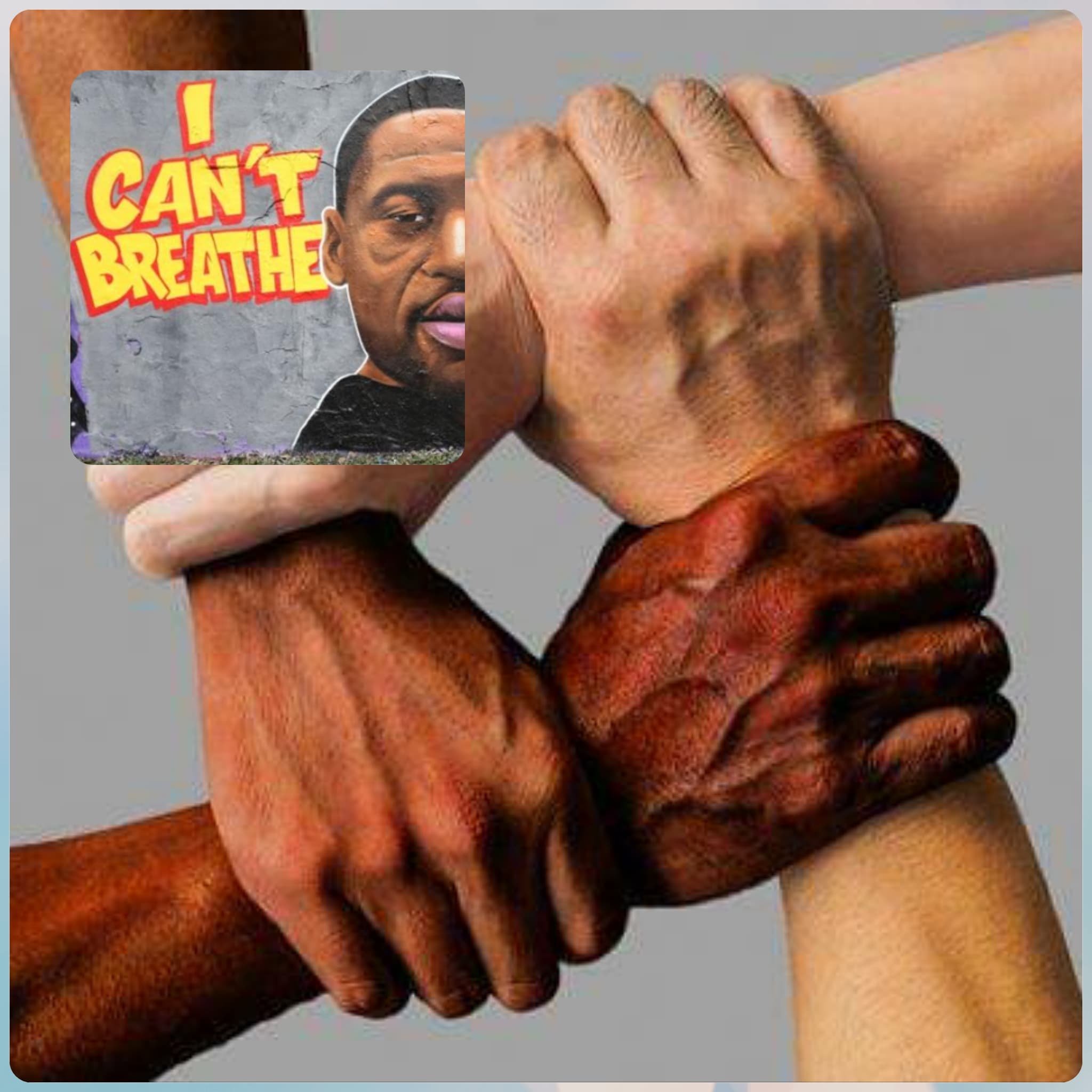
Paano kaya kung sa Facebook o sa YouTube eh makita ng anak ko ang pamamaril ng mga puting pulis sa mga hindi armado at walang kalabang-labang mga taong kulay itim ang balat? Paano na kung makita niya kung paano niluhuran ng puting pulis na si Derek Chauvin ang leeg ng walang kalaban-labang de-kolor na si George Floyd hanggang sa ito’y mamatay?
Pwede kayang sabihin ko na lang kapag nagtanong siya na ang mundo’y parang batyang gustong solohin ng mga puti. Ayaw nilang makasama ang mga de-kolor, lalo na ang mga itim ang balat at baka sila ay mamantyahan.
Tutularan ko na lang siguro ang aking ina. Tatango na lamang ako’t ngingiti at sasabihin kong, “Balang araw anak eh maiintindihan mo kung bakit.”
We were born white
or black
or yellow
or brown
or red.
Different skin
Different hair
Different height
Different sizes
…but the same species –
HUMAN.
We all shall live.
… to grow
… to dream
… to triumph
… to fail
… to laugh
… to cry
… to love
But we all shall die…
The amount of melanin
That creates the illusion
Of whiteness, blackness, yellowness, brownness, or redness
Will not prevent us from dying.
We all shall die!
From ashes we came
to ashes we return.
And ashes are neither red
… nor brown
… nor yellow
… nor black.
Definitely, it’s not white.
It’s gray.




 “Ihiwalay mo ang mga puti sa de-kolor.”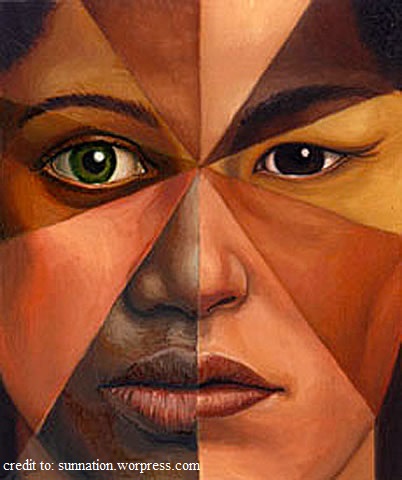



 M.A.D. L I G A Y A