Blog Archives
Ragnarok: When Gods Become Human
A REVIEW
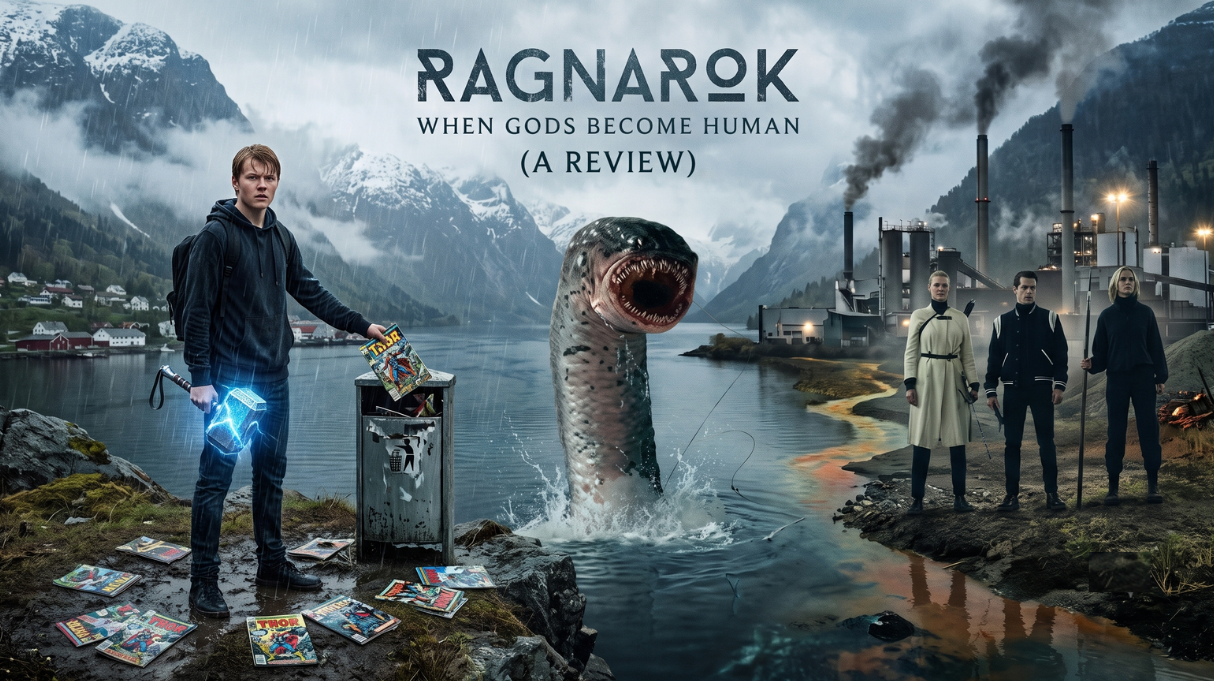
Three days ago, I was looking for a movie to watch on Netflix while eating my brunch. The first one I saw in the gallery was Ragnarok.
I clicked “Watch,” turned my back on the TV, and started eating.
By the time I realized that it wasn’t actually a movie but a series, it was too late. I was already so hungry that taking my first bite seemed more important than looking for something else to watch.
As much as possible, I avoid watching series. I know myself too well. Once I start with the first episode and like what I am seeing, my strange disease of not wanting to stop until I get to the end kicks in. Before I know it, my behind is glued to the couch and whatever plans I had for the day begin negotiating for survival.
And true enough, within the first fifteen minutes of Episode 1, the storyline beginning to emerge had already tickled my curiosity.
It reminded me of an essay I had written years ago about “reconfiguring mythology.” The series I had accidentally started watching seemed to be doing exactly that—retelling Norse mythology in a way I had never seen before.
I was in trouble.
I did not plan to binge-watch the three-season Netflix series Ragnarok, which ended in 2023.
In fact, I did not even plan to give it my full attention.
Over the next three days, I placed my phone at the bottom of my computer monitor and watched the series while doing what I call “light work.” I watched while eating, while taking breaks from work, and even while exercising. It was supposed to be something playing in the background while I went about my usual routine.
Then the damned story ambushed my attention.
Somewhere along the way, Ragnarok moved from the bottom of my computer monitor to the front of my mind.
And I do not regret a minute of it.
For three days, the series recharged my creative batteries in two of the areas in which I have always been deeply invested: literature and literary criticism. I found myself thinking about mythology, power, love, family, identity, environmental destruction, social inequality, war, and the eternal human tendency to become the very thing we once despised.
Not bad for something I intended to watch while doing other things.

PART 1

PART 2

PART 3

Pain’s But a Myth
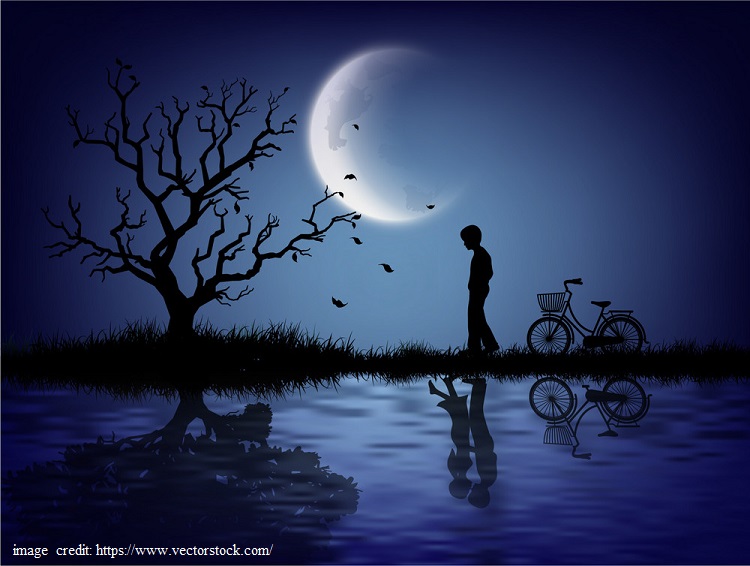 Tricked by Eros, I was brokenhearted.
In anguish and torment oh my soul screamed.
“Journey to my dreamland,” Hypnos muttered,
“Drown your misery in the lake of dreams.”
Dionysus countered, “Visit my vines
There feast upon my sweet magical grapes
Submerge your anguish in the lake of wine
Let the spirits engulf all of your cares.”
Aphrodite said, “I will bring Helen
She can kiss your anxieties away,
Play with her in Dionysus’ haven
While I’m holding Menelaus at bay.”
And when Thanatos arrived he whispered,
“Down there anxieties have no domain
Now, hold tight my hands, waiting is Hades
Let death vanquish all your distress and pain.”
Rhea came last, took my hand and she smiled.
Oh her turret crown beamed comfort and ease.
On her laps I just cuddled like a child.
Then she whispered, “My child… pain’s but a myth.”



 M.A.D. L I G A Y A