Blog Archives
“Only In The Philippines” Nga Lang Ba?

Ang “Only In The Philippines” ay isang expression na maaring mangahulugan ng dalawang bagay.
Ang una ay maganda. Ginagamit ito upang tukuyin ang mga bagay na tanging sa Pilipinas lamang matatagpuan o mga katangian o kaugalian na tanging ang Pilipino lamang ang may angkin. Maaring sabihin ang expression na iyan kapalit ng “uniquely Filipino.”
Ang pangalawa ay hindi kaiga-igaya. “Only In The Philippine” ang madalas natin sabihin kapag may isang bagay na negatibo tayong nakikita sa paligid o may nangyayari sa ating isang hindi magandang karanasan. Kapag buhol-buhol ang traffic… kapag may insidente ng “road rage”… kapag nasisingitan tayo sa pila… kapag may mga taong gobyerno na humihingi ng lagay… kapag may pulitikong nangunglimbat… kapag may insidente ng pagnanakaw at patayan… at kung ano-ano pa. Sasabihin nating kagyat – “Only in the Philippines.”
Bakit? Bakit lagi nating ibubulas ang “Only in the Philippines” kung may mga ganyang pangyayari? Totoo ba na sa Pilipinas lang nangyayari ang mga ganyang bagay? Bakit parang bale-wala lang na ikinakabit natin ang pangalang ng ating bansa sa mga negatibong bagay. Bakit tayo mismong mga isinilang sa bayang ito ang nagbibigay dungis sa pangalan ng bansa natin… ang nagpapaba sa uri ng ating pagka-Pilipino?
Ang “overloading” ng mga pampasaherong sasakyan (katulad ng makikita sa larawan), sa Pilipinas lang ba nangyayari. Mali ka kung “yes” ang sagot mo.
Totoong matindi ang traffic sa Metro Manila. Pero para sabihing “Only in the Philippines” ay masyadong “exaggerated.” Kahit saang parte ng mundo… sa mga siyudad na malalaki… ay may traffic. Ang “road rage” ay isang “worldwide phenomenon.” May mga driver na masyadong mainitin ang ulo kahit saang parte ng mundo. Ang singitan sa pila ay hindi rin “endemic” sa Pilipinas. Sa ibang bansa man ay may mga makakapal din ang mukha na kahit may pila ay pilit silang sisingit. Kaya’t pakiusap… tigilan na natin ang pagsasabi ng “Only in the Philippines.”
Tandaan nating ang lagayan at kotongan ay hindi lamang sa Pilipinas nangyayari. Hindi lamang sa Pilipinas na may mga pulitikong pulpol at ganid na nagnanakaw sa kaban ng bayan. Katulad lang din dito sa atin na ang iba’y nahuhuli, at ang iba naman nakakalusot. Maging sa ibang bansa man ay may mga buwaya sa gobyerno… may mga pulis rin na halang ang kaluluwa – mga bantay-salakay.
Ang bilihan ng boto ay uso din sa ibang bansa. It’s not only in the Philippines! At hindi lang mga Pinoy ang hindi marunong bumoto ng tamang kandidato. Aakalain mo bang si Donald Trump ay nanalo bilang presidente ng America. At heto pa… may pag-asang muli siyang manirahan sa White House. Pero hindi nila sinasabi ang “Only in America.”
Isang malaking kabobohan kung iisipin nating walang nakawan at patayan sa ibang bansa. “It’s not only in the Philippines” na may mga ganyang nangyayari. Hindi lamang sa ilang parte ng Mindanao na may mga “terrorists” at “extremists.” Kung tutuusin ay ang mga bansa na ang “extremism” at “terrorism” ay higit pa sa doble na mas malala kung ikukumpara sa atin.
Ang kahirapan ay isang bagay na hindi lamang sa Pilipinas nakikita. Sa totoo lang ay mga bansang mas labis ang paghihikahos na nararanasan ng kanilang mga mamayan. Hindi lang sa Pilipinas na may mga taong kumakain ng “pagpag.” Kahit sa mga mayayamang bansa ay may mga “scavengers” na para mabuhay ay namumulot ng kung ano ang puwede nilang mapapakinabangan sa mga basurahan… kasama na ang pagkain. Kung tutuusin nga maswerte pa ang may napupulot o nahihinging “leftover foods.” Sa ibang bansa ay mga taong sa sobrang kahirapan ay wala talagang makain.
Minsan may kaybigan akong sinabi ang “Only in the Philippines” ng madaan kami sa isang “squatters’ area.” Sa totoo lang ay mas maswerte pa nga ang mga “slumdwellers” dito sa Pilipinas dahil may mga bahay silang tinitirahan. May mga bansa, kahit pa gaano kayaman, na may mga taong natutulog sa sidewalk o ilalim ng mga tulay gamit ay karton lang bilang banig.
Naala-ala ko tuloy ang enkwentro namin ng isang kasamahan kong guro na Canadian na nagtuturo rin sa South Korea. Hindi ko pinalampas ang ginawa niyang pambabatikos sa mga Pinoy na nakilala niya sa Canada. Muntik nang nauwi sa pisikalan ang diskusyon naming iyon. Bitbit ko ang bandilang Pinoy at hindi ko hahayaang yurakan ng isang dayuhan ang pagkatao ng mga kababayan ko. Hindi perpekto ang lahi nating kayumanggi. Marami tayong mga kapintasan. Ang tanong – may lahi ba na makakapagsabi na sila ay perpekto’t walang kapintasan?
At minsan ay may nabasa akong isang blog tungkol sa “crab mentality among Filipinos” na sinulat ng isang Italyano. Nagkomento ako sa blog na iyon at nilinaw ko na ang “crab mentality” ay laganap hindi lamang sa Pilipinas kundi maging sa kanyang bansa at sa ibang bahagi pa ng mundo. May mga taong “utak talangka” kahit saan mang bahagi ng mundo.
Kaya mali na sabihin ang expression na “Only in the Philippines” kapag may mga negatibong bagay tayong nakikita o may hindi kanais-nais na experience tayong nararanasan. Ang mga negatibong bagay at karanasan ay makikita mo’t mararanasan kahit saang bahagi ng mundo. Baka nga mas malala pa ang mga ito sa ibang bansa kung ikukumpara sa Pilipinas.
At kapag nale-late ang isang kausap natin o may programang hindi nasisimulan sa oras bakit natin ginagamit ang expression na “Filipino Time.” Ang punctuality ay isang personal virtue at mali na sabihing lahat ng Pilipino ay wala nito. Ang pag-gamit ng expression na “Filipino Time” ay pagsasabi na lahat ng Pilipino ay laging late sa usapan at hindi sinisimulan ang dapat gawin sa takdang oras ay maituturing ng “hasty generalization.” Iyan ay isang “fallacy.” FYI, hindi lamang mga Pinoy ang nale-late sa mga appointment paminsan-minsan. It’s not only in the Philippines na may mga nale-late sa usapan. It’s not only in the Philppines na paminsan-minsan ay hindi nasisimulang ang mga programa sa takdang oras.
Sana lang eh matutuhan nating gamitin nang tama ang expression na “Only In The Philippines.” Gamitin sana natin ito upang ipagmalaki ang ating pagka-Pilipino at hindi upang ito’y yurakan. Hindi ko sinasabi na perpekto tayo bilang isang lahi. Pero teka, meron bang lahi ang makakapagsabing sila’y walang bahid-dungis? Bawat lahi, saan mang panig ng mundo, eh mayroong taglay na magaganda at pangit na mga katangian.
What Do Filipinos Need to Realize (1)
(1st of 4 parts)
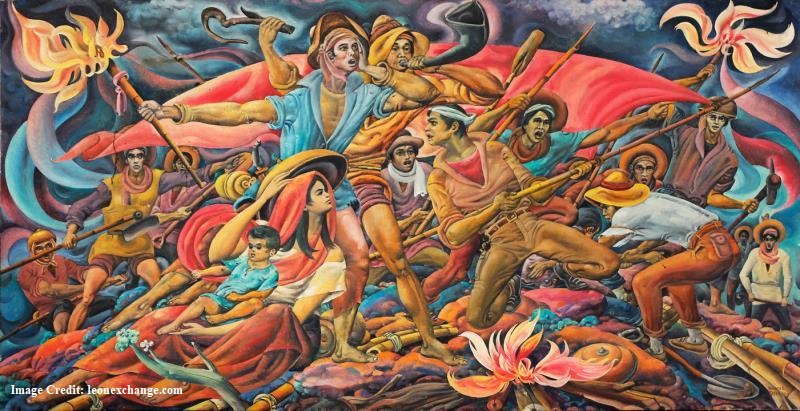
If we, Filipinos, think that our leaders by themselves could deliver us to the proverbial “promised land”, then we are gravely mistaken. If we think that among them is a messiah who could bring about the socio-political and economic reforms needed to make our country progressive and peaceful, then we are hallucinating.
It is not because nobody among them is qualified and capable to lead the Philippine to greatness. It’s just that nation-building doesn’t work the way we think it does – that it can be done single-handedly by whoever we elect as President.
That actually is one (probably the worst) of our major problems as people – the mindset that the leaders we elect have magic wands they can wave to solve all of society’s ills and all of our nation’s problems. This is the prevailing belief among Filipinos. We pin our hopes for a brighter future on our leaders. We expect them – the governors of our provinces, the mayors of our towns and cities, and the captains of our barangays to solve all of our problems. We expect them to weave their magic and cast their spell then when the smoke dissipates we suddenly live a better life. We, think of our congressmen and senators as witches and wizards who through their out-of-this-world powers could make our country a better place to live in. We think that our President is Ironman and the members of the cabinet as the rest of the Avengers who could slay all of our nation’s Thanoses. Well – they are not.
It’s time to wake-up. We need to realize that those elected (and appointed) politicians and leaders manning the executive, legislative, and judicial branches of our government are not superheroes. They don’t have superpowers. They cannot solve all of the nation’s problems by themselves. They need our support as citizens. Each citizen – rich or poor, professional or not – has a role to play. Each of us should contribute to nation-building.
What can ordinary citizens do to help make the Philippines a better nation?
Let us begin by not selling our votes during elections.
We expect too much from our government yet we are not voting for the best and most qualified among those seeking public office during elections. Instead, most of us write in the ballot the names of the candidates who are willing to buy our votes.
Vote-buying is an open secret in our country. It is freaking rampant. It has seemingly become the norm. It’s making the electoral process lost its essence. Leaders are elected not on the strength of their qualifications, abilities, and platform of government but on the power of the money they are capable of paying each voter who would promise to cast their votes for them.
On the eve of an election day, bidding wars begin. Once candidates get the information that their political rivals offer a certain amount for each voter, they will likely double that. Starting price is usually P500. Then candidates will try to maneuver until the price becomes P1000 per vote. The desperate among the politicians would sometimes coughed up P2000 (or even more) for each voter.
Would elected officials admit that they are guilty of vote-buying?Of course not. So, we could only wonder how many percent of our elected officials literally bought the positions they are currently occupying.
Stopping this culture of vote-buying and selling is difficult but it has to be done. One thing that we need to realize is that the leaders we put into office should have the moral ascendancy to lead. It is difficult, if not impossible, to look up to leaders whom we know cheated their way to their offices. They are not credible as leaders. We could not apply the principle of “public office is a public trust” when we know that the persons occupying public offices “bought” their mandate. These scheming politicians feel that the office they are occupying is their “private property” because they paid for it. They can do therefore as they please and their constituents cannot and (shouldn’t) complain because they have been paid.
Those who thought that they duped the politicians by taking the money they offered to them are wrong. They were so happy with that P500 (or P1000… make it P2000) which they received. Such amount is nothing as compared to the millions of pesos they will get when the politicians dip their dirty hands into the coffers of government. The money those politicians use to buy votes are considered an investment. Once they get elected, they would make sure that they will get the return of their investment… with the corresponding interest.
Then we complain about how our government is performing. What kind of performance would we expect from politicians to whom we awarded the mandate to lead not because they are qualified and capable but because they have the money to buy votes?
As Thomas Jefferson puts it, “The government you elect is the government you deserve.”
This is what every Filipino need to realize. Suffrage is not just a right but a moral obligation as well. It’s not for sale. Don’t reason out that you’re selling your votes because someone’s buying. “It takes two to tango.” Both vote-buyers and vote-sellers are guilty of this wrongdoing.
Don’t expect the politicians to stop buying votes. They would never do that. Politicians will do everything to ensure they would get elected and have the power they crave so much to have. It is not public service they are thinking of when they ran for elective positions. Power, as they say, is addicting. They want it so badly and on top of that, they salivate so much for the accruing benefits and the opportunities that they would get once they are in position. And only those who were born yesterday don’t know what benefits and opportunities are those.



 M.A.D. L I G A Y A