Category Archives: Filipino Values and Traits
“Only In The Philippines” Nga Lang Ba?

Ang “Only In The Philippines” ay isang expression na maaring mangahulugan ng dalawang bagay.
Ang una ay maganda. Ginagamit ito upang tukuyin ang mga bagay na tanging sa Pilipinas lamang matatagpuan o mga katangian o kaugalian na tanging ang Pilipino lamang ang may angkin. Maaring sabihin ang expression na iyan kapalit ng “uniquely Filipino.”
Ang pangalawa ay hindi kaiga-igaya. “Only In The Philippine” ang madalas natin sabihin kapag may isang bagay na negatibo tayong nakikita sa paligid o may nangyayari sa ating isang hindi magandang karanasan. Kapag buhol-buhol ang traffic… kapag may insidente ng “road rage”… kapag nasisingitan tayo sa pila… kapag may mga taong gobyerno na humihingi ng lagay… kapag may pulitikong nangunglimbat… kapag may insidente ng pagnanakaw at patayan… at kung ano-ano pa. Sasabihin nating kagyat – “Only in the Philippines.”
Bakit? Bakit lagi nating ibubulas ang “Only in the Philippines” kung may mga ganyang pangyayari? Totoo ba na sa Pilipinas lang nangyayari ang mga ganyang bagay? Bakit parang bale-wala lang na ikinakabit natin ang pangalang ng ating bansa sa mga negatibong bagay. Bakit tayo mismong mga isinilang sa bayang ito ang nagbibigay dungis sa pangalan ng bansa natin… ang nagpapaba sa uri ng ating pagka-Pilipino?
Ang “overloading” ng mga pampasaherong sasakyan (katulad ng makikita sa larawan), sa Pilipinas lang ba nangyayari. Mali ka kung “yes” ang sagot mo.
Totoong matindi ang traffic sa Metro Manila. Pero para sabihing “Only in the Philippines” ay masyadong “exaggerated.” Kahit saang parte ng mundo… sa mga siyudad na malalaki… ay may traffic. Ang “road rage” ay isang “worldwide phenomenon.” May mga driver na masyadong mainitin ang ulo kahit saang parte ng mundo. Ang singitan sa pila ay hindi rin “endemic” sa Pilipinas. Sa ibang bansa man ay may mga makakapal din ang mukha na kahit may pila ay pilit silang sisingit. Kaya’t pakiusap… tigilan na natin ang pagsasabi ng “Only in the Philippines.”
Tandaan nating ang lagayan at kotongan ay hindi lamang sa Pilipinas nangyayari. Hindi lamang sa Pilipinas na may mga pulitikong pulpol at ganid na nagnanakaw sa kaban ng bayan. Katulad lang din dito sa atin na ang iba’y nahuhuli, at ang iba naman nakakalusot. Maging sa ibang bansa man ay may mga buwaya sa gobyerno… may mga pulis rin na halang ang kaluluwa – mga bantay-salakay.
Ang bilihan ng boto ay uso din sa ibang bansa. It’s not only in the Philippines! At hindi lang mga Pinoy ang hindi marunong bumoto ng tamang kandidato. Aakalain mo bang si Donald Trump ay nanalo bilang presidente ng America. At heto pa… may pag-asang muli siyang manirahan sa White House. Pero hindi nila sinasabi ang “Only in America.”
Isang malaking kabobohan kung iisipin nating walang nakawan at patayan sa ibang bansa. “It’s not only in the Philippines” na may mga ganyang nangyayari. Hindi lamang sa ilang parte ng Mindanao na may mga “terrorists” at “extremists.” Kung tutuusin ay ang mga bansa na ang “extremism” at “terrorism” ay higit pa sa doble na mas malala kung ikukumpara sa atin.
Ang kahirapan ay isang bagay na hindi lamang sa Pilipinas nakikita. Sa totoo lang ay mga bansang mas labis ang paghihikahos na nararanasan ng kanilang mga mamayan. Hindi lang sa Pilipinas na may mga taong kumakain ng “pagpag.” Kahit sa mga mayayamang bansa ay may mga “scavengers” na para mabuhay ay namumulot ng kung ano ang puwede nilang mapapakinabangan sa mga basurahan… kasama na ang pagkain. Kung tutuusin nga maswerte pa ang may napupulot o nahihinging “leftover foods.” Sa ibang bansa ay mga taong sa sobrang kahirapan ay wala talagang makain.
Minsan may kaybigan akong sinabi ang “Only in the Philippines” ng madaan kami sa isang “squatters’ area.” Sa totoo lang ay mas maswerte pa nga ang mga “slumdwellers” dito sa Pilipinas dahil may mga bahay silang tinitirahan. May mga bansa, kahit pa gaano kayaman, na may mga taong natutulog sa sidewalk o ilalim ng mga tulay gamit ay karton lang bilang banig.
Naala-ala ko tuloy ang enkwentro namin ng isang kasamahan kong guro na Canadian na nagtuturo rin sa South Korea. Hindi ko pinalampas ang ginawa niyang pambabatikos sa mga Pinoy na nakilala niya sa Canada. Muntik nang nauwi sa pisikalan ang diskusyon naming iyon. Bitbit ko ang bandilang Pinoy at hindi ko hahayaang yurakan ng isang dayuhan ang pagkatao ng mga kababayan ko. Hindi perpekto ang lahi nating kayumanggi. Marami tayong mga kapintasan. Ang tanong – may lahi ba na makakapagsabi na sila ay perpekto’t walang kapintasan?
At minsan ay may nabasa akong isang blog tungkol sa “crab mentality among Filipinos” na sinulat ng isang Italyano. Nagkomento ako sa blog na iyon at nilinaw ko na ang “crab mentality” ay laganap hindi lamang sa Pilipinas kundi maging sa kanyang bansa at sa ibang bahagi pa ng mundo. May mga taong “utak talangka” kahit saan mang bahagi ng mundo.
Kaya mali na sabihin ang expression na “Only in the Philippines” kapag may mga negatibong bagay tayong nakikita o may hindi kanais-nais na experience tayong nararanasan. Ang mga negatibong bagay at karanasan ay makikita mo’t mararanasan kahit saang bahagi ng mundo. Baka nga mas malala pa ang mga ito sa ibang bansa kung ikukumpara sa Pilipinas.
At kapag nale-late ang isang kausap natin o may programang hindi nasisimulan sa oras bakit natin ginagamit ang expression na “Filipino Time.” Ang punctuality ay isang personal virtue at mali na sabihing lahat ng Pilipino ay wala nito. Ang pag-gamit ng expression na “Filipino Time” ay pagsasabi na lahat ng Pilipino ay laging late sa usapan at hindi sinisimulan ang dapat gawin sa takdang oras ay maituturing ng “hasty generalization.” Iyan ay isang “fallacy.” FYI, hindi lamang mga Pinoy ang nale-late sa mga appointment paminsan-minsan. It’s not only in the Philippines na may mga nale-late sa usapan. It’s not only in the Philppines na paminsan-minsan ay hindi nasisimulang ang mga programa sa takdang oras.
Sana lang eh matutuhan nating gamitin nang tama ang expression na “Only In The Philippines.” Gamitin sana natin ito upang ipagmalaki ang ating pagka-Pilipino at hindi upang ito’y yurakan. Hindi ko sinasabi na perpekto tayo bilang isang lahi. Pero teka, meron bang lahi ang makakapagsabing sila’y walang bahid-dungis? Bawat lahi, saan mang panig ng mundo, eh mayroong taglay na magaganda at pangit na mga katangian.
What We Filipinos Ought To Realize (2)
(2nd of 4 parts)

We also need to exercise our right to vote seriously. Refusing to sell our votes is only the first step. It’s about time that we should also set certain standards that candidates should measure up to before we write their names on the ballot – standards that are over and beyond the qualifications set by our Constitution for candidates seeking a particular public office.
It’s time for us to realize also that some personalities are venturing into politics not because they want to serve the people but because they think that they are so popular and such popularity could easily catapult them into a public office. Power, like fame, is also addicting. Some of these famous people running for elective positions want to have both.
An interesting question to answer is, “How many showbiz and sports personalities holding public office now were elected not because they are both qualified and capable to lead but because they are popular?”
There are other questions that we need to answer as honestly as we should – “What did those actors, actresses, singers, TV personalities, basketball players, boxers, and other celebrities who used their popularity to win contribute to the improvement of the quality of life in the localities where they were elected?” Those among them who were lucky to become President, Vice President, Senators or Congressmen (or were given cabinet posts), did they contribute anything to national development?” “What good if any did their ‘star power’ bring to politics and governance in the Philippines?”
If all those seasoned and veteran politicians who have master’s and doctorate degrees in law, economics, political science, public administration, and business administration and have been in public service all their life could hardly move the needle forward on socio-economic development, what do we expect from showbiz, media, and sports personalities who suddenly turned into politicians only because they are immensely popular and that they know that Filipino voters could easily be deceived. Do they honestly think that the skills and knowledge needed to run a public office can be acquired by taking crash courses in leadership and management?
Sadly speaking, this is how politicians and celebrities-turned-politicians think of Filipino voters – they can not only be bought and but they are also unintelligent. Most of those running for public office consider the Filipino voters cheap and ignorant – cheap because they are willing to sell their votes for a small amount of cash and ignorant because they don’t know how to choose the right candidate for a position.
Choosing the most qualified and capable among sets of candidates is not rocket science. We can evaluate their qualifications corresponding to the position they are seeking. We can check their track record. We can hear them talk during the campaign period both in person and through any form of media. We can determine who among them are eloquent and could articulate their platform of government and who are dumb and merely banking on their popularity so they could get the support of unsuspecting voters or they have truckloads of money to buy votes. If we find those celebrities truly qualified, capable, and sincere in their desire to serve this country and they are the best among the candidates vying for an elective position, then we should vote for them. But if upon examination of their credentials and background you’ll find nothing but their popularity, you’ve got to make the right decision – vote for the most qualified.
We have to separate the wheat from the chaff. We need to exercise due diligence in distinguishing the qualified and capable candidates from the pretenders. Electing leaders unto whom we give the mandate to lead – unto whom we pin our hopes for a better nation – is not a game. Elections are not popularity contests.
Governance is a serious business and should be done on a full-time basis. One cannot be a public servant on a part-time basis who would attend to her/his duties and obligations only when there are no shooting sessions for movies and TV shows or there are no practices or games to play as athletes in any sport.
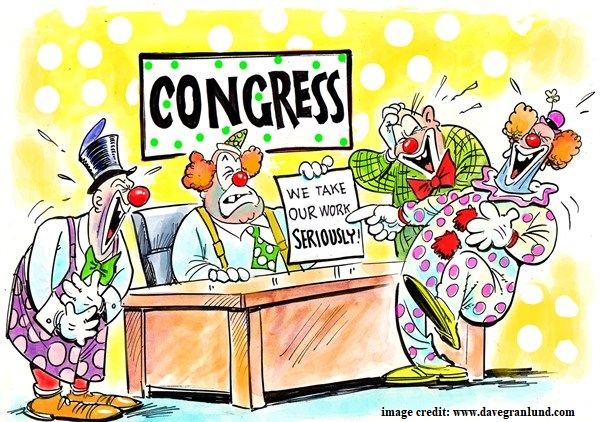
We should never entrust a public office to clowns.
What We Filipinos Ought To Realize (1)
(1st of 4 parts)

If we, Filipinos, think that our leaders by themselves could deliver us to the proverbial “promised land”, then we are gravely mistaken. If we think that among them is a messiah who could bring about the socio-political and economic reforms needed to make our country progressive and peaceful, then we are hallucinating.
It is not because nobody among them is qualified and capable to lead the Philippines to greatness. It’s just that nation-building doesn’t work the way we think it does – that it can be done single-handedly by whoever we elect as President.
That actually is one (probably the worst) of our major problems as people – the mindset that the leaders we elect have magic wands they can wave to solve all of society’s ills and all of our nation’s problems. This is the prevailing belief among Filipinos. We pin our hopes for a brighter future on our leaders. We expect them – the governors of our provinces, the mayors of our towns and cities, and the captains of our barangays to solve all of our problems. We expect them to weave their magic and cast their spell then when the smoke dissipates we suddenly live a better life. We, think of our congressmen and senators as witches and wizards who through their out-of-this-world powers could make our country a better place to live in. We think that our President is Ironman and the members of the cabinet as the rest of the Avengers who could slay all of our nation’s Thanoses. Well – they are not.
It’s time to wake up. We need to realize that those elected (and appointed) politicians and leaders manning the executive, legislative, and judicial branches of our government are not superheroes. They don’t have superpowers. They cannot solve all of the nation’s problems by themselves. They need our support as citizens. Each citizen – rich or poor, professional or not – has a role to play. Each of us should contribute to nation-building.
What can ordinary citizens do to help make the Philippines a better nation?
Let us begin by not selling our votes during elections.
We expect too much from our government yet we are not voting for the best and most qualified among those seeking public office during elections. Instead, most of us write in the ballot the names of the candidates who are willing to buy our votes.
Vote-buying is an open secret in our country. It is freaking rampant. It has seemingly become the norm. It’s making the electoral process lost its essence. Leaders are elected not on the strength of their qualifications, abilities, and platform of government but on the power of the money they are capable of paying each voter who would promise to cast their votes for them.
On the eve of an election day, bidding wars begin. Once candidates get the information that their political rivals offer a certain amount for each voter, they will likely double that. Starting price is usually P500. Then candidates will try to maneuver until the price becomes P1000 per vote. The desperate among the politicians would sometimes cough up P2000 (or even more) for each voter.
Would elected officials admit that they are guilty of vote-buying?Of course not. So, we could only wonder how many percent of our elected officials literally bought the positions they are currently occupying.
Stopping this culture of vote-buying and selling is difficult but it has to be done. One thing that we need to realize is that the leaders we put into office should have the moral ascendancy to lead. It is difficult, if not impossible, to look up to leaders whom we know cheated their way to their offices. They are not credible as leaders. We could not apply the principle of “public office is a public trust” when we know that the persons occupying public offices “bought” their mandate. These scheming politicians feel that the office they are occupying is their “private property” because they paid for it. They can do therefore as they please and their constituents cannot and (shouldn’t) complain because they have been paid.
Those who thought that they duped the politicians by taking the money they offered to them are wrong. They were so happy with that P500 (or P1000… make it P2000) which they received. Such amount is nothing as compared to the millions of pesos they will get when the politicians dip their dirty hands into the coffers of government. The money those politicians use to buy votes are considered an investment. Once they get elected, they would make sure that they will get the return of their investment… with the corresponding interest.
Then we complain about how our government is performing. What kind of performance would we expect from politicians to whom we awarded the mandate to lead not because they are qualified and capable but because they have the money to buy votes?
As Thomas Jefferson puts it, “The government you elect is the government you deserve.”
This is what every Filipino needs to realize. Suffrage is not just a right but a moral obligation as well. It’s not for sale. Don’t reason out that you’re selling your votes because someone’s buying. “It takes two to tango.” Both vote-buyers and vote-sellers are guilty of this wrongdoing.
Don’t expect the politicians to stop buying votes. They would never do that. Politicians will do everything to ensure they would get elected and have the power they crave so much to have. It is not public service they are thinking of when they ran for elective positions. Power, as they say, is addicting. They want it so badly and on top of that, they salivate so much for the accruing benefits and the opportunities that they would get once they are in position. And only those who were born yesterday don’t know what benefits and opportunities are those.
What Do Filipinos Need to Realize (2)
(Second in a Series)
We also need to exercise our right to vote seriously. Refusing to sell our votes is only the first step. It’s about time that we should also set certain standards that candidates should measure up to before we write their names in the ballot – standards that are over and beyond the qualifications set by our Constitution for candidates seeking a particular public office.
It’s time for us to realize also that some personalities are venturing into politics not because they want to serve the people but because they think that they are so popular and such popularity could easily catapult them into a public office. Fame, like power, is also addicting.
An interesting question to answer is, “How many showbiz and sports personalities holding public office now were elected not because they are both qualified and capable to lead but because they are popular?”
There are other questions that we need to answer as honestly as we should – “What did those actors, actresses, singers, TV personalities, basketball players, boxers, and other celebrities who used their popularity to win contribute to the improvement of the quality of life in the localities where they were elected?” Those among them who were lucky to become President, Vice President, Senators or Congressmen (or were given cabinet posts), did they contribute anything to national development?” “What good if any did their ‘star power’ bring to politics and governance in the Philippines?”
If all those seasoned and veteran politicians who have master’s and doctorate degrees in law, economics, political science, public administration, and business administration and have been in public service all their life could hardly move the needle forward on socio-economic development, what do we expect from showbiz, media, and sports personalities who suddenly turned into politicians only because they are immensely popular and that they know that Filipino voters could easily be deceived. Do they honestly think that the skills and knowledge needed to run a public office can be acquired by taking crash courses in leadership and management?
Sadly speaking, this is how politicians and celebrities-turned-politicians think of Filipino voters – they can not only be bought and but they are also unintelligent. Most of those running for public office consider the Filipino voters cheap and ignorant – cheap because they are willing to sell their votes for a small amount of cash and ignorant because they don’t know how to choose the right candidate for a position.
Choosing the most qualified and capable among sets of candidates is not a rocket science. We can evaluate their qualifications corresponding to the position they are seeking. We can check their track record. We can hear them talk during the campaign period both in person and through any form of media. We can determine who among them are eloquent and could articulate their platform of government and who are dumb and merely banking on their popularity so they could get the support of unsuspecting voters or they have truckloads of money to buy votes. If we find those celebrities truly qualified, capable, and sincere in their desire to serve this country and they are the best among the candidates vying for an elective position, then we should vote for them.
We have to separate the wheat from the chaff. We need to exercise due diligence in distinguishing the qualified and capable candidates from a pretenders. Electing leaders unto whom we give the mandate to lead – unto whom we pin our hopes for a better nation – is not a game. Elections are not popularity contests.
Governance is a serious business and should be done on a full-time basis. One cannot be a public servant on a part-time basis who would attend to her/his duties and obligations only when there are no shooting sessions for movies and TV shows or there are no practices or games to play as athletes in any sport.
We should never entrust a public office to clowns.
What Do Filipinos Need to Realize (1)
(1st of 4 parts)
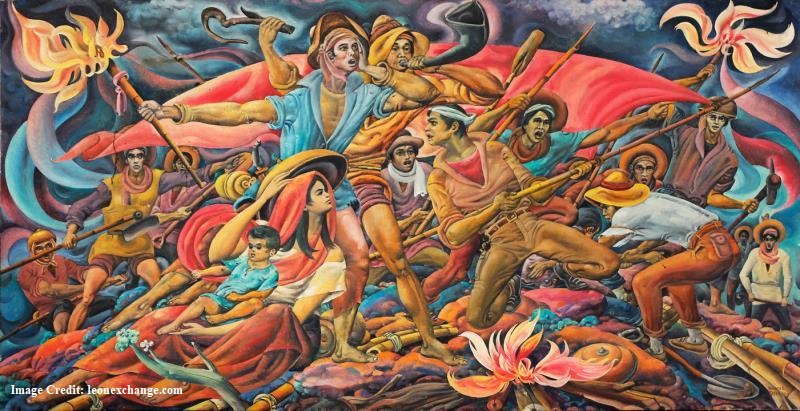
If we, Filipinos, think that our leaders by themselves could deliver us to the proverbial “promised land”, then we are gravely mistaken. If we think that among them is a messiah who could bring about the socio-political and economic reforms needed to make our country progressive and peaceful, then we are hallucinating.
It is not because nobody among them is qualified and capable to lead the Philippine to greatness. It’s just that nation-building doesn’t work the way we think it does – that it can be done single-handedly by whoever we elect as President.
That actually is one (probably the worst) of our major problems as people – the mindset that the leaders we elect have magic wands they can wave to solve all of society’s ills and all of our nation’s problems. This is the prevailing belief among Filipinos. We pin our hopes for a brighter future on our leaders. We expect them – the governors of our provinces, the mayors of our towns and cities, and the captains of our barangays to solve all of our problems. We expect them to weave their magic and cast their spell then when the smoke dissipates we suddenly live a better life. We, think of our congressmen and senators as witches and wizards who through their out-of-this-world powers could make our country a better place to live in. We think that our President is Ironman and the members of the cabinet as the rest of the Avengers who could slay all of our nation’s Thanoses. Well – they are not.
It’s time to wake-up. We need to realize that those elected (and appointed) politicians and leaders manning the executive, legislative, and judicial branches of our government are not superheroes. They don’t have superpowers. They cannot solve all of the nation’s problems by themselves. They need our support as citizens. Each citizen – rich or poor, professional or not – has a role to play. Each of us should contribute to nation-building.
What can ordinary citizens do to help make the Philippines a better nation?
Let us begin by not selling our votes during elections.
We expect too much from our government yet we are not voting for the best and most qualified among those seeking public office during elections. Instead, most of us write in the ballot the names of the candidates who are willing to buy our votes.
Vote-buying is an open secret in our country. It is freaking rampant. It has seemingly become the norm. It’s making the electoral process lost its essence. Leaders are elected not on the strength of their qualifications, abilities, and platform of government but on the power of the money they are capable of paying each voter who would promise to cast their votes for them.
On the eve of an election day, bidding wars begin. Once candidates get the information that their political rivals offer a certain amount for each voter, they will likely double that. Starting price is usually P500. Then candidates will try to maneuver until the price becomes P1000 per vote. The desperate among the politicians would sometimes coughed up P2000 (or even more) for each voter.
Would elected officials admit that they are guilty of vote-buying?Of course not. So, we could only wonder how many percent of our elected officials literally bought the positions they are currently occupying.
Stopping this culture of vote-buying and selling is difficult but it has to be done. One thing that we need to realize is that the leaders we put into office should have the moral ascendancy to lead. It is difficult, if not impossible, to look up to leaders whom we know cheated their way to their offices. They are not credible as leaders. We could not apply the principle of “public office is a public trust” when we know that the persons occupying public offices “bought” their mandate. These scheming politicians feel that the office they are occupying is their “private property” because they paid for it. They can do therefore as they please and their constituents cannot and (shouldn’t) complain because they have been paid.
Those who thought that they duped the politicians by taking the money they offered to them are wrong. They were so happy with that P500 (or P1000… make it P2000) which they received. Such amount is nothing as compared to the millions of pesos they will get when the politicians dip their dirty hands into the coffers of government. The money those politicians use to buy votes are considered an investment. Once they get elected, they would make sure that they will get the return of their investment… with the corresponding interest.
Then we complain about how our government is performing. What kind of performance would we expect from politicians to whom we awarded the mandate to lead not because they are qualified and capable but because they have the money to buy votes?
As Thomas Jefferson puts it, “The government you elect is the government you deserve.”
This is what every Filipino need to realize. Suffrage is not just a right but a moral obligation as well. It’s not for sale. Don’t reason out that you’re selling your votes because someone’s buying. “It takes two to tango.” Both vote-buyers and vote-sellers are guilty of this wrongdoing.
Don’t expect the politicians to stop buying votes. They would never do that. Politicians will do everything to ensure they would get elected and have the power they crave so much to have. It is not public service they are thinking of when they ran for elective positions. Power, as they say, is addicting. They want it so badly and on top of that, they salivate so much for the accruing benefits and the opportunities that they would get once they are in position. And only those who were born yesterday don’t know what benefits and opportunities are those.
How Colonialism Shaped the Filipino Character (Last of 4 parts)

The last quarter of the 19th century was perhaps the most significant stage in the development of the Philippines as a nation — the moment nationalism began to flourish. It took centuries for the natives to finally unite against their colonizers. Like the sun rising in the east, spreading its golden light to signal a new day, this emerging solidarity became a portent of greater things to come — things that, in the end, never came.
The essential ingredient for national development was finally taking shape among Filipinos. The seeds of nationalism began to sprout, nourished by the influx of liberal ideas from Europe, the rise of the middle class, and the martyrdom of Fathers Gomez, Burgos, and Zamora (GomBurZa) — events widely credited with fanning the flames of national unity.
It was a long and difficult road to national solidarity, made harder by a combination of factors: a geographically fragmented island nation, a people divided by dialect, and the Spaniards’ relentless use of “divide and conquer” tactics.
The Spaniards employed that tactic so effectively that they reigned for more than three hundred years. But once Filipinos began to forge a cohesive spirit that bridged their geographic divides, once they tore down the language barriers with a unified cry for freedom, the days of Spanish rule became numbered. The colonizers suffered humiliating defeats at the hands of the very people they had held by the neck for so long, and were forced to retreat behind the walls of Intramuros.
But the next chapter of the Philippine story did not unfold according to the script the Filipinos had written. It unfolded the way Hollywood might have written it instead. And just as the Filipinos were ready to drive the final nail into the coffin of Spanish tyranny, the Americans called, “Cut.”
There is little doubt the revolution begun in 1896 would have finally ended Spanish rule — the Filipinos were ready to storm Intramuros, the last Spanish stronghold, needing only to march together as one. But the Americans, whom they wrongly mistook for allies in their fight for freedom, stopped them just short of the finish line.
To cut the story short: the Americans occupied the Philippines once the Spaniards withdrew, and the Filipinos were forced to fight a war against a military far more powerful and far better armed than their former colonizers had ever been.
The natives lost, and the seeds of nationalism sown by earlier generations of Filipinos were never allowed to bloom. They were forcibly uprooted and trampled by an occupying power determined not to let them take root again.
Filipino nationalism was nipped in the bud. Historians call this period the “Era of Suppressed Nationalism.” While the natives were still nursing the wounds inflicted by their former Spanish masters, the Americans began inflicting new ones.
As is well known, the justification the new colonizers offered was that the Filipinos were not yet ready for self-governance, and that leaving them to their own devices would have led to chaos.
They may have been right. Or they may have been wrong. No one will ever know for certain. But what any critical-thinking Filipino today understands is that the Americans had no right to deny the Filipinos the opportunity to determine their own fate. The natives should have been allowed to face the consequences of standing on their own feet — to raise their arms in victory against Spain, however that victory might have unfolded. It would have meant so much for the colonizer to surrender to the colonized. That would have been a profound moral victory for a people who had been enslaved and deprived of their basic rights and freedoms for so long — a genuine boost to Filipino morale. Instead, American intervention wounded Filipino pride and stunted the growth of a stronger national character.
The Americans might have looked to their own history to understand how the Filipinos felt. The American colonists themselves fought for independence from Britain in the 1700s because they believed in the inalienable rights of the individual, and that taxation by Parliament without representation violated those rights [12]. They believed that a government’s power must rest on the consent of the governed. The Filipinos, too, wanted no part of another foreign power ruling over them — they had already had enough of the Spaniards. And the Americans never had the Filipinos’ consent to remain and govern.
But there was nothing the Filipinos could do; no country stood ready to come to their aid. The Americans had France’s support in their fight for independence from Britain, and perhaps the Filipinos hoped America might do the same for them. It was wishful thinking.
The Filipinos stood alone, in a world that, at the time, functioned like a jungle — where colonial powers were the predators and weaker nations the helpless prey.
The Filipinos could not even invoke any law to challenge the legality of the American occupation. Imperialism operates by its own laws, backed by brute force; armed power allows imperial law to override international law, since the legality of imperial activity rests largely on the imperial state’s judicial system and legal experts [13]. Yet wasn’t America supposed to champion liberalism — the belief that natural rights exist independent of any culture, custom, or government, and are therefore universal and inalienable [14]?
Two faces of the same Filipino emerged from those centuries of subjugation, and both carry the fingerprints of the colonizer.
On one face: a people famous for their warmth, resilience, and instinct to hold family and neighbor close through every storm. The hospitality that welcomed strangers ashore, the bayanihan spirit that still carries a neighbor’s house on bamboo poles, the family ties that never loosened even when everything else was taken — none of this vanished under three centuries of foreign rule. If anything, colonization tempered these traits the way fire tempers steel. A people stripped of land, labor, and self-governance had little left to hold onto but each other, and so they held on tighter.
On the other face: a people who, more often than history should allow, still doubt themselves before a foreigner even speaks — who shrug at misfortune and call it destiny, who eye a neighbor from the next province with more suspicion than they ever directed at the men who colonized them both. Fatalism, regionalism, colonial mentality — these were not accidents. They were cultivated by rulers who profited from a people too divided to unite, too resigned to resist, too eager to please to ever ask why. That same regionalism, inherited rather than chosen, still makes it difficult to think and act as one nation; it resurfaces today less as province against province than as camp against camp, with loyalty to a politician often commanding more devotion than loyalty to a shared and rightful cause.
Here, then, is the uncomfortable truth this series has been circling: colonialism did not simply wound the Filipino, nor did it simply fail to break him. It did both, to the very same people, across the very same three hundred years — and the strength and the wound came from the identical source. That is the paradox at the center of Filipino character: a resilience the world admires, built atop a self-doubt the Filipino rarely admits to himself.
The history itself, painful as it is, is water under the bridge now — the Spaniards and the Americans are both long gone. What remains, and what every Filipino still carries, is the paradox laid bare above. Revisiting the hallowed pages of that history is not about relitigating old wrongs; it is about understanding what they made of us, and why we still think and act the way we do.
Filipinos need to do some rewiring. They must remove the faulty code their colonizers left behind in their system — the lines that cause them to malfunction — replace it with something better, and reboot.
___________________________
How Colonialism Shaped the Filipino Character (3rd of 4 parts)

Filipinos are not perfect — far from it. But is there any race or group of people anywhere in the world who could claim to be? No race is without blemish. All people, from every nation, carry negative tendencies alongside their virtues — some, perhaps, worse than those of Filipinos. There is no shame in admitting that one’s race is imperfect, and no reason to deny or hide the shortcomings of a nation and its people.
When something goes wrong, it isn’t accurate to say “only in the Philippines,” because far worse happens elsewhere in the world.
Filipinos, almost by habit, tend to stress their own shortcomings and find fault in their behavior. Some even compare themselves unfavorably to Westerners, judging themselves by Western standards [7]. Perhaps, somewhere in their subconscious, they have not fully shaken off the legacy of having once been dominated by fair-skinned colonizers.
These Southeast Asian people are well aware of the negative traits they carry. They do not sweep their imperfections under the rug. Some of these traits are minor, even petty, but others are serious enough to be considered harmful to national development — and may help explain why the country continues to lag in socio-economic performance.
What people unfamiliar with Filipino history often fail to understand is that many, if not most, of these negative traits developed as a direct result of the painful experiences endured during the colonial period.
Self-deprecation, fatalism, regionalism, colonial mentality — on the surface, these look like four unrelated tendencies. They are not. Each is a different face of the same wound: centuries of being told, in ways both subtle and violent, that another people’s judgment mattered more than one’s own. Trace any of them far enough back, and they lead to the same place.
A fair skeptic might object here: are these truly colonial wounds, or simply the ordinary texture of agrarian, deeply religious societies anywhere in Southeast Asia — traits one might find in Thailand or Vietnam, nations Spain and America never touched? The objection deserves an answer, not a dismissal. Some of what looks colonial may well be regional or agrarian in origin rather than colonial at all. But regionalism of this particular kind — this specific, engineered mistrust between Filipinos of different provinces — has a documented cause with a name and a date, not a vague cultural explanation. Colonial mentality, too, cannot exist without a colonizer to measure oneself against by definition. Where a trait has a specific colonial mechanism behind it, as with these two, the case is strong. Where it does not, honesty requires admitting that colonization may be only one thread among several, not the whole of the explanation.
Filipinos are fatalistic. They believe that whatever happens, happens because of fate — that events unfold inevitably, set in motion from the beginning of time, following a course from which there is no deviation.
Having been Christianized by the Spaniards, Filipinos developed a strong faith in God — a positive trait in itself. But they also absorbed, almost uncritically, the doctrine of predestination: the belief that God exercises total control over the world and has freely and unchangeably ordained everything that comes to pass [8]. For many Filipinos, whatever happens is simply God’s will. If a person is destined to succeed, they believe, the stars will align and he will become exactly what the Supreme Being intended.
This belief sometimes leads Filipinos to work only half-heartedly, reasoning that no amount of effort will matter unless success is already written in the stars — what they call “guhit ng palad,” or destiny. When something good happens, they credit luck (“swerte”); when misfortune strikes, they blame bad luck (“malas”), shrug, and accept it as fate. It is God’s will, they say, that allows both good and bad to happen.
Their experiences under colonization deepened this fatalism. During the Spanish and American periods, Filipinos learned that no matter how hard they worked, they could go only as far as their colonizers allowed, and could keep only what their conquerors permitted — and more often than not, the fruits of their labor were simply taken from them. Out of this grew the attitude of “bahala na” — come what may. They learned to plunge into uncertain endeavors, fingers crossed, trusting that “God will see them through” (“May awa ang Diyos”).
And why is regionalism so strong among Filipinos? Why this fierce loyalty to one’s home region? Why, even abroad, do they gravitate toward others who speak their language and eat their food? Why the lingering distrust between people from different parts of the country?
Two commonly cited reasons are the Philippines’ fragmented geography — a nation of scattered islands — and its many distinct languages. Both may be true, but there is a more compelling explanation for why regionalism became embedded in the Filipino character.
Both the Spaniards and the Americans needed policies that would guarantee the longevity of their rule. The colonizers had to find ways to contain the colonized, keep them at bay, and prevent them from uniting to drive out their rulers.
Because the Philippines is a fragmented archipelago of thousands of islands, the Spaniards used this geography to their advantage, tightening their grip on the natives. It made their “divide and rule” tactics far easier to execute. They restricted movement between provinces and regions specifically to prevent unity from taking root.
This control was not exercised through a single travel-ban law, but through an interlocking system anchored in the cédula personal [9] — a residence tax certificate that every native had to carry and that functioned as a de facto internal passport; without it, a person could be flagged as indocumentado and penalized. This was reinforced by the earlier reducción policy, which resettled scattered communities into centralized pueblos clustered around a church, a condition known as living bajo la campana, or “under the bell,” making the population easier to monitor. On-the-ground enforcement fell to local intermediaries such as the cabeza de barangay and the principalía, who tracked residents for tribute and forced labor under the polo y servicio system. Together, these mechanisms formed the true instrument of movement control — less a single law than a web of taxation, resettlement, and local surveillance designed to keep the population fragmented.
This explains much of the animosity and mistrust that still lingers between Filipinos from different regions. By preventing natives from moving freely and forming strong ties across regions, while simultaneously turning them against one another, the Spaniards ensured that any threat to their rule would collapse from within.
When uprisings broke out in one province or region, Spanish authorities often enlisted soldiers from other regions to help crush the rebellion — effectively making natives fight one another while the colonizers watched safely from a distance, like Romans enjoying the spectacle of gladiators cutting each other down.
This engineered fragmentation outlived Spanish rule. Where the colonizer once directed native loyalty toward local proxies rather than a shared identity, that same instinct — attaching loyalty to a person rather than a nation — still shapes how many Filipinos relate to their leaders today. Support for a politician often hardens into identity rather than policy preference, with rival camps treated less as fellow citizens who disagree and more as enemies to be defeated. The lines have moved from region against region to camp against camp, but the underlying pattern remains the same: identity built through opposition, and loyalty measured by hostility toward those who follow someone else.
Politicians have learned to work within this inherited pattern rather than against it. Just as the Spaniards found a divided population easier to govern than a unified one, political leaders often find it more effective to cultivate personal loyalty than to build coalitions around shared principles. The result is a citizenry no longer separated by seas and mountains, but by invisible borders of allegiance — serving the same old purpose of
Having been colonized by both Spain and America, it was almost inevitable that Filipinos would develop what the historian Renato Constantino famously called a “colonial mentality” — the tendency of a colonized people to see themselves, their culture, and their capabilities through the eyes of their colonizer, and to come away finding themselves lacking by comparison [10]. They resisted, staging uprisings again and again, but eventually succumbed to the superior force of the Westerners. With no real choice, they accepted their colonizers and absorbed their cultures — grudgingly following everything imposed on them, from ideas to manners to food. In trying either to impress their colonial masters or avoid their wrath, the Filipino began to copy their ways, think their thoughts, eat their food, and wear their clothes. This is how the enduring Filipino colonial mentality took root. Over the years, natives came to prefer what the colonizers produced over their own — a pattern still visible today.
That preference shows up in ways both plain and painful. It is there on the shelves of skin-whitening products marketed to a people already brown by nature and by sun. It is there in the quiet assumption that a foreign brand, a foreign degree, or a foreign accent must be better than a local one, simply for being foreign. It is there, too, in the shame some Filipinos feel toward their own regional accent or provincial roots when standing before someone speaking polished English. None of this happened by accident. It was cultivated, generation after generation, until the natives began to police themselves — no longer needing a colonizer standing over them to feel smaller than they were.
Yet those years under Spanish and American rule produced two extremes: fondness for the colonizers on one hand, and deep-seated resentment on the other.
The primary objective of colonization is the subjugation of both a people and their land — achieved either through the colonizers’ physical force (raids, seizure of labor and resources, imprisonment, targeted killing) or through the dismantling of the native population’s cultural patterns [11]. The colonizers of the Philippines did exactly this to its people and its land.
Are these reasons enough to explain why many Filipinos resent their former colonizers? Those who truly know their history carry no trace of colonial mentality. They understand that the Filipino people deserved the right to determine their own fate as a nation and to chart their own destiny.
___________________________
[7] http://www.crvp.org/book/series03/iii-7/chapter_v.htm
[8] https://en.wikipedia.org/wiki/Predestination_(Calvinism)
[9] Constantino, R., & Constantino, L. R. (1998). The Philippines: A past revisited. Renato Constantino.
[10] Renato Constantino, “The Miseducation of the Filipino” (1966)
[11] http://theanarchistlibrary.org
How Colonialism Shaped the Filipino Character (last of 4 parts)



 M.A.D. L I G A Y A