Category Archives: Nationalism
THE NATION WE CREATED (Part 3)
The darkest places in hell are reserved for those who maintain
their neutrality in times of moral crisis.”
– Dante Alighieri –
WHERE ARE WE? PARADISE, PURGATORY, OR HELL?
This brings me to the third question:
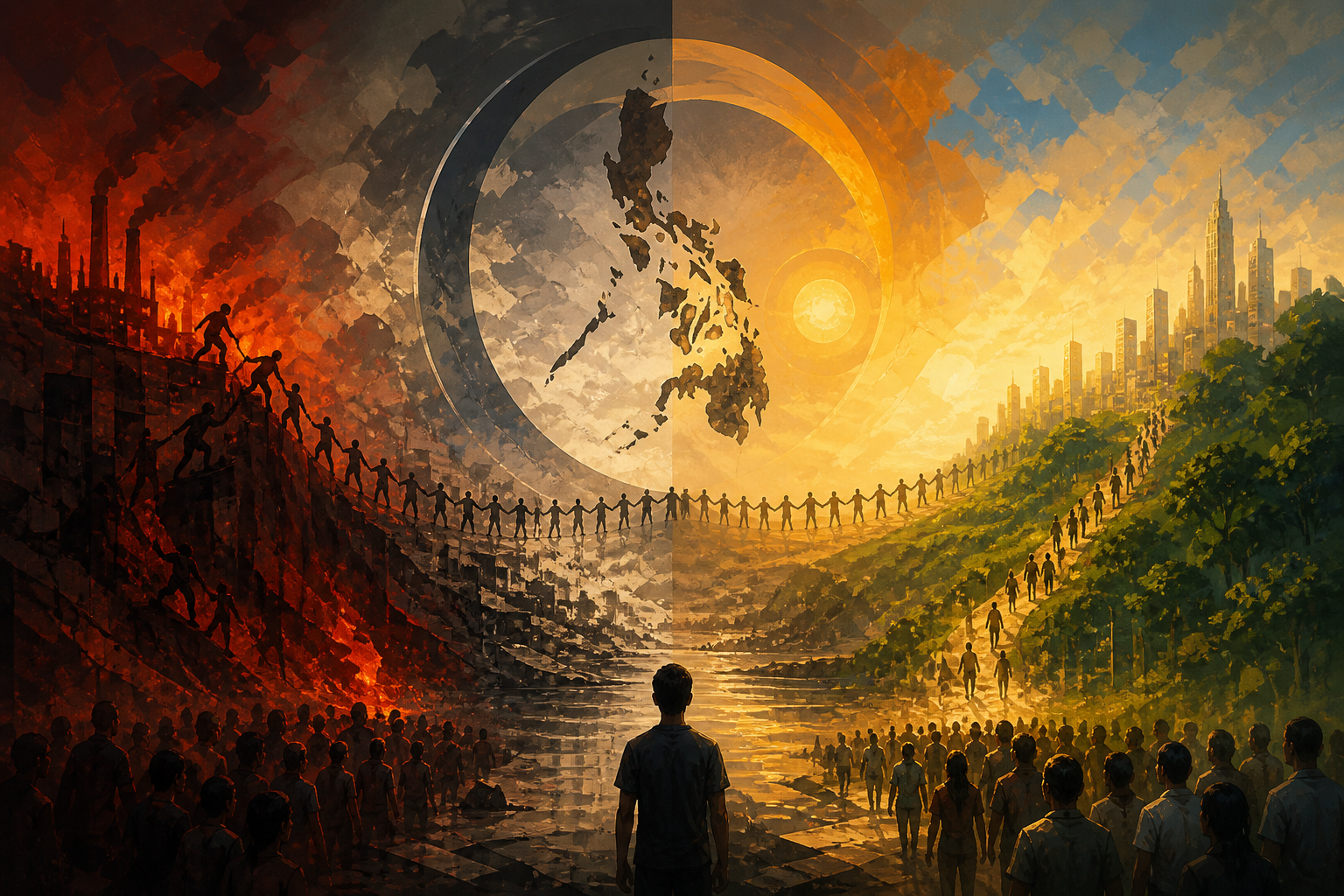
Where do we stand as a nation—paradise, purgatory, or hell?
Just as Dante was guided through the abyss by Virgil, I believe that if we are to find our way out of the “dark woods” of our national dysfunction, our Virgil must be a vigorous Faith in God. For me, this is not a passive faith that watches from the sidelines, but a demanding moral compass. It is the light that reveals the “ordered circles” of our descent and gives me the strength to finally begin the ascent.
I have long believed that a nation’s destiny rests on two foundations: the strength of its government and the character of its people. When both are strong, the nation thrives in a kind of paradise; when one falters, it drifts into purgatory; and when both fail, it descends into hell.
As I look at the current state of our institutions and reflect on the character of our collective civic behavior, the conclusion is one I can no longer avoid.
We are not in paradise, and I fear we are not even in purgatory. We are in hell.
Yet, my studies of the Divine Comedy have taught me that purgatory represents something fundamentally different from either extreme—it is not a place of final condemnation, but a state of transition. In Dante’s vision, purgatory is where the work of purification begins, and for me, that starts with the difficult step of recognizing our own faults. It is a place where vices aren’t just punished; they are purified as every spirit confronts the very weakness that led it astray. I’ve realized that any path toward our national renewal demands that we not only recognize our failures but also deliberately set out to correct them.
If hell is the result of both a failing government and an irresponsible citizenry, then I see purgatory as the pivotal moment when one side begins to change even as the other lags behind. To me, a nation in purgatory is not yet healed, but it has finally moved past denial; it is a society that has begun to acknowledge its shortcomings and is actively striving for something better.
In our own context, I believe purgatory would require a profound shift in our consciousness—a personal willingness to move beyond the easy comfort of blame and toward the harder path of accountability. It would mean a readiness within our institutions to rebuild trust through genuine reform. For me, this is the stage where we stop avoiding difficult truths and start confronting them; it is where our excuses finally give way to effort, and our passive observation transforms into active participation.
Though we have concluded that we are not yet in this state, the concept of purgatory is fundamental—not as a description of where we are, but as a vision of what lies between our current condition and the possibility of renewal. It reminds us that transformation is neither immediate nor effortless, but attainable through deliberate, sustained change.
To understand how we arrived here, we must recognize that this condition is not merely the result of present failures—it is also rooted in a past that still shapes our present. As a nation, we have long been fragmented—geographically, culturally, and politically—an archipelago not only in land, but in identity. Our colonial history reinforced this fragmentation. Through the divide-and-rule strategy, our colonizers kept us subdued, preventing unity and making sure that resistance remained scattered and ineffective.
Though political independence has long been achieved, the imprint of this division remains. We continue to see ourselves not as a united whole, but as competing factions. This fragmentation deepens further when political actors exploit these divisions, prompting citizens to defend them against one another rather than hold them accountable. In doing so, we become participants in our own disunity.
Over time, our prolonged inability to free ourselves swiftly from colonial rule cultivated a quiet resignation. A decisive moment came when the struggle against our conquistadores from the Iberian Peninsula was nearing victory, and a sense of national identity was beginning to take shape. Yet at that critical juncture, the Filipino people were denied the opportunity to complete their own struggle for liberation, as another power, emerging at the close of Spanish rule, intervened—marking a transition from one colonial master to the next.
What followed was not merely a political transition, but a period in which the natural development of nationalism was constrained, delaying the full emergence of a unified national consciousness and leaving a lasting imprint on how we perceive our collective identity and capacity for self-determination.
I often reflect on how a defining victory for our people—one that might have truly forged a sense of national pride and unity—was interrupted by forces beyond our control. To me, this left behind more than just a political scar; it created a psychological one. In place of a fully realized sense of self-determination, I feel a lingering uncertainty about our capacity to shape our own destiny.
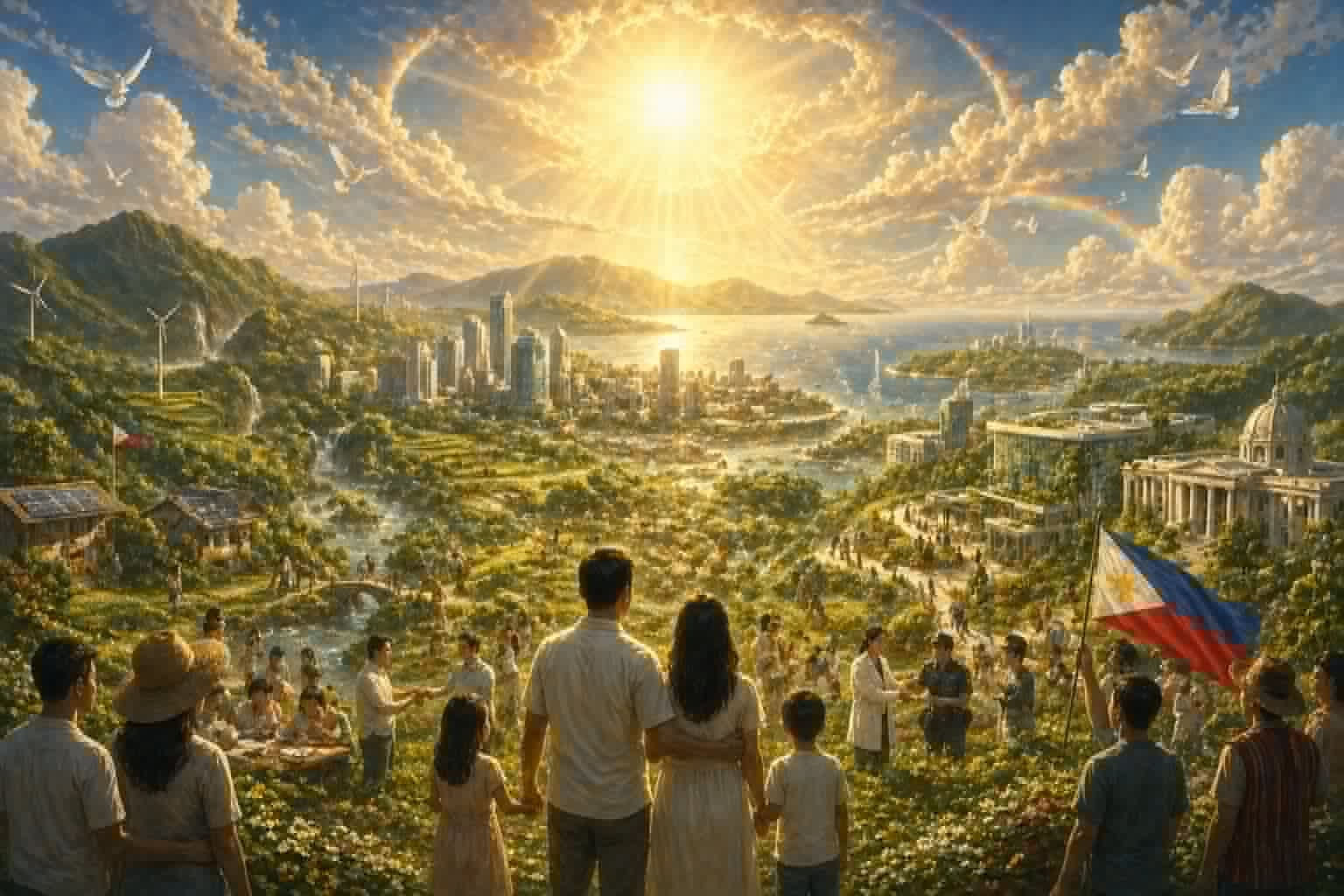
I’ve come to think of this uncertainty as our national Limbo. Much like those in Dante’s First Circle who lived without the “baptism” of a completed purpose, I feel the Filipino spirit remains suspended in a state of “what could have been”. Because our revolution was interrupted and our liberation was eventually granted rather than fully seized, I believe we have inhabited a political twilight for over a century—not fully damned, but not yet free. We are haunted by the sighing of those who are hopeless in desire, longing for a national identity that we were never permitted to finish building for ourselves.
I’ve seen how people subjected to long periods of domination can begin to internalize limitation—a quiet belief that significant change is simply unattainable. This inherited mindset, which I find so damaging, weakens our collective will to act. Yet, I’ve realized this condition isn’t a chaotic fall; it is a structured descent, much like the ordered circles of Hell I read about in the Divine Comedy. Each layer reveals a deeper moral failure: from our negligence and apathy to corruption, and ultimately to the betrayal of public trust. What we experience today is not random misfortune, but the cumulative result of choices I see being made—and responsibilities I see being ignored—time and time again.
Even our natural environment has played a role in shaping our collective mindset. Living in a country frequently visited by destructive typhoons, I believe our repeated exposure to disruption has fostered both a beautiful resilience and a tragic resignation. While these conditions have certainly strengthened our capacity to endure, I worry they have also normalized crisis, reinforcing a tendency in us to merely respond rather than anticipate, and to recover rather than prevent.
I have come to realize that whatever factors or historical circumstances may have shaped our current condition, they do not absolve us of our personal responsibility for it. In my own reflections on self-improvement, I see that our national state is not a sudden collapse, but rather the cumulative result of choices we have made over time—each one contributing to a gradual descent.
**********
WHAT SHALL WE DO THEN?
As I’ve learned from my studies of Dante, recognition of the journey through Hell is only the beginning. What, then, should we do? In the Divine Comedy, the journey does not end in the abyss; there is a path upward to paradise, though I know it is a difficult one to walk.
In Dante’s journey, Hell is governed by a moral logic where every consequence reflects a prior choice. Similarly, I believe the dysfunction we endure as a nation is not without cause; it mirrors the decisions we make, the leaders we choose, and the responsibilities we so often neglect.
Although I do not believe we are yet in Purgatory, I believe we must understand its profound significance.
For me, Purgatory is not a place of perfection, but of transformation—it is the space where acknowledgment finally leads to change and responsibility replaces denial. It is the necessary passage between failure and renewal. I’ve realized this slow ascent requires the effort, discipline, and readiness to confront my own shortcomings that I strive to bring to my writing and my life.
Reaching such a state requires a profound shift in my own consciousness—a willingness to move beyond the habit of blame and toward true accountability. It is the point where effort begins, discipline is cultivated, and active participation finally replaces passivity. However, I’ve come to understand that this path requires a fundamental change in how I think about our development as a nation.
For too long, we have relied on a flawed model that assumes progress begins externally. It is time, therefore, to look inward. Just as Virgil guided Dante through darkness—not by force, but through the light of Reason and the mandates of the Divine—we too must rely on a Faith sharpened by clarity of thought and self-awareness to navigate our way out of this abyss.
The alternative path begins with the individual and extends outward—to the family, the community, and the nation.
If paradise is to be realized, it must be understood not merely as prosperity, but as the restoration of unity and the overcoming of fragmentation that has long defined us. A nation cannot reach its highest potential while divided. True progress demands cohesion and a shared sense of purpose that transcends regional, political, and ideological boundaries.
To arrive at such a state, we must consciously unlearn the divisions that history has imposed upon us. The legacy of divide et impera must no longer define how we relate to one another. Instead of allowing ourselves to be separated by difference, we must recognize that our strength as a nation lies precisely in our diversity—when it is bound together by a common commitment to the greater good.
A nation in paradise is not free from disagreement, but disagreement does not lead to division. It is a nation where citizens hold leaders accountable without becoming instruments of partisan conflict, and where public discourse is guided by a shared desire for national progress rather than hostility.
Ultimately, paradise is not granted; it is built. It emerges when individuals rise above narrow loyalties, families instill values of discipline and responsibility, and citizens view themselves as integral parts of a greater whole. Only through unity, grounded in shared values and mutual accountability, can a nation truly ascend to its highest form.
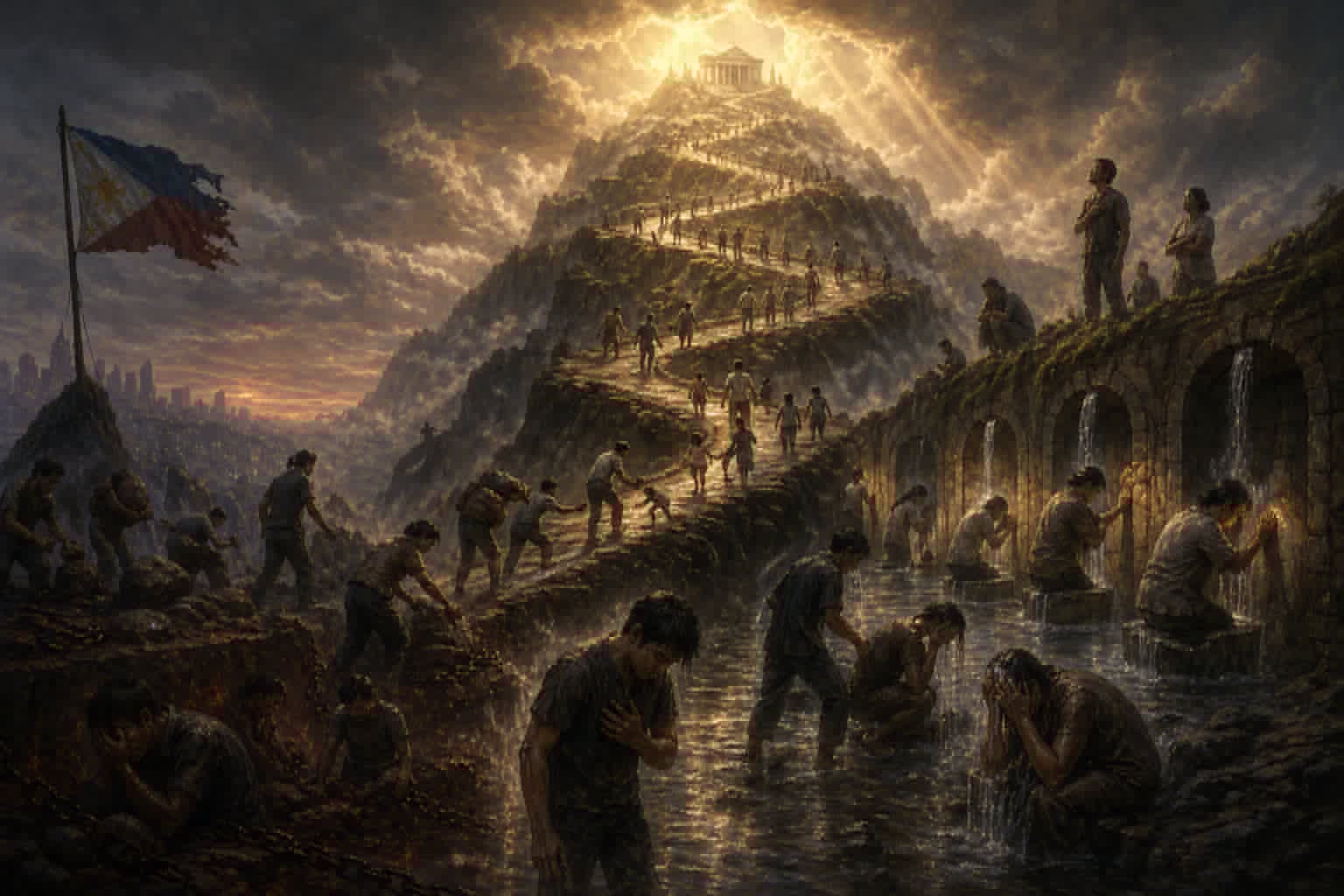
I have realized that the ascent from Hell in Dante’s journey is neither sudden nor effortless; it demands a kind of movement, struggle, and persistence that I try to channel into my own creative projects. One does not simply wake up outside of the darkness; you must climb out of it. At the end of that grueling climb, Dante shares a powerful image that stays with me: the moment he emerges “to see the stars again”. It serves as a personal reminder that no descent is final, and even from the deepest darkness I may feel, a path toward renewal remains.
Only then can we truly begin our ascent: from hell, through purgatory, and ultimately toward paradise. I’ve come to understand that the path to national transformation doesn’t begin in the halls of power, but in the quiet, daily decisions of individuals like me who choose to change.
In the end, I see that a nation is nothing more and nothing less than a reflection of its people. If I desire a better nation, I must first strive to become a better individual.
The journey out of the abyss is long, but I find comfort in the fact that Dante’s final word in every canticle remained the same: stelle, the stars. For me, those stars are not just distant celestial bodies; they are the three stars of our national emblem, which have felt obscured for so long by the smoke of partisan conflict. Like Dante emerging from the dark to behold them once more, I believe we, too, may rise if we choose not merely to hope for change, but to become its source. Only when we fix our gaze upward, guided by our Faith and our shared history, do we leave the darkness behind. In that rising, we do not merely find paradise; we build it.
THE NATION WE CREATED (Part 2)
The darkest places in hell are reserved for those who maintain
their neutrality in times of moral crisis.”
– Dante Alighieri –
ARE WE A RESPONSIBLE CITIZENRY?
This is an uncomfortable question—one that demands honesty.
Unfortunately, the answer is no. To claim otherwise would be to deny a truth we often avoid.
In my fourteen years of living abroad, I have come to realize that we cannot attribute our failure to reach our full socio-political and economic potential solely to the government. In many ways, we ourselves contribute to the very condition we lament—more often than we are willing to acknowledge. The consequences we face as a nation are a mirror of our own choices. I see this as our own national contrapasso—the principle from Dante’s vision where the punishment perfectly fits the nature of the sin.
I believe we often fail in our most fundamental civic duty: we do not choose our leaders wisely. From my perspective as an author who values the precision of every choice, it is painful to see elections reduced to popularity contests or questionable standards. When we elevate individuals who are unqualified or driven by self-interest, we are essentially drafting the very chapters of the dysfunction we later complain about.
This failure is most evident to me in the persistent cycle of vote-buying and vote-selling. It breaks my heart to see the sacred right of suffrage treated as a transaction rather than a responsibility. This is the contrapasso of the ballot: on the eve of elections, when an envelope changes hands for a day’s relief, it sets a narrative in motion. Years later, those same hands wait again for a change that never comes.
When we sell a vote for a single meal, we shouldn’t be surprised when we are governed by those who treat public office as a commodity to be exploited for years of profit. We are not simply victims of a corrupt system; I’ve come to realize that we are often the architects of our own deprivation. We are bound by a cycle where the short-term relief of a bribe becomes the long-term chains of our national poverty, and leadership is no longer measured by the integrity I strive for in my own life, but by the capacity to buy an advantage.
This dynamic feels like a modern staging of Shakespeare’s Coriolanus, where the titular general’s contempt for the public makes the process of seeking the people’s voice a hollow, transactional performance. In that chasm between a detached leader and a manipulated citizenry, the entire nation is swallowed.
In my view, what makes this cycle so destructive is how it fundamentally warps the meaning of representation. I’ve observed that when someone assumes office through monetary influence, they stop seeing their role as a public trust; instead, it becomes a private investment to be recovered—and, more often than not, multiplied.
In my own creative work, I strive for a “Holistic Approach” where every element serves the whole, but in this distorted system, governance becomes about the “return” on that investment. Decisions are no longer formed by the actual needs of the people, but by a desperate desire to recoup the costs of acquiring power. It makes me realize that corruption isn’t just an unfortunate accident in our story; it is embedded in the manuscript from the very first page.
Faced with this reality, I feel that our duty goes far beyond simply refusing to sell a vote; we must practice a deep, intentional discernment when choosing those we entrust with office. As someone who carefully evaluates every line of a poem or every margin of a 5×8 layout, I believe the right to vote is not just a procedure—it is a moral responsibility that demands our best judgment. We have to set personal standards that exceed the bare minimums of the law, evaluating candidates on their competence, their integrity, and their actual capacity to serve. Without these standards, I fear our voting becomes nothing more than an empty ritual, rather than the meaningful contribution to nation-building I know it can be.
This responsible exercise of our right is even more vital in a culture where we so easily mistake popularity for competence. I’ve often reflected that public office is not an extension of fame, and it shouldn’t be treated as a platform built on recognition alone. True leadership, like the mastery required for complex writing, demands the ability to understand intricate issues and make sound decisions in the public’s best interest. When we let popularity become our primary yardstick for success, I believe we inevitably diminish the very standards of governance we rely on to survive.
Worse still, I see us continuing to recycle the same traditional politicians or replacing them with members of their political dynasties, yet somehow expecting different results from these same tired choices. In doing so, we reinforce a system in which power remains concentrated within a limited circle, which I believe restricts opportunities for genuine reform and perpetuates the very conditions we claim to oppose.
What I often find overlooked, however, is that these political dynasties do not sustain themselves—they are maintained by our repeated electoral support. Leadership within these families persists not just because of their ambition, but because we, the electorate, continually permit it. In this sense, I’ve realized that dynasties are not simply imposed upon us; they are reproduced through our collective decisions.
As I watch positions of power pass from one family member to another, I feel governance becoming less about public trust and more about the perpetuation of control. This tendency narrows the variety of perspectives in our leadership and makes significant change feel increasingly out of reach. When I see the same names dominating our political landscape decade after decade, my expectations for a different outcome grow increasingly detached from reality.
Recognizing this reality highlights a profound personal responsibility for me. I know the means to make informed choices are within our reach; we can examine track records, assess qualifications, and critically evaluate platforms. To me, the ability to choose wisely doesn’t require extraordinary expertise—it only requires us to be attentive, thoughtful, and responsible with our votes.
Beyond how we vote, I see a mindset of misplaced expectations, in which we believe the government is solely responsible for solving every societal problem. We often view our relationship with the state through a lens of entitlement, demanding benefits and services without fully recognizing our own vital role in nation-building. In many ways, our national psyche has become a staging of Samuel Beckett’s Waiting for Godot, where we sit by the side of the road, suspended in a state of ‘what could have been,’ waiting for a savior who never arrives. We remain rooted in place, expecting the government to deliver a transformation that can only be authored by our own hands.
I’ve noticed that this belief is often accompanied by a dangerous expectation: that those in power can single-handedly deliver national transformation, as if progress were the work of political saviors rather than a shared responsibility. In my own reflections on self-improvement, I see how such expectations reinforce patterns of dependence that go beyond mere perception and begin to actively shape our behavior.
This mindset is further reinforced by what we often call the ayuda mentality, reflecting a growing dependence on government assistance as a primary means of survival. While I recognize that aid is absolutely necessary during crises, it becomes deeply problematic when it fosters long-term reliance rather than empowerment.
Instead of being seen as temporary relief, I see assistance being regarded as an entitlement, which inevitably weakens our drive for self-reliance and personal initiative. Over time, this erodes the very values I believe are necessary for a responsible citizenry—hard work, discipline, and accountability. Even more concerning to me is how this assistance becomes entangled with political interests. Rather than serving as a mechanism for public welfare, I’ve seen it dangled as a reward for political favors, votes, and loyalty. This practice transforms aid from a tool of empowerment into an instrument of influence, reinforcing our dependency while distorting the democratic process I hold dear.
For me, this cycle of dependency mirrors Dante’s Third Circle, where the gluttons lie in a foul-smelling slush, eternally drenched by cold, ceaseless rain. Our gluttony is not for food, but for the ease of reliance. The contrapasso is evident: by choosing the temporary comfort of a handout over the challenging path of self-reliance, we condemn ourselves to remain in the mud of national stagnation. We are left perpetually waiting for a rain of ayuda that neither cleanses nor empowers, but keeps us mired in a situation of our own making.
The more we rely on external provision without cultivating self-reliance, the more we reinforce the very conditions that make such reliance necessary. It becomes a quiet echo of the same moral logic found in Dante’s vision, where consequences reflect the choices that give rise to them.
When citizens begin to associate public assistance with political allegiance, the relationship between the people and their leaders shifts from one grounded in accountability to one driven by patronage. Instead of evaluating leaders based on competence, integrity, and vision, some are compelled to support those who provide immediate material benefits, regardless of long-term consequences. In this way, assistance no longer uplifts—it conditions. It discourages initiative, weakens independence, and fosters a cycle in which both leaders and citizens become trapped: leaders in the pursuit of political survival through distribution, and citizens in the expectation of continued provision.
To be clear, assistance has a legitimate and necessary role—especially during crises, disasters, and periods of financial hardship. A compassionate government must provide safety nets for its most vulnerable citizens. However, when assistance evolves from temporary support into a permanent expectation, it ceases to empower and begins to weaken.
The issue, therefore, is not the aid itself but the mindset surrounding it. A society that depends primarily on external support, rather than cultivating internal strength, risks losing the qualities that sustain long-term progress: initiative, resilience, and self-reliance.
A nation cannot progress when its people are conditioned to wait rather than act, to receive rather than build.
I see this condition further compounded by a culture of blame that I encounter all too often. When we fail to reach our goals in our personal or professional lives, I’ve noticed how quick we are to point fingers at the government, our leaders, or our circumstances, rather than pausing to examine our own decisions. In doing so, I feel we absolve ourselves of responsibility and, more tragically, surrender the very agency we need for growth. Instead of the accountability I strive for in my own life and work, we resort to excuses.
It brings to mind the caution from Julius Caesar: “The fault, dear Brutus, is not in our stars, but in ourselves, that we are underlings.” In my own work on a holistic approach to self-improvement, I’ve had to confront this same truth—that we often stay suspended in limbo because we have inherited a mindset that change is something granted to us, rather than something we must seize
To me, this mirrors a recurring moral pattern where inaction—though it seems harmless—allows dysfunction to persist. I’ve come to believe that our silence as citizens serves as tacit permission for that dysfunction to continue, unchallenged and uninterrupted.
This is where I feel our Faith must move beyond mere ritual and into resolve. As I reflect on my own spiritual journey, I realize that claiming faith while remaining indifferent to the “hell” of corruption is a profound contradiction. True faith doesn’t offer me an escape from responsibility; it provides the mandate for it. If we are to be led by this “Virgil,” we must realize that God does not build nations—He empowers us to build them ourselves.
At its core, I see the problem as a lack of personal responsibility and civic discipline. Whether I am working on the second edition of my book or navigating life in South Korea, I am reminded that we often neglect the role we must play—not just as voters, but as individuals who must work diligently and contribute to society. Nation-building, I’ve realized, is not a task for the government alone; it is a shared responsibility that demands effort from everyone of us.
THE NATION WE CREATED (Part 1)
“The darkest places in hell are reserved for those who maintain
their neutrality in times of moral crisis.”
– Dante Alighieri –
In my fourteen years in South Korea, I have often reflected on the delicate architecture of a nation’s soul. In those reflections, I found myself drawn to quiet comparisons between the systems of my host country and my own.
As an author, I tend to see the world through the lens of structure and foundation—much like the deliberate order I impose on the pages of my books—and I have come to believe that a nation’s destiny rests on two pillars: the integrity of its leaders and the responsibility of its people.
To me, these aren’t just political concepts; they are the boundary lines between peace and chaos. When both are strong, the nation feels like a paradise. When one falters, we drift into a restless purgatory. But when both fail, as I sometimes fear they have back home, the descent into a collective hell becomes almost inevitable.
Over the fourteen years I have lived in South Korea, I have come to view the condition of a nation not as a static map, but as a journey—a long, winding movement shaped by the weight of our collective choices. As an author, I find myself drawn to the structure of the Divine Comedy, where Dante must descend through the depths of Hell before he can even hope to see the light of Paradise. It’s a lens that helps me process our own national reality: we are not stuck in a fixed state, but are moving through a landscape defined by our actions.
From this perspective, three questions have begun to haunt my thoughts, demanding to be addressed:
Do we have a good government?
Are we a responsible citizenry?
Where do we stand as a nation—paradise, purgatory, or hell?
**********
DO WE HAVE A GOOD GOVERNMENT
The answer to the first question, as painful as it is to write, feels unequivocal to me.
We are governed by a dysfunctional government.
In my time writing about self-improvement and the shadow of our choices, I’ve seen how corruption acts as a plague on our institutions, siphoning away the very resources meant for our growth. It is heartbreaking to realize that the funds intended for our children’s schools or our farmers’ roads are so often lost to dishonesty. Tools that should be used for our collective progress instead become narrow paths for personal gain, turning our public coffers into the private piggy banks of those in power.
In my observations, these practices reveal something far deeper than a simple institutional breakdown; they expose the raw, ethical flaws that I often explore in my own writing—where greed is allowed to prioritize personal gain over the public good, and pride stands like a wall against accountability. These are the same vices I find echoed in the great literary traditions I study, yet they are not confined to the pages of a book; they manifest in the very way our daily lives and institutions function.
I’ve seen how this dysfunction slowly erodes the foundation of our society and lowers the bar for what we expect from one another. As corruption becomes common, integrity feels less like a standard and more like a rare exception. I worry that we have begun to tolerate dishonesty, normalizing inefficiency until we are trapped in a cycle: weak systems create passive citizens, and our passivity, in turn, allows that weakness to persist.
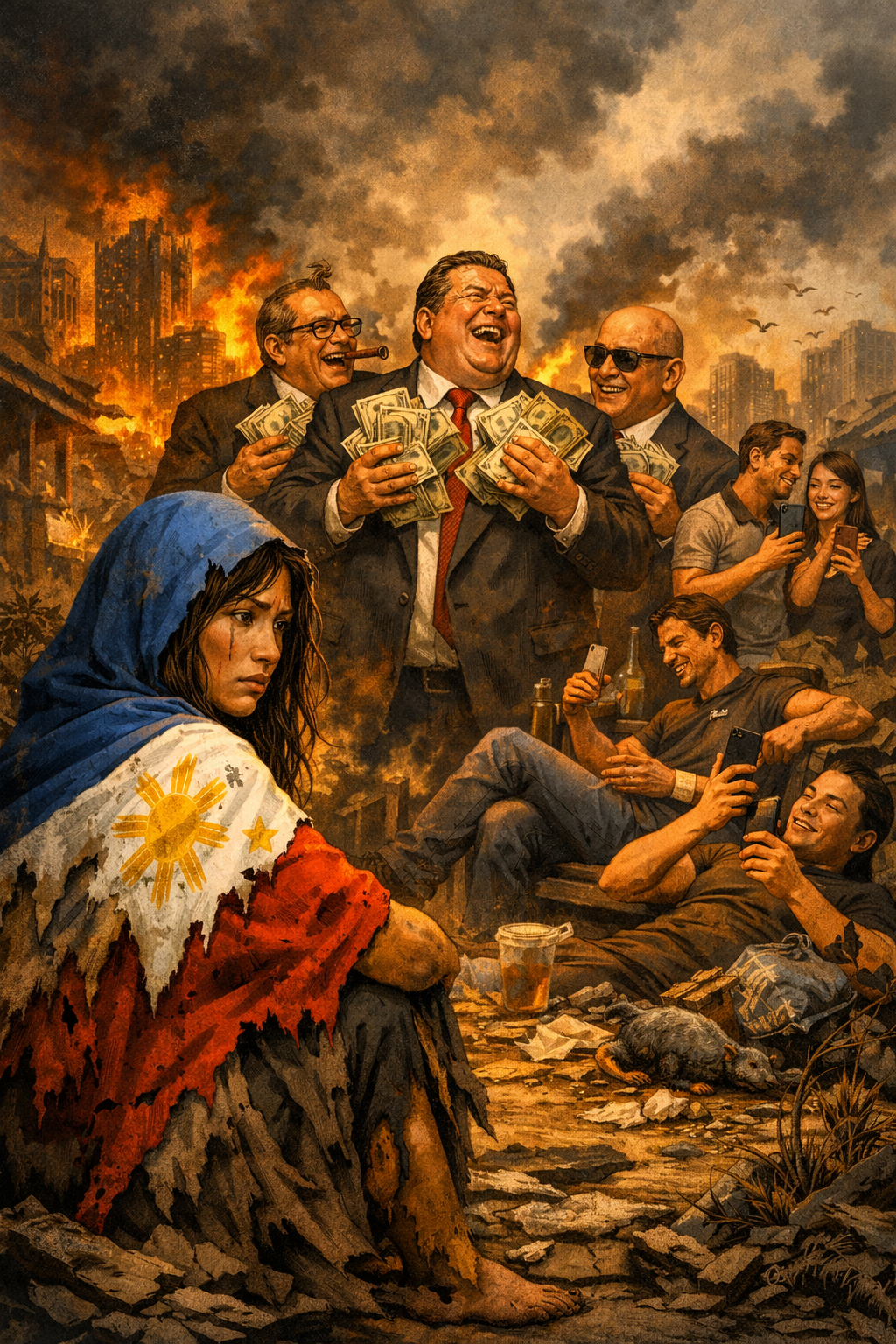
More concerning to me is the resignation this environment breeds. It’s easy to start believing that change is impossible, but that belief only serves to normalize corruption. It silences the critical voices and weakens our collective will to demand something better. When I see hope being lost, I realize that our withdrawal from civic engagement is the very thing that prevents reform from taking root.
I often think of Dante’s vision, where the morally indifferent—those who refuse to take a stand—are denied entry even into Hell. They are condemned not for their actions, but for their silence. In much the same way, I feel that our own inaction allows this dysfunction to continue, unchallenged and uninterrupted.
It reminds me of what Dante portrayed as sloth: not just simple idleness, but a moral passivity that allows injustice to endure through quiet tolerance. Like the inscription at the gates of Hell—“Abandon all hope, ye who enter here”—too many of us have accepted this state as permanent, surrendering the very hope that could spark change and, instead, enabling the very actors who thrive in this dysfunction.
As I watch from afar, the political theater back home often feels less like a debate and more like a spectacle of mudslinging between rival groups. It is a pattern I find deeply unsettling, reflecting not a reasoned disagreement but a descent into raw hostility, in which the pursuit of truth is sacrificed for the sake of division. Instead of the meaningful dialogue and collaboration I advocate for in my own reflections on self-improvement, we witness a cycle of endless accusations and personal attacks.
It resembles a tragicomedy—absurd, disquietingly humorous, yet undeniably tragic. What strikes me most is how we, as citizens, often become unwitting participants in these divisions, defending rival factions even when the conflict yields no real benefit to our lives. The energy I believe should be devoted to substantive governance and personal growth is instead consumed by these political theatrics.
Watching this from afar, I am reminded of Shakespeare’s Troilus and Cressida, a problem play in which the pursuit of truth is buried beneath ego and partisan hostility, leaving the characters mired in a stalemate that mirrors our own national stagnation.
I find it even more troubling to see the persistent failure to hold erring officials accountable. Even when scandals capture our attention, I’ve seen justice delayed or diluted until it is effectively denied. It seems to me that accountability has become selective, fueled by partisan loyalties: rigorous when applied to an adversary, but met with a heavy silence when it concerns an ally. In my view, this selective justice only strengthens a culture of impunity in which misconduct is not just ignored but effectively tolerated because the consequences never seem to match the actions.
Taken together, these realities paint a picture for me of a government struggling to fulfill its basic duties—not because we lack solutions, but because the system itself feels compromised.
It leads me to wonder: if we lack a good government, does that place us in Purgatory?
In my heart, the answer is “not quite,” because I’ve come to realize that the failure of a government never exists in isolation; it is a mirror that reflects and reinforces the shortcomings we carry as a people.
Malaya Ka Ba Juan?
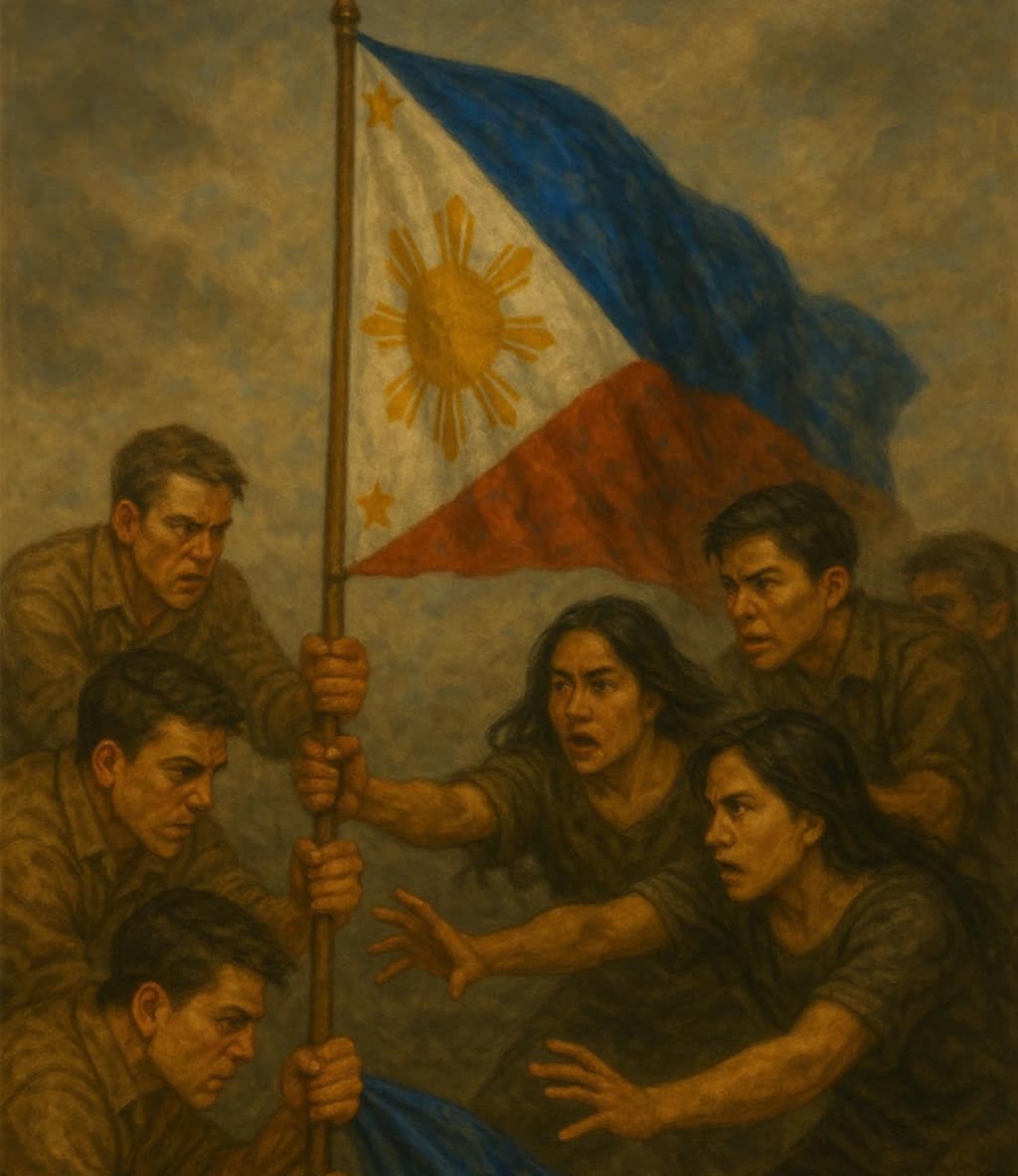
Kumusta Juan? Usap nga tayo sandali. May itatanong lang ako. Nakita mo naman siguro ang pamagat ng akda kong ito na nakasulat sa itaas. Iyan ang gusto kong itanong sa iyo. Totoo bang malaya ka na? Wala na nga bang sa iyo’y umaalipin? Wala na nga bang sa iyo’y pumipigil upang makamit mo ang mga pangarap mo sa buhay? Wala na nga bang sagabal upang marating ng bayan mo ang kaunlaran?
Syempre ang una mong reaksyon eh, “Ano bang tanong ‘yan?” Napaka-absurd! Obvious naman na malaya ka na dahil wala na ang mga Kastilang umalisputa’t sa iyo’y umalipin. Maging ang mga Amerikanong pumalit sa kanila ay matagal nang wala, pati nga base-militar nila’y pinalayas na natin ‘di ba? Napakatagal na rin namang tapos ang World War II at ang mga Hapon na nandito’y hindi mga sundalo kundi mga turista at mga asawa ng mga dating OFW sa Japan.
So, wala nang sagabal sa pag-unlad mo dapat ‘di ba? Kaya sasabihin mo bang malaya ka na? Wala na rin naman sa Malacanang ang mapaniil na diktaduryang Marcos. Kahit na nga ba alive and kicking pa ang aleng Imelda pero harmless na s’ya. Pero teka, ‘di ba Marcos din ang nakaupo ngayon, at may kapatid pa siya sa Senado na posibleng mamuno doon. Hala, pinsang buo pa pala niya ang nagpapatakbo ng Kongreso ngayon. Pero hindi sila ang kaaway at hadlang sa pag-unlad mo.
Kung gayon, kung hindi sila, eh sino kalaban at sagabal sa pag-angat mo sa buhay? Iyon bang nasa kabilang kampo… ang mga Duterte? Ay naku hindi rin. Mali ka t’song.
Hindi ang mga Marcos o Duterte at kung sino mang kumakampi sa kanila ang batong suong mo sa balikat kaya sa buhay ay hindi ka makausad. Hindi sila ang mga tanikalang nakakabit sa iyong mga paa kaya hindi ka makahakbang patungo sa mga pangarap mo… kung may pangarap ka nga.
Eh kung hindi sila, sino ang kaaway na hanggang ngayon ay umaalipin sa iyo kaya hindi mo masasabi na malaya ka.
Eh sino?
Nasaan siya?
Nakatira s’ya sa bahay n’yo. Isinusuot nga n’ya ang mga damit mo, medyas , at sapatos. Pati underwear mo! Pati nga pala toothbrush mo. Kumakain nga s’ya sa pinggang kinakainan mo.
Ano ulit kamo? Sino? Tatay mo? Nanay mo? Hindi kaya isa sa mga kapatid mo? Kuya mo? Engot! Ikaw iyon. Ang matinding kaaway mo ay ang sarili mo. Manalamin ka nang makita mo ang itsura ng totoo mong kaaway. Sige na humarap ka sa salamin.
Ayaw mo? Nahihiya ka! Ayaw mong aminin na ikaw mismo ang dahilan kung bakit hanggang d’yan lang ang narating mo. Ayaw mong aminin na ikaw ang pinakamatinding sagabal sa ‘di mo pagunlad at ng bansa mo?
O h’wag kang magalit sa akin. Totoo naman ah. Ano iyon? Hindi ka nagsisikap dahil kahit anong gawin mo ay hanggang d’yan ka na lang kasi hindi ka ipinanganak na mayaman? Na ang mga magulang mo kasi ay isang kahig isang tuka lamang. Tapos ano pa idudugtong mo? Na nasa guhit ng palad mo na maging mahirap. Na baka sirain lang ng bagyo o lindol ang ano mang bagay na ipupundar mo. Don’t give me that crap Juan! Ang sabihin mo hindi ka nagsisikap dahil tamad ka. JUAN TAMAD!
Tamad ka! Batugan! Iniaasa mo ang lahat sa iba. Aba’y hanggang ngayon eh nasa poder ka pa yata ng mga magulang mo. Baka ultimo pambili mo ng sigarilyo eh hinihingi mo pa sa nanay mo. Bakit ayaw mong maghanap ng trabaho.
Adik ka ba Juan… sa droga o ayuda?
Alipin ka ng katamaran mo Juan. Kaya h’wag mong sabihing malaya ka. At ‘di bale nga sana kung sarili mo lang pinuperwisyo mo. Kaso mo hindi eh. Pati ang bayan eh apektado. Ikaw ang sagabal kung bakit ang bansa mo’y gumagapang pa rin hanggang ngayon sa balag ng alanganin. Bakit? Oh come on Juan. Alam mo ang dahilan, h’wag ka nang magmaang-maangan pa. Batid mong isa kang modernong Hudas na nagkakanulo sa sarili mong bayan para sa halagang P500 o P1,000 (o magkaano man ang iyong tinanggap noong Mayo 12).Tuwang-tuwa ka sa ibinayad sa boto mo, pambili ng yosi at pangtoma. Pero ano ang kapalit? Hayun, maraming mga buwaya at linta ang nakaupo pa rin sa pamahalaan. Malabo pa sa burak ang asensong pinapangarap.
At pagkatapos ng eleksyon ano ang ginawa mo? Sa halip na kumilos ka para maabot mo ang iyong pangrap eh ano ang pinili mong pagkaabalahan? Ang pagkampi kay Marcos o kay Duterte? O baka sa ikatlong puwersang nanahimik pero nagsisimula na namang mag-ingay.
Anak ng tokwa, wala kang mapapala diyan. Bago ka kumabit kanino mang panig, unahin mo ang paghahanap ng pagkaing isasalpak mo diyan sa iyong bibig. Kaylangan ng katawan mo ng damit. Kaylangan mo ng bahay na masisilungan sa panahon ng tag-araw o tag-init. Mga iyan ang unahin mo. Tiyakin mo ring may pambili ka ng gamot kapag ikaw eh nagkasakit.
Sa halip na pagpapaunlad ng sarili mo at kabuhayan ang iyong atupagin eh pakikipagbangyan sa mga hindi mo kapanalig sa pulitika ang ginagawa mo. Makakadagdag ba iyan kahit singkong duling sa pitaka mong naghihingalo. Panay ang pagpopost mo ng mga opinyon laban sa kabila. Eh ano ba alam mo? Sigurado ka ba sa mga sinasabi mo? Nag-aral ka ba ng abugasya para magpahayag ka ng opinyon na may kaugnayan sa batas? Ano ba basehan mo sa iyong mga sinasabi? Mga sabi-sabi? Nag-research ka ba? At kung abugado ka man eh wala bang halong pulitika ang interpretasyon mo sa mga nangyayari? Hindi ba ikaw iyong tipo ng abugado na babaluktutin ang isyu pabor sa pinili mong panig… o sa panig na binayaran ka upang sayawin ang tugtog na gusto nila.
Hayaan nating Korte Suprema ang magpasya kung aling panig ang tama at legal ang ginagawa. Sila lang ang puwedeng gumawa niyan, hindi ang grupo mong kinabibilangan. Hayaan mong kasaysayan ang humusga sa mga politiko na sa tingin mo eh taliwas sa tamang katwiran ang mga desisyon. Hayaan mong ang mga abugado ng magkabilang panig ang magpingkian ng talino. Tumahimik ka dahil wala namang bilang ang opinyon mo.
Palayain mo ang iyong sarili sa walang kabuluhang pakikipagkagalit sa mga hindi mo kapanalig. Ako eh maka-Duterte, hindi ko itanago iyan mula noon. Oh kung ikaw eh galit sa mga Duterte eh dapat ba tayong mag-away. Hindi ba puwedeng irespeto mo ang paniniwala ko. Ano man ang dahilan ng panggagalaiti mo sa kanilang angkan eh igagalang ko yan. Bahala kang ma-stress sa galit mo sa kanila.
Ang problema kung makapanglait ka sa mga hindi mo kakampi eh akala mo perpekto kang tao. Kung makabatikos ka ng mga pulitikong kinasusuklaman mo parang wala kang bahid dungis. Kung makapangmenos ka ng mga taong hindi sumasangayon sa iyo eh akala mo ubong ka ng galing at talino. Brad, manalamin ka paminsan-minsan.
Palayain mo ang sarili mo sa pakikisawsaw sa away ng mga pulitiko? Inaalipin ka ng maling paniniwala na sa pagsali mo sa mga usaping ganyan eh makakatulong ka na magkaroon ng pagbabago sa atin lipunan. Diyos ko po! Gumising ka. Makakagulo ka lang. Hindi mo kayang baguhin ang mga politiko natin. Ang puwede mo lang gawin eh tiyakin na iyong mga karapat-dapat sa kanila ang iyong iboboto at… huwag kang magpapabayad. Iyong lang brad ang puwede mong gawin. Pero ginagawa mo ba? Hindi, di ba? Dahil nakakasilaw ang P500 o P1,000. Lalo na kung mahigit pa. Alipin ka ng kasakiman sa kaunting pera na iniaabot sa iyo tuwing eleksyon.
Sa halip na makisawsaw ka sa mga usaping pulitika eh unahin mo ang iyong kapakanan at ng iyong pamilya. Wala naman pakiaalam sa iyo ang mga pulitikong iyan. Ni hindi ka nga nila kilala. Asikasuhin mo na lang ang pagbabuti ng iyong kalusugan – katawan at isip. Iwanan mo ang politika, masyadong toxic iyan. Walang idudulot yan sa iyo kundi inis at away.
Pansinin mo Juan, kunwari lamang na umalis ang mga Kastila noon. Nandito pa rin sila’t alipin pa rin ang tingin sa iyo. Sila ang mga namimili ng boto mo upang paulit-ulit silang maupo sa pwesto at patuloy na salantain ang bayan mo.
Juan! Brad! H’wag kang magalit sa akin. Sinasabi ko ito dahil gusto kong magkasama tayong tahakin ang landas ng pagbabago. Ako man kasi’y kaylangan ding lumaya mula sa mga bagay na nakakasagabal sa pag-asenso ko. Ikaw, ako…TAYO, ang pag-asa ng bayan natin.
H’wag nating sayangin ang sakripisyong ginawa nina kuya Jose, Andres, Emilio, Marcelo, Gregorio at iba pang mga kuya natin. Hindi ko naman sinasabi na magpunta tayo sa Monumento at hiramin natin ang itak ni kuya Andres at pagtatagain ang mga natitirang Kastila na nagkukuwaring mga Pilipino. Ayaw kong maging mainitin ang ulo mo katulad ni Antonio, oo… iyong kapatid ni Juan, at pagbabarilin ang politikong sa tingin mo eh dapat nang sunugin sa dagat-dagatang apoy.
Juan, may isang linya sa isang kanta ni Michael Jackson na gusto kong ipaunawa sa iyo at gusto ko rin mas maunawaan pa… “If you want to make this world a better place, take a look at yourself and make a change.”
Kapag nagawa natin yan saka natin masasabi na malaya na tayo.



 M.A.D. L I G A Y A