Category Archives: Human Rights
Human Rights Victimization and Self-esteem of University Students: Mediating Effect of Hope and Moderating Effects of Human Rights Awareness
A research paper published in a Scopus-indexed journal
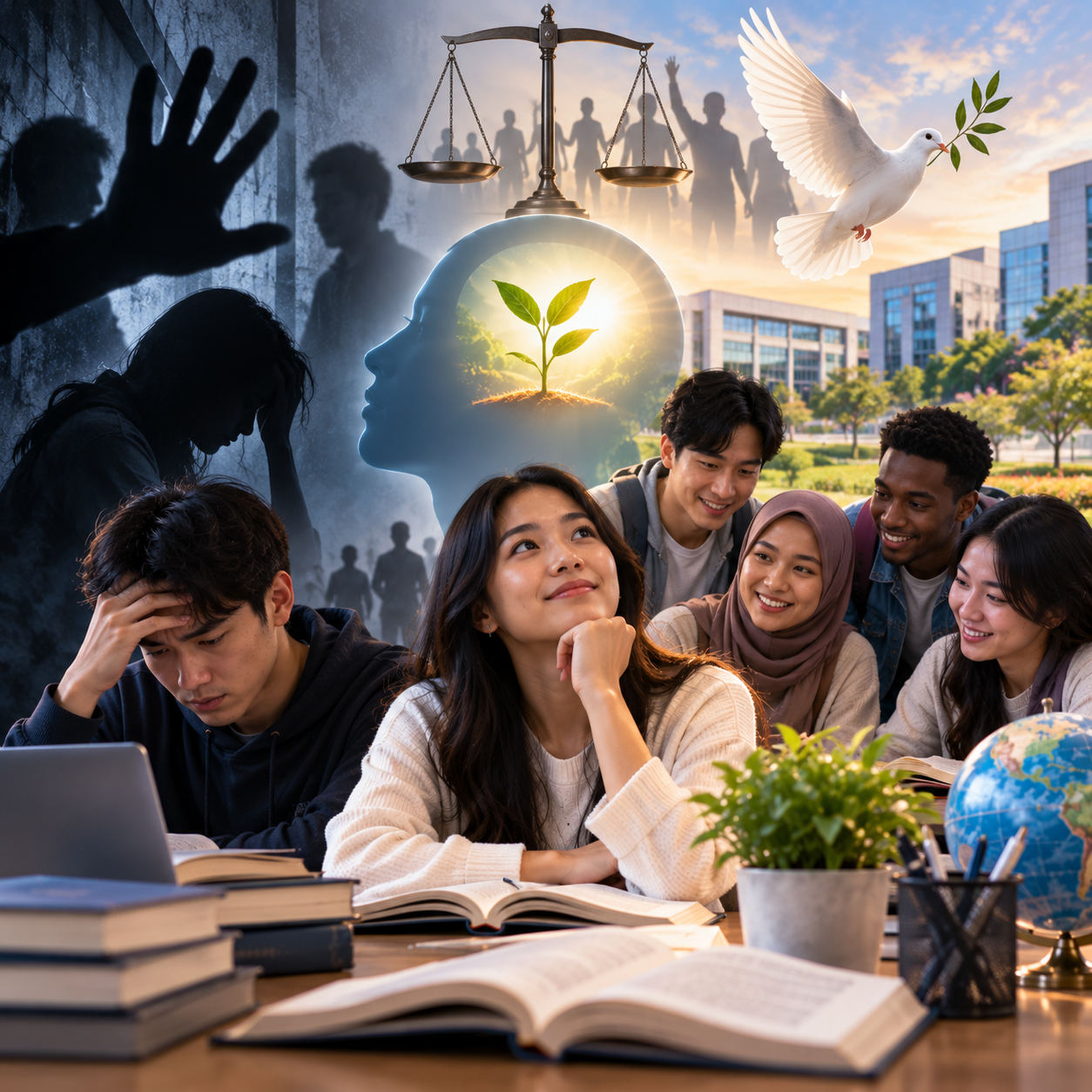
Human Rights Victimization and Self-esteem of University Students: Mediating Effect of Hope
and Moderating Effects of Human Rights Awareness
Massuline Antonio D. Ligaya & Chang Seek Lee and Massuline Antonio D. Ligaya
Indian Journal of Public Health Research & Development, Vol. 9, No. 9, September 2018, pp. 1138–1142
DOI: 10.5958/0976-5506.2018.01151.8
Research Summary
Human dignity lies at the heart of human rights, and violations of those rights can have important psychological consequences. Because self-esteem reflects an individual’s sense of self-worth and personal dignity, experiences of human rights victimization may undermine how people perceive and value themselves. This study examined the relationship between human rights victimization and self-esteem among university students in South Korea, while investigating two psychological and cognitive factors that might help explain or alter that relationship: hope and human rights awareness.
The study involved 233 university students selected through purposive sampling from universities located in Seosan City, Chungcheongnam Province, and Mokpo City, Jeonnam Province. The participants had a mean age of 22.6 years; 149 were female and 84 were male. Established instruments were used to measure human rights victimization, hope, human rights awareness, and self-esteem. The scales demonstrated acceptable to high internal reliability. Data were analyzed using SPSS and Hayes’ PROCESS macro, with bootstrapping employed to examine mediation and moderation effects.
Correlation analysis revealed that human rights victimization was significantly and negatively associated with self-esteem (r = −.452, p < .01), hope (r = −.324, p < .01), and human rights awareness (r = −.132, p < .05). In contrast, hope was strongly and positively related to self-esteem (r = .601, p < .01), suggesting that students with greater hope also tended to possess higher levels of self-esteem.
The mediation analysis provided further insight into this relationship. Human rights victimization had a significant negative effect on hope, while hope had a significant positive effect on self-esteem. Bootstrapping confirmed a significant indirect effect, demonstrating that hope mediated the relationship between human rights victimization and self-esteem. In other words, victimization was associated with diminished hope, which in turn was associated with lower self-esteem. Conversely, maintaining or strengthening hope may help protect an individual’s sense of self-worth in the face of adverse experiences.
The study also found that human rights awareness moderated the relationship between victimization and self-esteem. The interaction between human rights victimization and human rights awareness was statistically significant, indicating that the association between victimization and self-esteem varied according to students’ level of human rights awareness. This finding highlights awareness of one’s rights as an important factor in understanding how experiences of victimization relate to psychological well-being.
Taken together, the findings show that the consequences of human rights victimization cannot be understood solely through the direct relationship between victimization and self-esteem. Psychological resources such as hope and an individual’s awareness of human rights form part of a more complex process through which experiences of victimization are associated with self-perception and well-being. The study therefore points toward educational and institutional interventions that strengthen students’ hope, awareness of their rights, and capacity to respond constructively when those rights are violated.
Research Contribution
The study contributes to the literature on human rights and psychological well-being by moving beyond a simple victimization–self-esteem relationship and examining both a mediating and a moderating mechanism. By identifying hope as a mediator and human rights awareness as a moderator, it offers a more nuanced account of the factors associated with university students’ self-esteem following experiences of human rights victimization. The findings also provide a basis for universities to consider human rights education and hope-enhancing interventions as complementary approaches to supporting students’ psychological well-being.
Keywords: human rights, human rights victimization, human rights awareness, self-esteem, hope, university students, mediation, moderation
Full Text
The full text of this publication is available upon request. Researchers, educators, students, and other interested readers who wish to obtain a copy may contact the author through this website or by email at madligaya@gmail.com.
Human rights victimization and self-esteem of university students: Mediating effects of hope and moderating effects of human rights awareness
A research paper published in a Scopus-indexed journal
Human Rights Victimization and Self-esteem of University Students: Mediating Effect of Hope
and Moderating Effects of Human Rights Awareness
Massuline Antonio D. Ligaya & Chang Seek Lee
Indian Journal of Public Health Research & Development, Vol. 9, No. 9, September 2018, pp. 1138–1142
DOI: 10.5958/0976-5506.2018.01151.8
Research Summary
Human dignity lies at the heart of human rights, and violations of those rights can have important psychological consequences. Because self-esteem reflects an individual’s sense of self-worth and personal dignity, experiences of human rights victimization may undermine how people perceive and value themselves. This study examined the relationship between human rights victimization and self-esteem among university students in South Korea, while investigating two psychological and cognitive factors that might help explain or alter that relationship: hope and human rights awareness.
The study involved 233 university students selected through purposive sampling from universities located in Seosan City, Chungcheongnam Province, and Mokpo City, Jeonnam Province. The participants had a mean age of 22.6 years; 149 were female and 84 were male. Established instruments were used to measure human rights victimization, hope, human rights awareness, and self-esteem. The scales demonstrated acceptable to high internal reliability. Data were analyzed using SPSS and Hayes’ PROCESS macro, with bootstrapping employed to examine mediation and moderation effects.
Correlation analysis revealed that human rights victimization was significantly and negatively associated with self-esteem (r = −.452, p < .01), hope (r = −.324, p < .01), and human rights awareness (r = −.132, p < .05). In contrast, hope was strongly and positively related to self-esteem (r = .601, p < .01), suggesting that students with greater hope also tended to possess higher levels of self-esteem.
The mediation analysis provided further insight into this relationship. Human rights victimization had a significant negative effect on hope, while hope had a significant positive effect on self-esteem. Bootstrapping confirmed a significant indirect effect, demonstrating that hope mediated the relationship between human rights victimization and self-esteem. In other words, victimization was associated with diminished hope, which in turn was associated with lower self-esteem. Conversely, maintaining or strengthening hope may help protect an individual’s sense of self-worth in the face of adverse experiences.
The study also found that human rights awareness moderated the relationship between victimization and self-esteem. The interaction between human rights victimization and human rights awareness was statistically significant, indicating that the association between victimization and self-esteem varied according to students’ level of human rights awareness. This finding highlights awareness of one’s rights as an important factor in understanding how experiences of victimization relate to psychological well-being.
Taken together, the findings show that the consequences of human rights victimization cannot be understood solely through the direct relationship between victimization and self-esteem. Psychological resources such as hope and an individual’s awareness of human rights form part of a more complex process through which experiences of victimization are associated with self-perception and well-being. The study therefore points toward educational and institutional interventions that strengthen students’ hope, awareness of their rights, and capacity to respond constructively when those rights are violated.
Research Contribution
The study contributes to the literature on human rights and psychological well-being by moving beyond a simple victimization–self-esteem relationship and examining both a mediating and a moderating mechanism. By identifying hope as a mediator and human rights awareness as a moderator, it offers a more nuanced account of the factors associated with university students’ self-esteem following experiences of human rights victimization. The findings also provide a basis for universities to consider human rights education and hope-enhancing interventions as complementary approaches to supporting students’ psychological well-being.
Keywords: human rights, human rights victimization, human rights awareness, self-esteem, hope, university students, mediation, moderation
Full Text
The full text of this publication is available upon request. Researchers, educators, students, and other interested readers who wish to obtain a copy may contact the author through this website or by email at madligaya@gmail.com.
Human Rights Victimization and Self-esteem of University Students: Mediating Effect of Hope and Moderating Effect of Human Rights Awareness
 Abstract
This study focused on human rights victimization among university students and how it affects their self-esteem. It also examined the mediating effects of hope and the moderating effects of human rights awareness in the relationship between human rights victimization and self-esteem. 223 university students, chosen through purposive sampling, participated in the study. Human rights victimization did not significantly affect self-esteem (β = .6052, p>.05) and also had a statistically significant negative effect on the mediating variable – hope (β = -. 2413, p <.01). Hope, on the other hand, had a statistically significant positive effect on self-esteem (β = .5307, p<.001). Therefore, hope mediates the relationship between human rights victimization and self-esteem. The moderator – human rights awareness – had a statistically positive effect on self-esteem (β=.5683, p<.01), but the interaction variable (human right victimization x human rights awareness) had a statistically significant negative effect on self-esteem (β = -. 2479, p <.01) meaning human right awareness moderates the relationship between human rights victimization and self-esteem.
Full Text in PDF form:


Where Is It Safe?
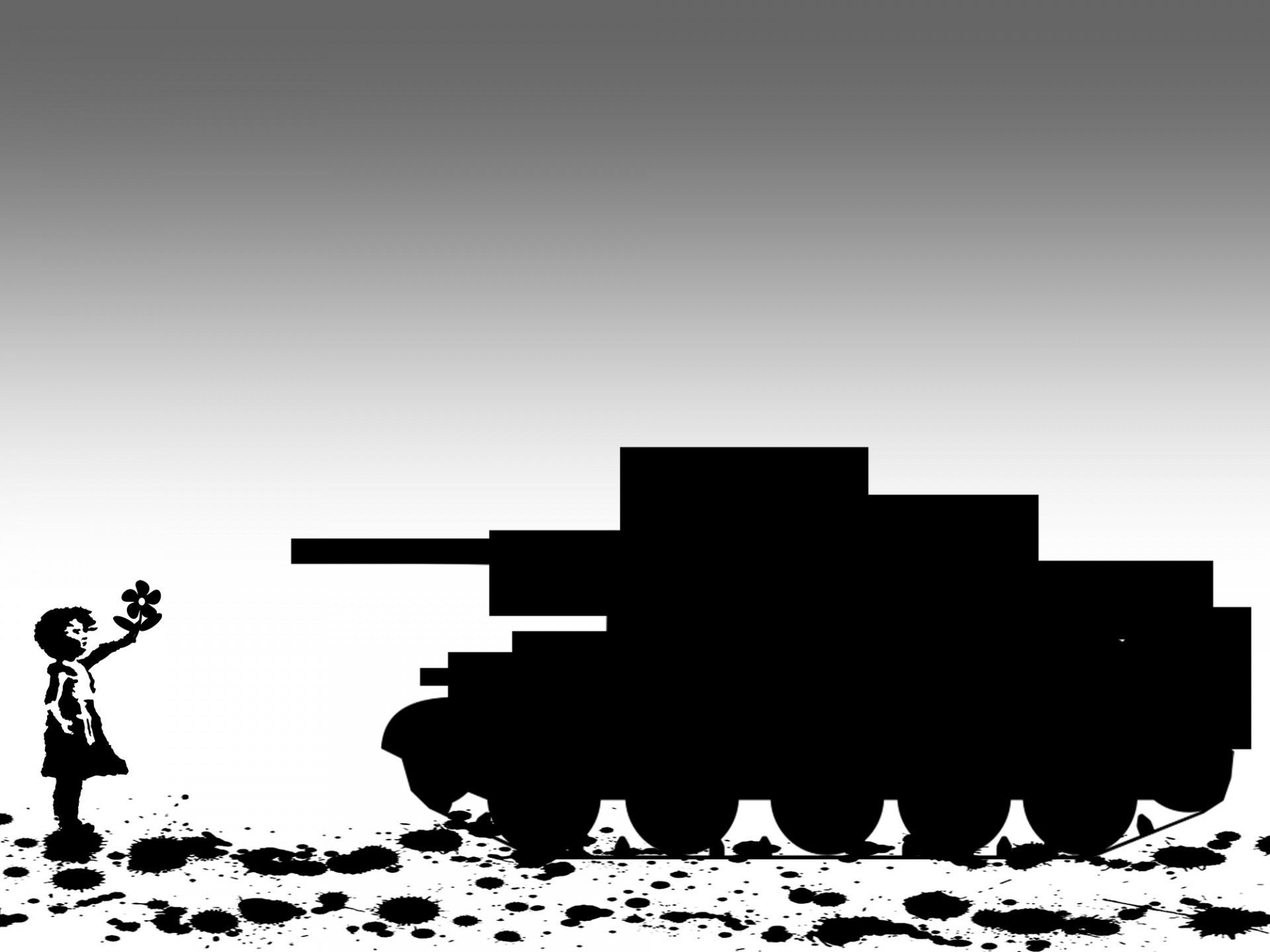
Since I started working here in South Korea in 2013, friends and relatives back in the Philippines keep asking me if it is safe to work here. They questioned my decision of leaving a good position in a peaceful region in my country in favor of a teaching job in a foreign land that at any time might plunge into an armed conflict with its neighbor. They asked me if the better job opportunities I have here is worth the trouble that I could get myself into if the North Korean military decide to cross the 38th parallel line and invade the Southern part of the peninsula.
Well, I understand they are worried about me. I thanked them for their concern but I assured them that I can take care of myself. I know exactly what to do (and where to go) should hostilities between the countries resume. That’s the way we should say it – “resumption of hostilities” – because technically the two Koreas are still at war. The Korean Armistice Agreement signed in 1953 called only for the cessation of hostilities until a final peaceful settlement is agreed. That final peaceful settlement, unfortunately, remains elusive.
I told them that when I decided to work here I was well aware of what the situation is and what could happen. I am ready for that. But I argued at the same time that a full-scale armed conflict will not happen. I said that Kim Jong Un is not “completely insane” to use the North’s nukes to bomb any country. If he does so, it would give the USA and her Western allies, the reason to use the full might of their military, including nuclear weapons, against North Korea. And the result will be very catastrophic for them.
I also made my friends understand that they should not worry too much about the situation here because China, and perhaps even Russia, will do everything to prevent North Korea from going too far. Beijing knows too well that a nuclear conflict in the Korean peninsula will have devastating effects to them also. I added that Kim Jong Un, will just keep on testing the missiles, and might continue to develop a nuclear arsenal if they will not be convinced to discontinue it, only as a defensive posture. I insisted that that North Korea’s will continue doing what it has been doing for as long as the US military keeps its presence in South Korea.
They used the word provocation to describe Kim Jong Un’s acts. I replied by saying that it’s hard to determine who is provoking who pointing out that as far as I know the tension here gets extremely high during the months that US, South Korea and Japan conduct their annual military exercises. It is then that North Korea would behave in the way they have been doing as if trying to send a message across the DMZ that they are ready in case they get attacked.
They asked also if staying here is worth the risk? It is! It’s not because the pasture here is a lot greener than in the Philippines. Professionally and personally, I have made tremendous improvement since I came here. Being here in South Korea allowed me to pursue my other passion – writing. It gave me the opportunity to do research for presentation in international conferences and publication in international journals. I even had extra time to read and… go to the gym.
Then they averred. Still, it’s not safe!
My response was, “Where is it safe anyway?”
The question is – “Is there any place, any country in the world, where people can rest assured that they will survive the night and see the light of day?
Here is another question… “What’s the difference living in a country where an armed conflict might erupt anytime and in one where people who own automatic rifles might just decide to pull the trigger for no reason at all?”
If your country is safe… no conflict with any of its neighbors… no bomb might explode anytime… nobody might just spray you with bullets… no stranger might just suddenly stab you… no vehicle might just run you over… no drug addicts might steal from you and kill you afterward… and your politicians, policemen, and military are not apprentices of the devil… you’re so lucky. Or perhaps, you’re only dreaming… for such country doesn’t exist.
So, where is it safe?
Tell me if you know the answer.
DIFFERENTLY THE SAME

You’re white
He’s black
She’s yellow
I’m brown
Different skin
Different hair
Different height
Different sizes
But we are all humans.
Brown, white, black, yellow
Different religions
But the same GOD
…others have none
Different beliefs
But the same fears
…same hurts
…same joys
White or black or yellow or brown
We all live
…we dream
…we cry
…we laugh
…we love
…we die!



 M.A.D. L I G A Y A