Achieving Longevity (The Race to 100 and Beyond)
“To Sustain Longevity, you have to evolve.”
– Aries Spears –
As I delved deeper into self-improvement, I encountered a wealth of literature on longevity. I became fascinated by reaching one’s full potential and living as long as possible. The relationship between “reaching one’s full potential” and “longevity” is complex. Does living a long life naturally result from realizing one’s full potential, or is it integral to achieving that potential? Should we ask, “Is living as long as possible a part of maximizing one’s physical capabilities?” or “Is longevity the result of fully developing as a person?”
I believe longevity should be seen as a product of striving to reach one’s full potential. Viewing a long life solely as the outcome of maximum physical care reduces a person to a mere physical entity. However, we are more than just our bodies; we are also minds and spirits. In psychology, an individual is regarded as a holistic being, encompassing physical, mental, emotional, social, and spiritual dimensions. I believe that true longevity can only be achieved by harmonizing these aspects of our existence.
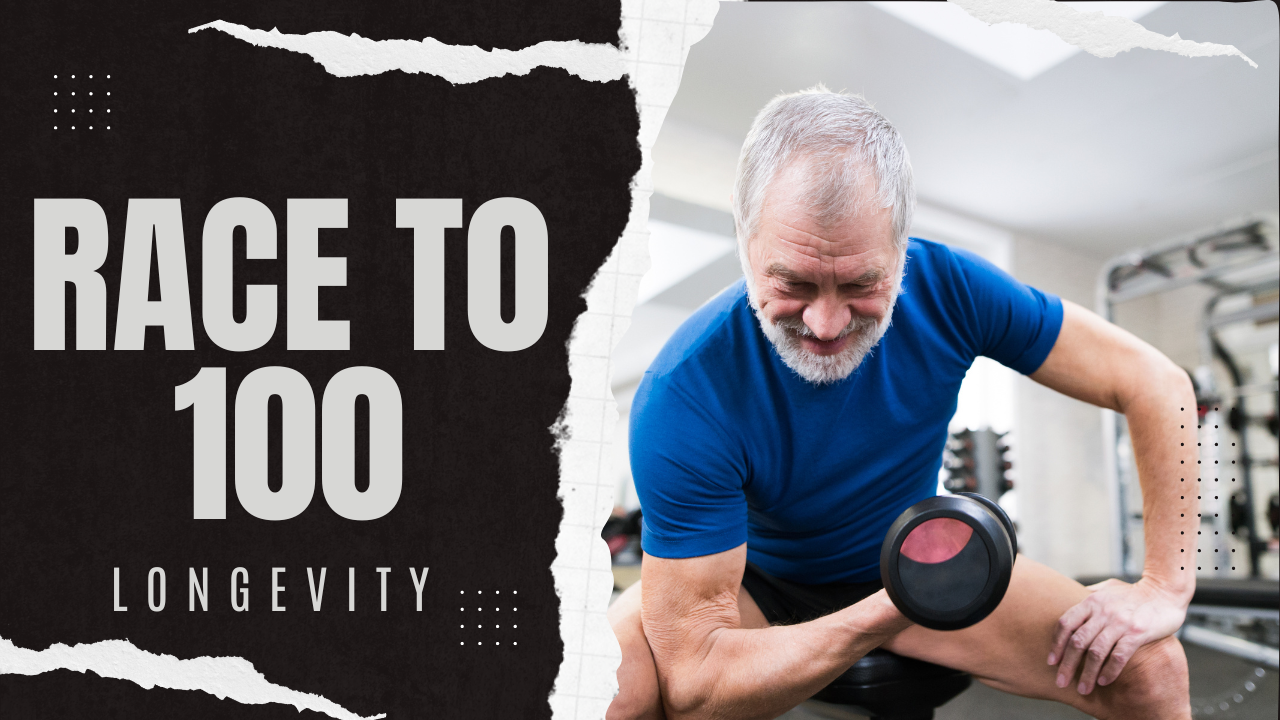
The growing interest in longevity from both the scientific community and the general public seems to have created a new “race to 100.” I’ve signed up for this race. I aspire to celebrate my 100th birthday, not confined to a wheelchair, but on my feet, dancing, perhaps even holding one of my great-grandchildren—or great-great-grandchildren. I don’t want to struggle to blow out 100 candles; I want to enjoy that milestone in good health.
Only a few achieve the milestone of reaching the age of 100. Those fortunate enough to live that long are called centenarians. The United Nations estimates there are roughly 600,000 centenarians worldwide, less than 1% of the global population of 8 billion. Studies have shown that many centenarians live in specific areas known as “blue zones.” Japan, for example, has the highest number of centenarians, with over 90,000 individuals aged 100 or more.
When I shared my desire to live to 100 with some friends, they thought I was crazy. They would be content to live a few years beyond retirement, but the idea of living past 80 worries them. They fear becoming weak, sickly, and dependent, possibly ending up in nursing homes. One friend, who recently visited an elderly care facility, described the pitiful physical, mental, and emotional conditions of the residents, reinforcing her dread of advanced age.
The real challenge in the “race to 100” is reaching that milestone with vitality, not just surviving but thriving. Achieving this goal requires careful planning and execution—it’s not a walk in the park. For those considering joining the race, it’s helpful to know the life expectancy in your country. Globally, life expectancy currently averages 72.98 years. Adding 20 or more years to that is no small feat.
Genetics and environment play crucial roles in healthy aging and longevity. Therefore, those who aspire to live well beyond retirement age should be aware of their family’s health history to address any genetic predispositions early on. Additionally, living in a conducive environment that promotes health and well-being is essential.
The to-do list for those aiming for longevity is daunting. It includes slowing down aging, preventing and curing diseases, staying healthy, balancing work and life, and maintaining overall well-being—none of which are easy tasks.
There are procedures and treatments available to slow down aging, many of which focus on the skin. But aging isn’t limited to the skin; our muscles, brain, heart, and other organs also age. Natural and practical methods to slow aging, if not reverse it, are at the top of the list—proper nutrition and regular exercise. Eating the right foods and staying physically active help maintain health, and health experts claim they also contribute to a younger appearance and vitality. Activities like getting enough sleep, meditating, and practicing intermittent fasting have also been proven to promote longevity.
Lifestyle is another crucial factor. In addition to genetics and environment, how we live greatly influences our lifespan. Destructive habits like smoking should be avoided. We’ve all heard that smoking can lead to heart disease and lung disorders. Additionally, scientists have discovered that alcohol not only harms the liver but also damages cells and genes throughout the body. If alcohol consumption can’t be completely avoided, it should at least be done in moderation.
The “race to 100” is undeniably challenging. Besides the demanding tasks on the longevity to-do list, participants must exercise self-discipline and sacrifice certain self-gratifying activities—especially those that are harmful. What makes this race even more challenging is that it’s not just about keeping your physical, mental, emotional, social, and spiritual health in check as you approach the century mark. Financial stability is also crucial to meet your basic needs—food, shelter, clothing, medicine, and more. Financial planning is an essential part of preparing for the race to 100.
If you manage to save more than enough to secure your needs along the way and have some left over, consider traveling to new places and enjoying life. Embrace aging—don’t complain about it. Age gracefully and with gratitude. Studies have shown that those who view aging positively live an average of seven years longer than those who view it negatively. So, instead of worrying, just prepare and welcome each new day with optimism.
 M.A.D. LIGAYA



 M.A.D. L I G A Y A